It's 10am on a Saturday and there are 60 people lined up outside a blue truck in Ballard
The truck doesn't have a fancy wrap. It's not doing anything revolutionary with its menu. But every single person in that line can spot it from three blocks away. They know the color. They know the logo. They know exactly what they're going to order before they get there.
That's not luck. That's branding.
And if you're looking for food truck branding ideas for Washington state that actually move the needle, you need to understand something most advice won't tell you: the best branding in the world won't save a truck that looks like every other truck on the block.
Why 68% of Washington food trucks fail before year two
I've watched trucks open in Seattle with incredible food—house-smoked brisket, hand-rolled sushi, legit pho—and close within 12 months. The food wasn't the problem. The problem was nobody could remember them.
Washington's food truck scene is brutally competitive. In Seattle alone, there are over 400 permitted food trucks competing for the same lunch crowds, the same breweries, the same festival slots. Your truck has about three seconds to make an impression before a potential customer's eyes move to the next one.
The truth is, most food truck branding ideas for Washington state are recycled from national templates. "Put your menu on the side. Use a catchy name. Get a logo." That's not branding. That's decoration.
What nobody tells you about food truck branding in Washington
Branding isn't your logo. It's not your color scheme. It's the feeling someone gets when they see your truck from half a block away.
Here's what works in Washington specifically:
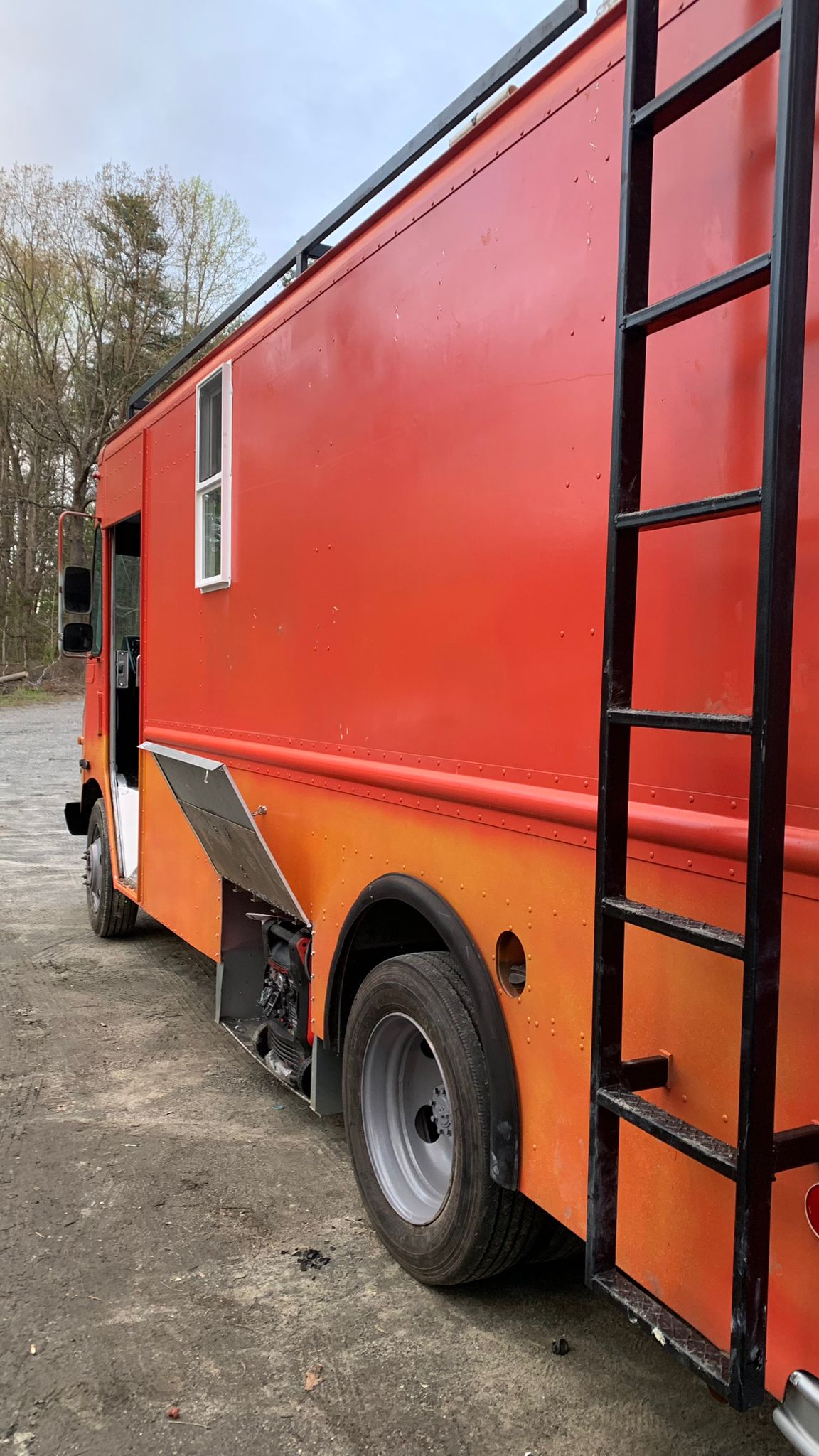
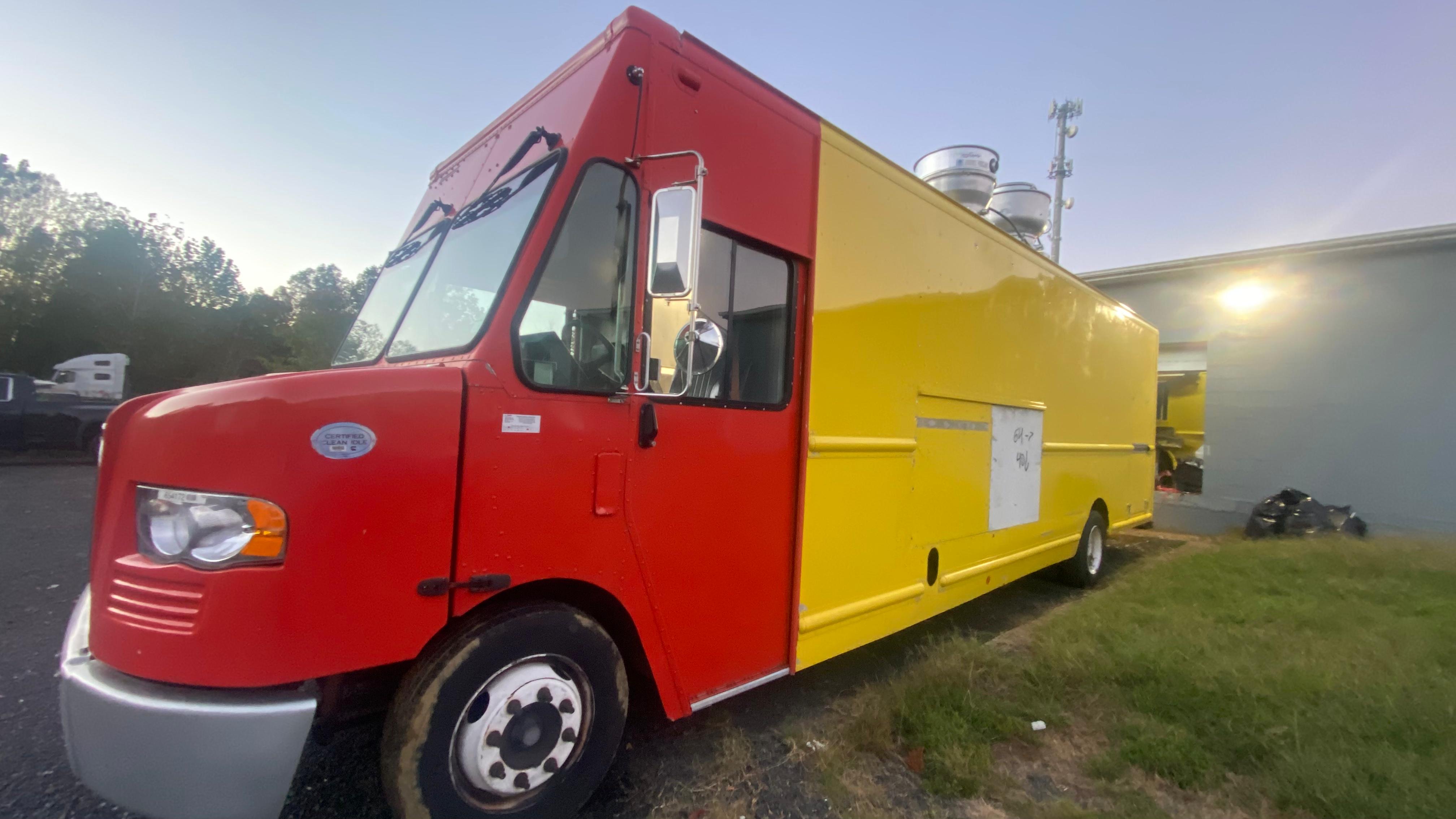
The weather factor. It rains here. A lot. Your branding needs to work in gray light, through drizzle, from a distance. Pastel colors that look great on a website disappear against a cloudy Seattle sky. High-contrast colors—deep reds, bright yellows, navy blues—cut through the gloom. I've seen trucks double their foot traffic just by switching from a muted wrap to something that pops on a rainy Tuesday.
The local identity. Washingtonians are fiercely local. They want to know you're from here, not a chain or someone who moved in last month. Your branding should signal local roots. That doesn't mean slapping the Space Needle on your logo. It means using local ingredients, referencing neighborhoods, showing up at the same spots consistently so people start to recognize you.
The menu-first approach. Your brand starts with what you serve. If you're doing Korean-Mexican fusion, your whole visual identity should telegraph that before someone reads a single word. The best food truck branding ideas for Washington state I've seen all start with one question: "What does this food feel like?" Then the design follows.
How much should you actually spend on branding?
Let's talk real numbers because most advice dodges this.
A professional food truck wrap in Washington runs between $2,500 and $5,000 depending on complexity and whether you're wrapping a van, trailer, or full truck. A logo design from a competent local designer: $800 to $2,500. A full brand package—logo, color palette, typography, menu design, social media templates—runs $3,000 to $7,000 from a specialist who understands food trucks.
Is that worth it? Only if you treat it as infrastructure, not decoration.
A well-branded truck in Seattle can generate 30-40% more daily revenue than a generic one at the same location, according to operators I've interviewed. That's not a marginal difference. That's the difference between profitable and dead.
If you're serious about building a truck that lasts, you need to start with the numbers. Before you spend a dime on branding, run the math on what your concept can actually support. Our guide on
how to calculate food truck ROI before buying will show you exactly what your numbers need to look like.
The three branding moves that actually work in Washington
I've watched hundreds of trucks come and go. The ones that survive do three things differently.
1. They own a color. Not two colors. Not a palette. One color that becomes synonymous with their truck. There's a taco truck in Capitol Hill that owns a specific electric orange. You can see it from four blocks away. When they park at a brewery, people literally walk toward the orange before they even know what's being served. Pick one color and never deviate.
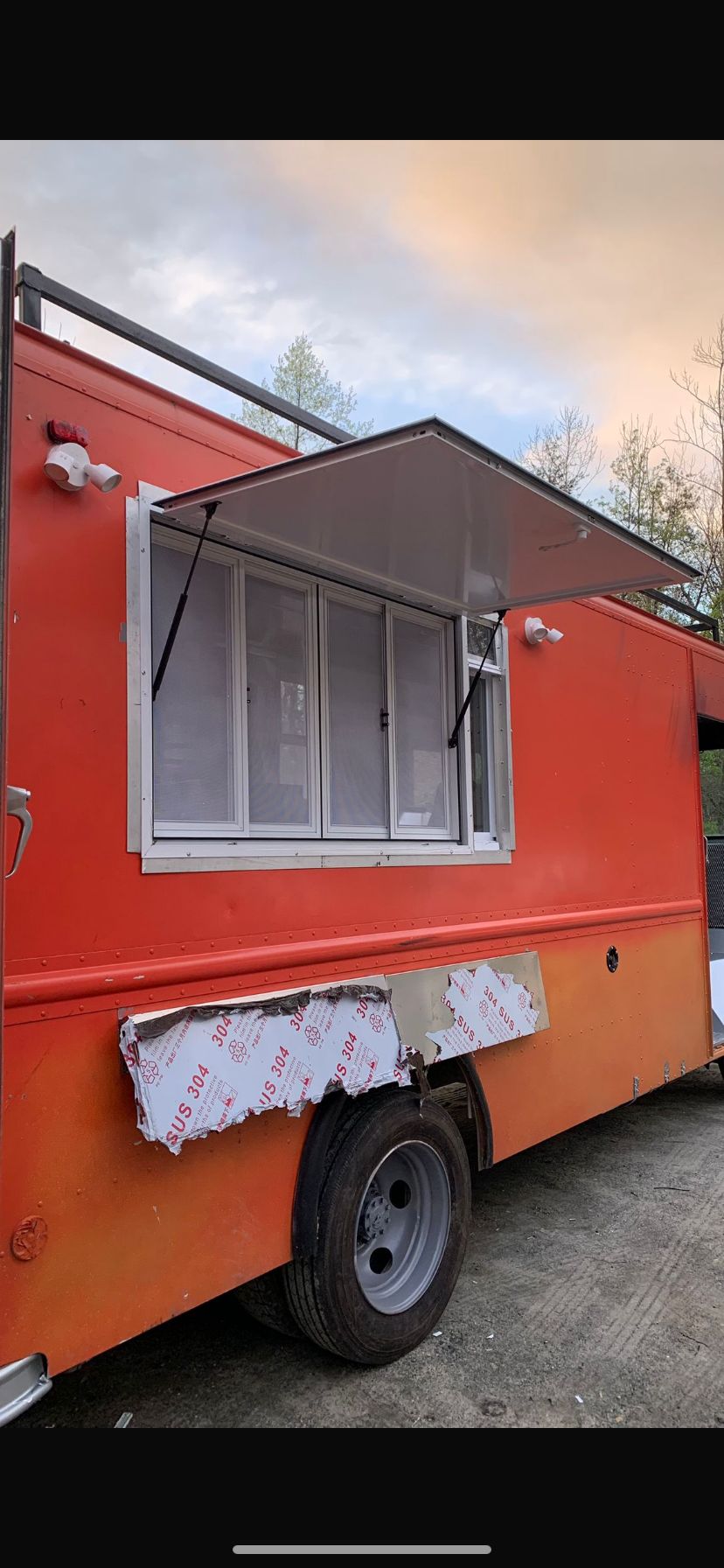
2. They brand the experience, not just the truck. The best trucks in Washington don't stop at the wrap. They brand the napkins. The packaging. The way the order window looks. The employee's aprons. Everything communicates the same message. When a customer walks away with your branded bag, they're walking advertising.
3. They build a location strategy around their brand. Your brand means nothing if you're never in the same place twice. The most successful trucks in Seattle have 3-4 regular spots they hit every week, same days, same times. Customers learn where to find you. Your brand becomes reliable. That's worth more than any logo redesign.
What your truck actually needs before branding
Here's the part nobody talks about.
You can have the best branding in Washington, but if your truck breaks down mid-service or your fryer can't keep up with the lunch rush, none of it matters. Your brand is only as strong as your equipment.
Before you invest in a custom wrap, make sure your build-out is solid. That means a commercial kitchen that actually works. Our
commercial kitchen equipment installation guide covers exactly what you need to spec out a truck that won't fail you.
And if you're converting a van or trailer, don't cut corners on the build. A poorly built truck will destroy your brand faster than any bad logo. The best
custom food truck builders understand that reliability is part of your brand promise.
Fire suppression and your brand
This sounds unrelated. It's not.
Nothing kills a brand faster than a fire that shuts you down for weeks. Washington requires specific fire suppression systems for commercial cooking vehicles. If you skip this or cheap out, you're not just risking a fire—you're risking your entire reputation.
Our guide on
fire suppression system requirements applies to Washington too. The regulations are similar. Don't learn this lesson the hard way.
The real cost of getting it wrong
Let me give you a concrete example.
A truck in Tacoma spent $12,000 on a full custom wrap, professional photography, and a website. Beautiful work. But they'd never run the numbers on their concept. Their build-out was underpowered. Their generator couldn't handle peak hours. They'd spend half the lunch rush apologizing for wait times.
They closed in nine months. The wrap was still perfect.
Your brand is a promise. If you can't deliver on that promise consistently, no amount of design will save you. Before you spend on branding, make sure your concept is viable. Our
cost breakdown guide will show you exactly what a real build-out costs so you don't find out the hard way.
What you should do this week
Stop looking at logo templates. Stop comparing wraps. Start with one question: "What do I want someone to feel when they see my truck from across the street?"
That feeling is your brand. Everything else is execution.
If you want to build a truck that actually lasts in Washington, start with the infrastructure that makes your brand possible. Talk to someone who's done this before. Get real numbers. Then design around what works.
For specific guidance on your concept,
get a custom quote or schedule one of our
mobile kitchen consultations. We'll tell you what actually makes sense for your budget and your market.