How much does it really cost to open a food truck in Houston?
Nobody gives you the real number upfront. But here's one you can't ignore: a Type K fire suppression system for a food truck in Houston runs between
$1,800 and $3,500 installed. That's before you even talk about the hood, the exhaust, or the inspection fee.
And if you skip it, or install it wrong, the Houston Fire Marshal will shut you down before you serve a single taco.
The
Houston food truck fire suppression system requirements aren't suggestions. They're code. And they're enforced harder here than in most Texas cities because Houston's fire department takes mobile kitchen fires seriously — for good reason.
What the fire marshal actually checks
Here's what nobody tells you until you're standing in an inspection bay, sweating: the fire marshal doesn't just look for a system. They look for
compliance with NFPA 96, the national standard for ventilation and fire protection in commercial cooking.
Specifically, they're checking three things:
1. The system must be ANSI/UL 300 compliant. That's the standard for commercial cooking equipment fire suppression. If your system isn't UL 300 listed, it's a hard no.
2. The hood must be Type I. Not Type II. Not a residential range hood. A commercial-grade, grease-removing, fire-rated exhaust hood. If you're converting a van and thinking about skipping this, stop. The hood alone can cost $800 to $2,000.
3. The system must be installed by a licensed contractor. You can't DIY this. In Houston, the fire marshal requires a certificate of installation from a state-licensed fire protection company. No certificate, no permit.
And here's the kicker: even if your system is perfect, if the exhaust ductwork isn't welded or the clearance to combustibles is wrong, you'll fail.
Why Houston is tougher than other cities
I've talked to owners who brought trucks from Austin or San Antonio and assumed they'd pass Houston inspection. They didn't.
Houston requires annual inspections and recertification of your fire suppression system. Not every city does. The Houston Fire Department's Office of the Fire Marshal also requires a separate mobile food unit permit, which includes a fire safety inspection. That inspection is not a formality. They will test the system manually. They will check the nozzle placement over every piece of cooking equipment. They will ask for your service records.
If you're building a truck from scratch, budget for two inspections: one for the build-out and one annual. Each inspection runs about $150 to $300 depending on the contractor.
The real cost of getting it wrong
Let me give you a concrete example. A friend of mine in the Heights bought a used truck from Dallas. The previous owner had installed a fire suppression system, but it wasn't UL 300 compliant — it was an older model that didn't cover solid-fuel cooking equipment (they were running a flat-top griddle). The Houston fire marshal flagged it during the initial inspection.
The fix: a new system, new hood, and re-routing of the exhaust ductwork. Total cost: $4,200. Plus two weeks of downtime while they waited for the contractor and the re-inspection.
That's the hidden tax of not knowing the
Houston food truck fire suppression system requirements before you buy.
What you can do to avoid that
First, if you're buying a used truck, get the fire suppression service records. Look for a tag that shows the last inspection date and the contractor's license number. If there's no tag, assume the system is non-compliant.
Second, if you're building a truck, work with a builder who knows Houston codes. Not all custom food truck builders understand the nuances of Houston's fire marshal. Some of the top manufacturers in Texas do — but you have to ask. Our article on
custom food truck builders in Houston lists a few that specialize in code-compliant builds.
Third, budget for the system upfront. I've seen too many owners spend $40,000 on a build and then realize they have $2,000 left for fire suppression. That's not enough. A proper system with hood, ductwork, and installation can easily hit $4,000 to $6,000.
What about the exhaust hood?
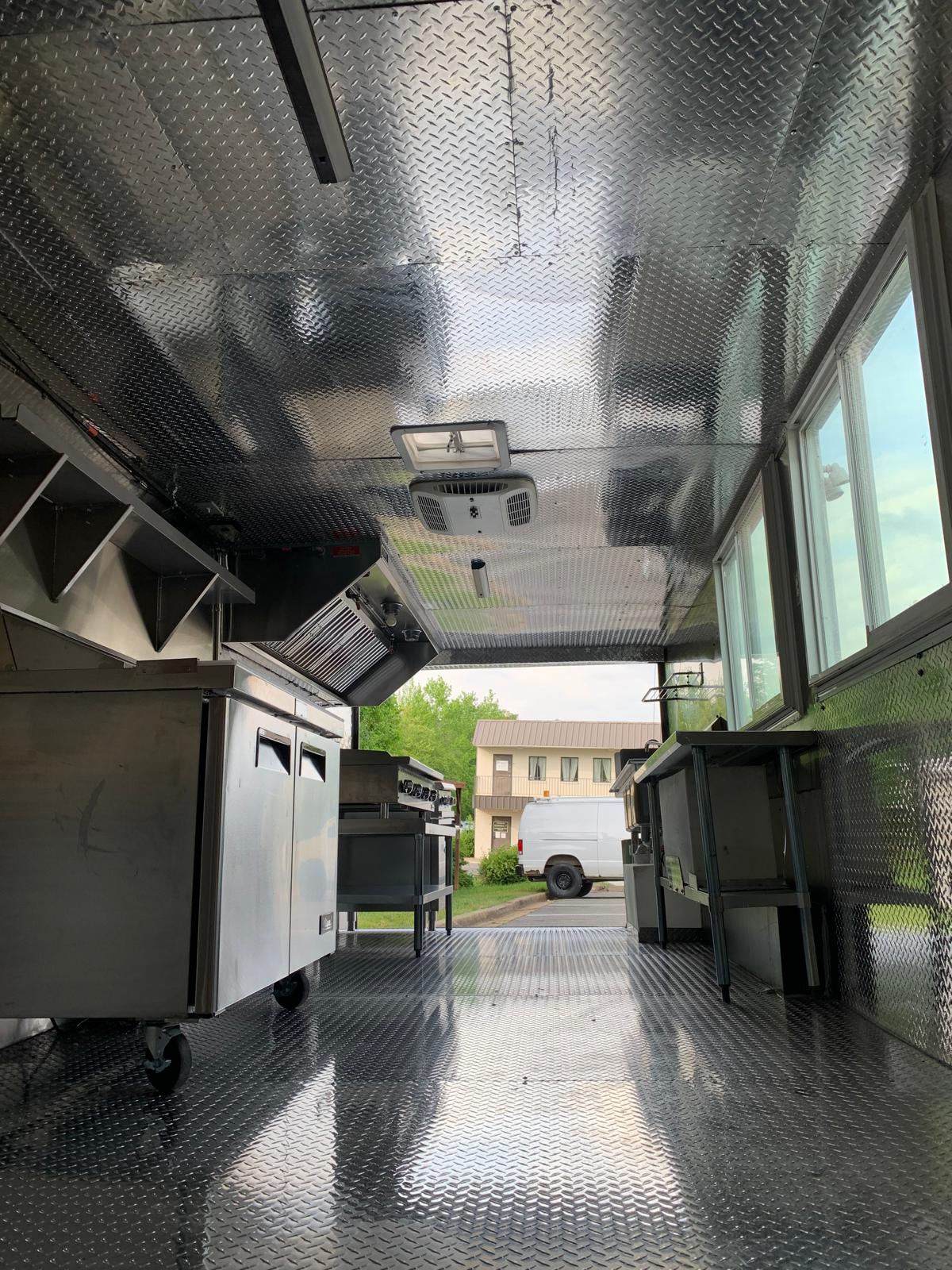
The fire suppression system and the exhaust hood are a package deal. You can't have one without the other. The hood must be Type I, meaning it's designed to capture grease-laden vapors and has built-in fire baffles. The exhaust fan must be rated for commercial use, and the ductwork must be welded or brazed — no slip joints.
If you're installing a commercial exhaust hood in a food truck, the clearance to combustibles is critical. The NFPA 96 standard requires at least 18 inches between the hood and any combustible material. In a food truck, where space is tight, that's a real constraint. Our guide on
how to install a commercial exhaust hood in a food truck covers the specifics.
The bottom line
The
Houston food truck fire suppression system requirements aren't a bureaucratic hurdle. They're a safety standard that protects you, your customers, and the people standing next to your truck at a festival. But they're also a real cost that you need to plan for — not an afterthought.
If you're serious about opening a food truck in Houston, don't guess. Get a custom quote from a contractor who knows the local codes. And if you're still in the planning phase, talk to someone who's done it before. Our team offers
mobile kitchen consultations that can save you from the $4,200 mistake.
Because the worst time to learn about fire suppression is when the marshal is standing at your door.