Most Food Truck ROI Advice Is Written by People Who’ve Never Owned One
The internet is full of blogs that tell you food trucks are cheap to start. That you can hit six figures in year one. That ROI is simple: total investment divided by monthly profit.
That math works great—until your generator dies at a festival, your hood hood fails inspection, or you realize your concept doesn’t work in Houston summers. Then your ROI calculation becomes: “How do I break even before my savings run out?”
I’ve spent a decade watching people buy trucks based on fantasy numbers. The ones who survive didn’t guess. They knew
how to calculate food truck ROI before buying—not as a theoretical exercise, but as a spreadsheet they could hand to an investor.
This is how you do it for real.
Step One: Kill the Fantasy Number
Everyone wants a number. “How much does a food truck cost?” They want a single figure they can repeat at dinner parties.
The truth is more uncomfortable: your ROI calculation is only as good as your cost breakdown. And most people underestimate build-out costs by 40% or more.
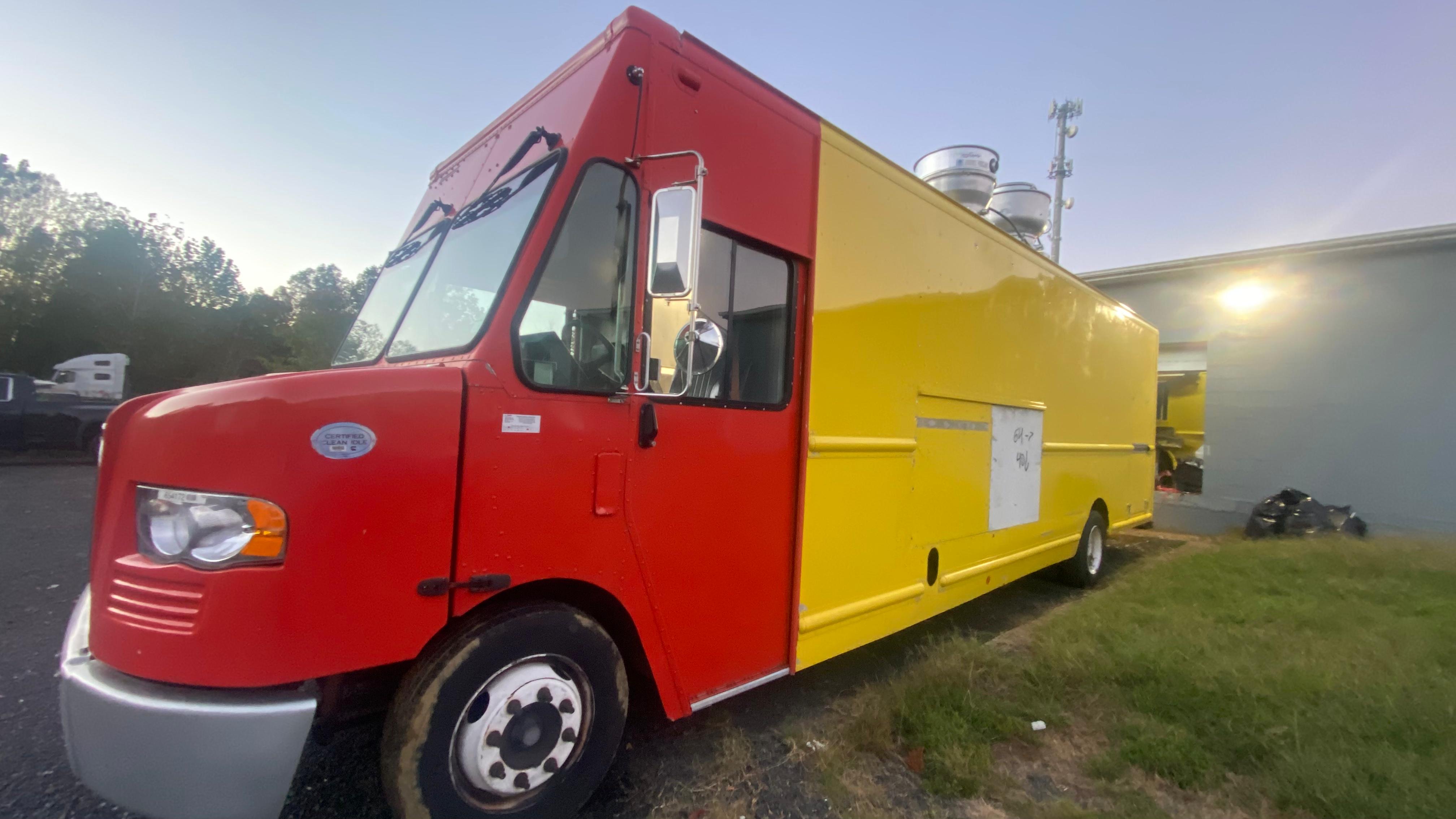
Let me give you a real example. A fully custom food truck with a commercial kitchen, exhaust hood, generator, and wrap runs between $80,000 and $150,000 in 2026. That’s not including permits, insurance, inventory, or the three months of operating cash you’ll need before you turn a profit.
If you want to see what that looks line by line, read our
Custom Food Truck Cost Breakdown 2026: Full Pricing Guide. It breaks down every single component so you aren’t guessing.
But here’s the thing: knowing the cost isn’t the same as knowing the ROI. You need to know what that truck will earn.
Step Two: Build a Revenue Model That Hurts
This is where most people lie to themselves.
They assume they’ll work every weekend. They assume 200 customers a day. They assume zero downtime for repairs.
Here’s what a realistic food truck revenue model looks like in a mid-sized city like Houston:
-
Operating days per month: 22 (you need days for prep, maintenance, and your own sanity)
-
Average ticket: $14 (not $18—you’re not a Michelin star)
-
Customers per day: 80 on a slow day, 150 on a good day
-
Monthly gross revenue: $24,640 to $46,200
That range is wide because location matters. A truck parked at a brewery on a Saturday can do $4,000 in five hours. The same truck on a Tuesday lunch in an industrial park might do $600.
You need to model both your best and worst months. Then take the average. Then subtract 20% for the months when your truck breaks down or a permit falls through.
Step Three: The Real Costs Nobody Mentions
Your ROI calculation has three layers of costs. Most people only count the first one.
Layer one: Fixed costs (monthly regardless of sales)
- Truck payment or lease: $1,500–$3,500
- Insurance: $300–$800
- Commissary kitchen rental: $500–$1,200
- Permits and licenses: $200–$600
- Phone, software, accounting: $200–$400
Layer two: Variable costs (scale with sales)
- Food cost: 28–35% of revenue
- Labor: 25–35% of revenue
- Disposables and supplies: 5–8%
- Credit card processing fees: 2.5–3.5%
Layer three: The hidden killers
- Generator fuel and maintenance: $200–$500/month
- Truck repairs and tires: $100–$300/month (set this aside)
- Event application fees: $50–$500 per event
- Marketing and signage updates: $100–$300/month
- Emergency fund for hood or equipment failure: $200/month minimum
Add those up. If you’re running at $30,000/month gross with 30% food cost and 30% labor, your net profit before truck payment is around $6,000–$8,000. After truck payment, you’re looking at $3,000–$5,000.
That’s not bad. But it’s also not the “I’m rich in six months” story you see on Instagram.
Step Four: Calculate Your Payback Period
Now you have real numbers. Let’s run the calculation.
If your truck costs $100,000 fully built out, and your realistic monthly net profit is $4,500, your payback period is:
$100,000 ÷ $4,500 = 22.2 months
That’s just under two years. That’s a solid ROI for a food truck—if you can survive the first six months when you’re still building a customer base.
But here’s where most people get the math wrong: they forget to factor in the
opportunity cost of their own labor.
If you could earn $60,000/year working for someone else, your food truck needs to generate at least that much profit *after* paying yourself. Otherwise, you’re working harder for less money.
Step Five: The One Number That Changes Everything
There’s a metric that separates profitable food trucks from hobby trucks, and almost nobody talks about it:
revenue per operating hour.
A food truck that generates $300/hour is barely breaking even after all costs. A truck that generates $600/hour is profitable. A truck that generates $1,000/hour is printing money.
The difference isn’t the food. It’s the location strategy and the menu design.
Trucks that chase high-volume events and breweries can hit $1,000/hour. Trucks that park at construction sites and office parks rarely break $400/hour.
Your ROI calculation should include a scenario where you optimize for revenue per hour, not just total revenue. A truck that works 15 hours a week at $800/hour makes more money than a truck that works 40 hours a week at $300/hour—and has way lower operating costs.
Step Six: Run the Worst-Case Scenario
This is the step that separates serious operators from dreamers.
Take your revenue model and cut it by 30%. Then add 20% to your costs. Then see if you still break even in 24 months.
If you don’t, your concept needs work. Maybe your menu is too expensive for your target audience. Maybe your location strategy is too dependent on one event. Maybe your build-out costs are too high because you’re buying features you don’t need.
This is also where
Commercial Kitchen Equipment for Food Trucks: Installation Guide becomes relevant. If you’re spending $20,000 on equipment you could have bought for $12,000, you’ve just added months to your payback period.
Step Seven: The Build-Out Decision That Makes or Breaks ROI
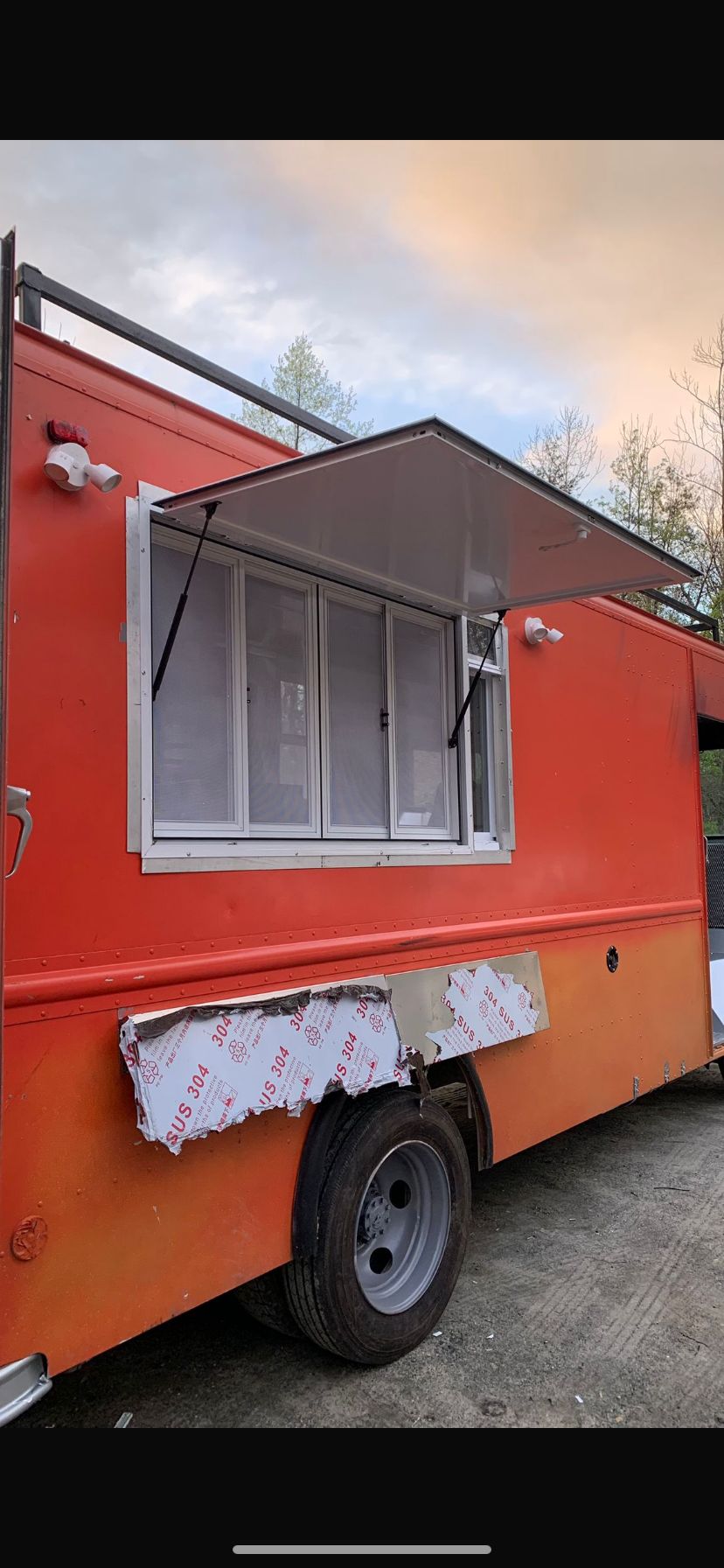
Your truck’s build quality directly determines your ROI. A cheap build saves money today but costs you in downtime, repairs, and failed inspections.
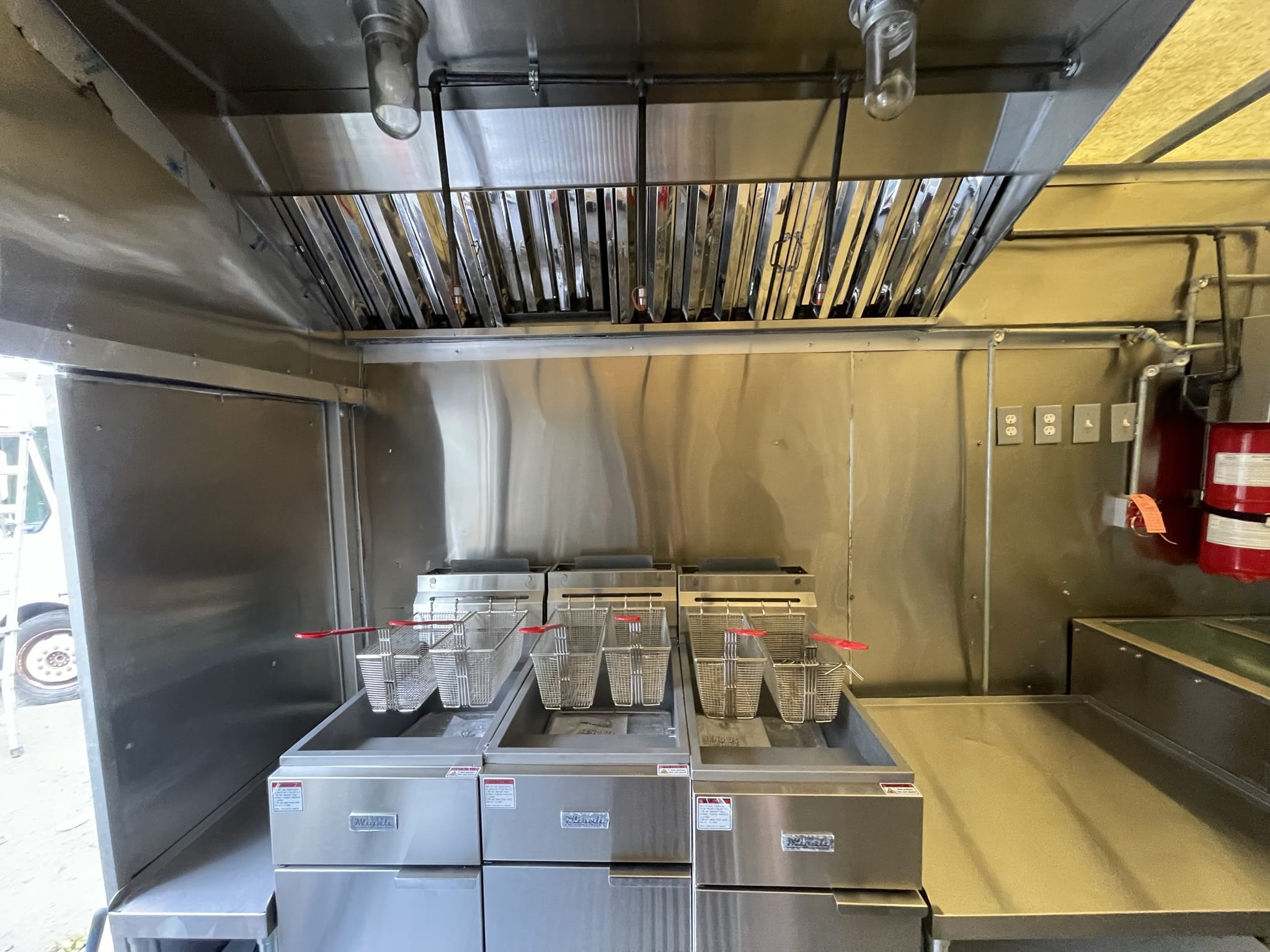
The difference between a $60,000 conversion and a $100,000 conversion isn’t luxury. It’s reliability. It’s a properly installed
commercial exhaust hood that passes fire inspection on the first try. It’s a generator that runs 10 hours without overheating. It’s a floor that doesn’t rot after six months.
If you’re in Houston, where summers hit 100°F and humidity is brutal, a cheap build will cost you more in repairs than you saved on the purchase. Read
How Much Does a Custom Food Truck Cost in Houston? Real 2026 Pricing for location-specific numbers.
And if you’re in Washington State, where regulations are tighter than almost anywhere else, your build needs to meet specific health department standards that many builders ignore. Check
Food Truck Fabrication Companies in Washington State: 7 Builders Reviewed before you sign anything.
The Real ROI Isn’t Just Financial
Here’s what nobody tells you about food truck ROI: the best return isn’t the money. It’s the freedom to control your own schedule, build a brand without a landlord, and test concepts without a $500,000 restaurant build-out.
But that freedom only exists if the financials work. If you’re losing money every month, the truck becomes a cage, not a liberation.
So run the numbers honestly. Build a worst-case scenario. Talk to owners who’ve been doing this for five years, not five months. And when you’re ready to stop guessing and start building,
get a custom quote from a builder who actually understands the financial reality of this business.
The truck is the tool. The ROI is the result. Don’t confuse the two.