Food Truck Permit Requirements: Houston, VA, and WA
Most food truck advice is written by people who've never stood in a health department line at 7am with a folder full of paperwork, only to be told they're missing one form. I've done that. More than once. And I can tell you that food truck permit requirements are the single most underestimated cost and time sink in this entire business — more than the truck itself, more than the equipment.
Here's the thing nobody tells you upfront: a food truck is a restaurant that moves. That means you don't answer to one regulator. You answer to the health department, the fire marshal, the city, the county, sometimes the state, and — if you're smart — a commissary kitchen that keeps its own records on you. In Houston, Virginia, and Washington, those layers stack up in wildly different ways. Get the map wrong and you'll burn $3,000 and three months before your first taco hits a customer.
Let's walk through what each place actually requires in 2026, with real numbers, and the parts that trip up almost everyone.
Houston: The Permit Stack That Surprises First-Timers
Houston looks forgiving on paper. Texas is a business-friendly state, right? True — until you hit the food-specific layers. The City of Houston Health Department requires a Mobile Food Unit permit, and the fee runs roughly $350–$550 annually depending on your unit classification. That's the easy part.
The real cost lives in the details. Houston requires you to operate from a licensed commissary — a fixed kitchen where you store, prep, and clean. If you don't own one, you rent space, and that runs $200–$600 a month depending on access hours. That's not a permit fee, but it's a permit requirement, and it belongs in your budget from day one.
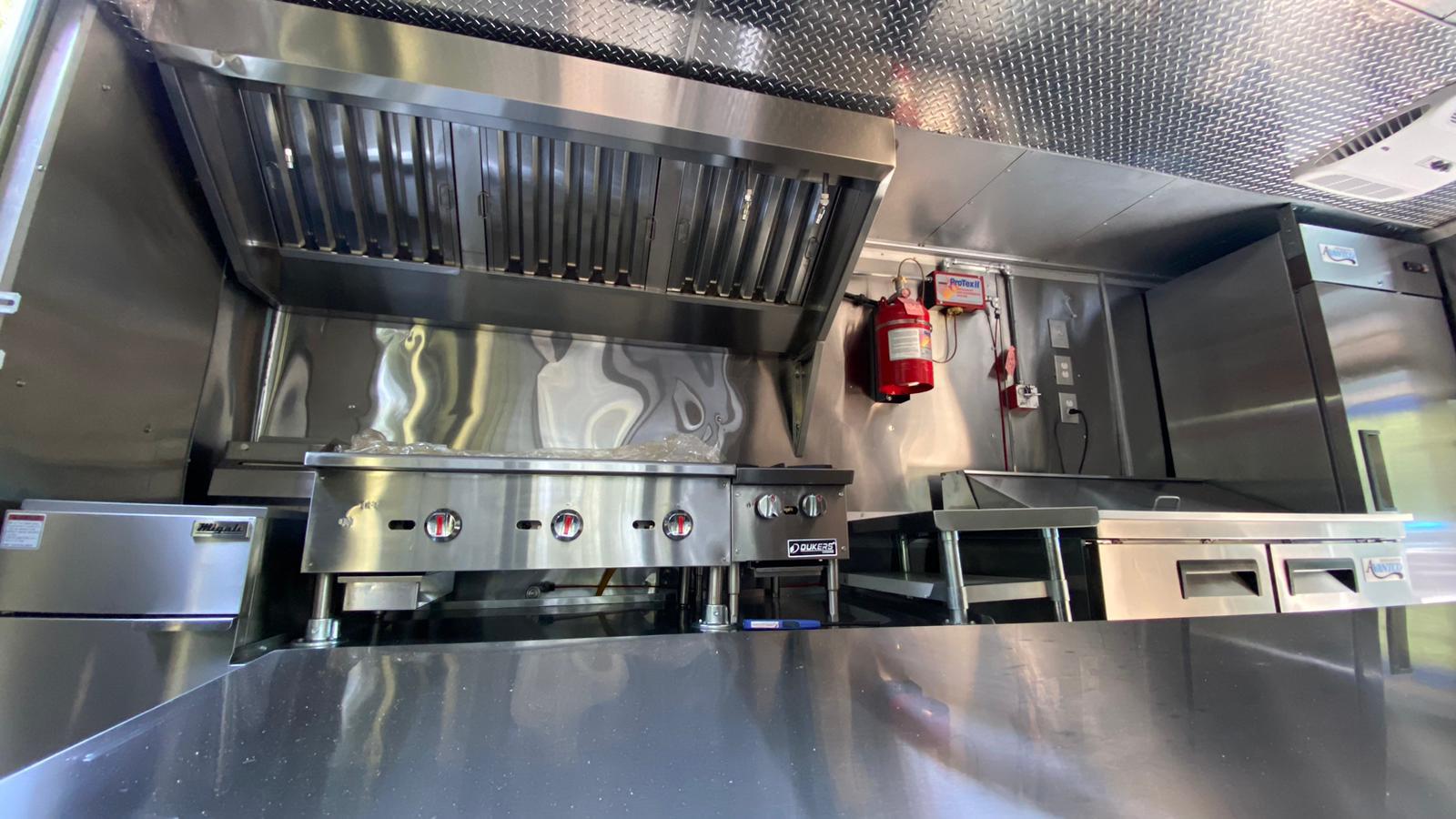
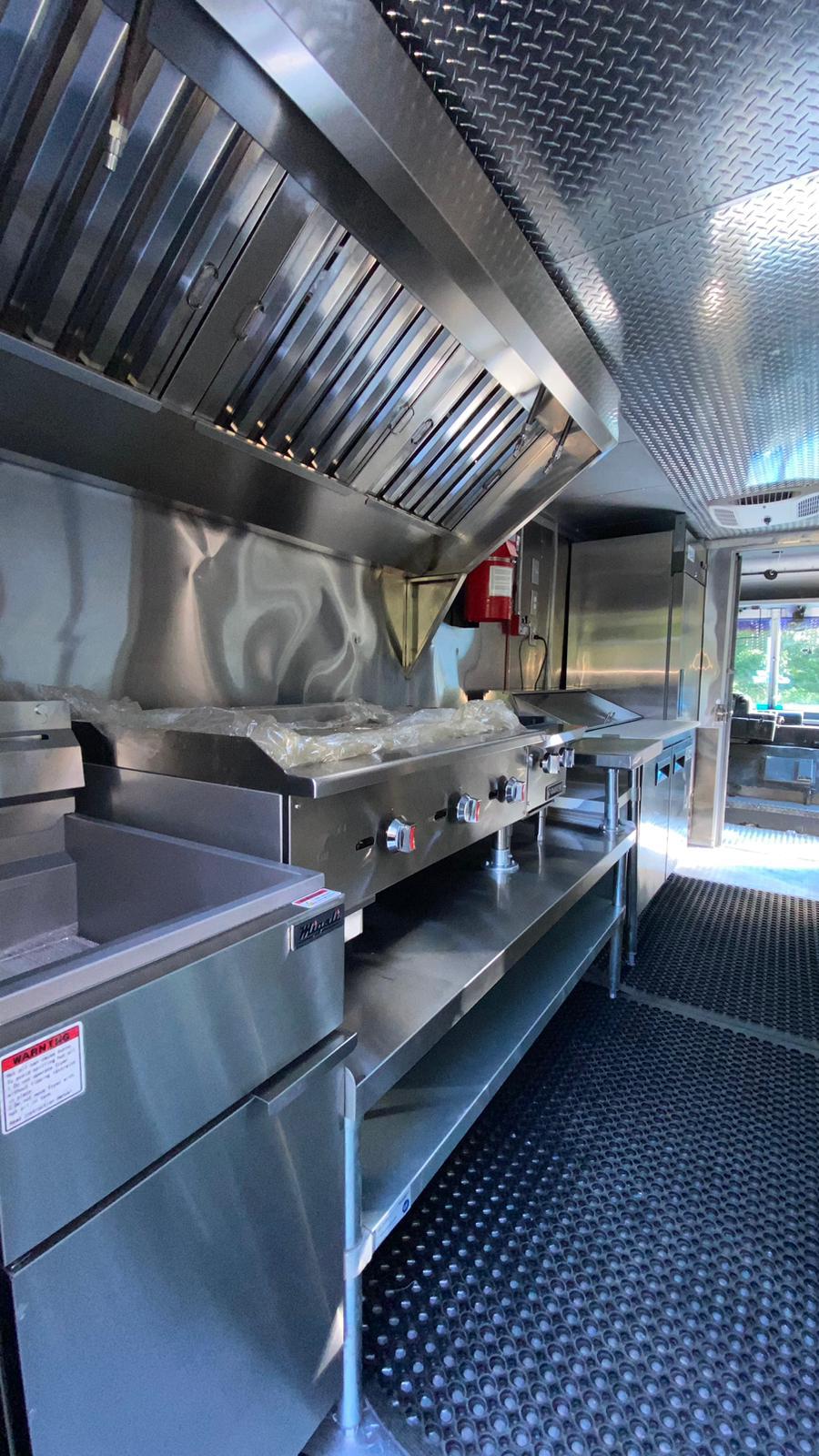
Then there's the fire marshal. Any truck with a fryer, a grill, or an LP gas system needs a fire inspection and an approved hood suppression system. In Houston that inspection typically runs $100–$200, and if your suppression system isn't correctly installed, you fail — no negotiation. This is where a poorly planned build bites you. If you're designing your kitchen from scratch, it's worth reading up on food truck kitchen layout for efficiency before you commit to equipment placement, because moving a fryer after inspection is a $1,500 mistake.
What Houston actually checks
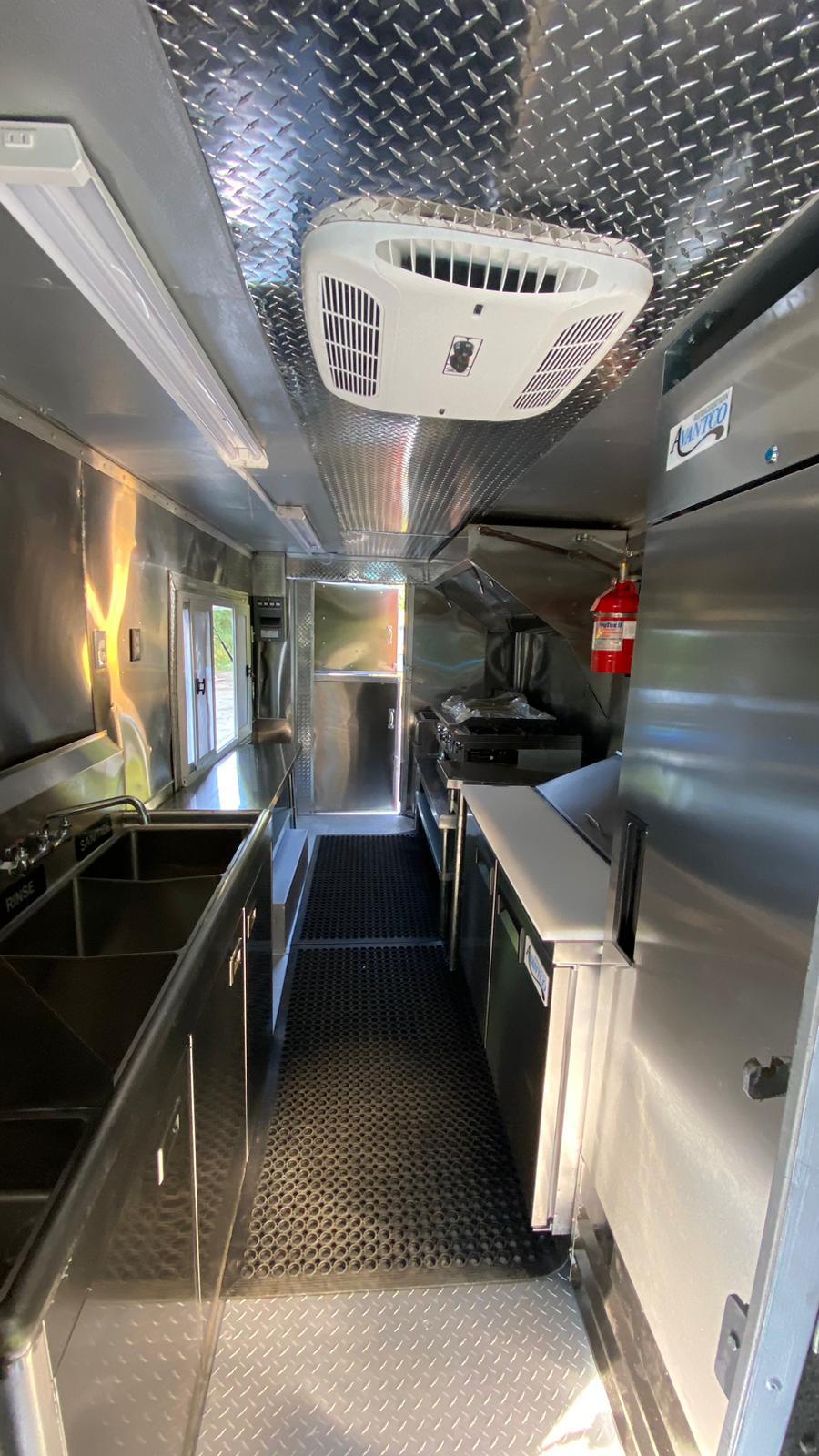
The health inspector will look at your three-compartment sink, your handwashing station with hot water, your refrigeration temps, and your commissary agreement. They don't care how good your brisket is. They care that you can prove where your food was prepped and that you can wash your hands without touching a door handle. Bring the commissary letter. Every time.
Timeline reality: expect 2–4 weeks from application to approved inspection if your paperwork is clean. If it isn't, double it.
Virginia: Where the State and the County Both Want a Word
Virginia is the jurisdiction that humbles people who assume permits are a city-level thing. In the Commonwealth, food truck permit requirements run through the Virginia Department of Health at the state level, but each county health district handles its own inspections — and some counties add their own business licenses on top.
The state mobile food unit permit itself is modest, often under $200. But here's what few people realize: Virginia requires a commissary agreement just like Houston, and counties like Fairfax, Arlington, and Henrico enforce it hard. You'll also need a Certified Food Protection Manager on staff — that's a person with a real certification, not a checkbox. The exam and certification run about $150–$200 per person, and it's not optional.
What nobody mentions is the local business license (BPOL) tax in Virginia. It's not a permit, but it functions like one — you file it, you pay it, and if you sell in multiple counties, you may owe it in more than one place. A truck operating across Fairfax and Arlington can end up filing in both. That's the kind of thing that quietly eats a Saturday every quarter.
If you want the county-by-county breakdown, our guide on Virginia food truck regulations in 2026 goes deeper than any single article should. The short version: Virginia rewards preparation and punishes assumptions.
Washington: Three Different Rulebooks in One State
Washington state is where the geography gets personal. "Washington" means Seattle, Spokane, Tacoma, and a hundred small towns, and they don't share a permit system. The state Department of Health sets the food safety baseline, but King County, Pierce County, and Spokane County each run their own mobile food unit programs with their own fees and their own inspection schedules.
In King County — Seattle's jurisdiction — a mobile food unit permit runs roughly $500–$800 annually depending on your menu risk category. Add a fire permit if you cook with gas or fry, and a separate plan review fee before you're even allowed to operate. Plan review alone can take 3–6 weeks in Seattle's busy season, and if you submit in June expecting to be rolling by July, you'll be disappointed.
The detail that catches out-of-staters: Washington requires you to submit your truck's floor plan and equipment specs for review before the physical inspection. If your build doesn't match the plan — a sink in the wrong spot, a missing vent — you redo the review and pay again. This is why so many operators get a build plan reviewed by people who've done it before. You can get a custom quote on a build that's designed to pass the first time, which is cheaper than the second review.
The Fees Are the Cheap Part — Here's What Actually Costs You
Let's put real numbers on the table, because "it depends" is honest but unhelpful. Across all three jurisdictions, the hard permit fees typically land between $400 and $1,200 a year. That's not nothing. But it's not the number that kills trucks.
The number that kills trucks is the total cost of compliance infrastructure: commissary rent, fire suppression, certified manager training, plan review, and the weeks of lost selling time while you wait for inspectors. Add it up and you're looking at $4,000–$9,000 in year one before you've sold a single plate. That's the truth nobody puts in the brochure.
And here's where it gets interesting: the operators who fail aren't the ones who couldn't afford the fees. They're the ones who built the truck first and asked about permits second. If you're going to spend $60,000–$120,000 on a build — and our breakdown of food truck build costs in 2026 shows exactly where that money goes — spending $800 on a permit consultation first is the cheapest insurance you'll ever buy.
How to Sequence Your Permits So You Don't Lose Three Months
The order matters more than the paperwork. Here's the sequence that works in all three markets:
1. Call the health department before you buy the truck. Ask what they require for your specific menu. A truck selling pre-packaged coffee faces a different inspection than one frying chicken. Know which one you are.
2. Lock your commissary agreement early. Houston, Virginia, and Washington all require it, and the agreement letter is often the first document inspectors ask for. No commissary, no permit.
3. Get your build plan reviewed before construction. In Washington this is mandatory; in Houston and Virginia it saves you from a failed inspection. This is where mobile kitchen consultations earn their keep — a 30-minute conversation about sink placement can save a $2,000 rebuild.
4. Schedule the fire inspection and health inspection in the right order. Fire usually comes first. If your suppression system fails, the health inspection doesn't matter.
5. Keep a compliance binder. Every permit, every commissary receipt, every certification. Inspectors respect operators who hand them a folder. It changes the tone of the entire inspection.
If you're building from zero, our step-by-step guide to building a food truck in 2026 maps this sequence against the build timeline so permits and construction run in parallel instead of fighting each other.
The Question That Actually Matters
Everyone asks "how much does the permit cost?" The better question is "how long until I can legally sell food?" Because a $400 permit that takes eight weeks to process costs you far more in lost revenue than a $900 permit that clears in two. The fee is a line item. The delay is your rent, your loan payment, and your sanity.
So before you sign a lease on a commissary or hand a welder a deposit, call the health department in the exact county where you plan to park. Not the state. Not a Facebook group. The county. Ask them the three questions that matter: What's the fee, what's the timeline, and what's the one document people forget? Their answer will tell you more than any article — including this one — ever could.
And if you're in Houston and want a second set of eyes on your build before inspection day, a food truck build consultation in Houston is the difference between passing on the first visit and starting over.