Food Truck vs Concession Trailer: Which One Wins
Most advice on food truck vs concession trailer is written by people who've never had to move a 14-foot trailer out of a muddy fairground at 11pm. I have. So let me give you the version nobody puts in the brochure.
The real problem isn't which one is "better." It's that these two builds solve completely different problems, and most people choose based on sticker price instead of where they actually plan to sell. That single decision — location strategy — decides whether your rig makes money or eats it.
Let's start with the number that matters. A basic concession trailer runs roughly $15,000 to $35,000 fully equipped in 2026. A comparable food truck build lands between $50,000 and $125,000 depending on the kitchen. That gap is real. But it's not the whole story, and if you stop there you'll make an expensive mistake.
The mobility question decides more than your budget
Here's what nobody tells you: the food truck vs concession trailer choice is really a question about how you plan to find customers.
A concession trailer — the kind you tow behind a truck — is fantastic if you have fixed, predictable locations. A county fair for two weeks. A brewery parking lot every Friday. A construction site you've contracted for three months. You drop it, level it, and it stays put. No engine, no transmission, no $8,000 repair bill when the drivetrain fails.
A food truck drives itself. That sounds like a minor perk until you realize it's the entire business model for urban vendors. In a city like Houston, the difference between a good Tuesday and a dead one is often 2.3 miles — the distance between an office park at lunch and a residential block at dinner. You can chase that in a truck. You cannot in a trailer you have to hitch, tow, and re-level every single time.
And here's where it gets interesting. The vendors who fail with trailers almost always fail for the same reason: they bought the cheaper option, then discovered their market required movement they couldn't provide.
What the real 2026 build numbers look like
Let me give you a concrete example. Say you want to sell smash burgers and fries. Here's roughly what each path costs you in 2026:
Concession trailer (14–16 ft, towable)
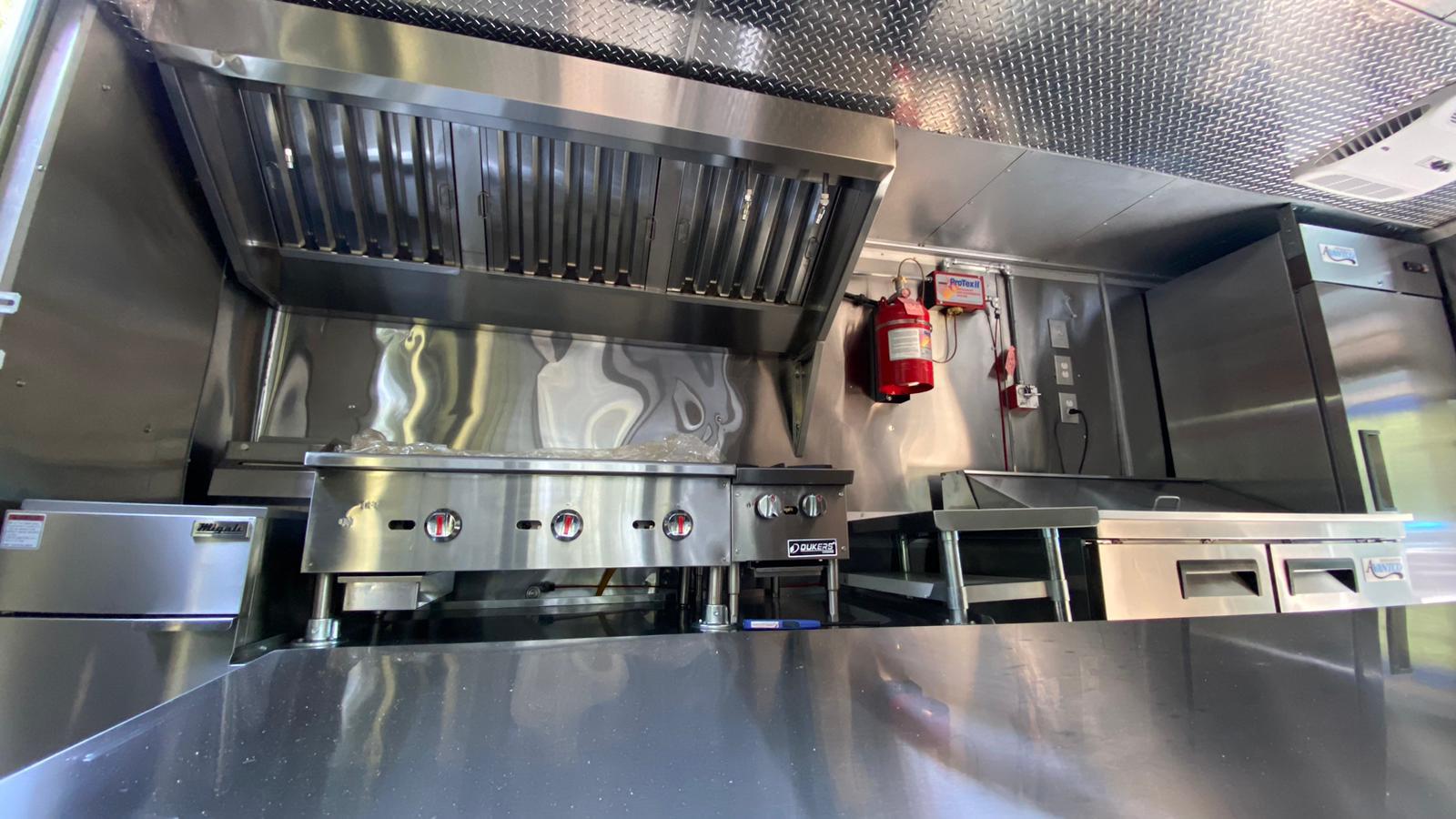
Shell and build-out: $18,000–$32,000. Add a used commercial flat-top, fryer, hood system, and three-compartment sink and you're at $28,000–$45,000 total. You'll also need a capable tow vehicle — a half-ton pickup, which most people already own or can finance separately. Insurance runs lower because there's no motor vehicle component. This is genuinely the cheaper door in.
Food truck (16–20 ft step van or box truck)
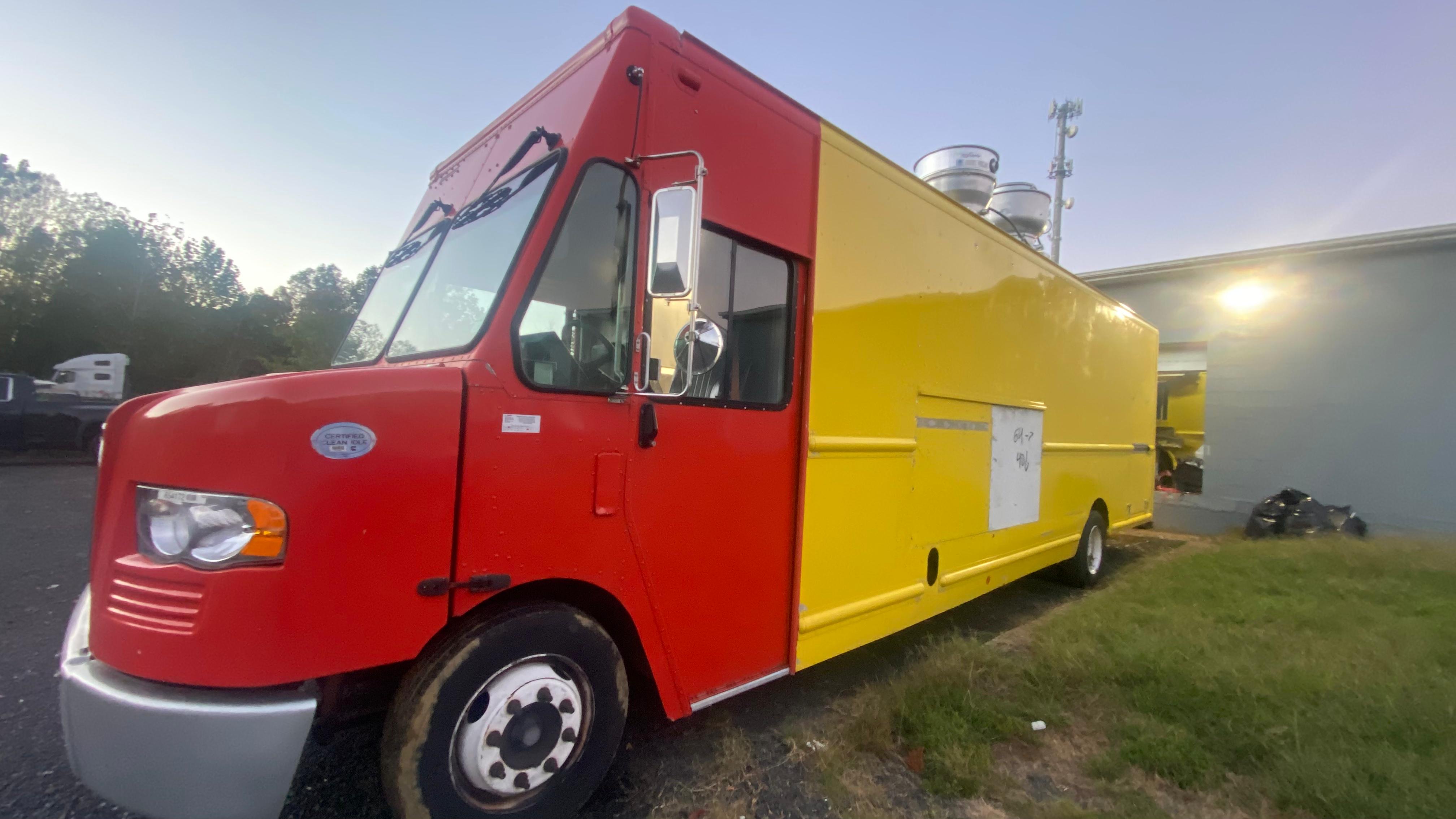
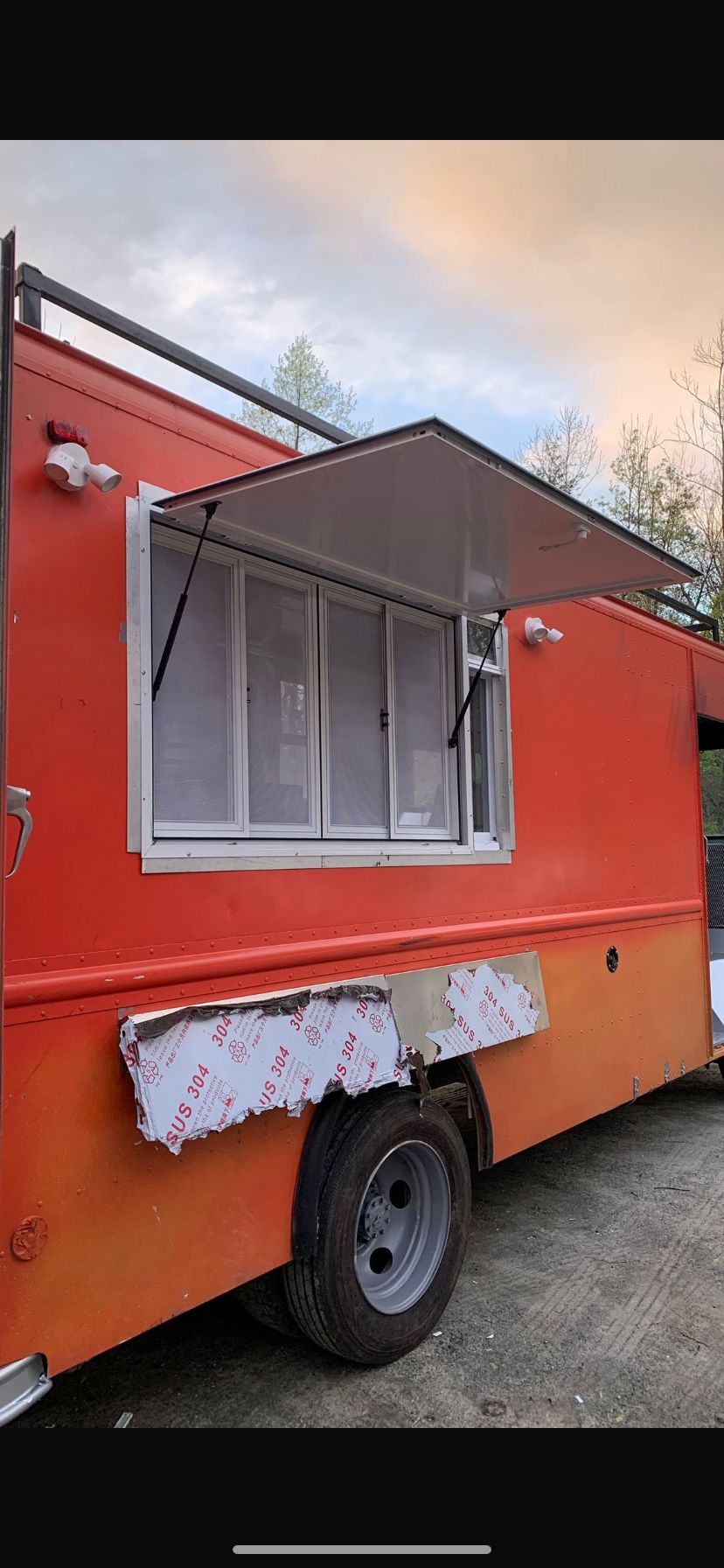
Vehicle plus full kitchen build: $55,000–$110,000 for a proper commercial setup. You're paying for the chassis, the engine, the DOT-compliant electrical, the fire suppression, the generator or shore power setup. If you want the real line-by-line, our breakdown of food truck build cost in 2026 goes deeper than any quote sheet you'll get from a builder.
So the trailer wins on paper by $30,000 to $60,000. Except — and this is the part that gets skipped — that savings evaporates fast if your location strategy requires a truck. A trailer that can't reach the customers is a $40,000 paperweight with a hitch.
Permits, inspections, and the traps that differ by state
This is where the food truck vs concession trailer comparison gets genuinely annoying, because the rules aren't the same and they aren't simple.
Food trucks usually need a motor vehicle registration, a commercial kitchen commissary arrangement in many jurisdictions, and a mobile food unit permit tied to the vehicle itself. Trailers often fall under a different classification — sometimes treated more like a temporary food establishment, sometimes requiring their own tow-and-set permits depending on where you park.
In Houston, a food truck permit and health inspection can run you a few hundred dollars and a couple of weeks if your kitchen is compliant. In parts of Washington state, the commissary requirement is stricter and can add real cost. Virginia splits the difference depending on county.
Don't guess here. Our guide to food truck permit requirements in Houston, VA, and WA lays out the specifics, because getting this wrong after you've built the kitchen is the most expensive mistake in the business.
Where the trailer quietly wins
I'll say it plainly: if your business is events, fairs, festivals, and fixed contracts, buy the trailer. Full stop.
Trailers give you more usable kitchen space per dollar. They're easier to level on uneven ground. They don't have an engine eating your maintenance budget. When something breaks in the kitchen, you fix the kitchen — not a transmission. For a caterer or a fair-circuit vendor, the trailer is the smarter machine, and pretending otherwise is just food-truck romanticism.
The catch is you need a tow vehicle and a place to store the trailer when it's not working. Storage in a metro area runs $150–$400 a month. That's a real line item people forget.
Where the truck wins and the trailer can't compete
If you're building a brand around being findable — chasing lunch crowds, hopping between breweries, showing up where the foot traffic is — the truck is the only answer. The trailer math falls apart the moment your revenue depends on moving two or three times a day.
And here's the thing about trucks that trailer buyers underestimate: your vehicle is your billboard. A well-designed wrap turns every red light and parking spot into marketing. That's a real revenue channel a parked trailer doesn't have. If you go the truck route, our piece on food truck wrap design is worth twenty minutes before you commit to a look.
One more: kitchen layout matters more in a truck because space is tighter. Get it wrong and your line cooks are stepping on each other during the Friday rush. Our guide to food truck kitchen layout for efficiency exists precisely because this is where new builds bleed time and money.
So which one is actually right for you?
It depends. And that's not a vague answer — it's a specific one tied to one question: do you need to move to make money?
If yes, food truck. If no, concession trailer. If you're honestly not sure yet, that uncertainty is the most important thing to resolve before you spend a dollar, because the food truck vs concession trailer decision is nearly impossible to reverse once the kitchen is built.
Most people I've watched succeed didn't pick the cheaper build. They picked the one that matched where their customers actually were — and then built the kitchen around that. If you want to talk through your specific concept before you commit, the team does mobile kitchen consultations that will save you more than they cost, and you can get a custom quote once you know which direction you're going.
The rig doesn't make the business. The location strategy does. Pick the build that serves the strategy — not the one with the friendlier price tag.