How much does a custom food truck actually cost in 2026? The numbers you see online are either five years old or written by someone who's never bought a single piece of equipment. You want the real breakdown? Here it is.
Let me be blunt: most people budget $50,000 and end up spending $85,000. That gap isn't bad luck. It's bad information. A
custom food truck cost breakdown 2026 starts with the chassis, moves through fabrication, and ends with equipment you actually need to pass inspection. And no, that $30,000 used truck on Facebook Marketplace isn't going to cut it.
The Chassis: Your Foundation Is Everything
You cannot skip this. The base vehicle determines how much weight you can carry, how much space you have to work with, and whether your truck will break down two weeks before your first catering gig.
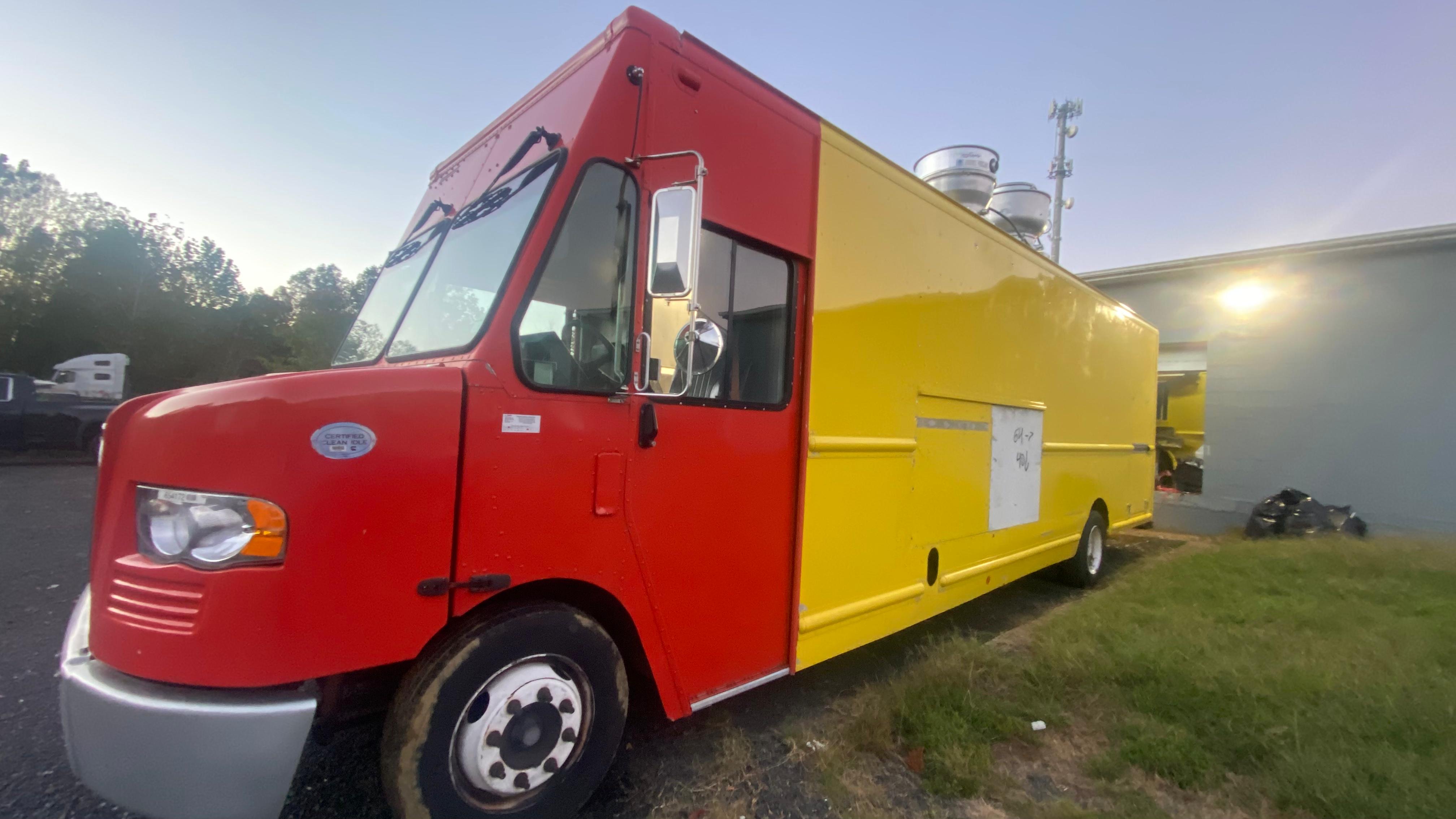
A used cargo van or step van in decent condition—think 2018 or newer, under 100,000 miles—will run you between $18,000 and $35,000 in Houston right now. If you want a box truck with a lift gate, add another $5,000 to $8,000.
Here's what nobody tells you: don't buy a truck that's already been converted. You're buying someone else's mistakes. Leaks, bad wiring, undersized electrical systems. Start with a clean slate. A fleet vehicle from a rental company or auction site is your best bet.
The Build-Out: Where the Real Money Goes
This is where the
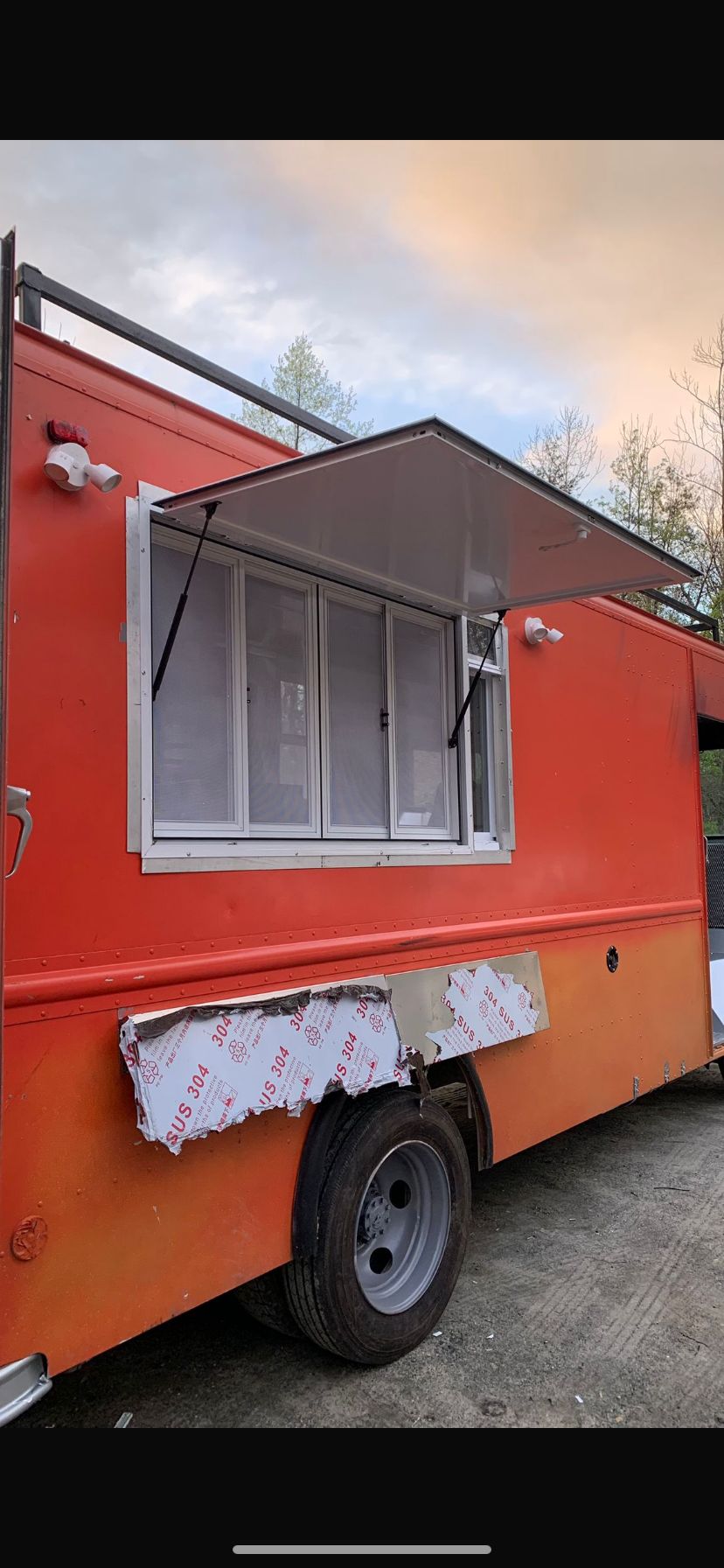
custom food truck cost breakdown 2026 gets real. A professional build-out from a reputable fabricator in Texas will cost between $30,000 and $60,000. That's for a 14-foot to 20-foot box. And no, that doesn't include equipment.
What you're paying for:
- Insulation and wall panels: $3,000 to $6,000
- Flooring that won't rot: $1,500 to $3,000
- Stainless steel counters and shelving: $4,000 to $8,000
- Plumbing system (fresh water, grey water, sink hookups): $3,500 to $6,000
- Electrical system (batteries, inverter, wiring, outlets): $4,000 to $8,000
- Exterior wrap and branding: $2,500 to $5,000
- Generator or shore power setup: $2,000 to $5,000
And here's the kicker: those prices assume you're working with someone who knows what they're doing. Cut corners here and you'll fail health inspection. Period.
The Exhaust Hood: Non-Negotiable and Expensive
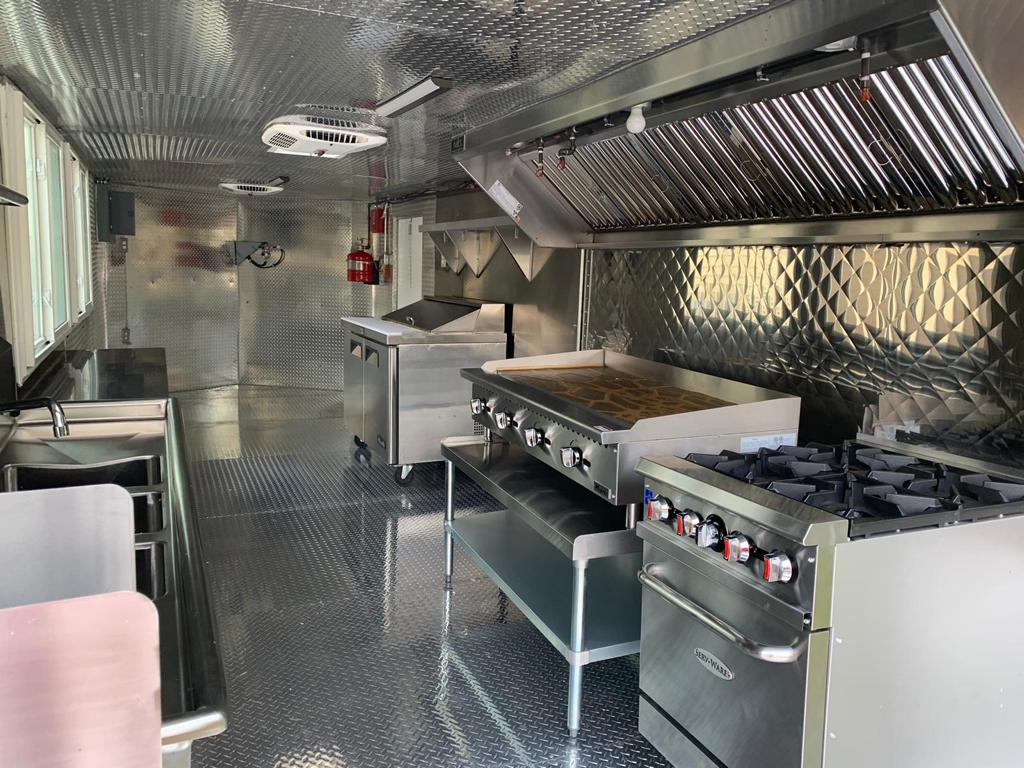
If you're cooking anything with grease, smoke, or steam, you need a Type I exhaust hood. That's not optional. In Houston, a properly installed commercial exhaust hood for a food truck will cost between $3,500 and $7,500 installed.
I've seen people try to save money here by buying a residential range hood. That's a $2,000 mistake that will cost you weeks of delay and a failed inspection. Don't do it.
If you want to understand exactly what goes into a proper installation, read our guide on
how to install a commercial exhaust hood in a food truck. It covers the fire suppression system requirements, clearance specs, and what inspectors actually look for.
Equipment: The Hidden Budget Killer
Your equipment list depends on your menu. But here's what a standard build looks like for a taco truck, burger truck, or BBQ concept:
- Commercial flat-top griddle: $1,200 to $2,800
- Deep fryer (double basket): $1,500 to $3,000
- Refrigerated prep table: $2,000 to $4,500
- Undercounter freezer: $1,500 to $3,000
- Commercial microwave: $400 to $1,200
- Three-compartment sink (required by code): $800 to $1,800
- Handwash sink (also required): $400 to $800
- Water heater: $500 to $1,200
Total equipment cost: $8,300 to $18,300. And that's if you buy smart. Don't buy the cheapest option. Buy the option that won't break in six months.
For a full breakdown of what equipment you actually need and how to install it properly, check out our
commercial kitchen equipment for food trucks installation guide. It covers voltage requirements, weight distribution, and placement strategies that most builders get wrong.
Permits, Licenses, and Inspections: The Part Everyone Forgets
You cannot operate a food truck in Houston without:
- A mobile food unit permit: $400 to $800 per year
- A health department inspection: $200 to $500 per visit
- A fire marshal inspection: $150 to $400
- A sales tax permit: free, but required
- A business license: $50 to $300 depending on your city
But here's the part nobody budgets for: the time. Getting through Houston's health inspection process takes 6 to 12 weeks if everything goes smoothly. Longer if your exhaust hood isn't up to code or your plumbing doesn't have proper backflow prevention.
If you're considering a trailer instead of a truck, the inspection process is different. Read our comparison on
food truck vs trailer for health inspection in Virginia to understand the differences—the principles apply in Texas too.
The Real Total: Let's Add It Up
Here's the honest
custom food truck cost breakdown 2026 for a mid-range build in Houston:
| Category | Low End | High End |
|----------|---------|----------|
| Used chassis | $18,000 | $35,000 |
| Build-out | $30,000 | $60,000 |
| Exhaust hood | $3,500 | $7,500 |
| Equipment | $8,300 | $18,300 |
| Permits & fees | $800 | $2,000 |
|
Total |
$60,600 |
$122,800 |
The average? Around $85,000. That's the number you should plan for. If you're budgeting $50,000, you're either buying a used truck that's already falling apart or you're not including the equipment you actually need.
Where You Can Save Money
Not everything has to be top-of-the-line. Here's where you can cut costs without cutting corners:
-
Buy a used chassis from a fleet auction. Companies like Penske and Ryder sell their vans at 60% of retail. You just have to be patient.
-
Do the electrical work yourself if you know what you're doing. But only if you actually know what you're doing. Bad wiring causes fires.
-
Skip the custom wrap for the first year. A clean, simple paint job costs $1,000. A full wrap costs $4,000. Upgrade later.
-
Buy used equipment from a restaurant liquidation sale. Restaurants close every week in Houston. Their equipment is often barely used and costs 40% less than new.
Where You Cannot Save Money
-
The exhaust hood. Non-negotiable. Buy the right one or fail inspection.
-
The plumbing. Leaks will destroy your truck and shut you down.
-
The electrical system. Undersized wiring causes voltage drops that kill your equipment.
-
The floor. Cheap flooring absorbs grease and bacteria. You'll fail health inspection within months.
Why Location Matters More Than You Think
Your costs vary dramatically depending on where you build. Houston is relatively affordable compared to California or New York. But even within Texas, prices differ. Austin fabricators charge 15% to 25% more than Houston builders. Dallas is somewhere in between.
If you're building in Washington state, the fabrication landscape is different. Our guide on
food truck fabrication companies in Washington state covers seven builders with different price points and specialties. The lesson: always get quotes from at least three fabricators, and always visit their previous builds in person.
The Question Nobody Asks: What Happens After Year One?
Most food truck owners fail because they don't budget for maintenance. Your generator needs servicing every 200 hours. Your tires need replacing every 18 months. Your exhaust hood needs professional cleaning every 90 days if you cook with grease.
Budget $3,000 to $5,000 per year for maintenance and repairs. If you don't, you'll be that truck on the side of the road with a blown transmission and a line of angry customers.
One More Thing
If you're serious about this, stop reading articles and start talking to people who actually build food trucks. Visit a fabrication shop. Look at the welds. Ask about the electrical system. Check the plumbing.
And when you're ready to get real numbers for your specific concept—not generic averages—
get a custom quote from a builder who knows the Houston market. The difference between a $60,000 truck that works and a $60,000 truck that doesn't is knowing exactly what you need before you start spending.
The
custom food truck cost breakdown 2026 is only useful if you apply it to your menu, your location, and your budget. Do that, and you'll be serving tacos before summer ends. Ignore it, and you'll be selling a half-finished truck on Craigslist by fall.
Your move.