Box Truck Food Truck Conversion: Real Costs and Trade-Offs
Most Box Truck Food Truck Conversion Advice Comes From People Who've Never Built One
Walk into any food truck Facebook group and ask about a box truck food truck conversion. You'll get twenty replies telling you to "just buy a step van" from people who have never welded a single frame. That advice is lazy, and it's often wrong.
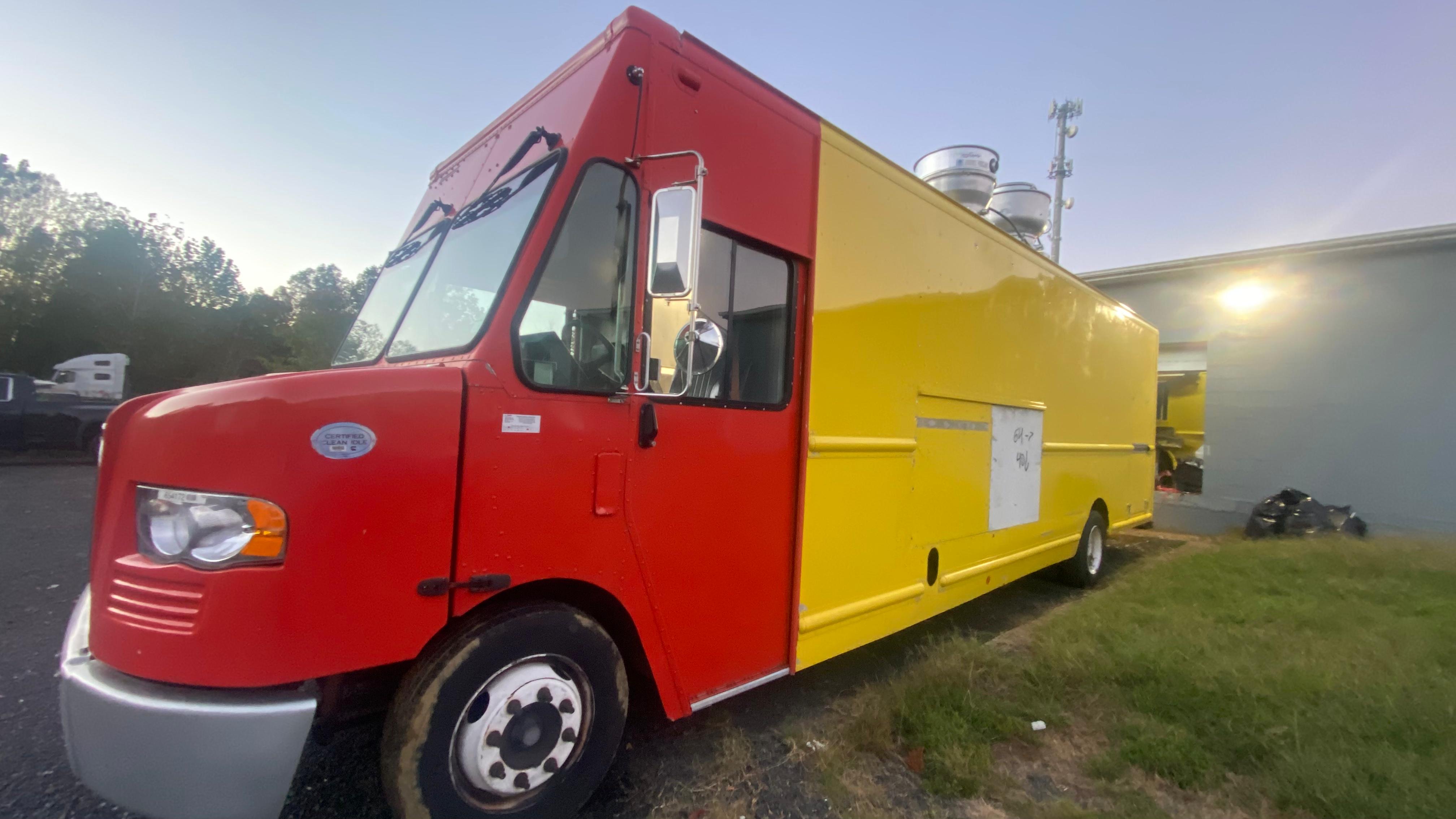
Here's the thing nobody says out loud: a box truck gives you more usable kitchen square footage per dollar than almost anything else on the road. A used 16-foot box truck with 120,000 miles runs you $8,000 to $18,000 in most U.S. markets in 2026. The same year and mileage on a step van? Double it, sometimes triple.
But that cheap shell hides a trap. And the trap is where most first-time builders lose their money.
The Real Numbers: What a Box Truck Conversion Costs in 2026
Let me give you concrete figures. These come from builds we've tracked across Texas, Florida, and the Pacific Northwest over the past 18 months.
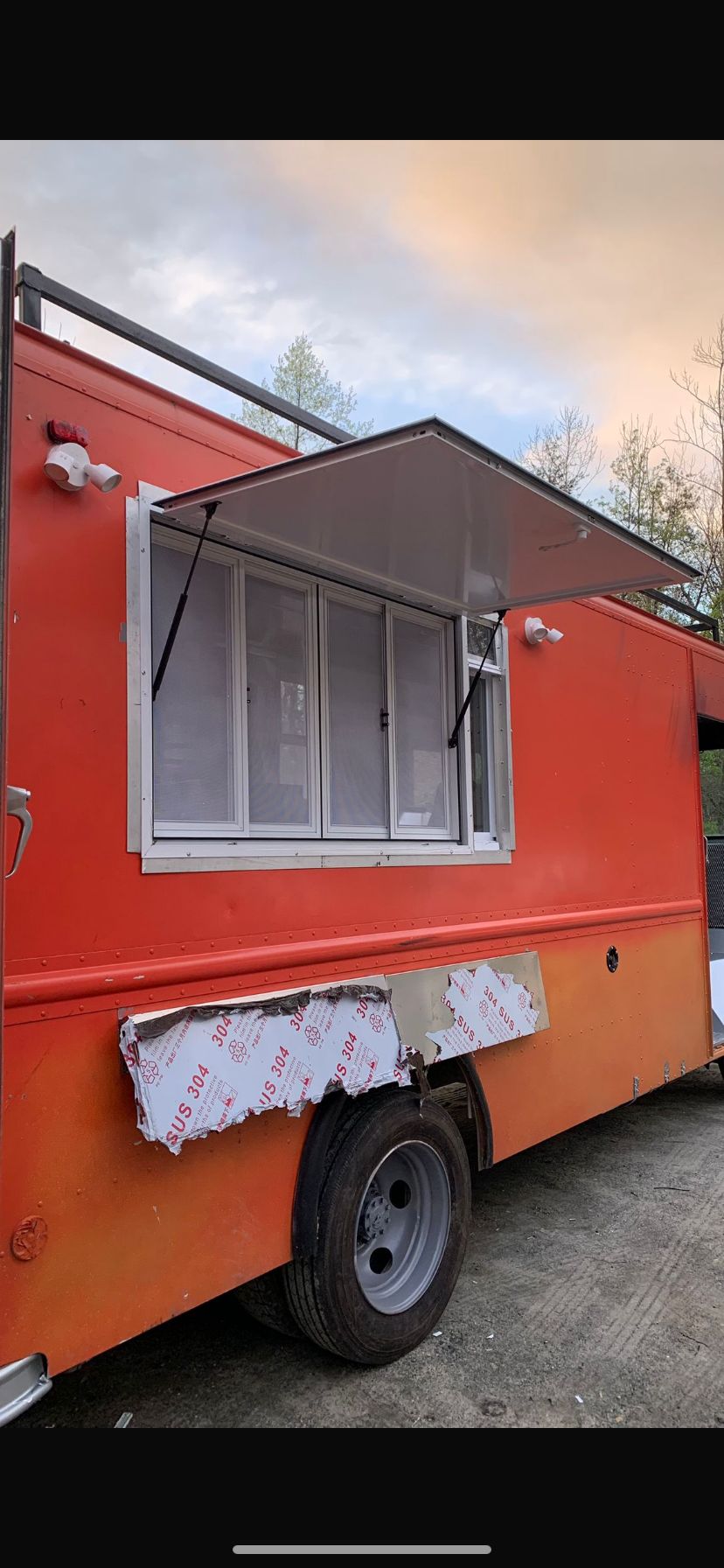
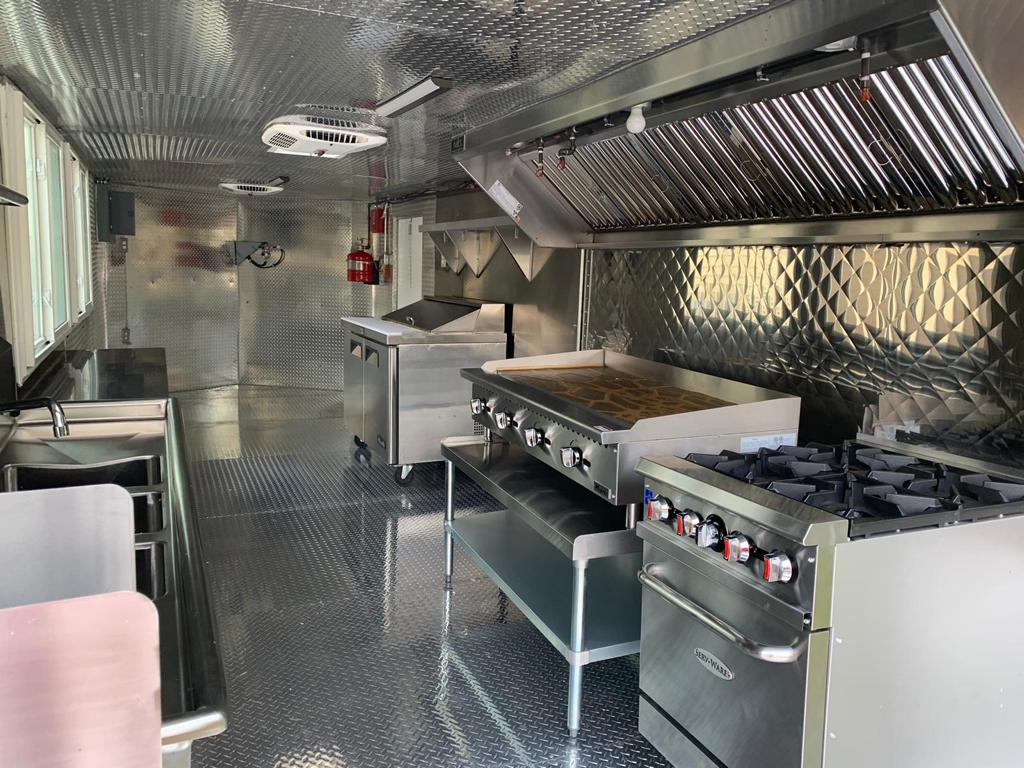
A basic box truck food truck conversion — insulation, plywood walls, commercial vinyl flooring, a 3-compartment sink, hand sink, two-burner range, hood system, and a 48-inch griddle — lands between $35,000 and $55,000 in labor and materials, assuming you're not doing the work yourself.
Add a generator (7kW diesel, around $6,500 installed), a 40-gallon freshwater system, and a point-of-sale setup, and you're at $48,000 to $68,000 all-in.
Go premium — full stainless interior, a 60-inch hood, double fryer, refrigerated prep, and a wrap — and you're looking at $75,000 to $95,000. That's real. That's what the invoice says.
Compare that to a concession trailer of similar size. A concession trailer with equipment typically runs $22,000 to $45,000 — cheaper upfront, but you need a tow vehicle and you lose the drive-away flexibility.
Where the Budget Actually Breaks
The single biggest cost overrun in a box truck build is the electrical system. Box trucks weren't designed to run commercial kitchen loads. A 220V fryer plus a griddle plus a refrigerator plus lights will pull 50 to 60 amps continuous. Most builders underestimate this by 30% and end up rewiring halfway through the build.
Second overrun: the hood and fire suppression. NFPA 96 compliance isn't optional, and a proper Type I hood with Ansul system runs $4,500 to $9,000 installed. Skip it and your health inspector shuts you down before your first service.
Why Weight Limits Kill More Box Truck Builds Than Anything Else
Here's the part that genuinely surprises people.
A 16-foot box truck on a 3500 chassis has a gross vehicle weight rating (GVWR) of around 12,000 to 14,000 pounds. The truck itself weighs 6,500 to 8,000 pounds empty. That leaves you 4,000 to 6,000 pounds of payload for the entire kitchen, water, propane, food, and staff.
Build a stainless-heavy kitchen and you can blow past that limit without realizing it. And once you're over GVWR, you're not just illegal — you're uninsurable. Most commercial policies void the moment you exceed the plate rating.
This is where a box truck food truck conversion differs from a trailer build. Trailers don't have this problem. Trucks do. Weigh your build at a CAT scale halfway through. It costs $12 and saves you $30,000 in rework.
Pros That Actually Matter (And the Ones That Don't)
The pros people list online are usually wrong. "More space" is vague. Here's what actually matters:
Real pro #1: You can stand up straight. A 16-foot box truck gives you 7 to 8 feet of interior height. Step vans average 6'2". If you're 6'1" and working 12-hour shifts, that difference is your spine.
Real pro #2: Resale holds better than you'd think. Box truck shells are commodity items. When you're done, the box still has value to a moving company or contractor. A custom-built step van interior doesn't.
Real pro #3: Easier to service. Any diesel mechanic in any city can work on a common box truck chassis. Try finding a step van specialist in rural Montana at 6pm on a Friday.
The pro that doesn't matter: "cheaper to buy." It's cheaper upfront. It's not cheaper total. Factor in the heavier build-out, the electrical upgrades, and the weight compliance work, and you're often within $5,000 of a comparable step van build.
What Nobody Warns You About Before You Start Cutting
Three things, in order of how much they'll cost you.
One: Health department rules vary wildly by state. If you're operating in Washington, you'll need to clear Washington State food truck health permit requirements before you even buy the shell — and they require a commissary agreement that many box truck owners don't plan for.
Two: Equipment placement in a box truck is harder than in a trailer because you have to work around the wheel wells and the cab. Get food truck equipment placement wrong and your cook line becomes a one-person bottleneck. We've seen kitchens lose 40% of their service speed to a badly placed fryer.
Three: Weather. A box truck handles wind better than a trailer, but the rear roll-up door is a thermal nightmare in cold climates. If you're operating in the northern states, read up on food truck vs trailer for weather before you commit — the difference in winter fuel costs alone can hit $400 a month.
And if you're hiring, don't underestimate how tight the box truck kitchen gets with two people inside. We covered this in our breakdown of food truck staffing requirements — the space math changes everything about your labor model.
So Who Should Actually Build One?
If you're planning a high-volume concept with a two- or three-person line, a box truck food truck conversion is genuinely the right call. The square footage wins.
If you're a solo operator running a coffee or dessert concept, you're paying for space you won't use. Buy a step van or a small trailer and pocket the $15,000 difference.
And if you're not sure which side of that line you fall on, this is exactly the kind of thing worth talking through before you spend a dollar on a shell. You can get a custom quote based on your actual menu and volume, or sit down for mobile kitchen consultations that walk through the weight math with your specific chassis in mind.
The build you don't regret isn't the cheapest one. It's the one that matched the truck to the concept before the first cut.