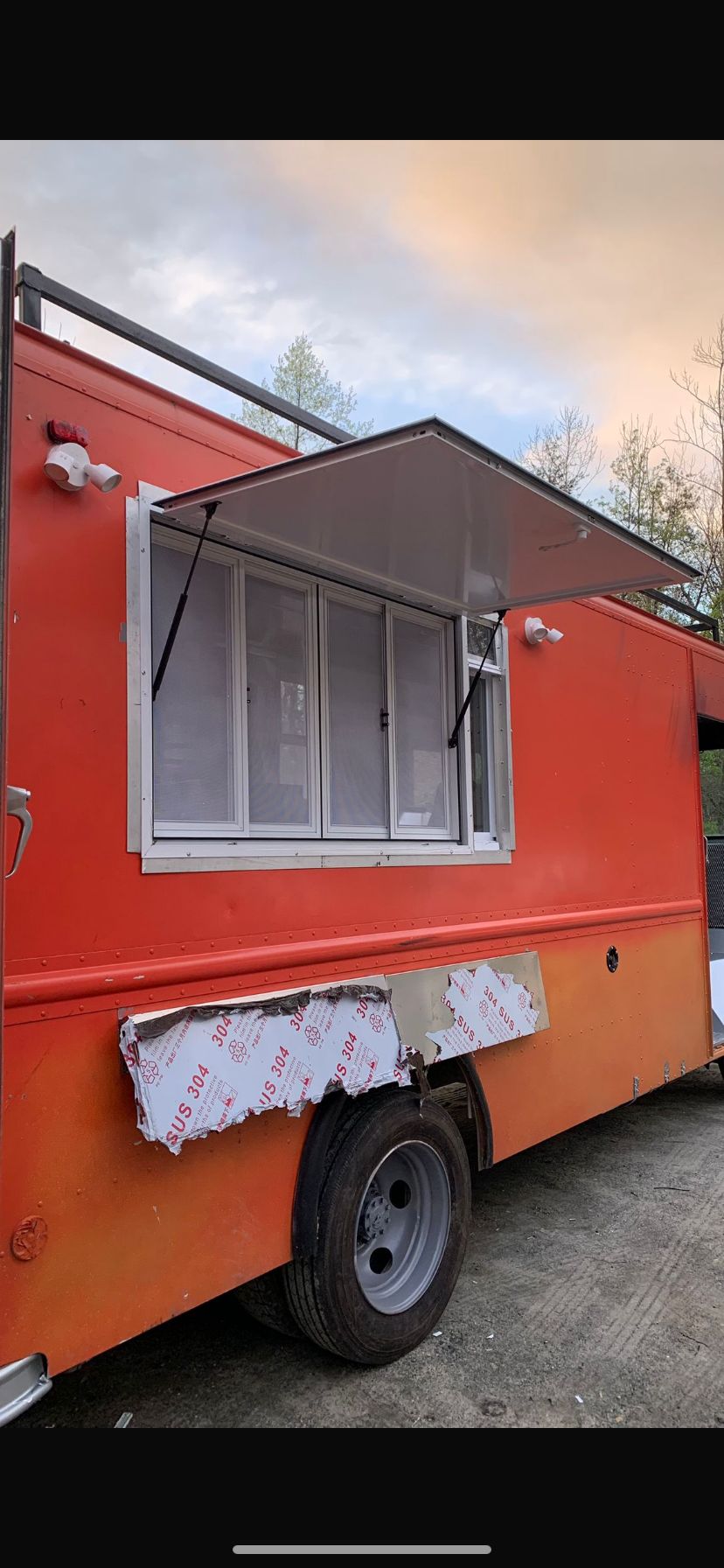
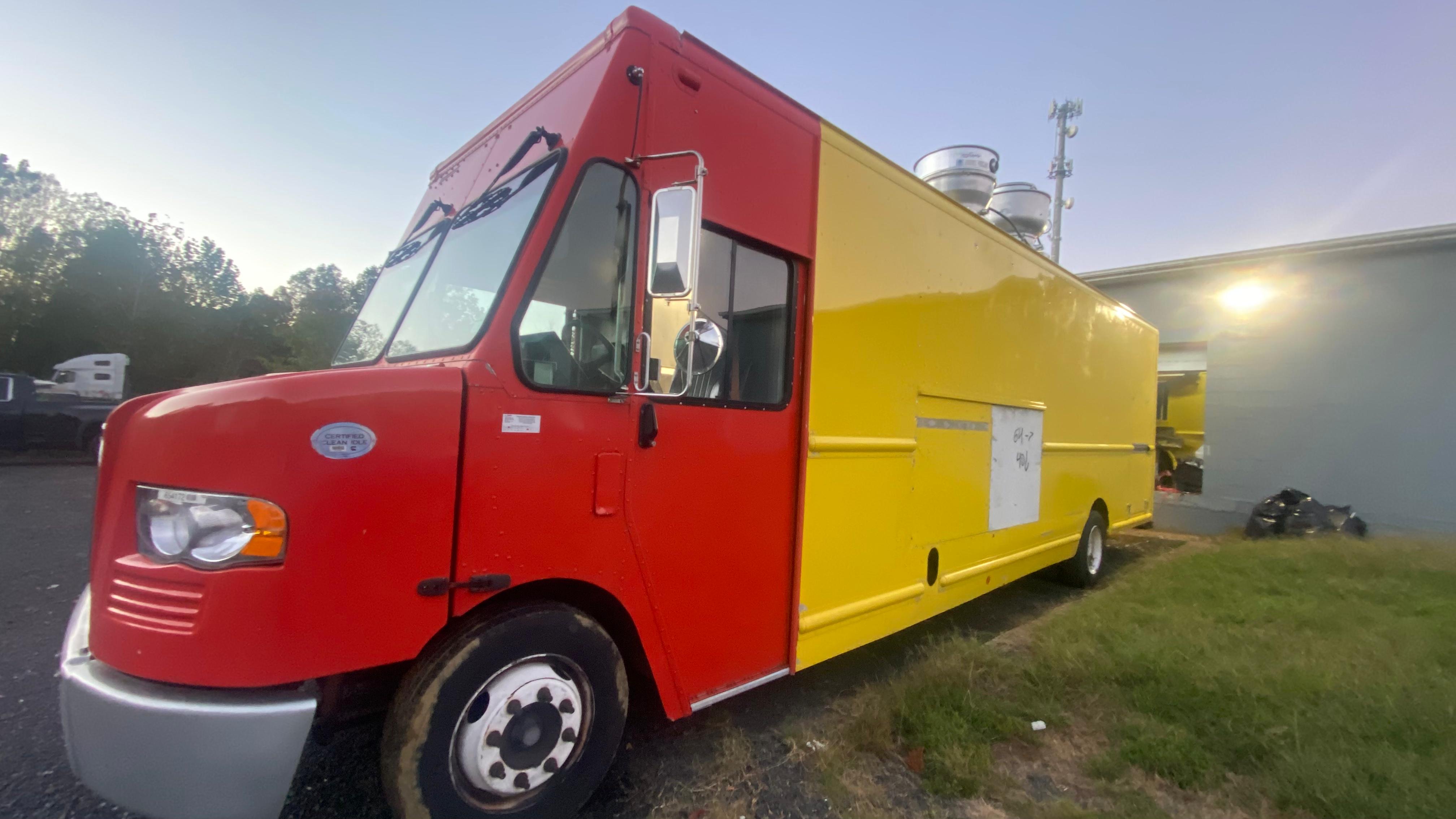
Food Truck Vs Trailer For Weather
Most food truck advice is written by people who've never spent a single night parked on asphalt during a Texas thunderstorm. The food truck vs trailer for weather debate isn't about aesthetics or curb appeal — it's about who survives when the thermometer hits 105°F or drops to 18°F with wind chill. And the answer might surprise you.
I've watched operators in Houston, Austin, and Dallas make this exact decision with $80,000 to $150,000 on the line. The wrong choice doesn't just mean uncomfortable shifts. It means equipment failures, spoiled inventory, and health code violations that shut you down.
Here's what nobody tells you until it's too late.
Why Trailers Actually Win in Extreme Heat
Let me give you a concrete example. A client in Phoenix runs a taco trailer with a 14-foot box. His kitchen stays 15 degrees cooler than a comparable food truck in the same parking lot. The reason isn't magic — it's physics.
A trailer sits lower to the ground. Less surface area is exposed to direct sunlight. A food truck, especially a step van conversion, has a massive metal box that absorbs solar radiation all day long. That's the difference between your fryer area hitting 118°F instead of 103°F.
But there's a catch. Trailers have a critical weakness when the sun goes down.
The Cold Weather Problem Nobody Mentions
When winter hits — and yes, it does hit in Texas — the food truck vs trailer for weather equation flips completely.
A trailer has minimal insulation under the floor. The wheels and frame create an air gap that sucks heat out faster than your propane heater can replace it. I've seen water lines freeze in a trailer at 28°F. In a food truck, the same incident happened at 22°F. That's a meaningful difference when you're serving breakfast tacos at 6am.
The real issue is condensation. Trailers breathe differently. The temperature differential between your cooking area and the cold undercarriage creates moisture. That moisture finds your electrical connections, your storage bins, and eventually your dry goods. One bad winter week can cost you $2,000 in ruined supplies and electrical repairs.
Wind Resistance: The Silent Decision Maker
Here's where the food truck vs trailer for weather conversation gets genuinely interesting. Wind affects these two formats in completely different ways.
A food truck is a self-contained unit. Wind pushes against it, but the vehicle's weight and suspension absorb the force. You stay put.
A trailer is a different beast. In a 40 mph gust — which Houston gets about 15 times a year — a trailer acts like a sail. I've seen a 20-foot trailer shift six inches on level ground during a storm. That's not just dangerous. It's a liability nightmare.
The fix requires investing in stabilizer jacks and wheel chocks rated for commercial use. That adds $600 to $1,200 to your build. Most operators don't budget for this because they're thinking about weather as temperature, not as force.
What Your Water System Thinks About Climate
Here's the part that connects directly to your daily operations. The food truck vs trailer for weather decision affects your plumbing more than anything else.
In a food truck, your water tanks are mounted inside the vehicle frame. They benefit from the ambient heat of your cooking equipment. In a trailer, the tanks sit exposed to open air underneath. When that north wind blows through, your water temperature drops fast.
This isn't just about comfort. It's about your water tank installation and whether you've chosen the right size and insulation. A 40-gallon tank in a trailer needs 2-inch foam insulation wrap. That's a $300 upgrade most people skip. Then they wonder why their pressure drops in January.
The flip side? In summer, trailer tanks stay cooler because they're shaded by the trailer body. Food truck tanks heat up from engine heat transfer. If you're serving cold drinks, that's a real problem.
The 2026 Reality: What Builders Are Doing Now
The market has shifted in the last 18 months. Builders are now offering hybrid solutions that blur the line between truck and trailer. You're seeing more trailer builds with truck-grade insulation packages, and more food trucks with trailer-style ventilation systems.
The cost difference matters. A properly insulated food truck runs you $95,000 to $180,000 depending on equipment. A comparable trailer with commercial-grade insulation and wind stabilization runs $55,000 to $110,000. That's a 40% savings that could fund your first two years of equipment package pricing.
But here's the honest truth: if you're planning to operate year-round in a place like Amarillo or Lubbock, the food truck is the safer bet. The enclosed cab and engine block provide a thermal buffer that a trailer simply cannot match. If you're in a coastal climate like Galveston or Corpus Christi, the trailer's lower profile and better airflow make it the smarter play.
How to Decide Based on Your Actual Route
Stop thinking about climate in the abstract. Think about your specific parking spots.
Are you serving at construction sites? Those are exposed lots with zero shade. The trailer wins here because you can position it to minimize sun exposure.
Are you doing breweries and event spaces? Those usually have partial cover or buildings that block wind. The food truck wins because you don't need to worry about trailer sway on uneven surfaces.
Are you planning to convert an existing trailer? Then your weather strategy changes completely. A conversion lets you retrofit insulation and climate control from the start. That's your chance to build for your specific weather reality instead of inheriting someone else's compromises.
The Cost of Getting This Wrong
Let me give you a real number. A food truck operator in Dallas lost $14,000 in one winter because his trailer's water lines froze, his electrical system shorted, and he had to cancel 11 catering contracts. He had the cheaper setup. He paid for it three times over.
Meanwhile, a barbecue truck in San Antonio spent $4,200 on a proper insulation package, heated water tank system, and wind stabilization. They've operated through two winters without a single weather-related shutdown. The upfront cost paid for itself in avoided downtime.
This is why the food truck vs trailer for weather question isn't about which is objectively better. It's about matching your equipment to your operating reality.
What You Should Do Before You Commit
If you're in the planning phase, get mobile kitchen consultations before you sign anything. A good consultant will ask about your route, your seasons, and your menu before they ever talk about builds. That's the difference between buying a solution and buying a problem.
Also, look at Houston's licensing requirements if you're operating in Texas. Some municipalities have specific inspection requirements for trailers vs trucks, and those rules change based on weather-related equipment like ventilation and water heating.
And if you're designing for cold weather specifically, read up on food truck design for cold weather. It covers insulation R-values, heating system sizing, and door sealing in a way that's actually practical.
Here's the bottom line. The food truck vs trailer for weather decision comes down to one question: what's your worst-case day? If it's a 110°F afternoon in July, buy a trailer. If it's a 20°F morning in January, buy a truck. And if you're not sure which one you'll face more often, ask someone who's been through both. They'll tell you the same thing I'm telling you now — there's no universal right answer, only the answer that's right for your specific route, your specific menu, and your specific tolerance for waking up at 4am to check if your pipes froze.
The operators who thrive aren't the ones who bought the "better" format. They're the ones who bought the format that matches their weather reality. That's the difference between a business that survives its first year and one that becomes a neighborhood institution.
Te puede interesar: Food Truck Safety Checklist
Te puede interesar: Food Truck Success Tips
Te puede interesar: Food Truck Vs Concession Trailer