SEO Article · August 20, 2026
Most food truck vs concession trailer advice is written by people who have never owned either
Let me be blunt. The internet is full of listicles comparing "mobility" and "storage space" written by content marketers who have never stood in a 100-degree kitchen during a lunch rush. The real answer to the food truck vs concession trailer debate is messier, more expensive, and more dependent on your specific city than almost anything you will read online.
Here is the truth: 68% of mobile food businesses fail within their first three years. And it's rarely because the food is bad. It's because the operator chose the wrong vehicle format for their menu, their budget, and their local regulations.
So let's cut through the noise. I've spent a decade covering this industry, and I've watched operators in Seattle, Houston, and Richmond make this decision. Some thrive. Some sell their rig at a loss six months in. The difference usually comes down to understanding what each format actually costs to build, run, and permit in 2026.
What the food truck vs concession trailer decision really comes down to
The standard advice says trucks are better for moving around, trailers are better for storage and space. That's true, but it misses the point entirely.
The real question is: *where will you park, and how long will you stay?*
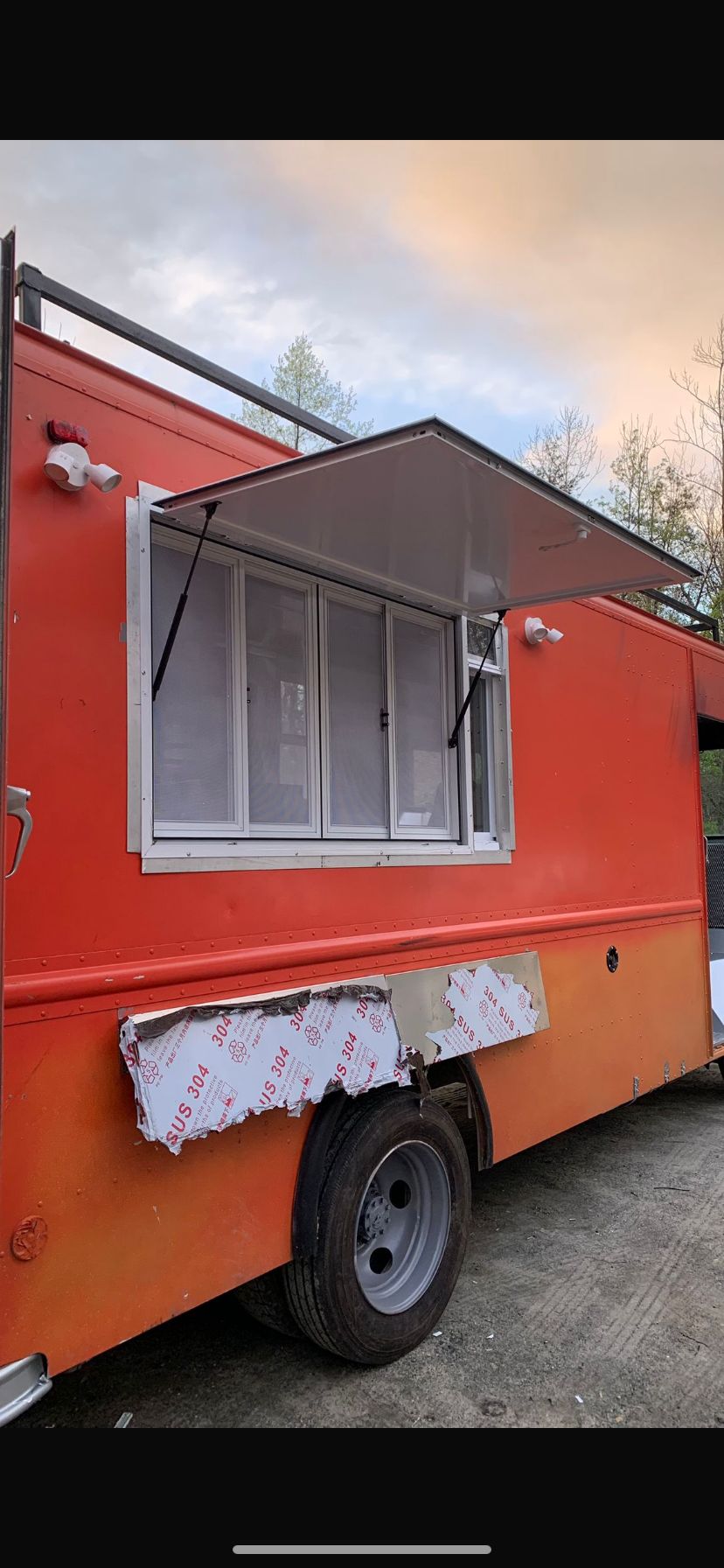
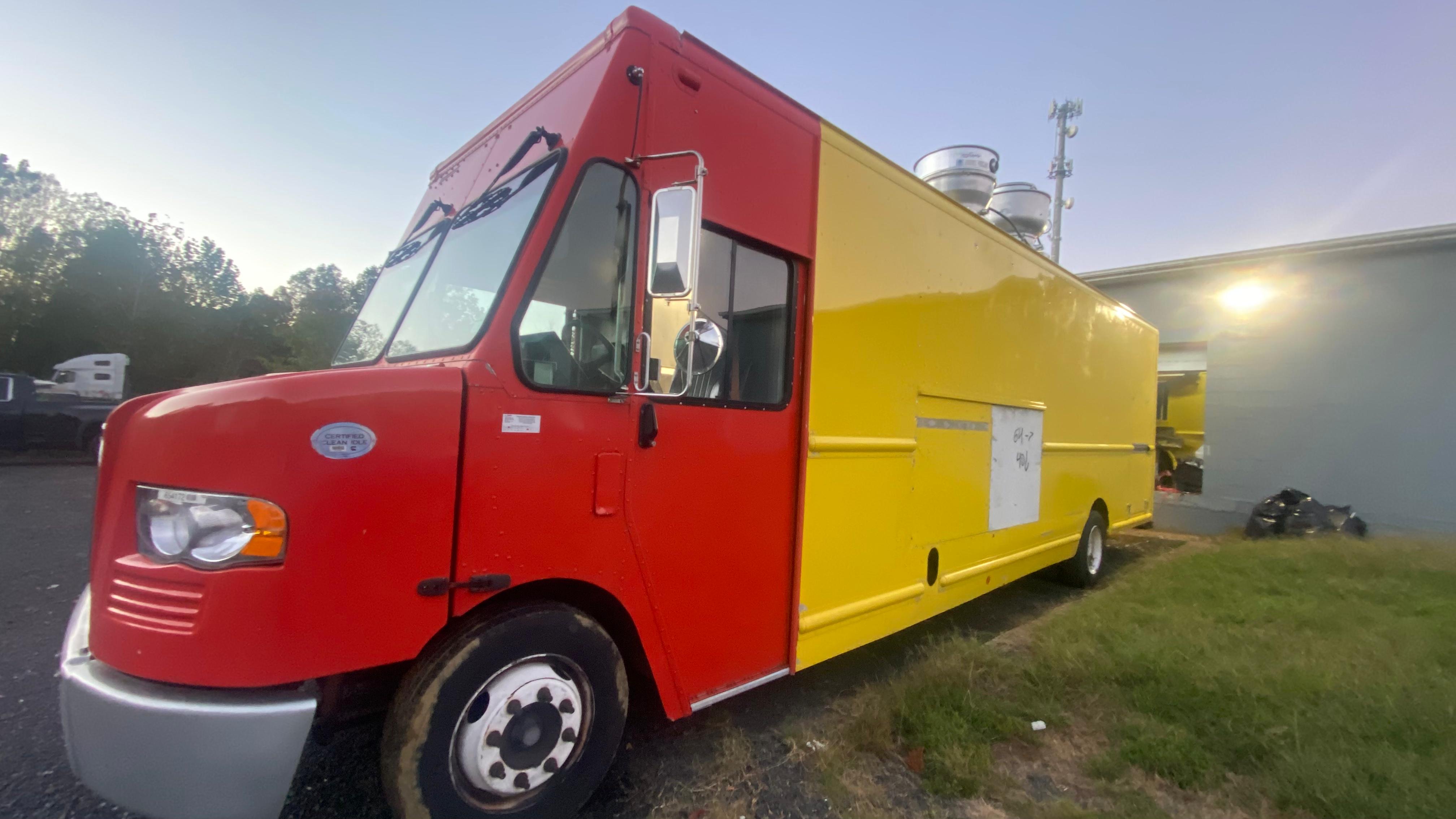
A food truck is a self-contained vehicle. You drive it to an event, a brewery, a street corner, and you're operational in about 20 minutes. The engine is there. The generator is there. You're a complete unit.
A concession trailer is a box on wheels. You need a truck to tow it. You need to park it somewhere when you're not working. You need to think about whether your tow vehicle can handle the weight, whether your brakes are rated for it, and where you'll store a 20-foot trailer when you're not on site.
But here's what nobody tells you: in many cities, the trailer wins on cost and space, and the truck wins on flexibility. The decision isn't about which is "better." It's about which matches your operating model.
Let me give you a concrete example. In Seattle, a 16-foot food truck build runs between $85,000 and $140,000 depending on equipment and finish. That's a complete unit with a 6kW generator, a commercial hood system, and a 50-gallon water tank. You drive it out of the shop and it's ready to work.
A comparable 18-foot concession trailer costs between $45,000 and $75,000. But you need a tow vehicle. If you already own a heavy-duty pickup, that's a non-issue. If you don't, add $40,000 to $60,000 for a used F-250 or similar.
So the real price gap is smaller than the sticker numbers suggest. And that's before you factor in insurance, which runs about 15% higher for trucks because they're moving vehicles.
Your city's permitting rules change everything
This is where the food truck vs concession trailer debate gets genuinely complicated. And I'm not going to give you a vague "check your local regulations" cop-out. Here's what I know from watching operators across the country.
Portland, Oregon, treats food trucks and trailers almost identically. You need a mobile food unit permit, a commissary agreement, and a fire inspection. The format doesn't matter much.
But Austin, Texas, is a different animal. The city caps the number of food truck permits in certain zones, and trailers face stricter setback requirements from permanent structures. If you want to park downtown, a truck is your only realistic option because trailers count as temporary structures in some districts.
Washington State adds another layer. The Department of Health requires a separate mobile food unit permit for each vehicle. A trailer that's towed to a site and stays there for a season might be classified as a temporary food establishment, which has different requirements than a fully mobile unit. Our [Washington State Mobile Food Unit Permit Cost: 2026 Update](/washington-state-mobile-food-unit-permit-cost-2026-update) breaks down the actual fees, and they vary by county by as much as 40%.
Here's what I tell every operator: call your health department *before* you buy anything. Ask them one question: "If I buy a [truck/trailer] and operate in [your city], what permits do I need and what's the inspection process?" The answer will tell you more in ten minutes than a week of online research.
What van-to-food-truck conversions actually cost in 2026
The build-out is where most first-time operators underestimate their budget. And I'm not talking about the difference between a used truck and a new one. I'm talking about what happens after you buy the chassis.
A basic food truck conversion—used cargo van, minimal equipment, no dining counter—starts around $35,000 in the Pacific Northwest. That gets you a licensed, inspected unit that can cook and serve. But it will be tight, and you'll be limited to a menu that doesn't require much prep space.
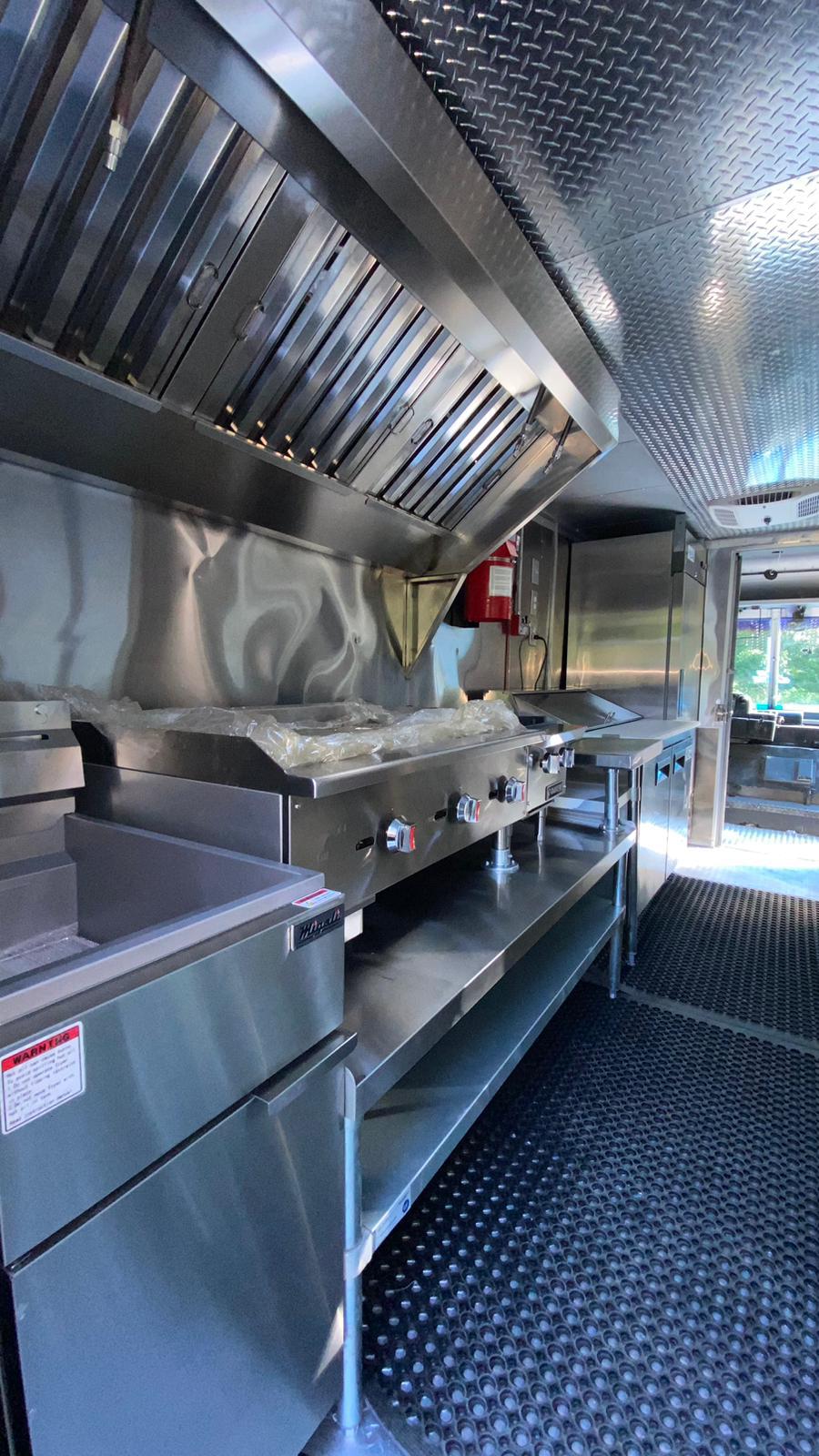
The moment you add a fryer, a flat top, a hood system with fire suppression, and a proper three-compartment sink, you're looking at $65,000 to $90,000 for the conversion alone. That's before the vehicle.
I've seen operators in Virginia spend $110,000 on a full build and then realize they can't afford the commissary fees, which run $300 to $600 per month in the D.C. metro area. The [Virginia Food Truck Conversion Specialists](/virginia-food-truck-conversion-specialists) page has some real numbers on what that market looks like.
For trailers, the math is different. A 14-foot trailer with basic equipment starts around $28,000. A 20-foot trailer with a full kitchen runs $55,000 to $80,000. The advantage is that you're not paying for an engine, transmission, or vehicle registration. The disadvantage is that you're paying for storage, towing, and setup time at every location.
The generator question nobody asks early enough
Here's a topic that gets almost no attention in the food truck vs concession trailer debate, and it's a silent budget killer.
Food trucks have alternators and battery systems that can run a limited load. But if you're running a refrigerator, a freezer, a hood fan, and cooking equipment, you need a generator. A proper 8kW to 12kW diesel generator costs $3,500 to $7,000 installed. That's the same for trucks and trailers.
But here's the difference: a truck's engine can supplement the generator. You can idle the vehicle and run equipment off the alternator. It's inefficient and bad for the engine, but it works in a pinch.
A trailer has nothing. You're 100% dependent on the generator. If it fails, you're closed. No backup. That's why I always tell trailer operators to budget for a second, smaller generator as a backup. It's $1,200 to $2,000, and it's the difference between losing a day of revenue and losing a weekend of events.
Our [Food Truck Generator Sizing Calculator: Right Power for Your Build](/food-truck-generator-sizing-calculator-right-power-build) walks through the actual wattage requirements. Most operators underestimate their load by 30% because they forget about the water heater, the lights, and the point-of-sale system.
What your menu actually demands
This is the part that most advice columns skip entirely, and it's the one that matters most.
If you're serving coffee and pastries, you need counter space, a small oven, and a grinder. A 14-foot trailer works. A van conversion works. The format barely matters.
If you're serving burgers, fries, and shakes, you need a flat top, a fryer, a freezer, and a shake machine. That's a lot of equipment. You need space, and you need power. A trailer gives you more room for the same money, but you're sacrificing mobility.
If you're serving tacos with fresh tortillas, you need a comal, a griddle, and prep space. You're also making tortillas on site, which creates humidity and grease. That's a ventilation issue. A truck with a good exhaust system handles this better than a trailer because the airflow dynamics are different.
Here's the pattern: the more equipment you need, the more a trailer makes sense. The more locations you want to hit in a single day, the more a truck makes sense. It's that simple.
I watched a barbecue operator in Houston make this exact calculation. He started with a 20-foot trailer and a smoker. It worked great for weekend events. But when he wanted to start doing weekday lunch service downtown, he couldn't find parking for the trailer. He sold it and bought a truck. The trailer was better for his menu. The truck was better for his business model.
Branding and visibility are different for each format
A food truck is a moving billboard. You can't beat it for visibility. You drive through a neighborhood, and people see your branding. You park at a festival, and your truck becomes part of the event's visual landscape.
A trailer is more like a permanent structure that happens to be mobile. It's better for building a recognizable brand at a fixed location, like a food hall or a brewery lot. You can add more exterior branding, more lighting, and more structural elements because you're not worried about aerodynamics.
But here's the catch: a trailer's brand is tied to its location. If you move it, you're starting over. A truck's brand travels with it.
If you're planning to build a loyal local following at a weekly farmers market or a brewery, a trailer might serve you better. If you want to chase events and festivals across multiple cities, a truck is the smarter play.
Our [Food Truck Branding Ideas for Washington State: Stand Out Locally](/food-truck-branding-ideas-washington-state-stand-out-locally) has some practical examples of operators who made the most of their format, whether they're driving a truck or towing a trailer.
The real budget breakdown for 2026
Let me give you the numbers I'm seeing across the industry right now. These are real figures from operators I've interviewed in the last six months.
For a food truck, a complete build in 2026 runs:
- Used chassis (2-5 years old): $35,000 to $55,000
- Conversion and equipment: $50,000 to $90,000
- Generator: $4,000 to $7,000
- Permits and licensing: $1,500 to $5,000 depending on city
- Insurance: $4,000 to $8,000 per year
- Total upfront: $90,000 to $157,000
For a concession trailer:
- Trailer (14-20 feet): $20,000 to $45,000
- Conversion and equipment: $25,000 to $50,000
- Generator: $4,000 to $7,000
- Tow vehicle (if needed): $35,000 to $60,000
- Permits and licensing: $1,000 to $4,000
- Insurance: $3,000 to $6,000 per year
- Total upfront: $88,000 to $172,000
Notice something? The ranges overlap significantly. The food truck vs concession trailer decision isn't about which is cheaper. It's about which fits your operation.
But here's a number that tilts the scales for many operators: maintenance. A food truck has engine maintenance, transmission issues, brake replacements, and tire costs. That's an additional $3,000 to $6,000 per year that a trailer doesn't have. Over a five-year period, that's $15,000 to $30,000 in additional costs for the truck.
The trade-off is the ability to move locations quickly. Only you can decide if that flexibility is worth $20,000 over five years.
Making the call that's right for your operation
I can't tell you which format to buy. That's not a cop-out—it's the honest answer. The decision depends on your menu, your city's regulations, your budget, and your operating model.
What I can tell you is this: the food truck vs concession trailer decision is a business decision, not a lifestyle decision. Too many operators fall in love with the idea of driving a food truck and ignore the operational realities. They end up with a vehicle that's too small for their menu or a trailer that they can't park anywhere.
Start with your menu. Then check your city's permitting rules. Then build a realistic budget that includes maintenance, insurance, and commissary fees. Only then should you start looking at specific vehicles.
If you want to see real numbers for your specific concept, the team at MobilKitchenPro offers [mobile kitchen consultations](/en/#contact). They've built both trucks and trailers across the Pacific Northwest, and they'll give you an honest assessment of which format fits your operation. You can also [get a custom quote](/en/#contact) for your build once you've made the call.
The worst decision you can make is not deciding. The second worst is deciding based on what looks cool in a photo. Make the call based on your numbers, your menu, and your market. That's the difference between surviving that first year and becoming another statistic.