SEO Article · August 22, 2026
How Much Does It Really Cost to Open a Food Truck? Nobody Gives You the Real Number
You've heard the food truck success tips before. "Find your niche." "Perfect your menu." "Post on Instagram." All true, sure—but none of that matters if your wheels are sitting in a shop for three weeks because the generator you bought can't power your fryer.
The real food truck success tips aren't about branding. They're about math, permits, and power systems. The stuff nobody puts on a Pinterest board.
Here's the number nobody mentions: the average cost to build a food truck in 2026 runs between $85,000 and $185,000 depending on your concept, equipment, and whether you buy used or custom-build. That's before a single ingredient hits your fridge. And in cities like Seattle or Austin, you can add another $10,000 to $15,000 for permits and initial licensing before you legally serve your first taco.
If that number makes you blink, good. You need to see it before you commit.
What Van-to-Food-Truck Conversions Actually Cost in 2026
Let's get specific about the three paths to owning a truck, because "buying a food truck" isn't one thing.
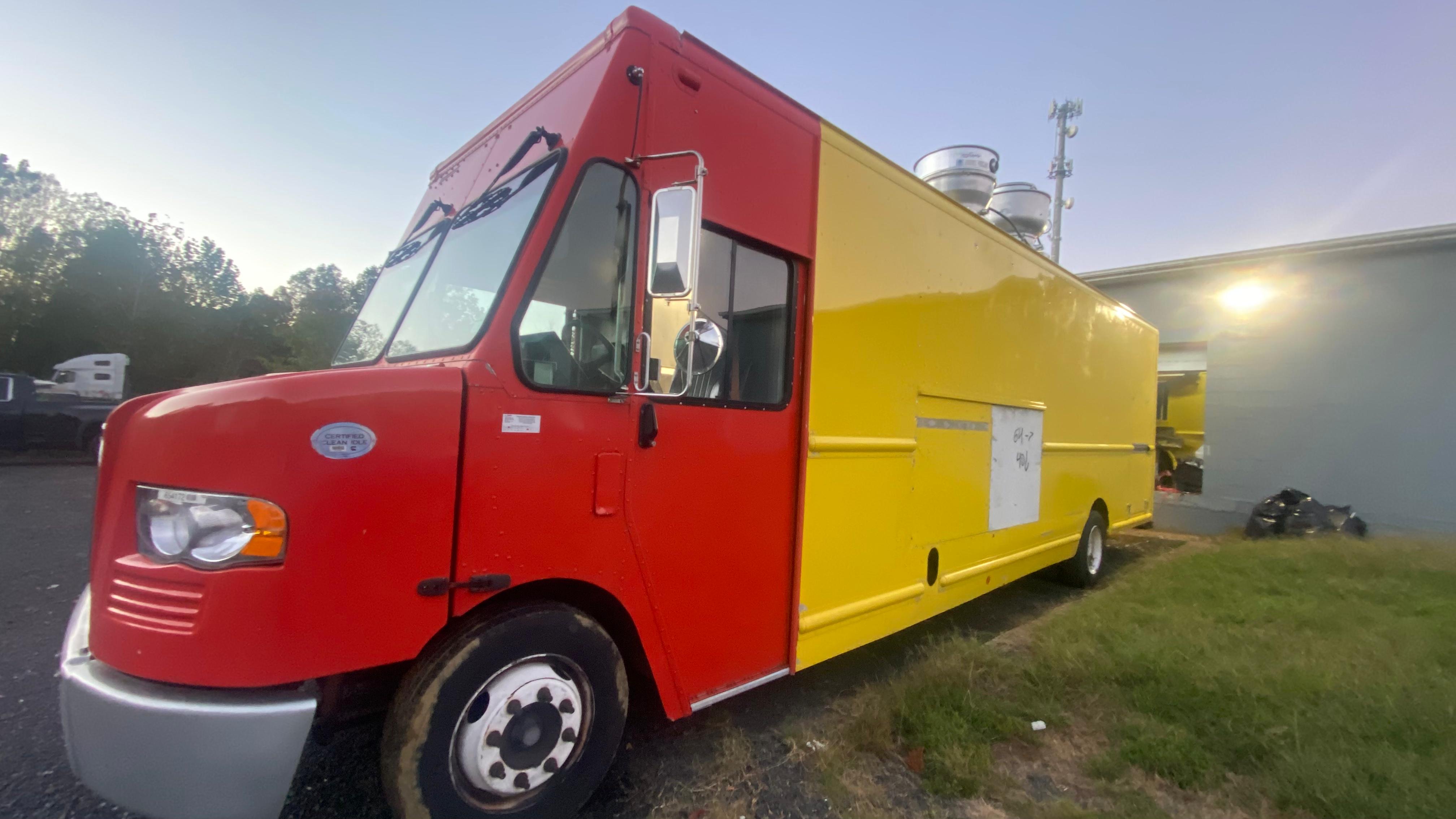
Path one: Buy used. A pre-owned truck in decent shape runs $40,000 to $90,000. The catch? You're inheriting someone else's problems. A 2019 truck I inspected in Richmond had a beautiful wrap and a brand-new menu board—but the electrical system was undersized for the equipment it carried. The owner had been running it that way for a year, tripping breakers during every lunch rush.
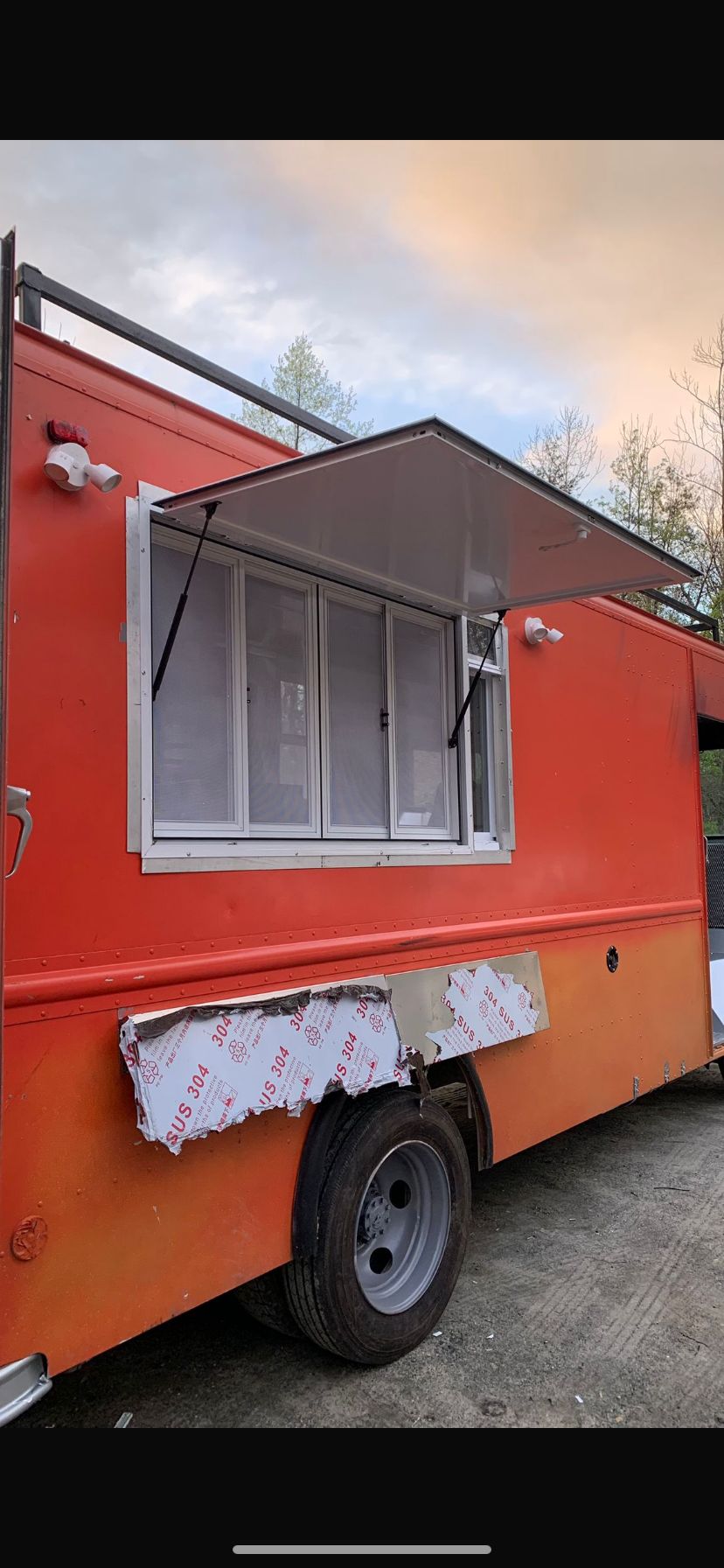
Path two: Convert a cargo van. This is where smart money goes in 2026. A used Sprinter or Ford Transit van costs $25,000 to $40,000. The build-out—insulation, kitchen equipment, plumbing, electrical—adds another $35,000 to $70,000 depending on your menu. Total: roughly $60,000 to $110,000.
Path three: Custom build. This is the "no compromises" route, and it's where costs balloon fast. A fully custom trailer or truck build from a specialist shop starts around $95,000 and easily crosses $150,000 with commercial-grade equipment and proper ventilation.
The least expensive path isn't always the smartest. A truck that needs $20,000 in repairs in year one isn't a bargain.
The Hidden Costs That Kill Food Trucks in Their First Year
Here's where most food truck success tips go quiet. The truck itself is maybe 60% of your startup cost. The rest is a swamp of fees and infrastructure that surprises first-time owners.
Commissary kitchen rental: Most cities require you to operate from a licensed commissary. In Virginia Beach, that runs $400 to $900 per month. In Seattle, plan for $600 to $1,200.
Permits and licenses: A mobile food unit license in Washington State costs $601 for the initial application plus $344 annually. That's just the state. Your city and county will want their cut too. Some municipalities charge $500 to $2,500 per year for a vending permit.
Insurance: Commercial auto insurance for a food truck runs $3,000 to $7,000 annually. General liability adds another $1,200 to $2,500. Don't skip this. One slip-and-fall lawsuit ends your business faster than bad barbecue.
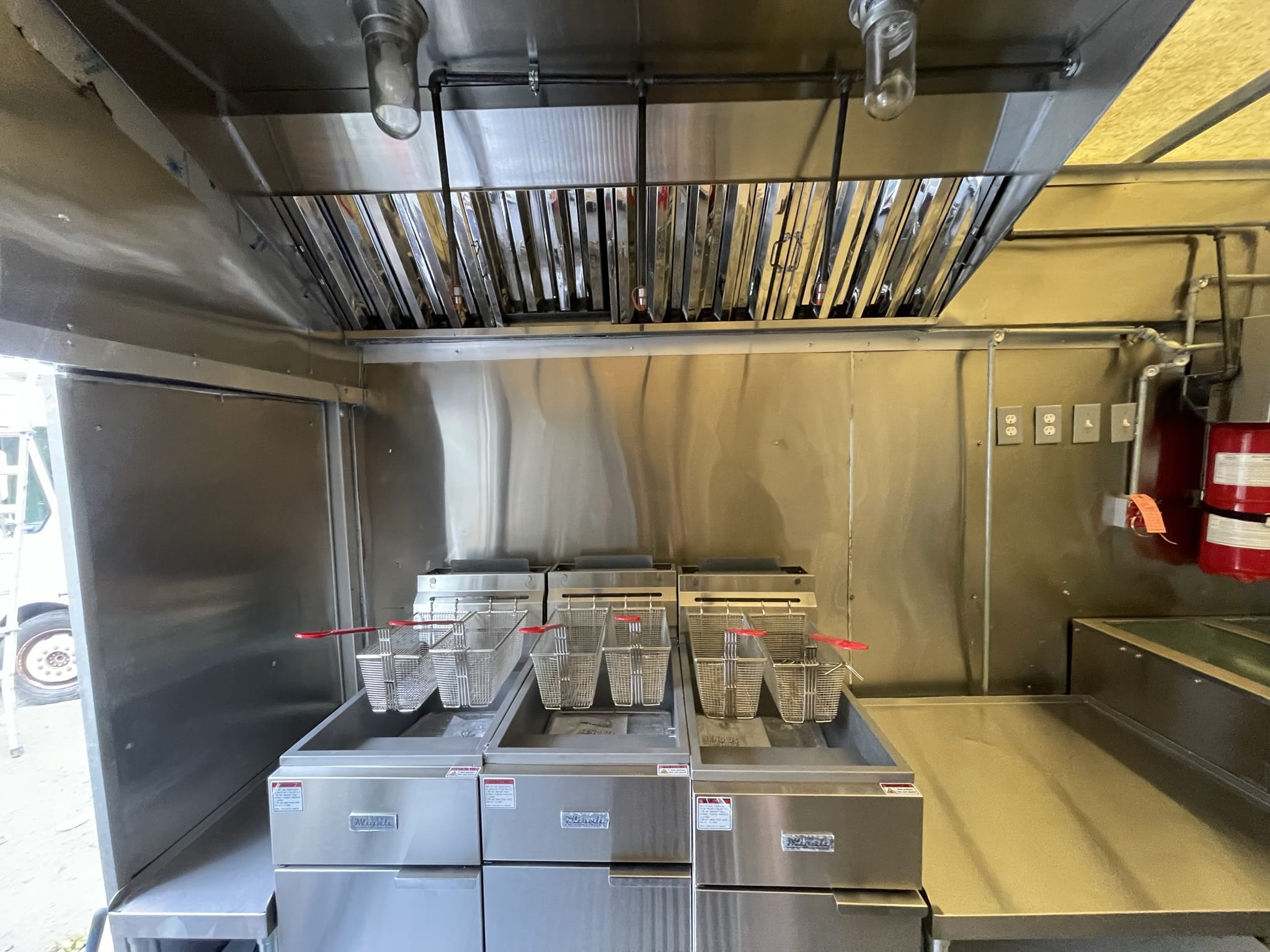
Generator and power: This is the silent budget killer. A proper commercial generator rated for your equipment costs $3,000 to $8,000. Most first-time owners undersize this. Then they wonder why their refrigeration is struggling on a 95-degree July afternoon in Norfolk.
If you're building a truck, your generator sizing isn't a guessing game—it's a calculation based on your equipment's starting and running wattage. Get this wrong and you'll pay twice.
Food Truck Success Tips That Actually Matter: Location Math
You can have the best brisket in the state. If you're parked in the wrong spot, nobody eats it.
The equation is simple: foot traffic × average ticket × hours served = your daily ceiling. But the variables are brutal.
A prime downtown lunch spot in Washington, D.C. can cost $300 to $600 per day in permit fees or private lot rentals. That means you need to sell 100 sandwiches at $12 just to cover your spot before paying for food, labor, and the truck itself.
The smarter play in 2026 is diversification. Breweries, construction sites, office parks, and event catering fill the gaps that street vending leaves open. Catering alone can add $2,000 to $8,000 per month for trucks that actively pursue it. Corporate clients pay premium rates and book weeks in advance.
That's the growth strategy that separates trucks that survive from trucks that sell off their equipment within 18 months.
Why Your Menu Is a Business Model, Not Just a Passion Project
Here's a hard truth: your favorite dish might be a terrible menu item.
Food truck margins live or die on three things: food cost percentage, speed of service, and menu complexity.
Keep your food cost under 30%. That means a $14 sandwich should cost you no more than $4.20 in ingredients. If your signature dish uses expensive proteins or imported ingredients, your margin disappears before you pay for propane.
Speed matters more than you think. A food truck can serve 60 to 100 customers per hour with a tight menu and efficient workflow. Add a fourth menu item that requires a different cooking method, and that number drops to 40. You just cut your revenue potential in half to offer a soup that sells once a day.
Limit your menu to 5 to 8 items that share ingredients and cooking equipment. This isn't about creativity—it's about throughput. The trucks that make money are the ones that move lines fast.
The Growth Playbook: From One Truck to a Fleet
Let's say you've survived the first year. You're profitable. The line at your window is consistent. What now?
The mistake most owners make is buying a second truck.
Instead, look at what's actually generating revenue. If catering is 30% of your income, invest in a dedicated catering setup. If weekend events at breweries are your best days, build relationships with more venues.
A second truck doubles your risk. It doesn't double your revenue—it splits your attention. Unless you have a manager you trust completely, one truck doing $400,000 a year beats two trucks doing $250,000 each.
The real growth lever is revenue per truck, not truck count. Raise prices strategically, add high-margin items like drinks and desserts, and extend your operating hours into profitable windows.
What Nobody Tells You About the First Six Months
The first six months are a grind that has nothing to do with cooking.
You'll spend more time at the DMV, the health department, and the bank than in your kitchen. You'll deal with equipment failures at the worst possible moments. You'll work 70-hour weeks and wonder why you left a steady paycheck.
But here's what the successful owners know: the first year is about building systems. A standard operating procedure for opening and closing. A prep schedule that doesn't waste ingredients. A maintenance calendar that catches problems before they become emergencies. A relationship with a mechanic who understands commercial kitchens on wheels.
If you build those systems in year one, year two becomes about growth. If you skip them, you'll spend year two putting out fires.
And before you buy anything, talk to someone who's done it. Our [mobile kitchen consultations](/en/#contact) walk you through the real numbers for your specific concept—not generic averages from a blog post.
The Question That Actually Matters
Most food truck success tips focus on the glamorous parts: the wrap design, the Instagram feed, the signature sauce.
The owners who last aren't the ones with the prettiest trucks. They're the ones who understood the math before they signed the build contract. They knew their break-even point. They knew their food cost percentages. They knew that a generator failure on a Saturday cost them $2,000 in lost sales.
So before you buy that used truck or sign that build agreement, ask yourself one question: do you know your numbers?
Not your recipe numbers. Your business numbers.
If you don't, that's not a failure—it's just where you start. Get a [custom quote](/en/#contact) and see what your concept actually costs before you commit. It's the cheapest insurance you'll ever buy for this business.
The trucks that succeed aren't the lucky ones. They're the prepared ones. And preparation starts with honest numbers, not wishful thinking.