Food Truck Safety Checklist
Most food truck advice is written by people who've never actually owned one. They'll tell you to "prioritize safety" and "keep a clean workspace" — vague, useless platitudes that don't help when you're staring at a grease fire at 2pm on a Saturday with 30 hungry customers waiting. A food truck safety checklist isn't a piece of paper you hang on the wall and forget. It's the difference between a thriving business and one that gets shut down by the health department before its first anniversary.
Let me be blunt: 43% of new food trucks fail within the first three years. And while the food quality matters, the real killers are inspections, violations, and accidents that could've been prevented with a proper system. Not a binder. A system.
Here's what nobody tells you about the food truck safety checklist that actually keeps you operational.
The Fire Suppression System Is Your Most Expensive Mistake Waiting to Happen
Your fire suppression system isn't optional. It's not a "nice to have" that you'll get around to installing later. In most jurisdictions, you cannot pass inspection without an ANSI/UL 300-compliant system — and that's just the baseline.
The truth is, a commercial kitchen fire suppression system for a food truck costs between $3,000 and $6,000 installed. That's not the cheap part. The expensive part is the annual maintenance contract, which runs $300 to $700 per year, and the fact that if you don't have that documentation, your insurance claim gets denied the moment something goes wrong.
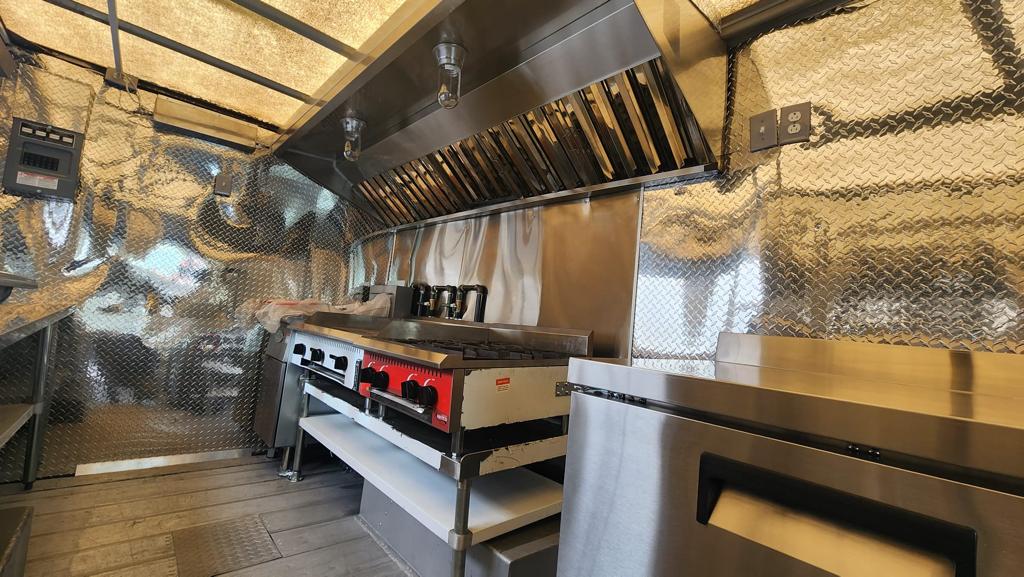
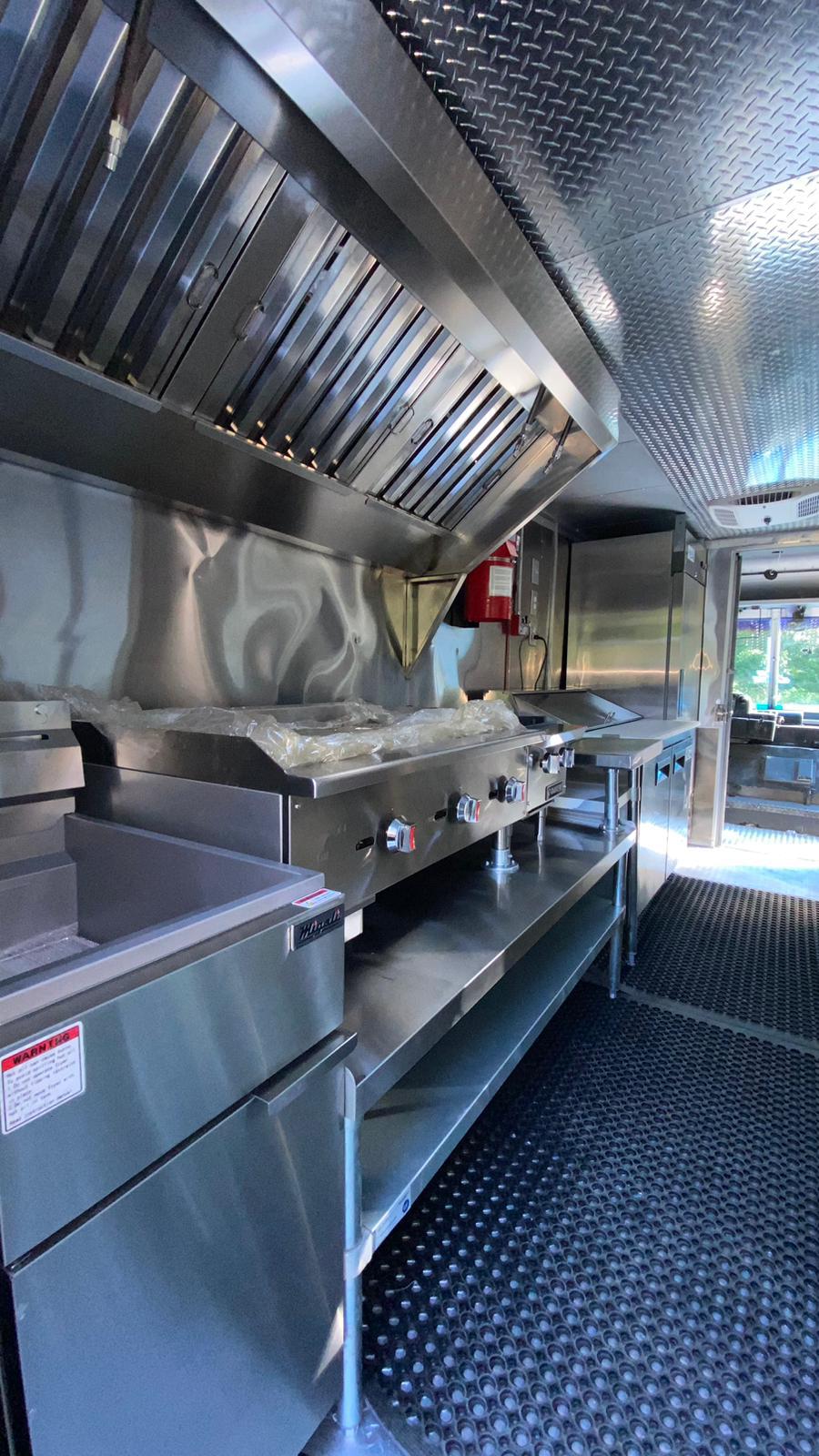
Here's what most operators miss: the suppression system covers the cooking area, but what about the exhaust hood? What about the ductwork? What about the grease trap? A complete food truck safety checklist has to account for every piece of that system — because the fire marshal will check every single component, and they will fail you for a cracked gasket on the hood's suppression nozzle.
You want to know what a failed inspection costs? In Austin, Texas, a mobile food unit that fails its fire inspection gets a reinspection fee of $150 and a mandatory shutdown until the issue is resolved. That's lost revenue, lost customers, and a reputation hit that's hard to recover from.
What Most Operators Skip on Their Daily Walkthrough
The daily walkthrough is where the food truck safety checklist either saves you or sinks you. Most operators check the obvious stuff — food temps, handwashing stations, surface cleanliness. But there are three things that get missed constantly, and they're the ones that get you dinged.
The grease trap. You're supposed to clean it every 2-4 weeks depending on volume, but most operators don't. Here's the kicker: a clogged grease trap backs up into your sink, which means you can't wash dishes, which means you're cooking with contaminated equipment. That's a critical violation in most states. In Washington State, a critical violation carries a $250 fine per occurrence.
The propane lines. You check the tank pressure, sure. But when's the last time you actually inspected the hoses for cracks? A pinhole leak in a propane line inside a confined space like a food truck isn't just a violation — it's a bomb waiting to go off. The National Fire Protection Association reports that propane-related incidents in food trucks, while rare, are almost always fatal when they occur in enclosed spaces.
The electrical system. Your generator, your wiring, your outlets — they take a beating from the constant vibration of driving. Loose connections cause arcs, arcs cause fires, and fires in a food truck spread in under 90 seconds. A proper food truck safety checklist includes a monthly inspection of every electrical connection, not just the ones you can see.
And here's where it gets interesting: these are the exact things that a food truck conversion specialist will build correctly from day one, but that are nearly impossible to retrofit properly after the fact. If you're buying a used truck, you need to check these systems before you hand over a single dollar.
The Paperwork That Actually Protects You
Everyone talks about the physical safety checklist — the fire extinguishers, the first aid kit, the handwashing station. But the paperwork side is where you'll actually lose your business.
Your food truck safety checklist needs to include a documentation system that covers:
- Temperature logs. Not "we check temps" but actual written records. Your health inspector will ask to see them. If you can't produce them, that's an automatic violation in most jurisdictions, regardless of your actual practices.
- Cleaning schedules. This includes your daily, weekly, and monthly tasks. In Virginia, for example, the Department of Agriculture and Consumer Services requires documented cleaning schedules for all mobile food units. Without them, you're looking at a $500 fine and a follow-up inspection.
- Pest control records. You need a licensed pest control operator to service your truck on a regular basis. The service frequency depends on your location and your volume, but the records need to be kept on board at all times.
What nobody mentions is that these records need to be accessible during an inspection, not stored in a cloud drive that you can't access because the inspector showed up during a dead zone. Keep physical copies in a waterproof binder in the truck. It's a food truck safety checklist that actually works when it matters.
Why Your Permit Costs Are Higher Than You Think
Speaking of paperwork, let's talk about the permit situation because it's directly connected to your safety obligations. In Washington State, the mobile food unit permit cost for 2026 runs between $500 and $1,200 depending on your county and the complexity of your operation. But that's just the base permit. You also need:
- A fire inspection permit: $100-$300
- A health department permit: $200-$500
- A business license: $50-$150
- Liability insurance: $2,000-$5,000 per year
That's $3,000 to $7,000 before you've cooked a single meal. And here's what the food truck vs concession trailer comparison reveals that most people miss: the safety requirements are different for each. A concession trailer has more space, which means more room for error. A food truck's compact layout means your safety checklist has to be more rigorous, not less.
How to Turn Your Checklist Into a Daily Habit
The problem with most food truck safety checklists is that they're designed as a one-time document. You do the walkthrough, you check everything off, and then you forget about it until the next inspection.
That's backwards. Your checklist should be built into your daily workflow — a pre-shift and post-shift ritual that takes 15 minutes total.
Here's what a realistic daily checklist looks like:
Pre-shift (10 minutes):
- Check propane lines for leaks (use soapy water, not your nose)
- Verify fire suppression system pressure gauge is in the green
- Test handwashing station water flow and temperature
- Confirm all temperature logs from previous day are complete
- Inspect electrical cords for fraying or damage
Post-shift (5 minutes):
- Clean and sanitize all food-contact surfaces
- Empty and clean grease trap if needed
- Secure all equipment for transit
- Lock propane tanks and verify shutoff valves are closed
- Document any issues for the next shift
That's it. Fifteen minutes a day that could save you thousands in fines and lost revenue. The operators who treat this as non-negotiable are the ones who survive past year three.
What Your Food Truck Safety Checklist Is Really Protecting
Let's get real about what's at stake here. A food truck safety checklist isn't just about passing inspections. It's about protecting your investment.
The average food truck build costs between $50,000 and $150,000 depending on your equipment and your build cost in Washington State for 2026 runs $75,000 to $180,000. That's a significant investment. And one critical violation that causes a shutdown can cost you $2,000 to $10,000 in lost revenue while you fix the issue.
But there's something more important than all of this. Your safety checklist is what protects your customers. A listeria outbreak traced back to your truck doesn't just close your business — it ruins lives. The CDC estimates that 48 million people get sick from foodborne illnesses each year, and 3,000 die. As a mobile operator, you're accountable for every single meal that leaves your window.
The operators who understand this aren't the ones cutting corners. They're the ones who get a custom quote for a properly built truck with the right safety systems installed from day one. They're the ones who invest in mobile kitchen consultations before they buy, not after they've already made a costly mistake.
And for those who want to start on the right foot, the food truck success tips guide covers the operational side that most safety checklists ignore.
Here's the bottom line: your food truck safety checklist isn't a compliance document. It's your business survival plan. And the operators who treat it that way are the ones still serving lunch five years from now.
The question isn't whether you can afford to implement a proper safety system. It's whether you can afford not to.
Te puede interesar: Food Truck Generator Sizing Calculator: Right Power for Your Build
Te puede interesar: Food Truck Branding Ideas for Washington State: Stand Out Locally
Te puede interesar: Houston food truck fire suppression system requirements: what you need to know