Food Truck vs Trailer for Parking: Maneuverability Guide
Most Food Truck Advice Ignores the Only Thing That Kills Your Business: Parking
You can cook the best brisket in Austin and still go under because you can't fit into the lot that pays your rent. I've watched it happen. The food truck vs trailer for parking question is the one owners ask after they've already signed the loan — and by then it's expensive to fix.
Here's the part nobody tells you at the dealership. A 20-foot food truck and a 20-foot trailer are not the same animal when you're backing into a tight space at 6am. Not even close. And the lot you can park in determines your revenue ceiling more than your menu ever will.
Turning Radius: Where the Two Vehicles Stop Being Comparable
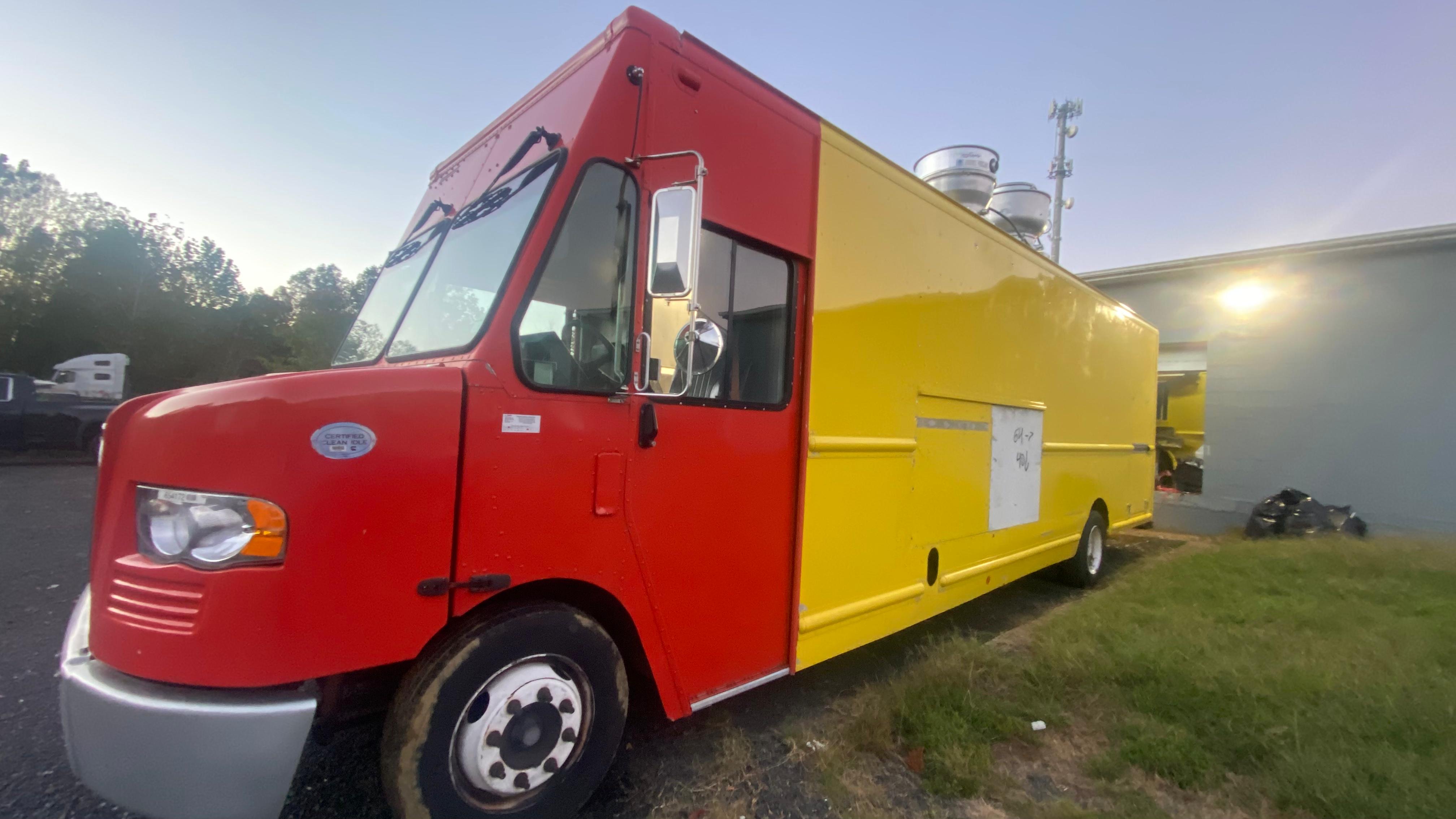
A standard 16-foot step van conversion has a turning radius of roughly 22 to 26 feet. A 16-foot concession trailer hooked to a half-ton pickup is closer to 40 feet — because you're not driving one vehicle, you're driving two, and the trailer cuts the corner hard.
What does that mean in real terms? In a crowded Houston lot with a 12-foot-wide entry, the truck slides in. The trailer needs a spotter, three attempts, and a driver who's done it a hundred times. If you're paying a booking fee for a Saturday market and you block the vendor behind you for 15 minutes, you don't get invited back.
This is the single biggest reason food trucks win urban events. It's not the cool factor. It's geometry.
Space You Actually Occupy vs Space You're Allowed to Use
Here's a number that surprises people: a food truck needs a 20x40-foot footprint to operate comfortably — vehicle, service window clearance, and customer queue. A trailer of the same length needs 20x55 because of the tow vehicle and the turning arc to get out. That extra 15 feet is often the difference between a $400 event day and staying home.
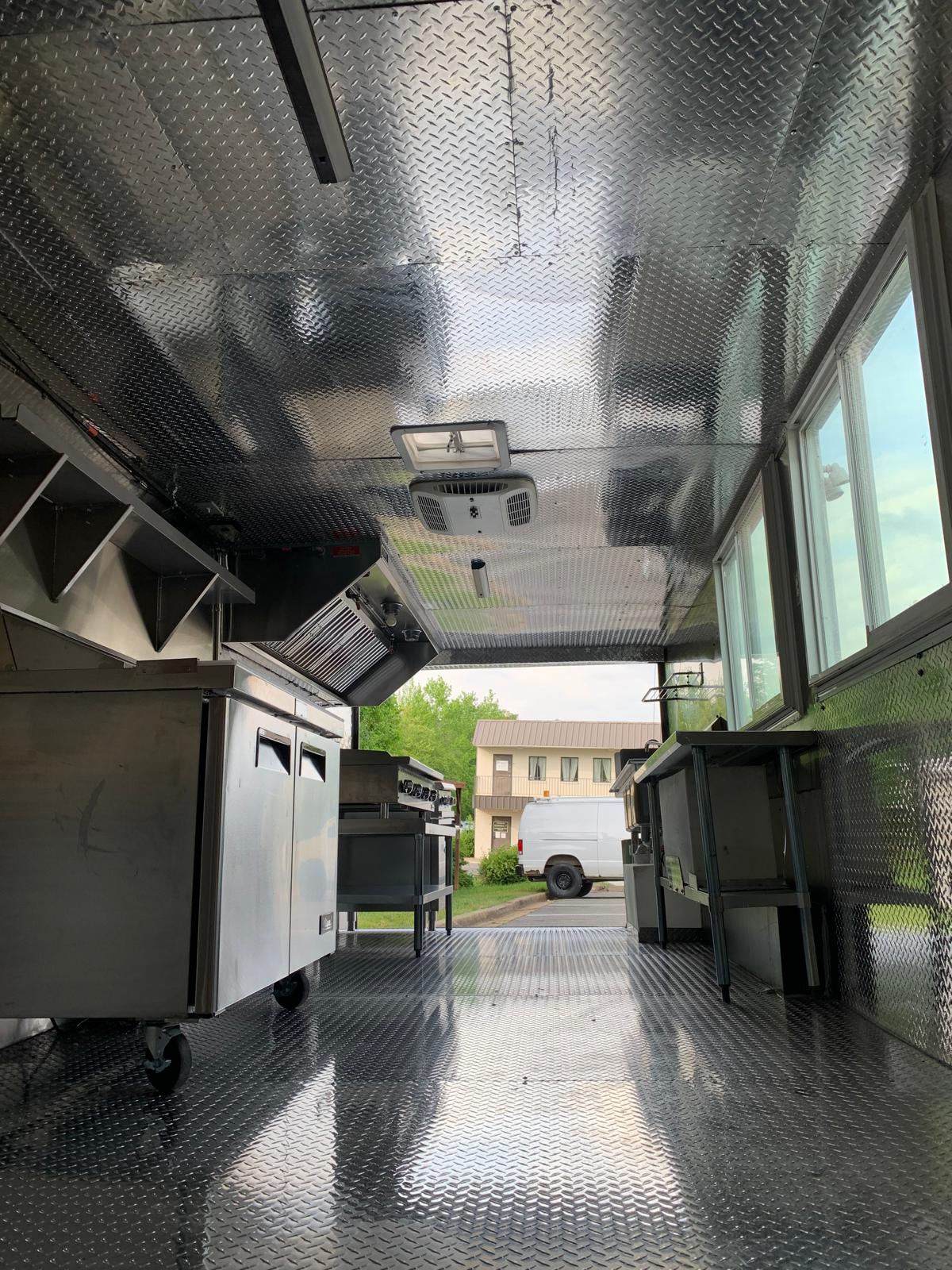
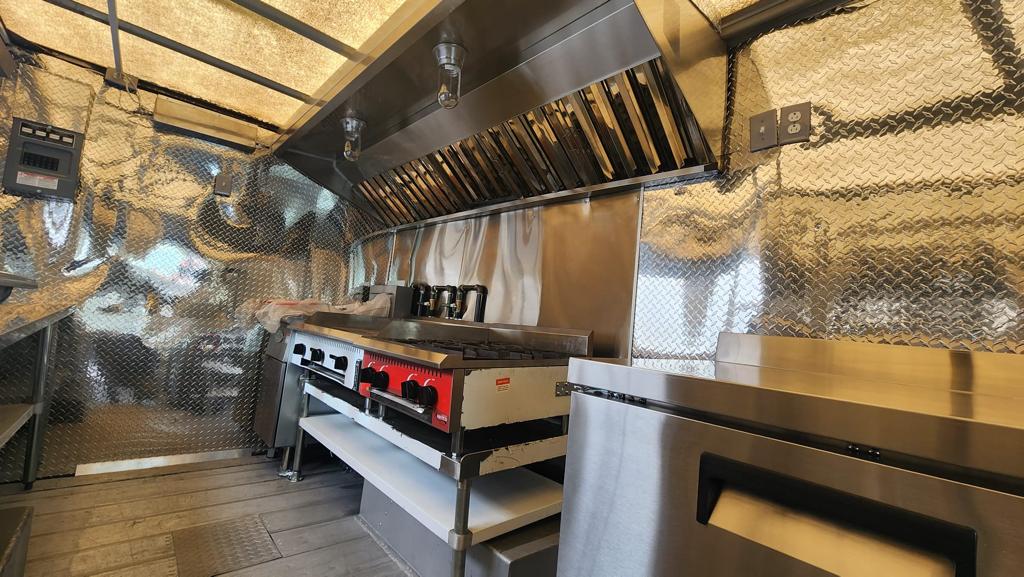
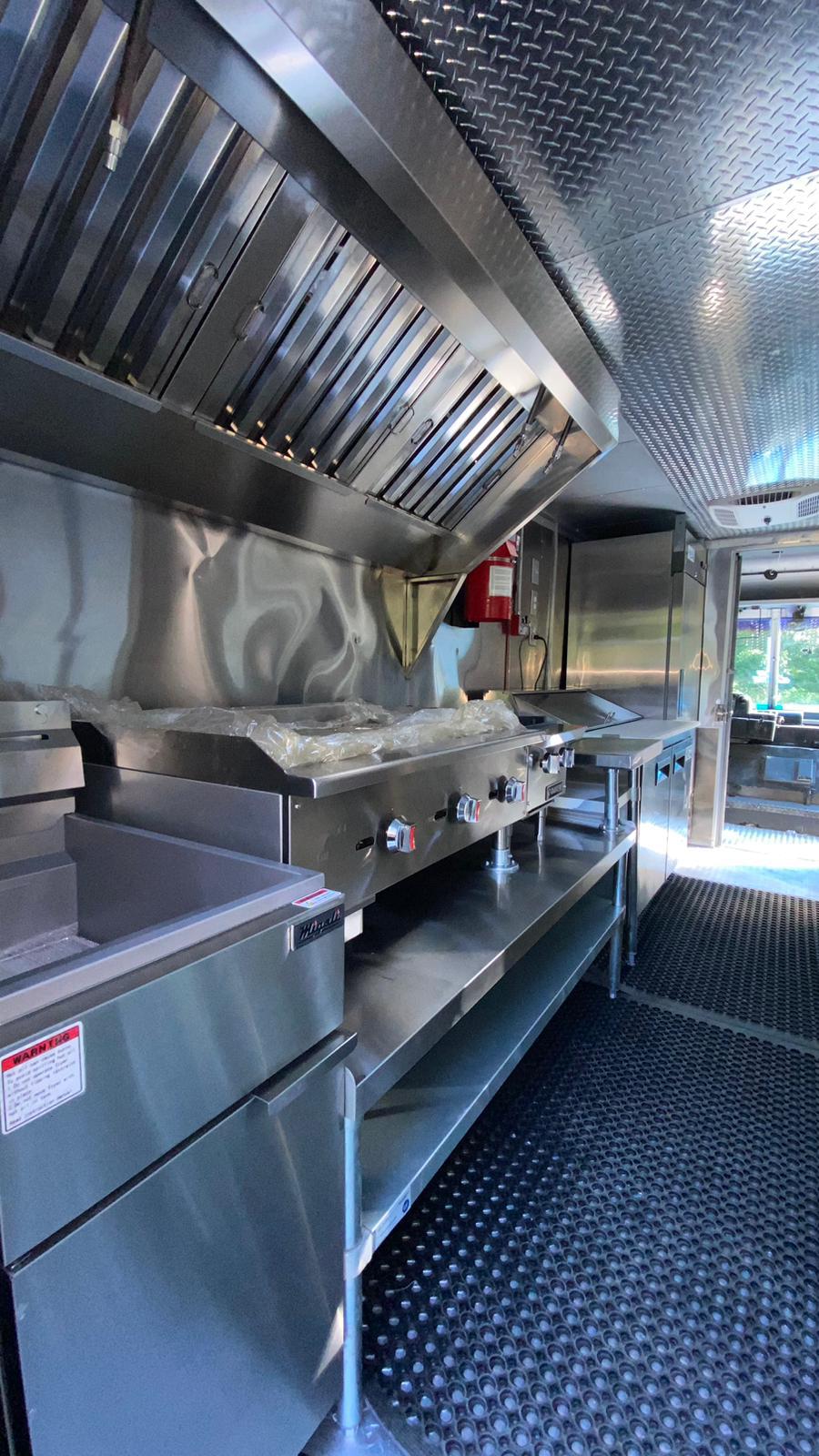
But — and this is where the trailer crowd gets its revenge — a trailer gives you more usable interior per foot of length. No engine doghouse eating your floor space. No cab you're paying for but never cooking in. A 16-foot trailer often has more kitchen than a 20-foot truck.
So the question isn't "which is bigger." It's "which kind of space do you need — parking space or prep space?"
The pad and permit problem
Many cities regulate the two differently. In Seattle, you can park a food truck on a private lot with a simple vendor permit. A trailer parked semi-permanently often triggers a different classification — closer to a "mobile food unit at fixed location" — which can require a pad inspection, utility hookups, and in some zones, a full site plan review. That's a $2,000 to $8,000 swing depending on the jurisdiction.
If you're in the Pacific Northwest specifically, the Washington State food truck health permit requirements are worth reading before you commit to either format. The rules aren't identical for trucks and trailers, and assuming they are is a rookie mistake.
The Hidden Cost Nobody Puts in the Spreadsheet
A used 16-foot food truck in decent shape runs $45,000 to $75,000 in 2026. A comparable concession trailer with equipment lands between $28,000 and $55,000 — you can see the full breakdown in this piece on concession trailer price with equipment.
So the trailer looks cheaper. It is. Until you factor in the tow vehicle. A used F-250 that can safely pull a loaded 16-foot trailer is $30,000 to $45,000 in today's market. Suddenly the "cheaper" option is the more expensive one, and you're maintaining two engines instead of one.
Unless you already own the truck. Then the math flips completely.
When the Trailer Wins — and It's More Often Than Truck People Admit
If your business model is brewery residencies, private catering, and long-term lot leases, the trailer is the smarter play. You park it, you leave it, you don't burn fuel idling to keep the kitchen warm. You can unhook the tow vehicle and use it for errands. You can build out more kitchen per dollar.
I've seen trailers parked at the same Austin brewery for 18 months straight, running five days a week, printing money. Try that with a truck and you're paying insurance and maintenance on a vehicle that moves 200 feet a month.
But if your model is festivals, rotating lunch spots, and downtown street service, the truck is not optional. It's the whole point. The maneuverability is the product.
And here's the thing most people miss: your answer to food truck vs trailer for parking should be decided by the lots you can actually book this year, not the ones you hope to book in three years. If you can't name five specific locations you have access to right now, you don't have enough information to choose a format yet.
What I'd Tell You If We Were Standing in a Parking Lot Right Now
Walk the lots first. Measure the entries. Talk to the event organizers. Ask them what they turn away. You'll learn more in one Saturday morning than in ten hours of YouTube research.
If you're converting a box truck instead of buying new, the trade-offs are different again — this breakdown of box truck food truck conversion costs and trade-offs covers the numbers honestly.
And if you're still deciding on the build side, the branding decisions you make now affect how you're perceived at every lot you park in — worth reading food truck branding for mobile business before you commit to a wrap or paint job.
The maneuverability question isn't really about the vehicle. It's about whether you want to be a cook who drives, or an operator who owns an asset. Both are legitimate. Just don't pick the wrong one because a dealer told you trailers were "basically the same."
They are not. And the parking lot will teach you that lesson for free — or charge you $40,000 to learn it.
If you want real numbers for your specific concept and city, it's worth having a conversation before you sign anything — you can get a custom quote or book one of their mobile kitchen consultations to walk through the layout math with someone who's done it.