Food Truck Business Consultation: Launch Your Mobile Kitchen
Most Food Truck Advice Is Sold by People Who've Never Cooked in One
If you've spent an afternoon googling "how to start a food truck," you've already noticed something: half the advice comes from someone who's never worked a 14-hour service in a 100°F box. The other half comes from consultants who charge $3,000 to hand you a template you could've downloaded for free. So let's talk about what a food truck business consultation actually is — and what it should never be.
Here's the number that should stop you cold: according to industry tracking, roughly 60% of food trucks fail within their first three years. Not because the food is bad. Because the operator picked the wrong concept for their market, underestimated the build-out, or never modeled a single slow Tuesday in January. A consultation done right catches those mistakes on paper, where they cost $200 instead of $40,000.
The real problem isn't that people don't know they need help. It's that they don't know what "help" is supposed to look like — so they buy the wrong thing.
What a Food Truck Business Consultation Should Actually Cover
A good consultation is not a pep talk. It's a stress test of your idea against reality. And the reality lives in three places: your concept, your numbers, and your local regulations.
1. Concept versus market — before you print a single menu
You want to sell smash burgers in Houston? There are already 400 trucks within 30 miles doing exactly that, and the established ones have locked up the best office-park spots. A consultant who knows your city will tell you that. Not to crush your dream — to redirect it toward the version that survives. Maybe it's the same burger with a specific angle nobody's running. Maybe it's a different protein entirely. That conversation is worth more than any branding deck.
2. The build-out number nobody quotes you upfront
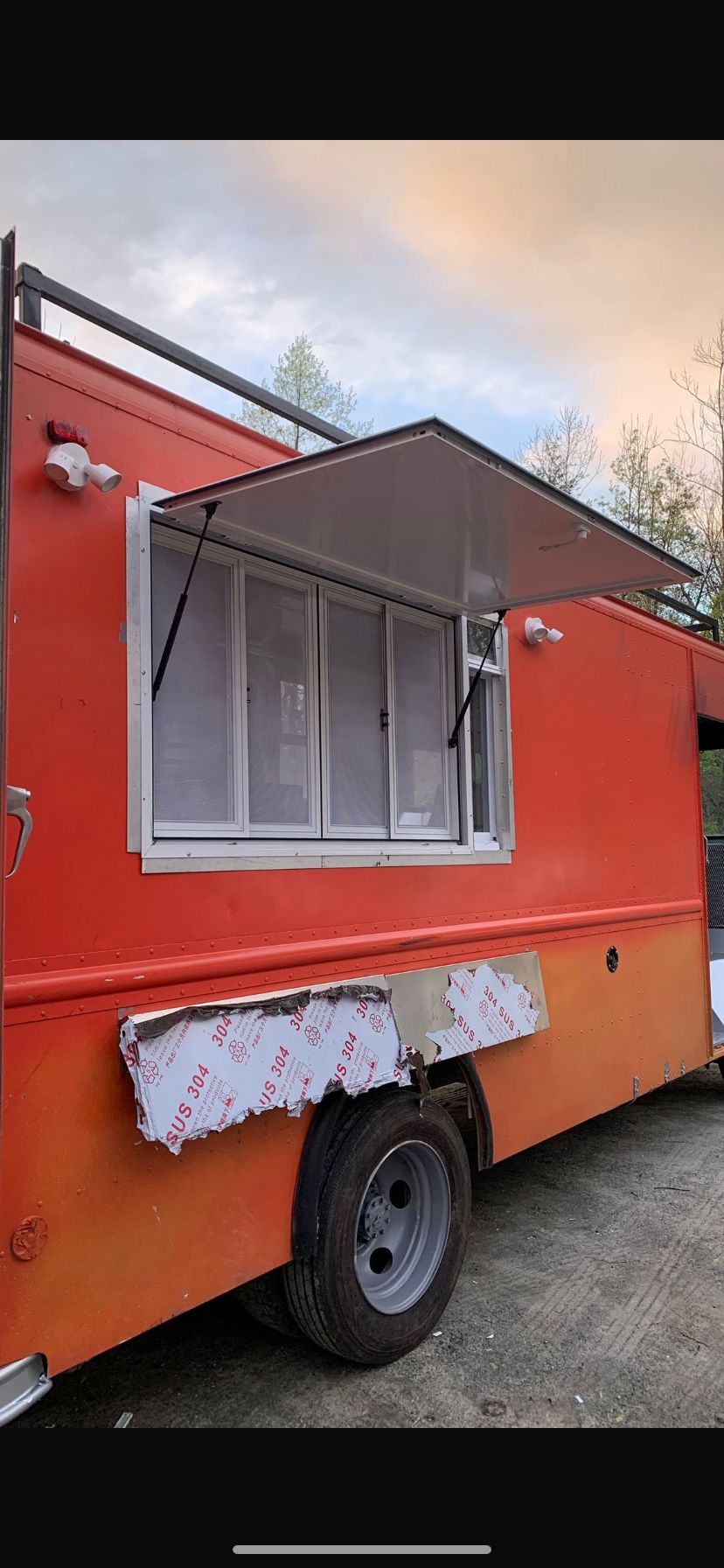
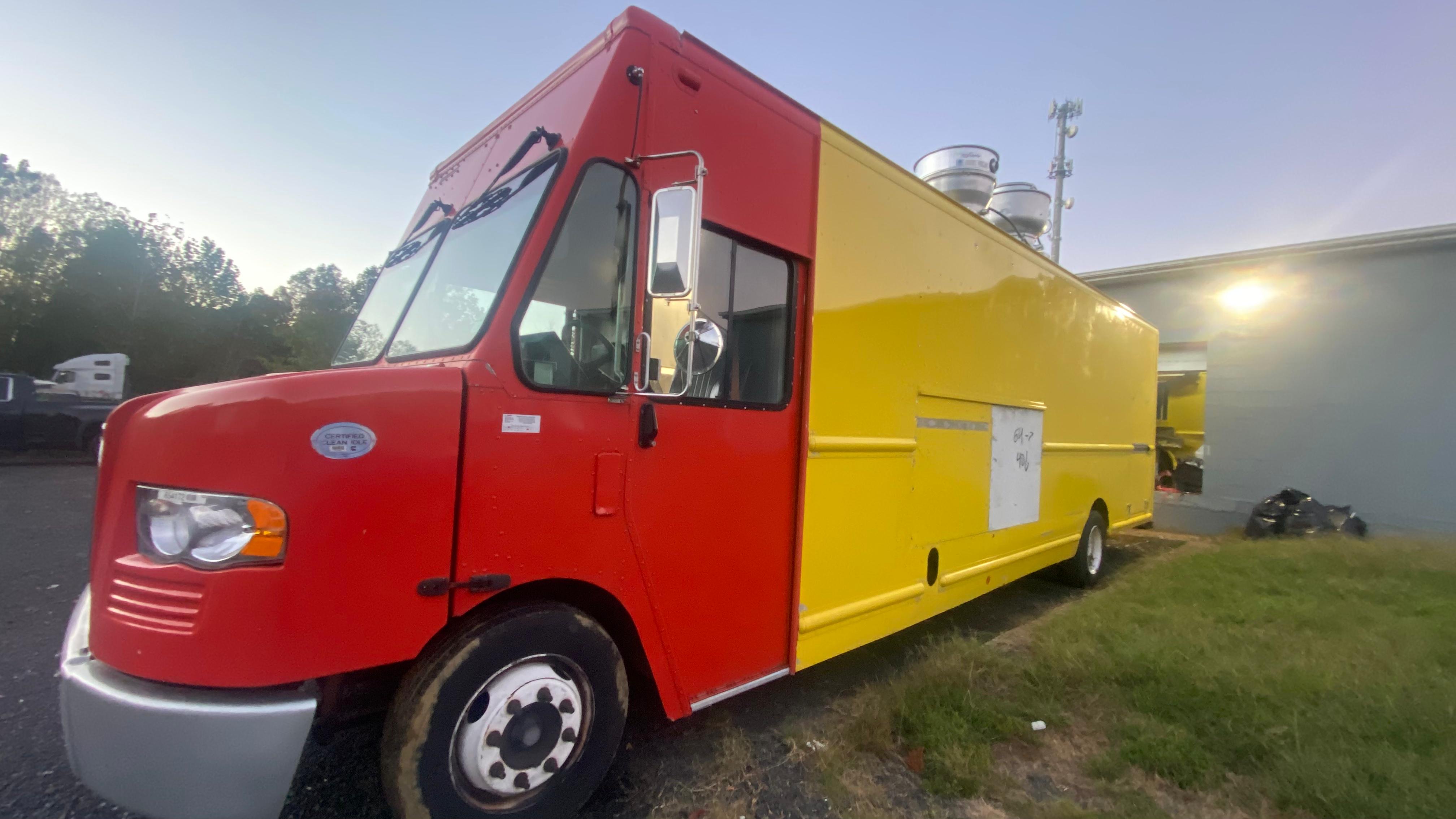
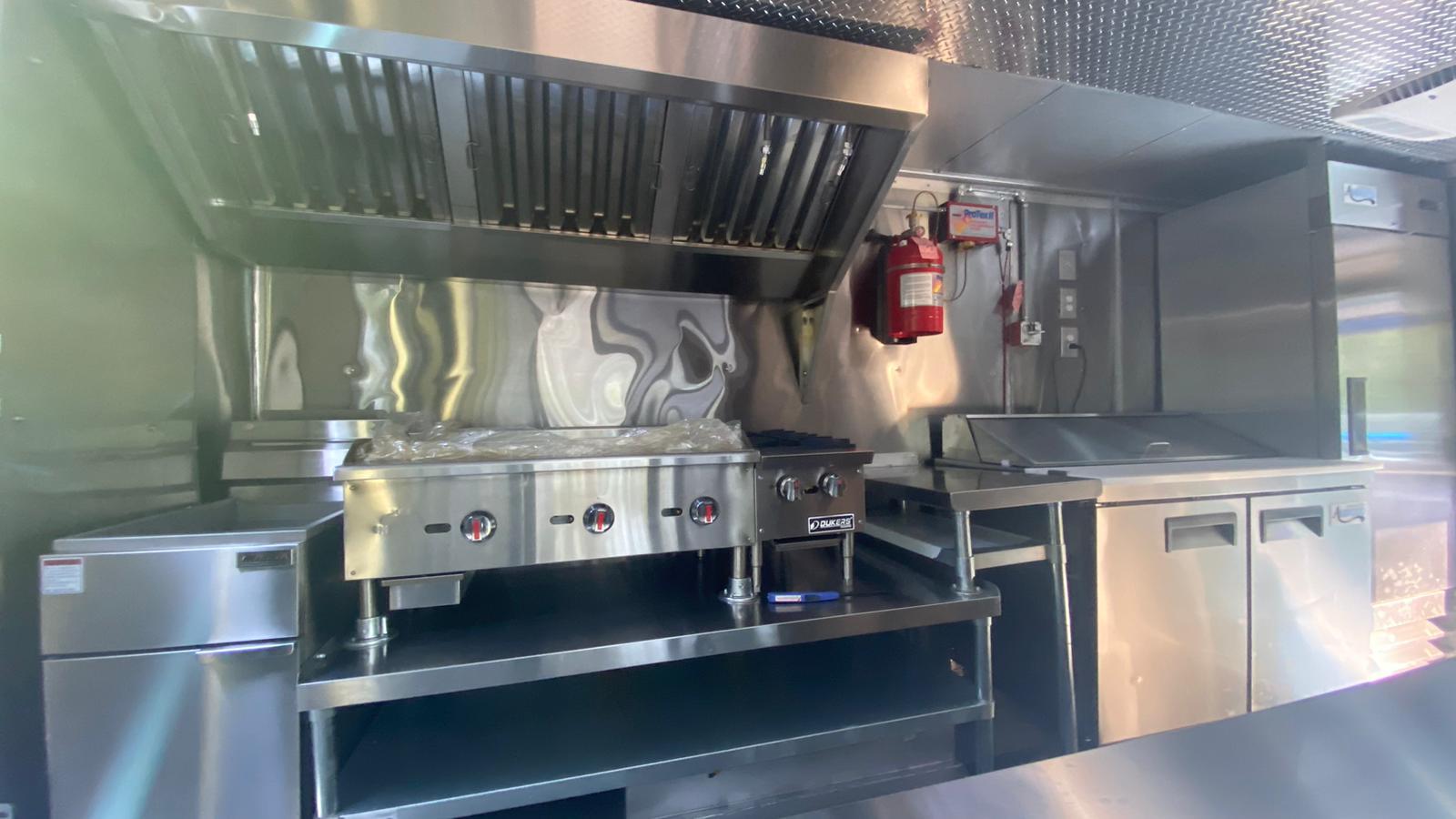
Here's where it gets uncomfortable. A used step van might run $25,000. The kitchen inside it — commercial hood, fire suppression, three-compartment sink, refrigeration, generator, plumbing — adds another $35,000 to $60,000 depending on how ambitious you get. A new turnkey build lands between $80,000 and $150,000 in most U.S. markets as of 2026. If you're comparing options, it's worth reading up on what a turnkey food truck actually includes in 2026, because the word "turnkey" gets thrown around loosely and the difference between turnkey and "needs $20K of work" is enormous.
A consultation should walk you through that line by line. Not estimate. Walk through. The consultants who skip this step are the ones whose clients call back three months later, broke and stuck.
3. Permits — the part that kills timelines
Houston, Virginia, and Washington each handle food truck permitting differently, and the differences aren't cosmetic. Houston requires a mobile food unit permit through Harris County Public Health plus fire marshal sign-off. Virginia runs permitting at the city and county level, which means Virginia Beach and Richmond might as well be different countries. Washington's rules shift by county health jurisdiction. A consultation that doesn't map your specific jurisdiction's requirements — fees, inspection schedules, commissary rules — is a consultation that's going to cost you six weeks you didn't budget. If you want the granular version, the permit breakdown for Houston, VA, and WA is where to start.
How to Tell a Real Food Truck Business Consultation From a Sales Pitch
This is the part that matters, and it's where most people get burned.
A real consultant asks you questions before they answer any. They want to know your budget, your target locations, your cooking experience, whether you've ever managed a P&L. If they open with a package price and a slide deck, walk out. You're being sold, not advised.
A real consultation also produces a document. Not a vibe. A document with your build-out estimate, your permit checklist, your break-even math, and your first 90 days mapped out. If you leave the meeting without something you can act on Monday morning, you didn't get a consultation — you got a conversation.
And here's the tell that separates the good ones: they'll tell you when your idea is bad. Not cruelly, but plainly. The consultants worth paying are the ones willing to lose the sale to keep you from losing your savings.
The Numbers You Should Walk In With
You don't need to be an accountant to benefit from a consultation, but you do need to show up with real figures. Here's the frame most operators get wrong.
Startup: Expect $50,000 minimum for a used truck with a working kitchen, $100,000+ for a clean turnkey build. Add $3,000–$8,000 for initial inventory, permits, insurance, and a point-of-sale system.
Monthly fixed costs: Commissary rent ($400–$1,200), insurance ($150–$400), loan payments, licensing renewals. These hit whether you sell one taco or a thousand.
Break-even: If your average ticket is $14 and your food cost is 30%, you need roughly 45–60 covers a day to cover fixed costs and modest owner pay in a mid-size market. That's not a lot. But it's not nothing either, and the difference between a truck that hits 60 and one that hits 40 is usually location strategy, not recipes.
A consultation should run those numbers against your specific city, your specific menu, and your specific ambitions. Anything less is guesswork dressed up as planning.
Where the Consultation Fits in Your Launch Timeline
Timing matters more than most people realize. The wrong order of operations is the single most expensive mistake in this business.
The sequence that works: consultation first, concept second, build-out third, permits in parallel with the build, branding last. Why branding last? Because a $4,000 wrap on a truck that fails inspection in six weeks is $4,000 in the trash. Get the bones right, then make it beautiful. If you want to think through the design side properly, how to brand your mobile kitchen covers the wrap decisions that actually move the needle.
And here's where it gets interesting: the kitchen layout inside the truck is often the thing that makes or breaks your service speed — and most consultations barely touch it. A poorly designed layout adds 30 seconds per order. At 80 orders a day, that's 40 minutes of lost throughput. Over a year, that's real money. If your build isn't finalized yet, the kitchen layout decisions that drive efficiency are worth an hour of your time before you commit to a floor plan.
One more fork in the road worth flagging: if you're still deciding between a truck and a trailer, that choice shapes everything downstream — permits, mobility, build cost, and resale. Truck versus concession trailer is a decision a good consultation will force you to make with actual numbers, not gut feel.
What It Costs — and When It's Worth Skipping
Consultation pricing in 2026 runs the gamut. Hourly sessions start around $150–$250. A full launch package — concept validation, financial model, permit roadmap, build-out oversight — typically runs $2,000–$6,000. Some builders bundle a consultation into the truck purchase, which is often the best value if you're buying from them anyway.
Is it worth it? It depends. And that's not a vague answer — it's a real one. If you've never run a food business, never managed a P&L, and you're about to sink $80,000 into a truck, yes, obviously. If you've run restaurants for a decade and you've already built the spreadsheet, you might only need help with the regulatory maze in your specific jurisdiction. That's a smaller, cheaper engagement.
The people who skip consultation entirely and succeed are the exception, not the rule. And the ones who fail almost always say the same thing afterward: "I wish I'd talked to someone before I signed."
If you want to see what a real consultation looks like for your specific concept — not a template, not a sales call — mobile kitchen consultations are where to start the conversation. Bring your numbers. Bring your doubts. That's the point.
The best time to get a food truck business consultation isn't after the truck is built. It's the week you decide you might actually do this — while every door is still open and nothing is signed.