Turnkey Food Truck for Sale: What to Expect in 2026
Most turnkey food truck listings are not turnkey. They're used trucks with fresh paint and a motivated seller. The word sounds like a promise, but in this market it's a marketing label, and the gap between what a seller calls "turnkey" and what you actually drive away with is where most buyers lose money.
So let's talk about what a turnkey food truck for sale really is in 2026, what it costs, and how to separate a finished build from a rolling repair bill. This isn't a buyer's checklist you'll find on a listing site. It's what you learn after watching people overpay for someone else's problems.
What "Turnkey" Actually Means (And Why It's Slippery)
There's no industry standard for the term. A turnkey food truck for sale can mean three very different things, and sellers rarely clarify which one you're looking at.
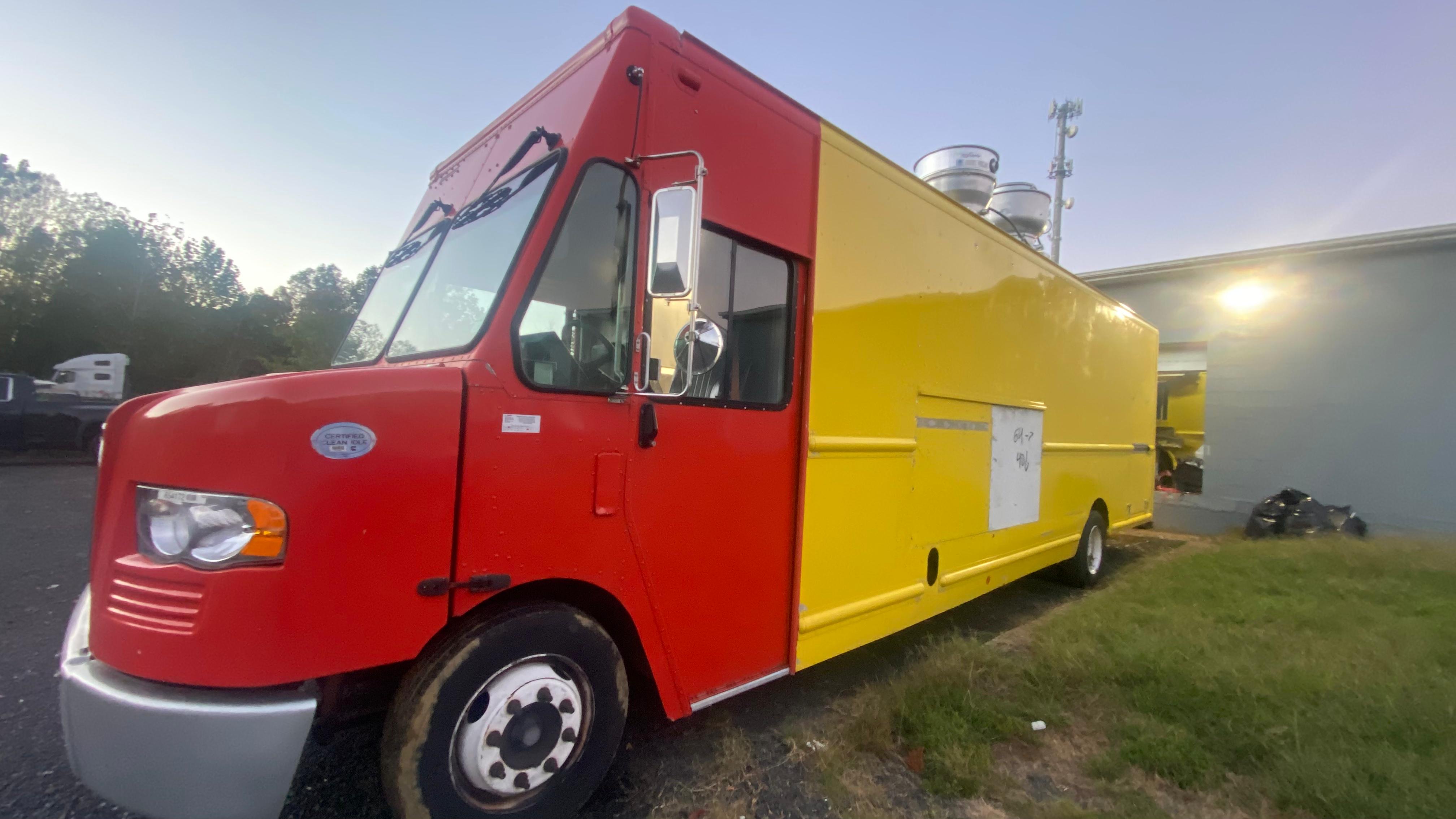
The first is a brand-new, fully built truck — kitchen installed, fire suppression certified, generator wired, ready to pass health inspection on day one. That's the real definition, and it's the rarest. The second is a used truck with working equipment but no permits, no branding, and a kitchen that needs a deep clean before it passes inspection. The third — and the most common — is a truck that runs, looks decent in photos, and has a list of problems the seller is hoping you won't notice until the check clears.
What nobody mentions: the more a listing leans on the word "turnkey," the more you should slow down. A seller with a genuinely finished truck doesn't need to convince you with adjectives. They show you the fire suppression tag, the health permit, and the equipment service records.
The three questions that expose a fake turnkey
Ask the seller for the current health department permit and the date of the last inspection. Ask for the fire suppression certification date. Ask what the generator hours are and when the kitchen equipment was last serviced. A real turnkey seller answers all three in one email. A seller who deflects, stalls, or says "it's all in the listing" is telling you something.
What a Turnkey Food Truck Costs in 2026
Here's the number people actually want. A genuinely turnkey new build in 2026 runs roughly $85,000 to $175,000 depending on size, kitchen complexity, and equipment. A used turnkey truck — one that's actually finished and permitted — typically lands between $45,000 and $90,000. Anything under $30,000 is not turnkey. It's a shell with a dream attached.
That spread matters because the word "turnkey" gets used across all of it. A $28,000 listing and a $140,000 build both call themselves turnkey, and the difference between them is about $110,000 of kitchen, wiring, and certification.
If you want to see how those numbers break down line by line — equipment, fabrication, generator, fire suppression — our breakdown of food truck build cost in 2026 walks through the real figures without the fluff. It's the same math sellers use when they price a used truck, which is exactly why you should know it before you negotiate.
And here's the part that stings: in most major markets, including Houston, roughly 60% of food trucks close within their first two years. The truck wasn't the problem. The buyer bought a "turnkey" unit and discovered the kitchen layout couldn't handle a lunch rush, or the generator couldn't run the fryer and the fridge at the same time. Turnkey means it starts. It doesn't mean it works for your menu.
Where the Money Hides in a Used Turnkey Listing
Let me give you a concrete example. A buyer I know picked up a used truck in Houston for $52,000, listed as turnkey. Within four months he'd spent another $19,000: $7,500 on a new generator because the old one couldn't handle the load, $4,200 on a fire suppression recertification and hood cleaning, $3,800 replacing a reach-in cooler that "worked fine" until it didn't, and the rest on permits, a commissary deposit, and a wrap. His $52,000 truck was a $71,000 truck. The listing wasn't a lie. It was just optimistic.
This is the pattern. The sticker price is the entry fee, not the cost. Before you wire anything, budget 15–25% on top of the asking price for the things a seller conveniently forgets: recertification, equipment repair, permits, branding, and the first month of commissary and insurance.
Which brings us to the question that actually matters: is a used turnkey truck even the right move, or should you build new? That depends on your timeline and your menu. If you need to be selling in 30 days and your menu fits the existing kitchen, a used turnkey truck can work. If your concept needs a specific layout — a flat top, a double fryer, a dedicated prep line — you're better off building to your menu than bending your menu to someone else's truck. For a clearer comparison of the two paths, see food truck vs concession trailer — the same logic applies to new vs used.
How to Inspect a Turnkey Truck Before You Buy
You don't need to be a mechanic. You need to be systematic, and you need to see the truck do its job — not just sit in a parking lot looking clean.
Start with the kitchen. Open every cooler and fridge and check the seals. Look under the equipment for grease buildup that tells you how the previous owner actually maintained it. Check the ventilation hood and the fire suppression system tags — an expired tag means a recertification bill on day one. Then run everything at once: generator on, fridge running, fryer heating, lights on. If the breaker trips, you've found your first $7,000 problem.
Next, the layout. A kitchen that looks fine in photos can be a nightmare in service. If the cook has to turn sideways to pass the prep cook, your lunch rush will crawl. Our guide to food truck kitchen layout design covers the flow patterns that actually move tickets — worth reading before you fall in love with a truck's exterior.
Then the paperwork. Health permit, fire suppression cert, generator service log, equipment warranties, and the vehicle's title and registration. In Houston, Virginia, and Washington the permit requirements differ enough to sink a deal after you've already bought — our breakdown of food truck permit requirements shows what each market demands. Check the truck against your city's rules before you commit, not after.
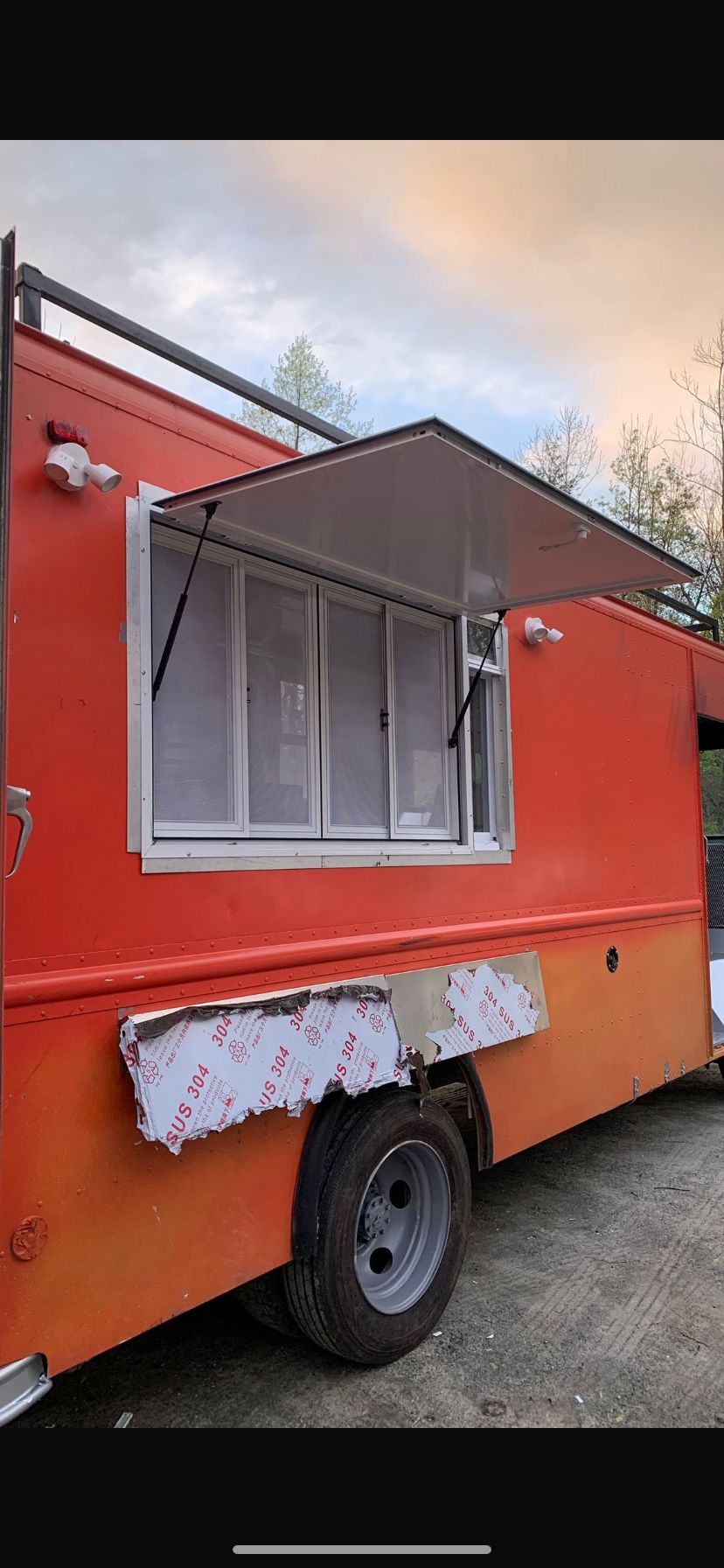
Finally, the wrap. A fresh wrap can hide body damage and a tired exterior. It's also the cheapest way to make an old truck look new in a listing photo. Look at the panels underneath, and budget for your own branding anyway — a truck with someone else's wrap is a truck you'll re-wrap. Our piece on food truck wrap design covers what that costs and why it matters more than most buyers think.
The Build-New Alternative Nobody Pushes Hard Enough
Here's the uncomfortable truth: for a lot of buyers, a turnkey food truck for sale is the wrong purchase. Not because used trucks are bad, but because "turnkey" is being used to sell you someone else's compromises.
A custom build lets you design the kitchen around your menu, wire the generator for your actual load, and certify everything before you take delivery. It takes longer — typically 8 to 16 weeks depending on the builder — and it costs more upfront. But you're not inheriting a layout that fights your service, a generator that can't keep up, or a fire suppression system that's two months from expiration.
The middle path is the one most buyers miss: buy a solid used shell and have the kitchen built to your spec. You get the vehicle at a used price and the kitchen at your standard. It's not as fast as a true turnkey truck, but it's faster than a full new build, and it's the option that most often keeps a first-year operator in business past the two-year mark.
If you're weighing that route, it's worth talking it through before you buy anything. You can get a custom quote on a build or a kitchen retrofit, and the team also runs mobile kitchen consultations for buyers who want a second opinion on a truck they're about to purchase. That's not a pitch — it's the cheapest money you'll spend in this process, especially compared to discovering the generator can't run your fryer after you've already signed.
What You Should Actually Take Away
Turnkey is a word, not a warranty. The truck that's genuinely ready to sell on day one shows you the paperwork before you ask, runs every piece of equipment at once without tripping a breaker, and has a kitchen that fits your menu instead of the last owner's. Everything else is a used truck with a good story.
So before you fall for a listing, ask yourself one question: if this truck were truly turnkey, why is it for sale? The answer won't always be bad. But it will tell you more than any photo in the ad ever will.