Food Truck Build Cost Texas 2026: Real Prices
Most food truck build cost Texas 2026 quotes are fiction. Here's what you'll actually pay.
Ask five builders in Texas what a food truck build cost Texas 2026 will run you and you'll get five numbers that don't match reality. I've watched operators in Houston, Austin, and Dallas sign quotes for $48,000 and hand over $71,000 by the time the truck rolls. The gap isn't fraud. It's the stuff nobody puts on the first page.
So let me give you the real range first, then explain why your number will land somewhere specific inside it. A basic turnkey build in Texas in 2026 runs $35,000 to $60,000. A mid-tier truck with proper refrigeration, a hood system, and a decent generator lands between $60,000 and $95,000. A full custom build with branded wrap, POS integration, and high-end cooking equipment starts at $95,000 and climbs past $150,000 without much effort.
That's the honest spread. Now here's what most guides won't tell you.
Why the same concept costs $42K in San Antonio and $88K in Austin
Location inside Texas changes your number more than most people expect. Not because builders charge differently by city — they charge by what the job demands.
Austin and its surrounding metro have stricter fire marshal inspections and more competitive commissary requirements. That pushes permit-related build modifications up. A truck built for Austin's mobile vending rules often needs additional fire suppression specs that a San Antonio build can skip. That alone can add $6,000 to $9,000.
Houston is a different beast. Humidity destroys cheap builds. If you spec a used truck with a tired electrical system and no sealed cabinetry, you'll be replacing components within 18 months. I've seen operators drop $12,000 on repairs in year two because they saved $4,000 on the original build. That's not a deal. That's a loan you pay back with interest.
Dallas builds tend to run mid-range. The market is competitive, builders are plentiful, and you have more leverage to negotiate. If you're flexible on location and your concept travels well, Dallas-Fort Worth is where your dollar stretches furthest in 2026.
The line items that quietly blow up your budget
Every build quote has three tiers of cost: the truck itself, the kitchen equipment, and the "we'll figure it out later" items. The third tier is where budgets die.
What the first quote leaves out
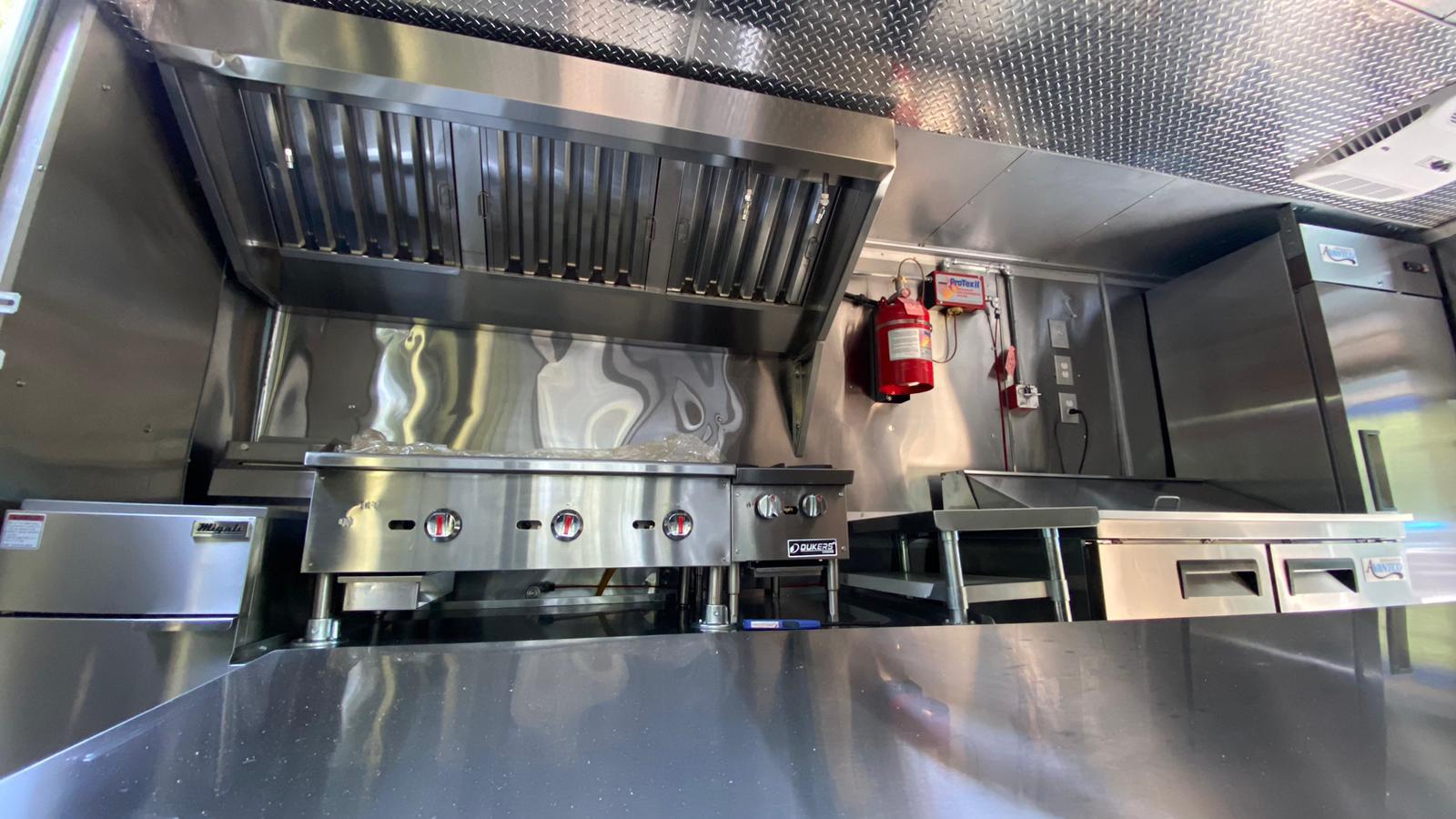
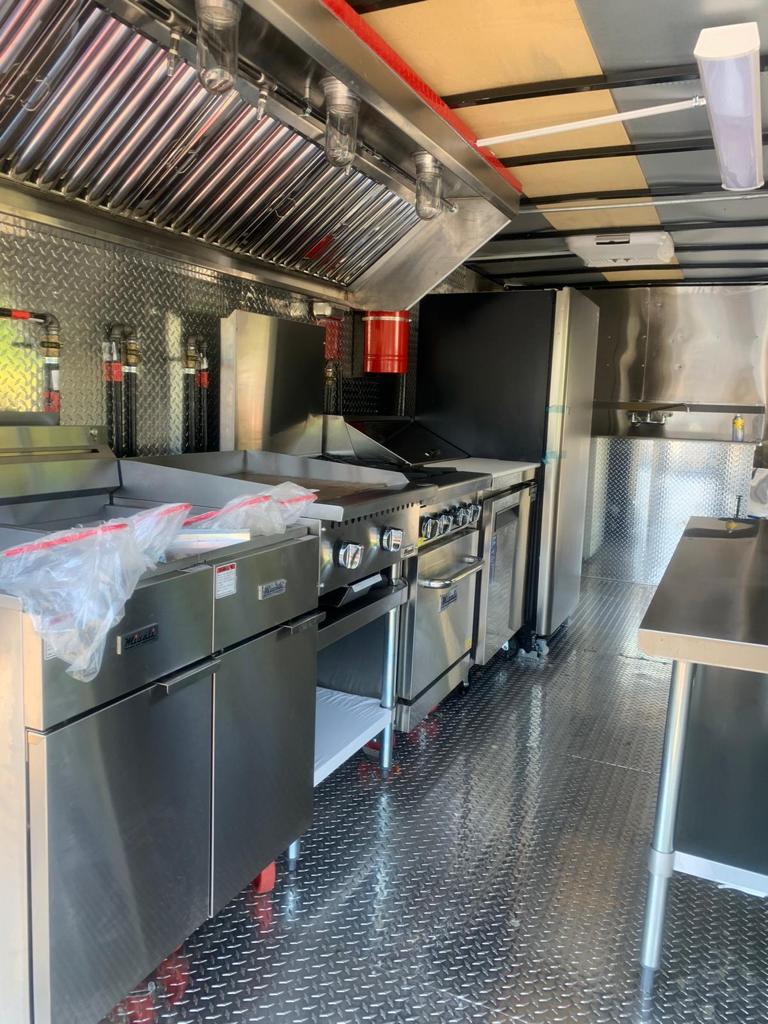
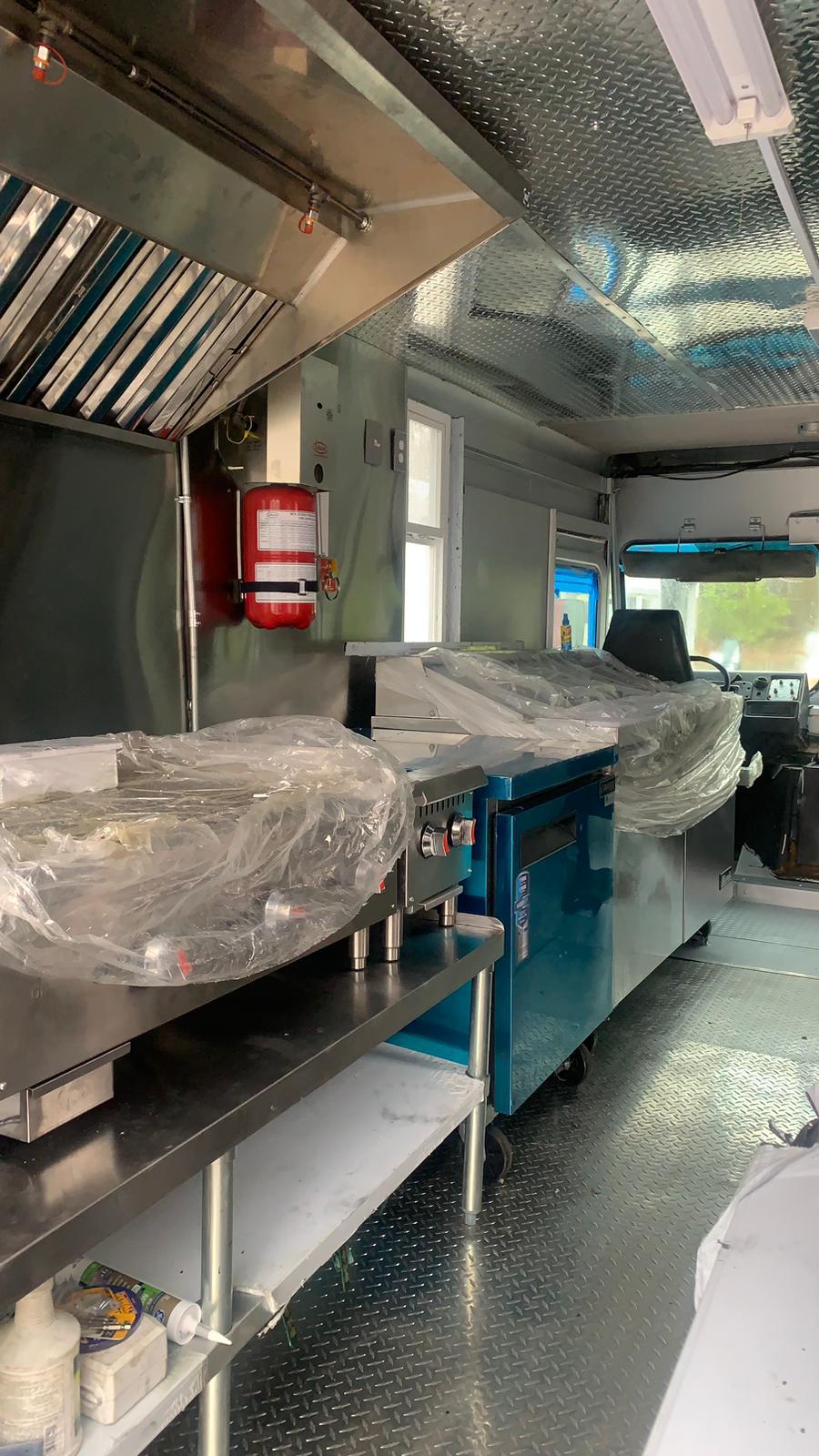
Fire suppression systems for a hood-equipped truck run $3,500 to $7,000 installed. A commercial-grade generator that actually powers your equipment without tripping breakers is $4,000 to $9,000. Grease traps, three-compartment sinks, and NSF-certified surfaces add another $2,500 to $5,000. None of these usually appear on the initial estimate.
And then there's the wrap. A full branded wrap in Texas in 2026 costs $3,000 to $6,500 depending on truck size and design complexity. You can skip it, but you'll pay for it later in lost street sales. If you want to understand why branding matters more than most operators admit, the piece on food truck branding for mobile business breaks down what actually converts on the street.
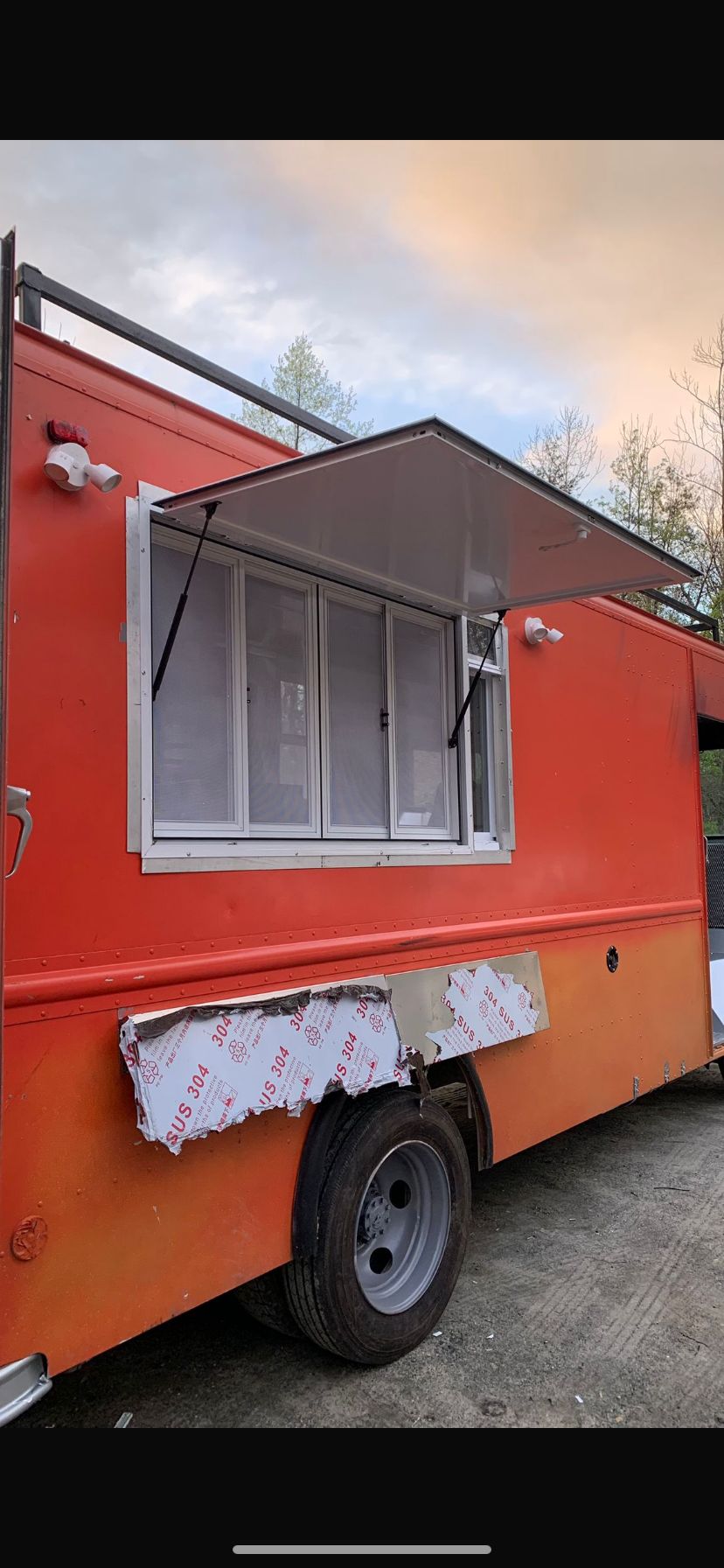
Here's a concrete example. A taco truck in Midtown Houston, 20-foot step van, full kitchen, hood system, 2-door fridge, generator, wrap, POS. Quoted at $58,000. Final invoice: $74,300. The $16,300 gap came from fire suppression, upgraded electrical, and a service window redesign that the health inspector required.
Buying used vs. building new: the math nobody runs
A used food truck in Texas in 2026 runs $18,000 to $45,000 depending on age and condition. Sounds like a shortcut. Sometimes it is. Often it isn't.
Used trucks carry hidden depreciation in the systems you can't see. Refrigeration units, generators, and electrical panels have lifespans. If the previous owner ran the truck hard for three years, you're inheriting equipment that's halfway to failure. A full inspection before purchase will cost you $500 to $1,200 and save you ten times that.
New builds give you warranty coverage, modern compliance, and a truck specced exactly to your menu. That matters more than people admit. A truck built around your actual workflow moves faster during service, which means more customers per hour. If you're weighing leasing equipment versus buying outright, the breakdown on food truck equipment leasing pros and cons for 2026 is worth your time before you commit capital.
What you should budget beyond the build
The build is the biggest line item, but it's not the only one. Permits, health inspections, commissary contracts, and your first three months of operating capital will add $8,000 to $20,000 on top of whatever you spend on the truck.
If you're deciding between a truck and a trailer, maneuverability and parking rules change your cost structure significantly. The guide on food truck vs trailer for parking covers where each option wins and where it costs you.
And once you're rolling, maintenance isn't optional. Trucks that skip scheduled service end up with $3,000 emergency repairs that could have been $400 preventive fixes. The food truck maintenance schedule lays out what to check and when.
Marketing is the other cost people underestimate. A truck with no visibility is a $70,000 parked asset. The strategies in food truck marketing ideas that actually work are what separate trucks that survive year two from the ones that don't.
Getting a real number instead of a guess
Here's the thing about food truck build cost Texas 2026: the range is wide because the variables are wide. Your menu, your city, your service volume, and your compliance requirements all move the number. Anyone who quotes you a flat figure without asking those questions is guessing.
If you want an actual number for your specific concept, get a custom quote built around what you're actually trying to do. Not a template. Not a ballpark. Your truck, your menu, your city.
And if you're still in the planning stage and not sure what you even need yet, mobile kitchen consultations exist for exactly that reason. Talk through the concept before you sign anything.
Because the operators who get burned aren't the ones who spent too much. They're the ones who spent without knowing what they were buying.