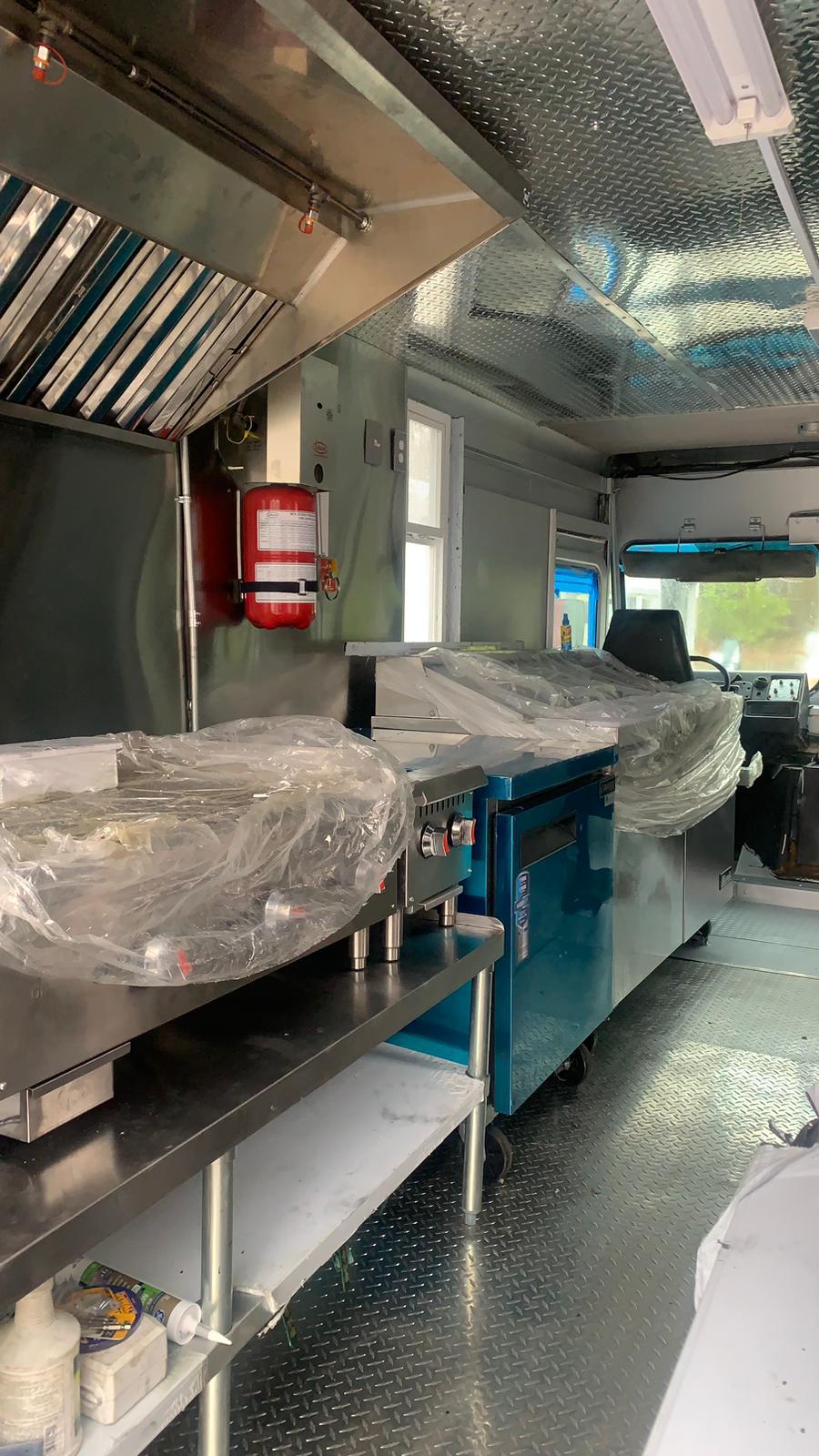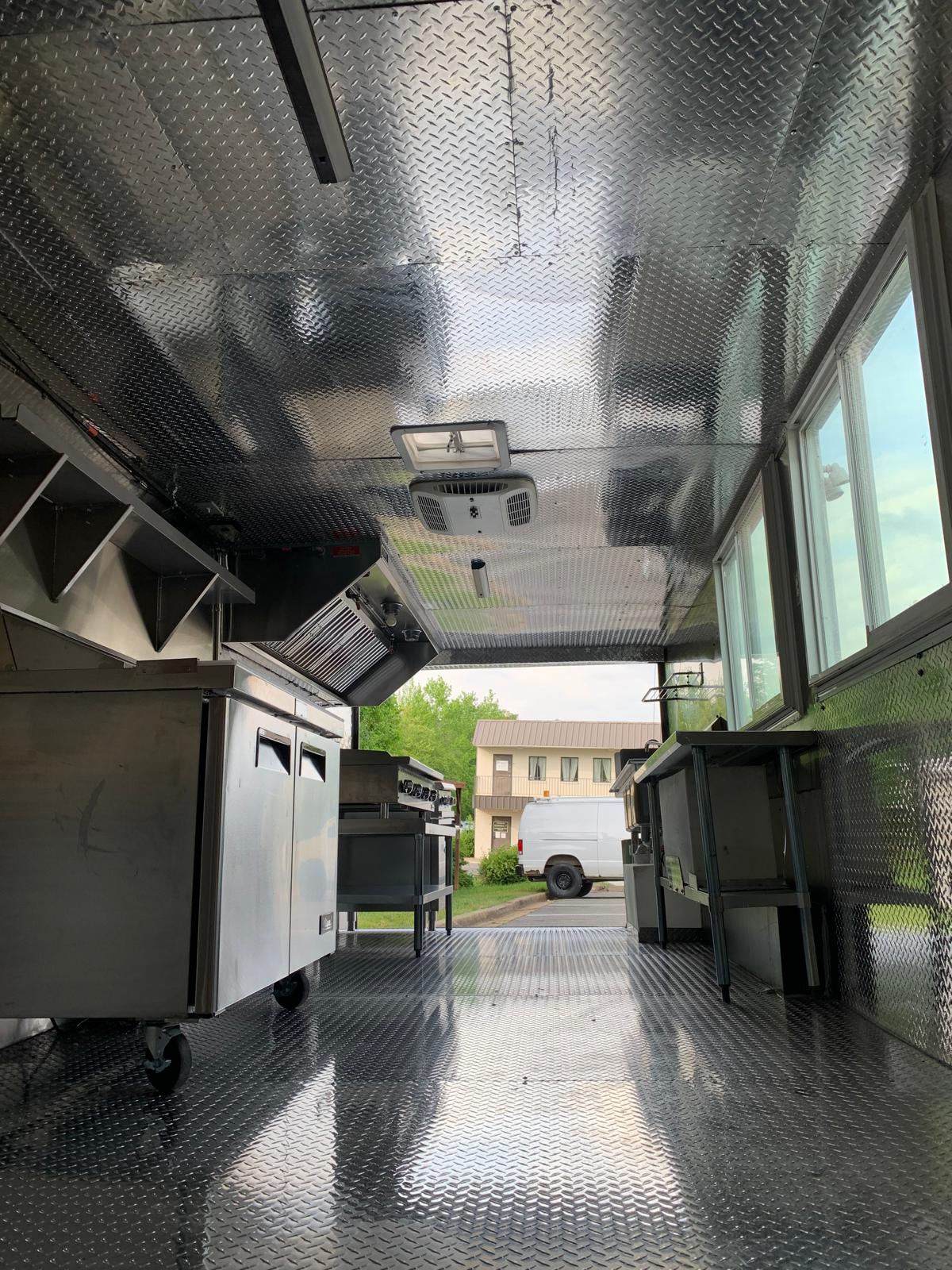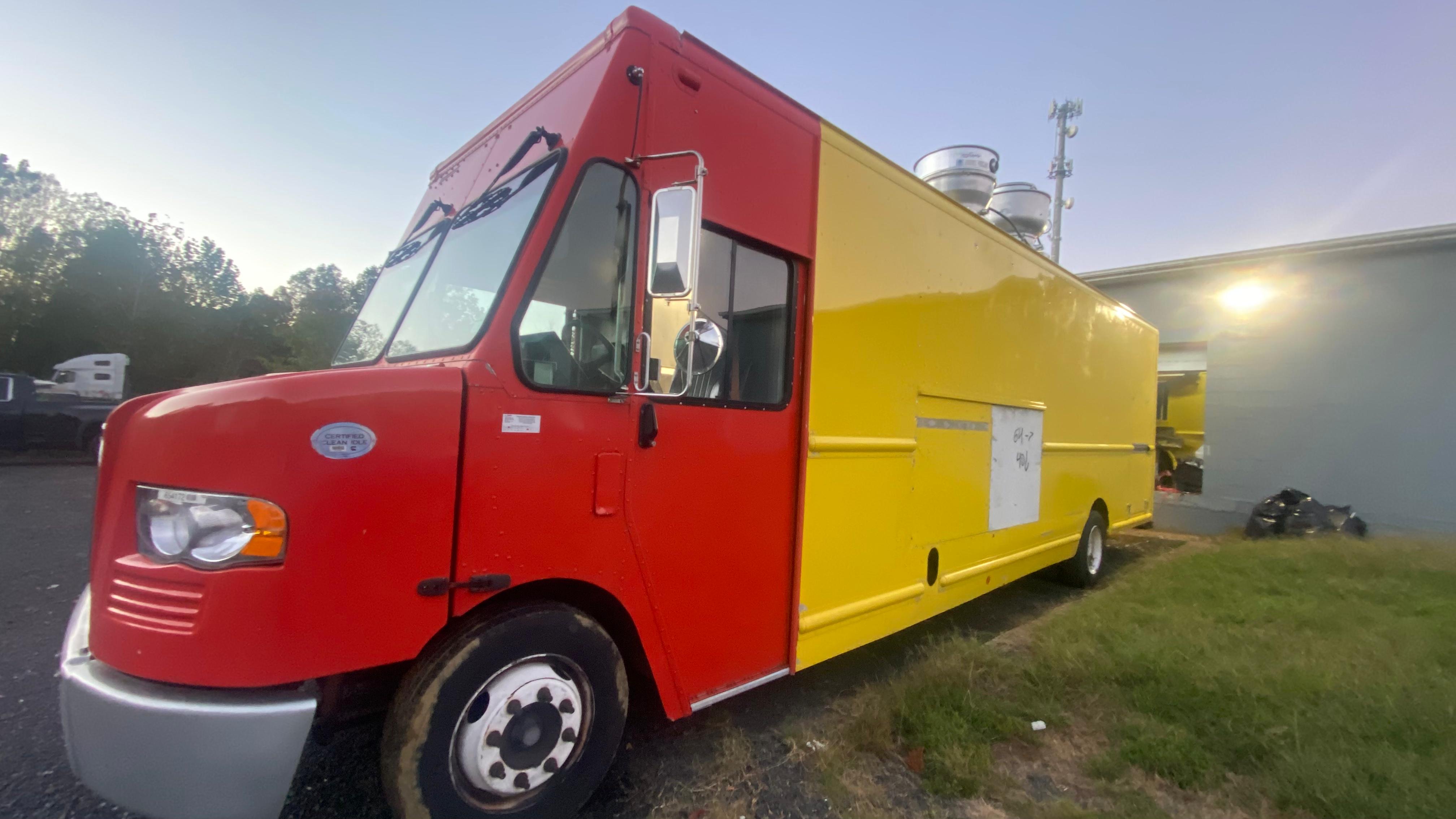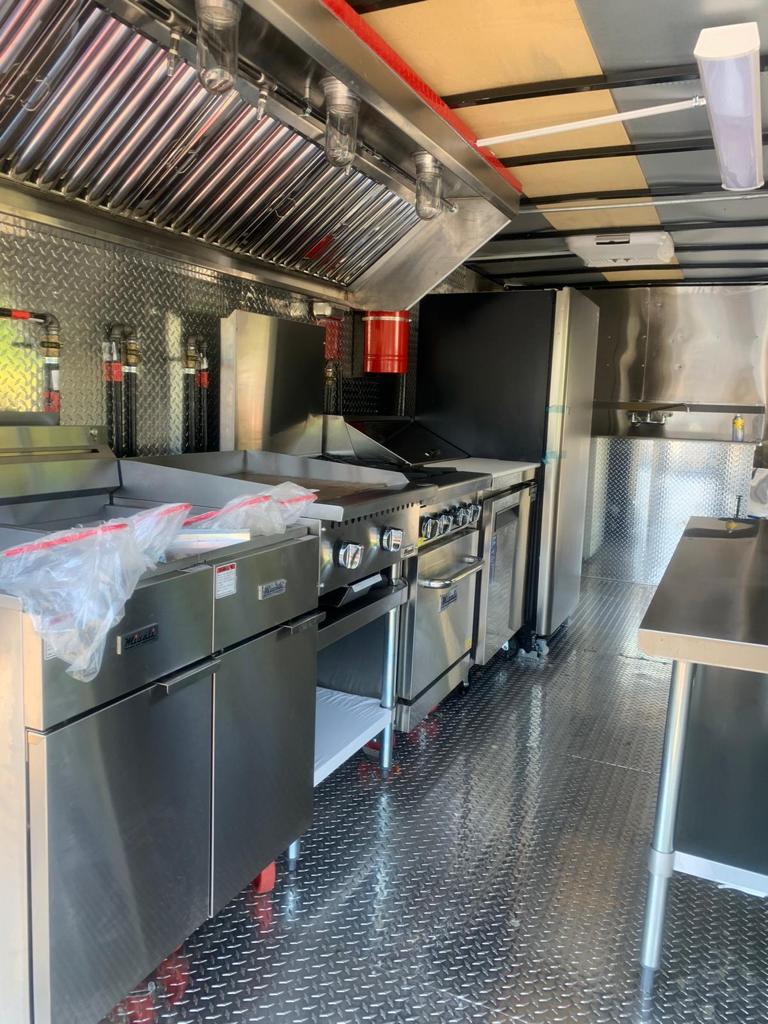
Food Truck Maintenance Schedule: Keep Your Business Running
Most Food Truck Breakdowns Aren't Bad Luck. They're a Missed Schedule.
Ask any owner who's been towed off the road at 6pm on a Friday. The story is almost always the same: something gave out that had been giving warnings for weeks. A food truck maintenance schedule isn't paperwork. It's the difference between a $200 part and a $3,000 repair plus a lost weekend of sales.
Here's the reality nobody puts on the brochure. A food truck runs its engine, its generator, its refrigeration, its fryer, and its water system — often all at once, often in 95-degree Houston heat. That's not a vehicle. That's a commercial kitchen bolted to a drivetrain. Treat it like a car and it will fail like a kitchen.
What Actually Breaks First (And Why It's Never What You Think)
New owners obsess over the engine. The engine is usually fine. What kills food trucks is everything downstream of it.
The generator is the number one failure point. It runs harder than the engine, sits in worse conditions, and gets serviced last. In a 2025 survey of mobile food operators, generator and electrical faults accounted for roughly 34% of unplanned downtime — more than tires, brakes, and engine combined. If you're still deciding how to power your build, our breakdown of food truck generator installation cost is worth reading before you buy anything.
Second is refrigeration. A compressor that's been cycling in summer heat doesn't fail gracefully. It fails at 4pm with $800 of product inside.
Third is the water system — pumps, lines, and the gray water tank. Small leaks become big ones, and health inspectors notice.
The Food Truck Maintenance Schedule That Actually Holds Up
Forget the 30-page manual. Here's what a working schedule looks like when you're running five days a week.
Daily (5 minutes, before you open)
Check oil and coolant. Walk the generator. Look under the truck for drips. Test the fridge temperature. That's it. Five minutes.
Weekly
Clean the generator air filter, check tire pressure, inspect propane connections with soapy water, and empty the grease trap. This is the block most owners skip — and it's the one that pays for itself.
Monthly
Change the generator oil (yes, monthly if you're running daily). Inspect belts and hoses. Deep-clean the hood and filters. Test your GFCI outlets. Check the fire suppression system gauge.
Quarterly
Full engine service. Brake inspection. Water pump and line check. Refrigeration coil cleaning. Propane system pressure test.
Annually
Fire suppression certification (required in most states). Health permit renewal. Full electrical inspection. Generator valve adjustment.
That's the whole thing. It's not complicated. It's just relentless.
What This Schedule Actually Costs You in 2026
Numbers, because vague advice is useless.
A monthly generator service runs $120–$180 if you do it yourself, $250–$400 if you pay someone. Annual fire suppression certification: $150–$300 depending on your state. Refrigeration service call: $200 just to show up, $600–$1,200 if a compressor is involved. Full engine service at a commercial shop: $400–$700.
Total realistic annual maintenance budget for a working truck: $4,500 to $7,000. If that sounds high, price out a single blown generator on a Saturday night. You'll change your mind.
And this is before you factor in the soft costs — the catering gig you cancel, the regulars who don't come back, the reputation hit when your truck is dark two weekends in a row. Marketing can't fix a truck that isn't running. If you want to see how operators pair reliability with growth, our piece on food truck marketing ideas that work locally is a good companion read.
Where Most Owners Get This Wrong
They treat maintenance as reactive. Something breaks, they fix it, they move on. That's not a schedule — that's triage.
The operators who survive past year three do something different. They log everything. Every oil change, every service call, every weird noise. After 18 months, that log tells you exactly which components are aging and when they'll fail next. That's when maintenance stops being a cost and becomes a forecast.
There's a second mistake, and it's structural. If your truck was converted from a van or built by a shop that didn't think about service access, every job takes twice as long. Generator buried behind a panel? Water pump under the sink? You'll pay for that design decision every month for as long as you own the truck. This is where mobile kitchen consultations before you buy or convert save real money — not on the build, but on the ten years of maintenance that follow it.
And if you're weighing whether to lease equipment instead of buying it — which shifts maintenance responsibility in ways most owners don't read carefully — our breakdown of equipment leasing pros and cons covers the fine print.
The One Thing That Separates Trucks That Last From Trucks That Don't
It's not the brand. It's not the budget. It's whether the owner treats the truck like a business asset instead of a vehicle they happen to cook in.
A truck that gets a real food truck maintenance schedule — daily checks, weekly cleaning, monthly service, quarterly inspection — will run 8 to 12 years. A truck that gets "fixed when it breaks" averages four. Same truck. Same city. Different owner.
If you're planning a build or a conversion and want to get the service access right from day one, get a custom quote and ask them specifically how the generator, water system, and refrigeration are accessed for service. The answer will tell you more about the build than any spec sheet.