Food truck equipment installation checklist: verify this
Most Food Truck Equipment Installation Checklists Are Written by People Who've Never Built One
Here's the thing about a food truck equipment installation checklist: the ones floating around online are checklists for buying appliances, not installing them. They tell you to "verify the fryer works." No kidding. The real problem you're searching for is different — you're about to hand over $40,000 to $90,000 for a build-out, and you need to know what to physically verify before you drive that truck off the lot and discover the ventilation can't handle a flat-top and a fryer running at the same time.
So let's talk about the checklist that actually matters. The one that keeps you from failing a fire marshal inspection in Houston, or discovering in month three that your generator can't run your refrigeration and your hood fan together.
The Installation Checklist That Actually Determines Whether You Pass Inspection
Fire marshals and health inspectors don't care that your equipment is shiny. They care about specific, measurable things. And the failures I see most often come down to three systems: gas, ventilation, and electrical.
Gas: The Line Sizing Nobody Checks Until It's Too Late
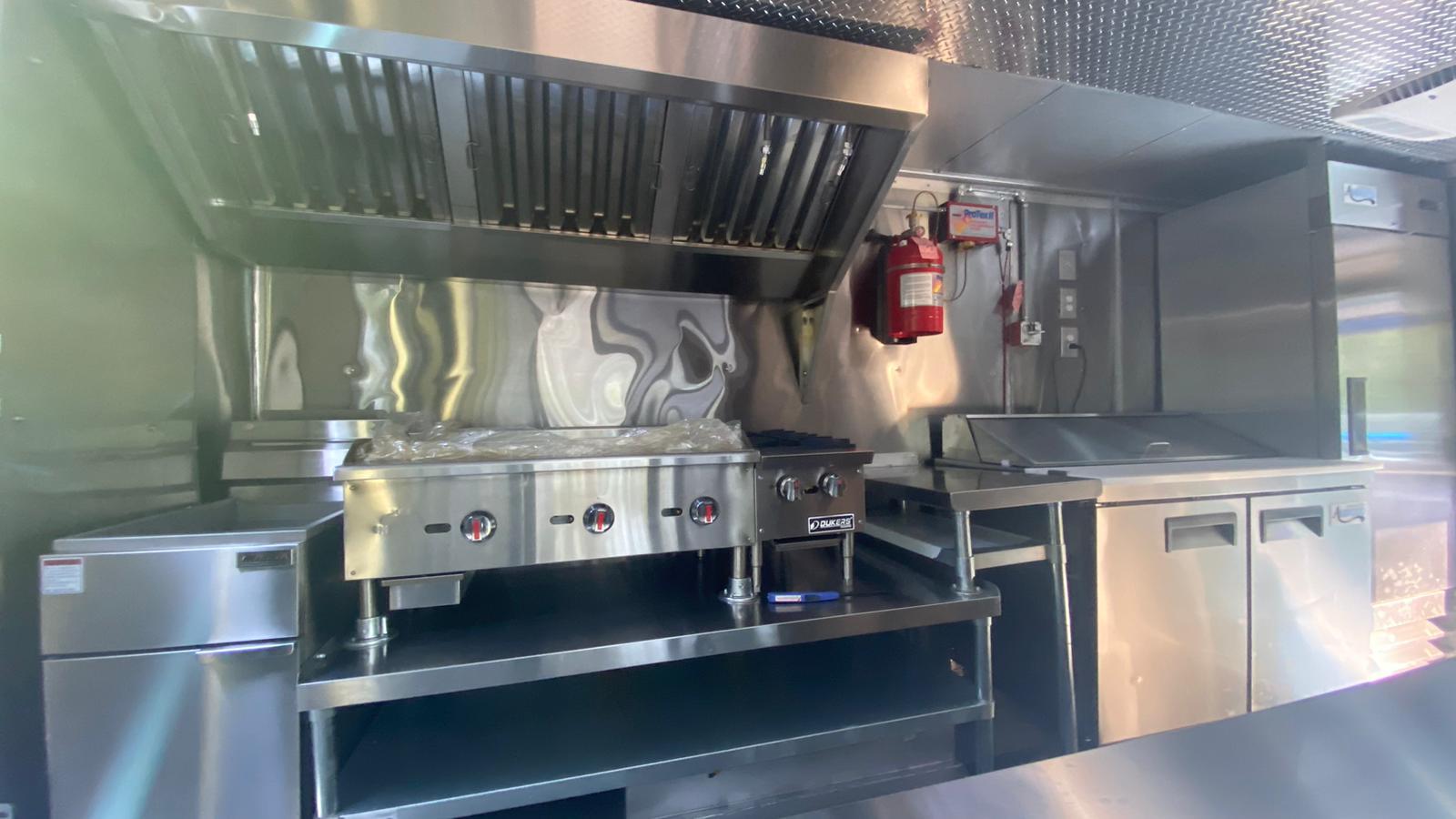
Your propane system needs a demand calculation before anyone runs a single pipe. A common failure: someone installs a two-burner range, a flat-top, and a fryer, then runs 3/8-inch copper line because that's what was on the shelf. The appliances light, but the pressure drops when everything runs at once, and now your flat-top won't hold temperature during a lunch rush. Verify the total BTU demand of every gas appliance, confirm the line diameter matches that demand, and check that every connection is accessible for leak testing. That's not optional. That's the difference between cooking and not cooking.
Ventilation: CFM Is a Number You Need to Know
Your exhaust hood needs to move enough air to clear smoke and grease vapor — typically 100 CFM per square foot of hood face for a standard canopy, more for heavy-duty cooking. If your hood is undersized, you'll know it the first time you run a grill. The truck fills with smoke, the fire suppression system gets greasy faster than it should, and you're looking at a $1,200 to $2,500 rework. Verify the CFM rating on the hood, confirm the make-up air (the air coming in to replace what's exhausted) is balanced, and check that the fire suppression nozzles are positioned over every cooking appliance per the manufacturer's spec — not just "somewhere near the grill."
Electrical: Do the Load Math Before You Plug In
Add up the running amps of every piece of equipment, then add 25% for startup surge on anything with a compressor or motor. A typical setup — one fridge, one freezer, a hood fan, lights, a POS system, and a small water heater — can pull 40 to 60 amps. If you're running off a generator, verify it handles that load plus surge. If you're plugging into shore power at a commissary, confirm the outlet amperage matches. I've seen trucks built with a 30-amp shore connection that couldn't run the refrigeration and the hood fan at the same time. That's a $3,000 mistake nobody warned them about.
What the Build Budget Doesn't Tell You About Installation
Equipment installation typically runs 10% to 15% of the total build cost — but that number hides the real expenses. Custom fabrication for mounting, fire suppression certification (usually $500 to $1,200), gas leak testing, and the electrical panel work that always costs more than quoted. If you're still mapping out the full financial picture, our breakdown of food truck build budget planning and the real numbers covers where the money actually goes in 2026.
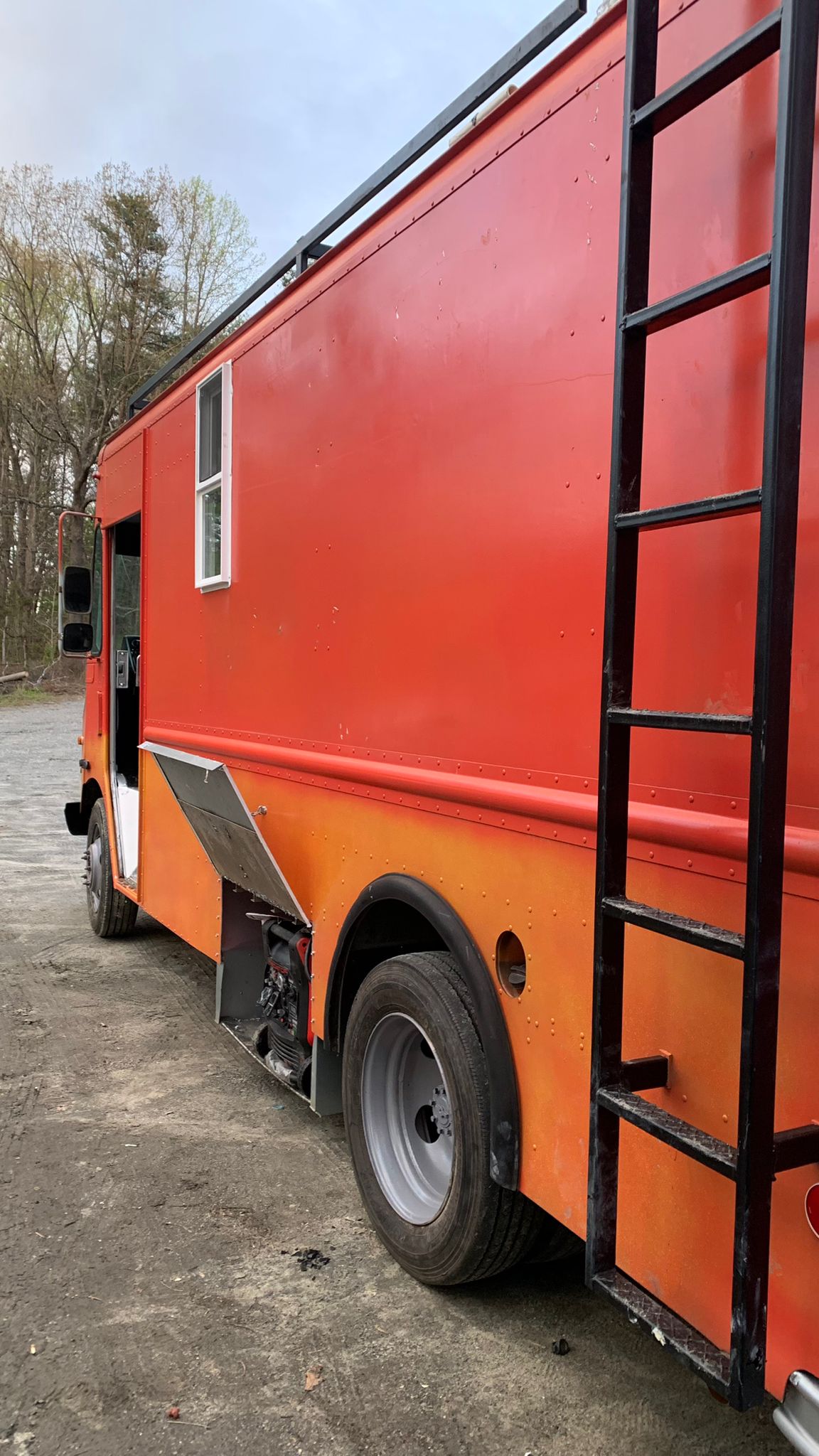
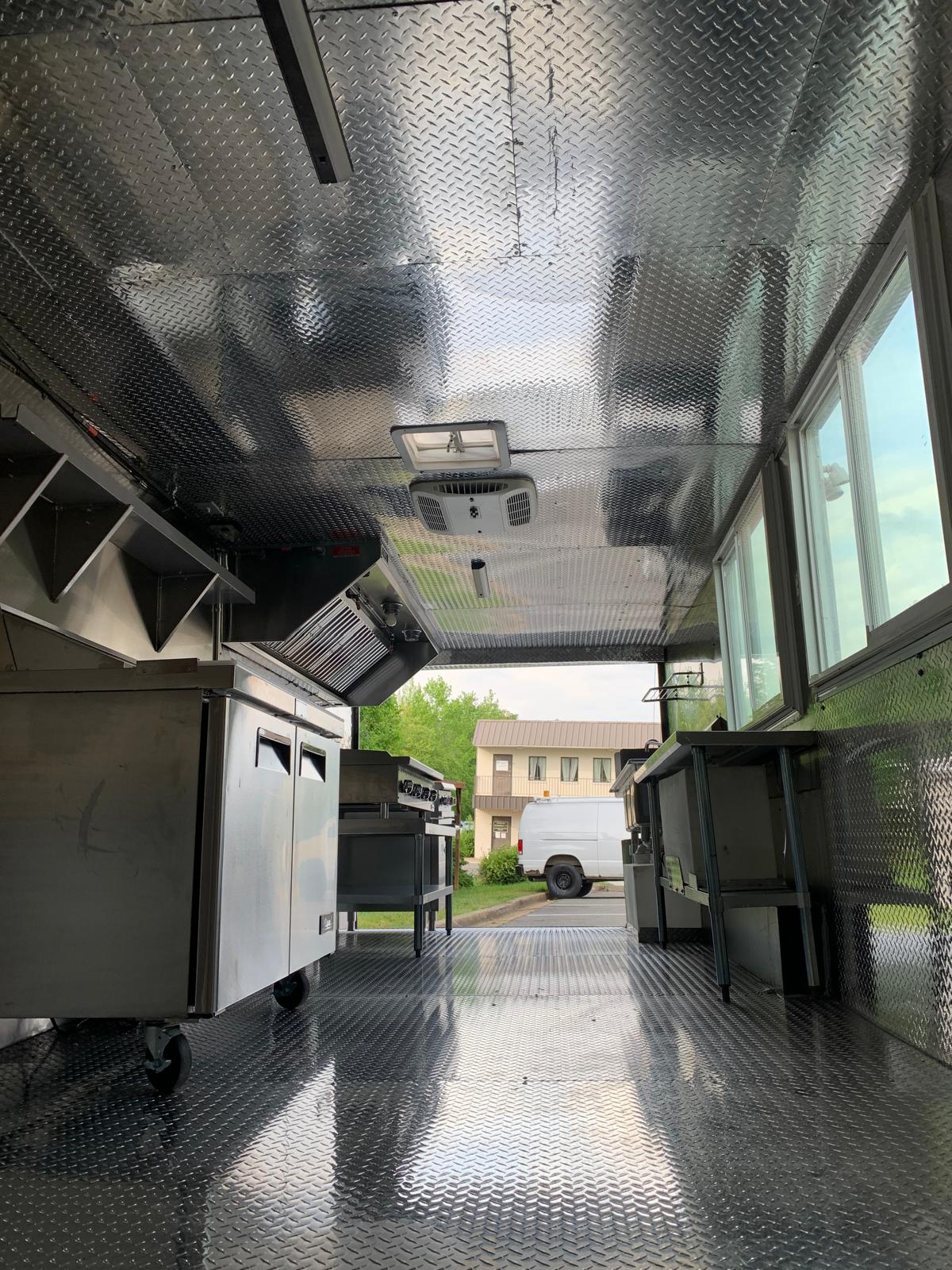
And here's what nobody mentions: the installation checklist isn't just about the equipment. It's about the truck itself. Is the floor rated for the weight of a full fridge and a flat-top? Is there a floor drain near the cooking line? Are the equipment legs sealed to the floor for health code? These are the things that get flagged in inspection and cost you a week of downtime right when you're trying to open.
Verify These Before You Sign Off on the Build
Let me give you a concrete list — the things you physically walk through with the builder before money changes hands:
Gas: Leak test every connection with soapy water while the system is pressurized. Confirm line sizing matches total BTU demand. Check that shutoff valves are accessible.
Ventilation: Run the hood at full speed and hold a tissue near the edge of the canopy — it should pull toward the hood, not away. Verify the fire suppression system has been tagged and certified by a licensed installer.
Electrical: Turn on every appliance simultaneously and check for voltage drop. Confirm GFCI protection on all circuits near water. Verify the panel is labeled.
Water and waste: Fill the fresh water tank, run the pump, and check for leaks at every connection. Confirm the grey water tank capacity matches your expected daily use — a busy truck can generate 40 to 60 gallons of grey water a day.
Mounting and safety: Every appliance should be secured so it doesn't shift in transit. Check that fire extinguishers are mounted and charged, and that the K-class extinguisher is within reach of the cooking line.
If you're working with a builder and want a second set of eyes on the plan, mobile kitchen consultations can catch the gas and electrical issues before they become expensive problems. And if you're still deciding between a truck and a trailer, our comparison of food truck vs concession trailer covers which one handles installation differently.
The Checklist Is Really a Conversation With Your Builder
You can download a hundred PDFs and still miss the one thing that fails your inspection. The installation checklist that works is the one you walk through, in person, with the person who built the truck — asking specific questions about gas pressure, CFM, and amp load. The equipment is the easy part. The systems around it are where trucks fail.
If you want to see what a properly installed build looks like before you commit, what to expect from a turnkey food truck in 2026 shows you the standard you should be holding your builder to. And when you're ready to talk through your specific setup, get a custom quote — but bring the checklist. Ask the hard questions. The builder who answers them clearly is the one worth hiring.