Food Truck Equipment Leasing: Pros and Cons for 2026
Food Truck Equipment Leasing: The Deal That Looks Too Good Until Month 37
A $42,000 custom build-out. Zero down. $890 a month. That's the pitch you'll hear from at least three leasing companies before you've even picked a truck color. And on paper, food truck equipment leasing looks like the smartest move a new operator can make — you keep your cash, you get the gear, you start selling.
Then month 37 arrives, the lease ends, and you realize you've paid $32,000 for equipment you don't own, that's worth maybe $19,000 used, and the buyout clause wants another $12,500. That's the part nobody puts in the brochure.
I've watched this play out in Houston, in Austin, in Seattle. The operators who survive year two aren't the ones who leased the fastest. They're the ones who understood exactly what they were signing. So let's talk about the real pros and cons — not the sales version.
What Leasing Actually Gets You (And It's Not Nothing)
Let's be fair to the model, because it does solve real problems.
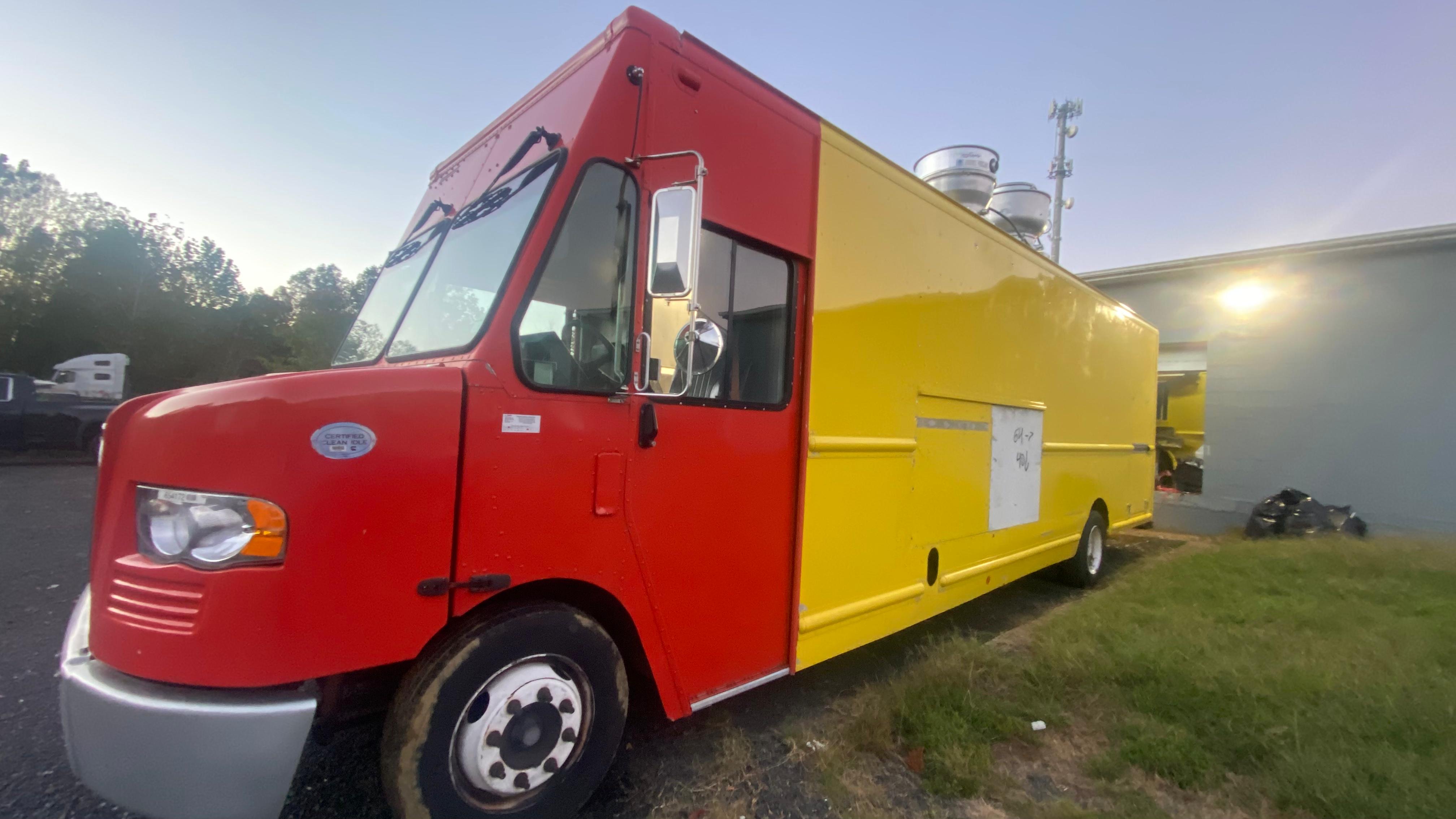
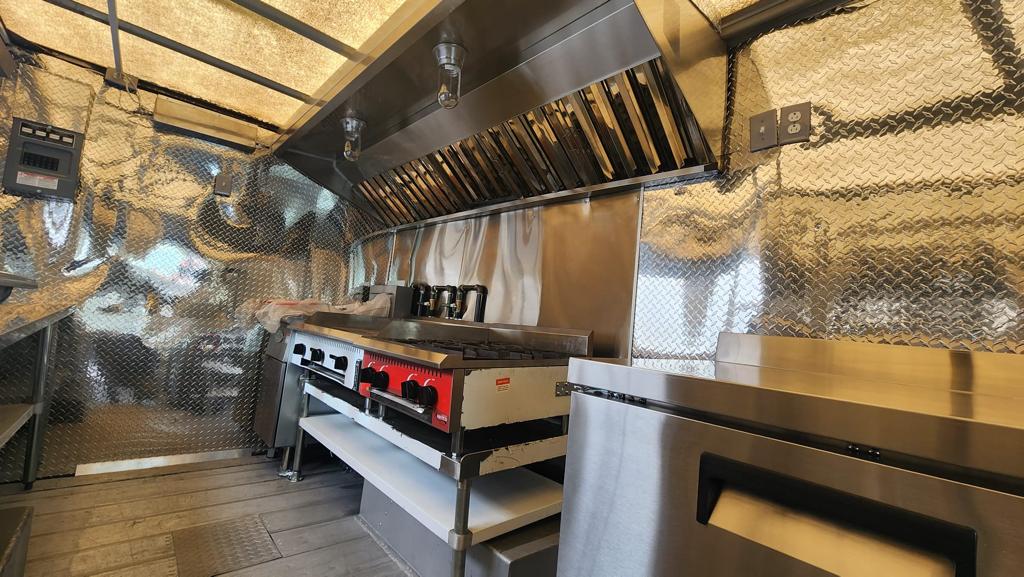
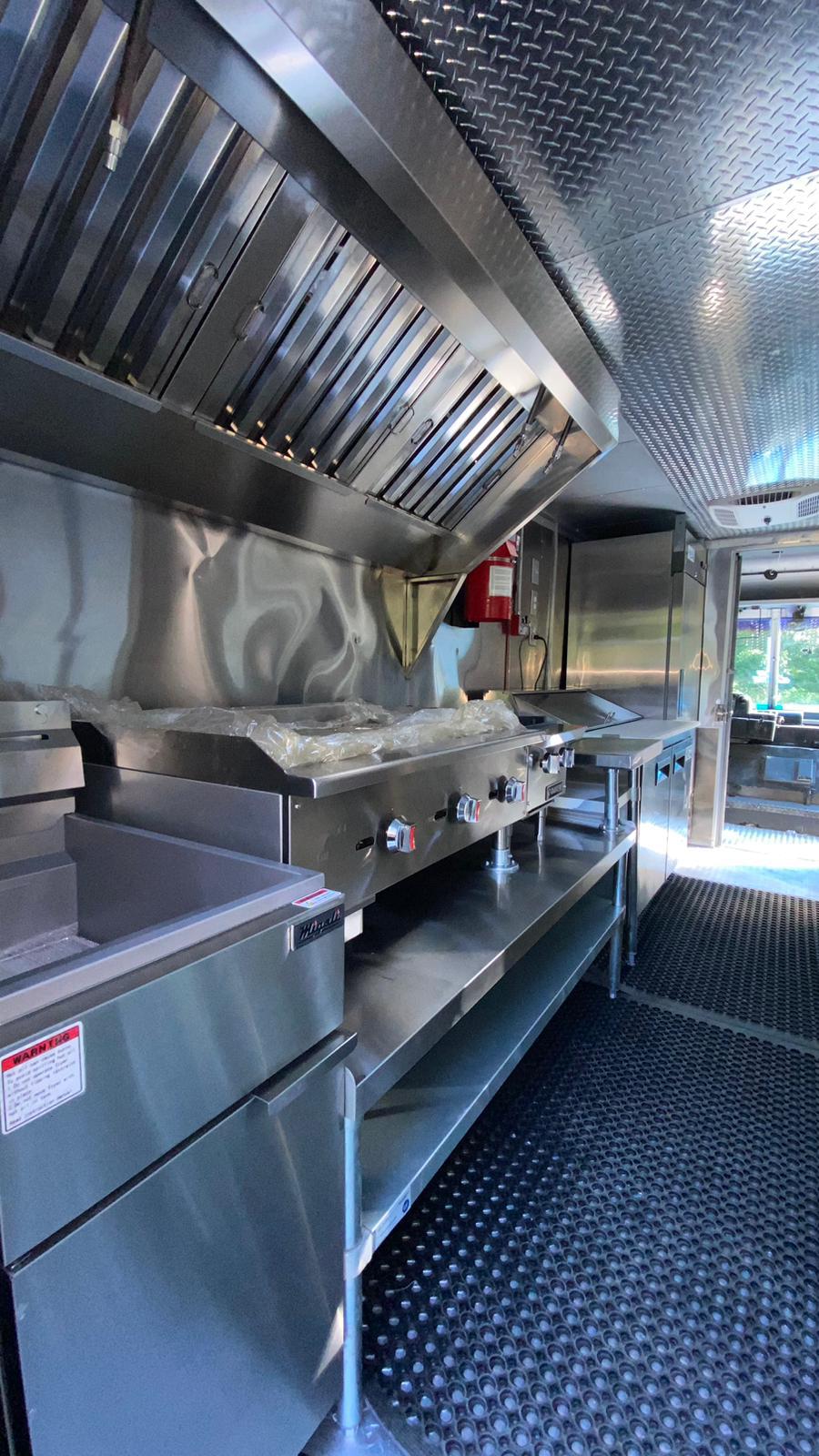
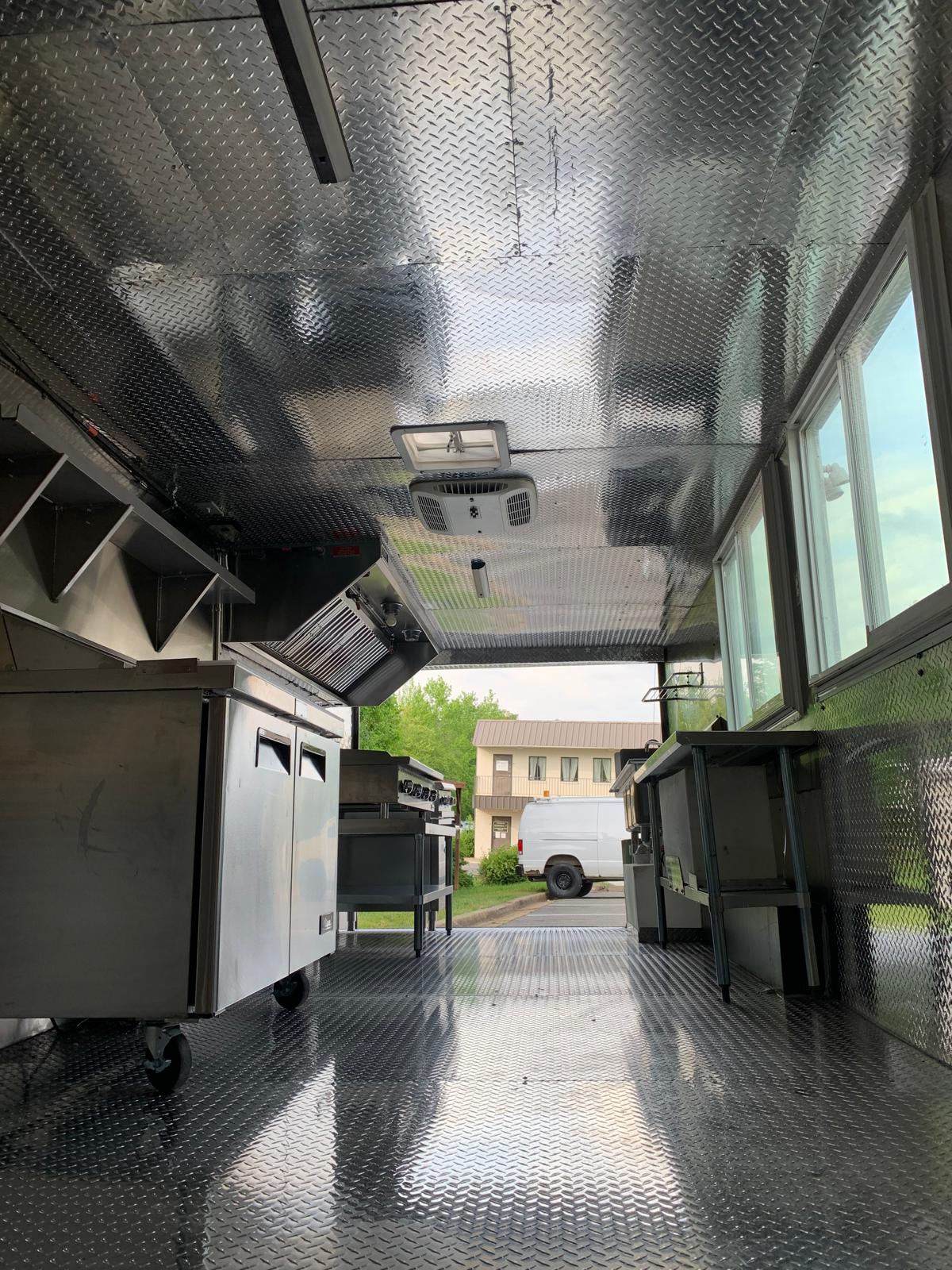
Cash flow is the biggest one. A full commercial build-out — fryer, griddle, hood system, refrigeration, three-compartment sink, generator — runs $35,000 to $55,000 depending on the concept. Leasing turns that into a monthly payment of $750 to $1,200. For someone opening their first truck with $20,000 in savings, that's the difference between launching this spring and launching never.
There's also the maintenance angle. Most equipment leases include service coverage. When your refrigeration compressor dies on a Friday night in July, that matters. A repair like that runs $1,400 out of pocket if you own it. Under a lease with a service agreement, it's a phone call.
And here's the underrated one: tax treatment. Section 179 and bonus depreciation rules in 2026 still favor certain lease structures for small operators. Your accountant will tell you the specifics, but the write-off can be meaningful in year one.
Where Food Truck Equipment Leasing Quietly Bleeds You Dry
Now the other side.
The total cost of a five-year lease on that $42,000 build-out typically lands between $53,000 and $58,000. You paid 30% more than the equipment was worth. And at the end, you own nothing unless you exercise the buyout — which usually runs 10% to 20% of the original value.
What nobody mentions is the mileage and usage clause. Some leases cap your operating hours or require you to report event days. Go over, and there's a penalty. Read that section twice. I've seen operators hit with $2,300 in overage fees they didn't know existed.
Then there's the modification problem. Want to add a second fryer or swap your griddle for a flat-top? Under a lease, that's a negotiation. Under ownership, it's a Tuesday. If your concept is going to evolve — and most do within 18 months — leasing locks you into the equipment mix you chose when you knew the least about your own business.
And if you're running a box truck conversion, the leasing math gets even messier because the equipment and the vehicle are often financed separately. The real costs of a box truck conversion are worth understanding before you let a lender bundle everything into one payment.
The Ownership Alternative Nobody Pitches You
Here's the thing. Leasing isn't the only way to avoid the $42,000 upfront hit.
You can buy used. A three-year-old commercial setup — hood, fryer, refrigerated prep, generator — sells for $16,000 to $24,000 in most metro markets. It won't be pretty. It will work. And you'll own it outright in month one.
You can also phase your build. Start with the essentials, add the second fryer and the extra refrigeration after you've proven your menu. That approach requires knowing which equipment is actually load-bearing for your concept — and that's where mobile kitchen consultations earn their keep. A 45-minute conversation about your menu and volume can save you $8,000 in equipment you didn't need.
The Generator Question Changes Everything
One piece of equipment deserves its own paragraph: the generator. If you're leasing, the generator is often excluded or leased separately at $180 to $320 a month. Over five years, that's $11,000 to $19,000 for a unit that costs $6,500 to $9,000 new. Generator installation costs vary wildly by city and by whether you're mounting, wiring, or soundproofing — but the leasing premium on this single item is where a lot of operators get quietly taken.
So Which One Do You Actually Choose?
It depends. And that's not a cop-out — it's the honest answer.
Lease if: you have under $25,000 in capital, your concept is proven (you've cooked this menu before), and you need to be operational within 60 days. The premium you pay is the price of speed and preserved cash.
Buy if: you have $30,000+ available, your menu is still evolving, or you plan to run this truck for more than four years. Ownership wins on almost every long-term metric.
And if you're in Washington state, factor in the permit timeline before you commit to any financing — the health permit process there can take 6 to 10 weeks, and you don't want to be paying lease payments on a truck that can't legally operate yet.
One more thing people forget: your parking situation affects the financing decision. A trailer that stays in one spot has different equipment needs than a truck doing four locations a day. The maneuverability trade-offs between trucks and trailers change what you should even be leasing in the first place.
None of this is about avoiding leasing. It's about signing the right one with your eyes open. If you want real numbers for your specific concept — your menu, your city, your volume — get a custom quote and see what the actual monthly looks like before a lender tells you what they want it to be.
The operators who make it past year two aren't the ones who found the cheapest payment. They're the ones who knew what the payment was really buying.