Virginia Food Truck Permit Fees: The Real 2026 Breakdown
Virginia Food Truck Permit Fees: What the State Website Won't Tell You
Most articles about Virginia food truck permit fees give you a tidy list of state agencies and call it a day. That's useless. The state doesn't issue a single permit that lets you operate — your real costs come from the county, the city, the health district, and sometimes all three at once. And the numbers swing so hard that a truck legal in Norfolk might be completely unlicensed 90 miles west in Roanoke.
Let me give you the real picture.
What You'll Actually Pay in 2026
Here's the honest range: $300 to $2,500 per year in combined local permits, before you sell a single taco.
Fairfax County charges $1,000+ for a mobile food unit permit when you stack it with the health department inspection fee and fire marshal sign-off. Richmond is friendlier — around $400–$600 total for most vendors. Rural counties like Floyd or Bath? You might escape under $300. But you'll also have fewer spots to park.
The Virginia Department of Health (VDH) requires every food truck to hold a valid permit from the local health district where you're based. That's separate from the business license, separate from the fire inspection, separate from the zoning approval. Miss one and you're shut down mid-service.
The Costs Nobody Puts on the Website
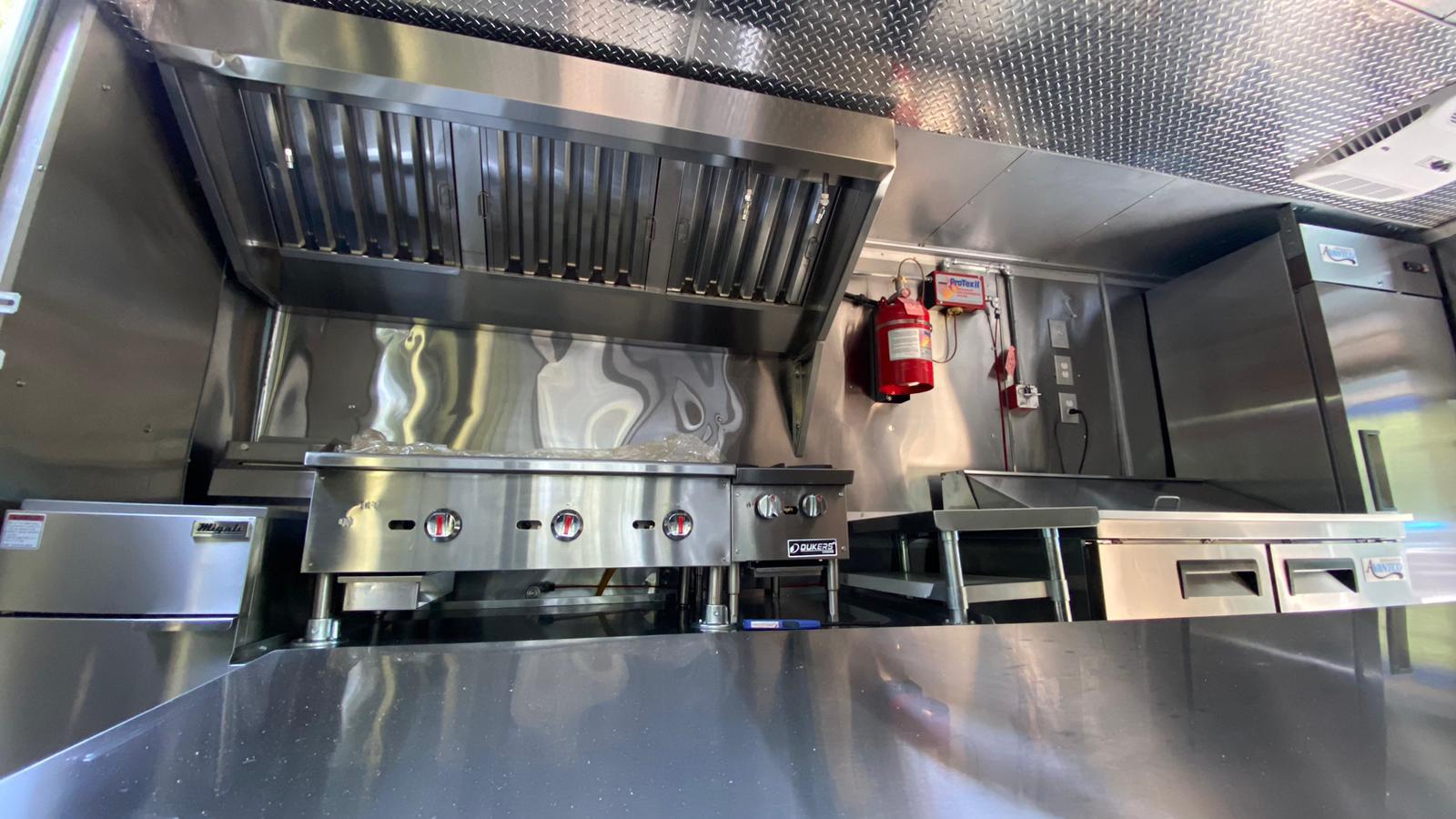
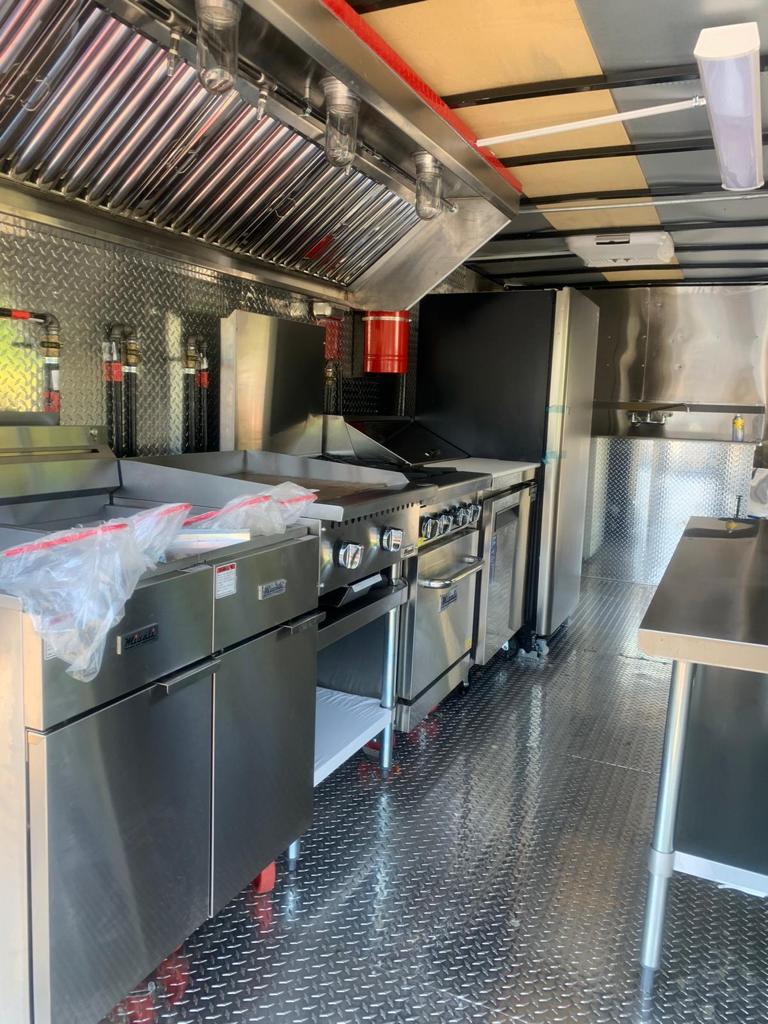
Fire marshal inspection: $50–$150, and it's annual in most jurisdictions. Propane system certification: another $75–$200 if you're running a fryer or flat-top. Commissary kitchen agreement — required in many counties — runs $300 to $800 a month, not a year. That last one catches new vendors off guard constantly.
If you're still planning your build, the numbers in our breakdown of food truck build costs in 2026 apply almost identically in Virginia — the permitting is what changes state to state, not the equipment.
Why Two Trucks in the Same City Pay Different Fees
Because Virginia runs on independent cities and counties, and they don't coordinate. Alexandria, Fairfax, Arlington, and Falls Church each set their own fee schedule, their own inspection cadence, and their own definition of what counts as a "mobile food establishment."
Arlington, for example, ties your permit cost to your commissary arrangement. No approved commissary, no permit — full stop. Meanwhile, a truck based in Chesterfield can operate in Richmond with a reciprocal agreement that costs almost nothing extra.
What nobody mentions: your base of operations determines your fees more than your route does. Choose your commissary location carefully. It's a $2,000 decision disguised as a parking decision.
What It Costs to Stay Legal All Year
Add it up honestly for a mid-sized Virginia city:
- Health department permit: $200–$500
- Business license (BPOL tax in many counties): $50–$400, scaled to revenue
- Fire inspection: $50–$150
- Commissary access: $3,600–$9,600 annually
- Liability insurance: $1,200–$2,400
That's roughly $5,000 to $13,000 a year just to exist legally in Virginia before you buy a single ingredient. Vendors who quote you "$500 and you're done" are either lying or operating in a county you don't want to work in.
And this is where a lot of first-year trucks fail — not because the food is bad, but because they budgeted for the fun stuff and not the paperwork. If you're still designing your rig, our guide to a compact food truck layout will help you cut build costs without cutting the equipment you legally need to pass inspection.
The Question That Actually Matters
Should you even bother with Virginia?
Yes — but only if you plan around the fees instead of resenting them. Virginia has a dense population corridor from D.C. down to Richmond, a strong brewery and winery scene that actively wants food trucks, and no state-level income tax on your food sales beyond the local meals tax. Compare that to Maryland or D.C. proper and the math often works out in Virginia's favor.
The trick is picking your home base like an accountant, not a foodie. A truck registered in a low-fee county that holds reciprocal agreements with the cities you actually serve can cut your annual permit spend by 40–60% compared to registering in Fairfax or Arlington directly.
Talk to vendors already running in your target market before you file anything. Not the ones on Instagram — the ones parked outside the Tuesday farmers market at 6am. They'll tell you exactly which clerk is slow, which inspection is a rubber stamp, and which county will nickel-and-dime you into next year.
Once you're legal, the game shifts to keeping the truck on the road. Our maintenance schedule guide covers what breaks first and when — because a failed inspection costs more than any permit fee on this list.
If you want real numbers for your specific concept and county, get a custom quote — we've built trucks for Virginia operators and know what each jurisdiction actually demands before you sign a lease.
Here's the thing most people miss: the permit fee isn't the cost. It's the entry ticket. The vendors who survive year two in Virginia are the ones who treated the $8,000 in annual compliance as a fixed line item, not a surprise. Budget it, plan around it, and the fee stops being the enemy.