What to Look for in a Food Truck Builder: 7 Factors
Most Food Truck Builders Are Selling You a Truck. Few Are Selling You a Business.
Walk through any fabrication shop and you'll see sparks, steel, and a guy who swears he's built "dozens of these." Then ask him how many of his trucks passed health inspection on the first try. Ask him what happens to a fryer line when the outside temp hits 104°F in a Phoenix July. Watch the answer change.
Knowing what to look for in a food truck builder isn't about comparing square footage or Instagram photos of shiny stainless. It's about figuring out whether the person welding your frame understands that you're not buying a vehicle — you're buying a licensed commercial kitchen that happens to move. That distinction is where most builds go wrong, and it's where your money either compounds or evaporates.
Here's what actually matters, in the order it matters.
1. Do They Build to Your Health Code, or Just Their Favorite Layout?
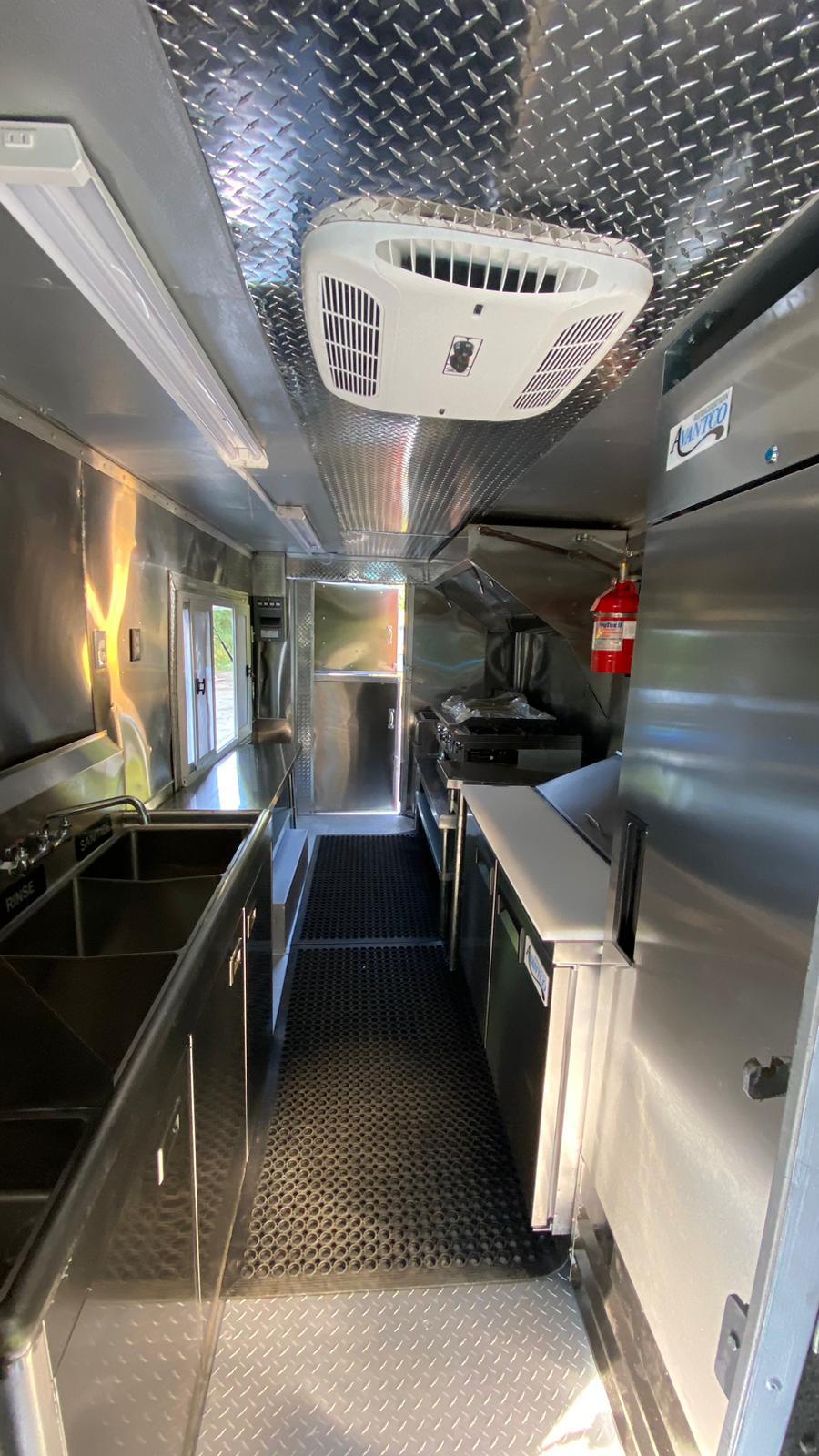
A builder in Dallas who's never worked in Seattle will hand you a truck that fails Washington's commissary rules on day one. Every state — sometimes every county — has its own requirements for hand sink placement, three-compartment sink dimensions, ventilation CFM, and fire suppression.
The right answer to "how do you handle code?" is never "we know what inspectors want." It's "which jurisdiction, and here's the specific checklist we build to." If a builder can't tell you the difference between a Texas and a Washington commissary setup without Googling, keep walking. You can read the specifics in our breakdown of Washington food truck commissary requirements to see how granular this gets.
2. The Equipment List Is Where Budgets Quietly Die
Here's a number worth internalizing: a realistic turnkey build in 2026 runs $85,000 to $175,000 for a full-size truck, and equipment alone can eat 40% of that. The builders who quote you $60,000 flat are either cutting the fire suppression system, undersizing the generator, or planning to bill you for "extras" once the deposit clears.
Ask for a line-item breakdown before you sign anything. If they can't produce one, that's your answer. Our guide to food truck build budget planning shows what the line items should actually look like.
The question that exposes a weak builder fast
Ask: "What's your contingency for equipment lead times?" A good builder has a number ready — usually 8 to 12 weeks for major equipment in 2026, thanks to ongoing supply chain friction. A bad one says "we've never had a problem."
3. Ventilation and Fire Suppression: Non-Negotiable, Non-Cheap
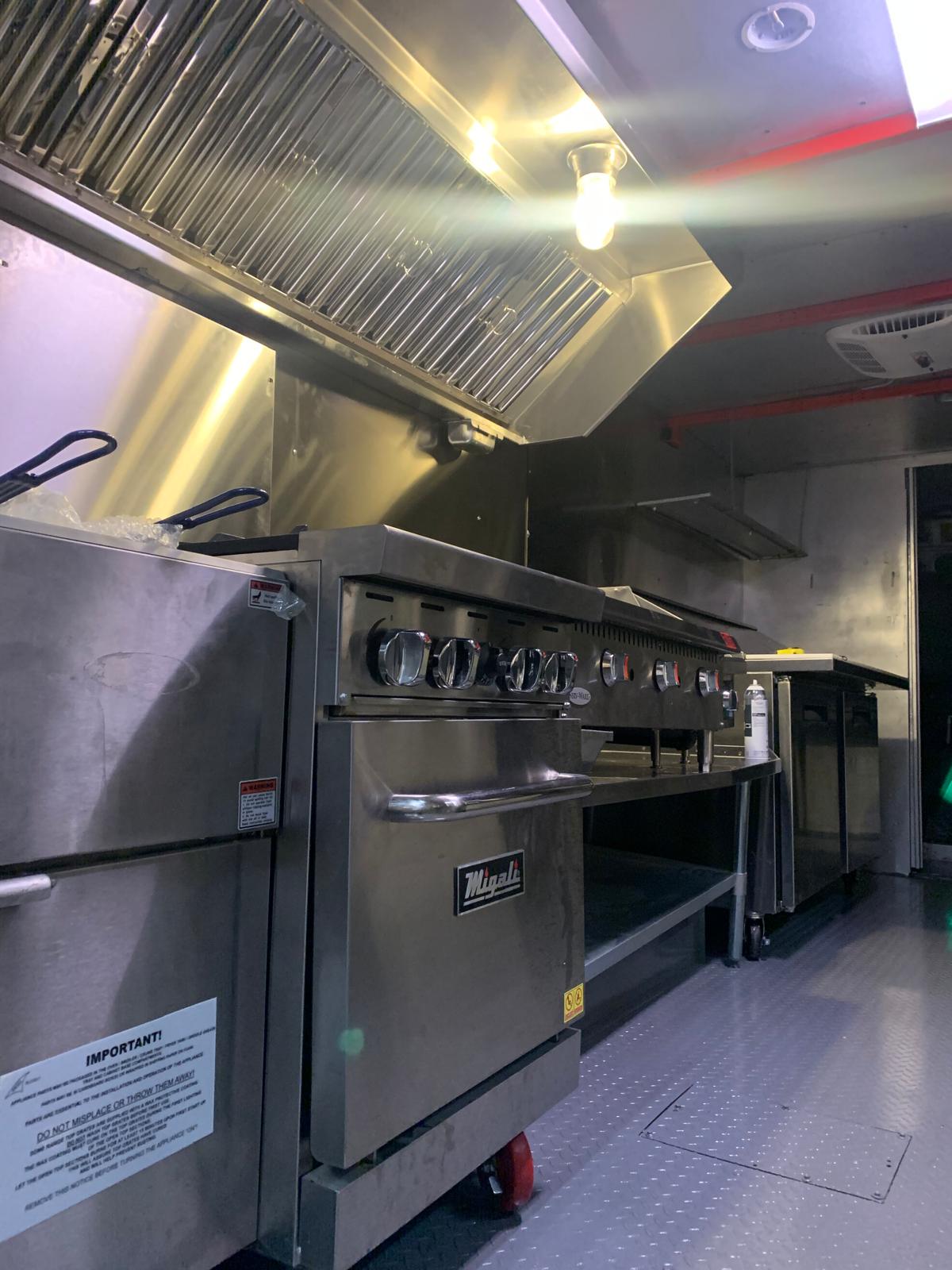
This is the factor buyers underestimate most. A proper Type I hood with fire suppression for a fryer-heavy concept runs $8,000 to $15,000 installed. Builders who skip it or install a cut-rate system are handing you a truck that fails inspection and, worse, a genuine fire risk in a 7-foot metal box.
Ask to see the UL 300 certification on the suppression system. Ask what CFM the hood pulls. If the builder can't answer in specifics, they're guessing — and you'll be the one paying for the guess.
4. Insulation and Climate: The Factor Nobody Talks About
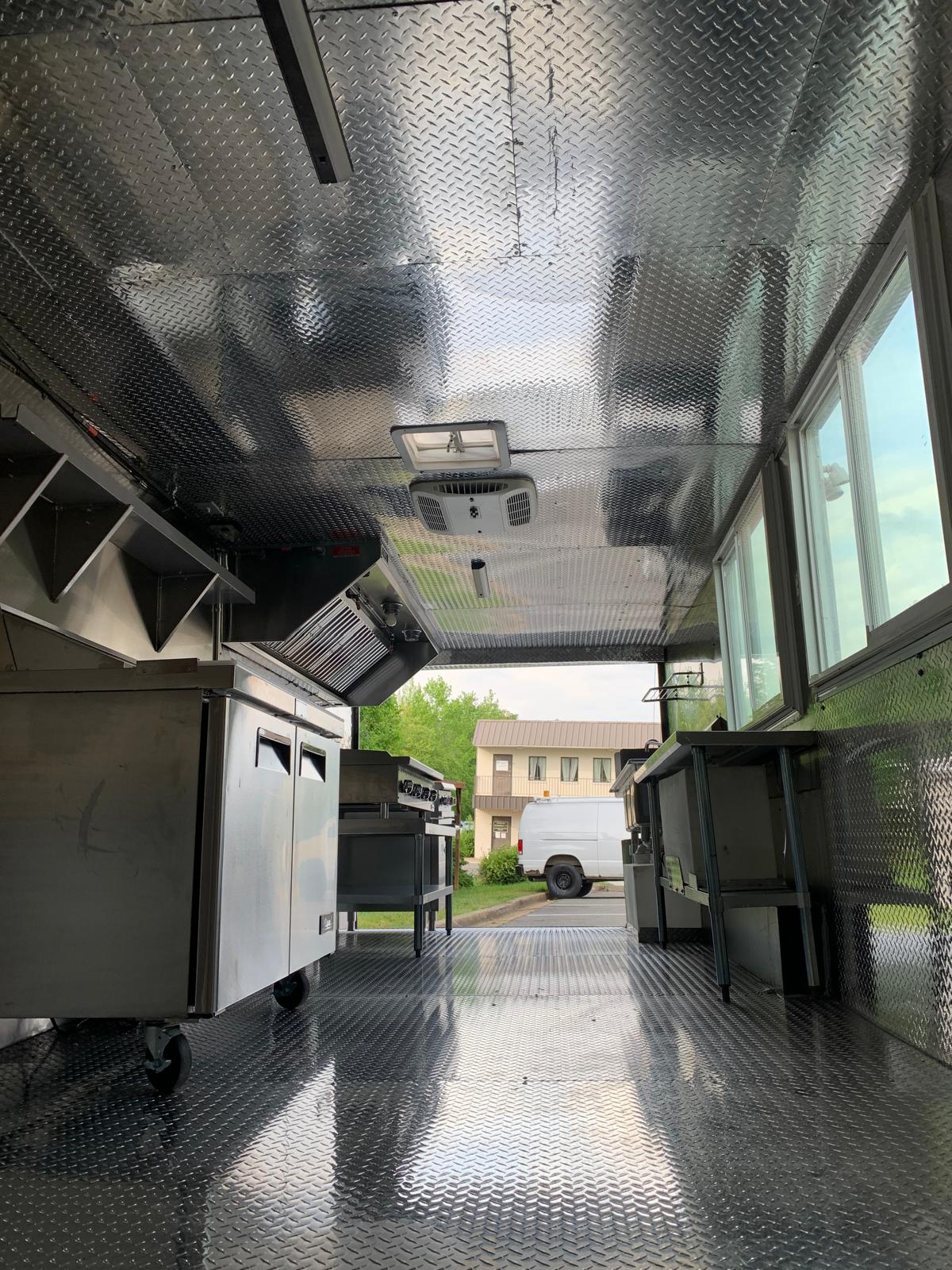
You're running a kitchen inside a metal shell in direct sun. Without proper spray-foam insulation and a correctly sized HVAC unit, your walk-in cooler fights the outside temperature all day, your generator works overtime, and your food safety margins shrink.
Ask what R-value they insulate to and how they size the AC. A builder who says "standard insulation" without a number is a builder who's never had a customer work a summer festival in Houston.
5. Can They Show You a Truck They Built Three Years Ago?
Anyone can show you a fresh build. The real test is a truck that's been working for three years. Ask for references and actually call them. Ask two questions: "What broke first?" and "How did the builder handle it?"
The answers tell you everything about warranty behavior, which matters more than the warranty document itself.
6. Generator, Electrical, and the Load Calculation
A truck with a 12kW generator running two fryers, a flat-top, a fridge, and an AC unit is a truck that trips breakers at the worst possible moment. A competent builder does a real load calculation and sizes the electrical panel to match — not to whatever generator they got a deal on.
Ask for the load calculation in writing. This is where cheap builds show their seams.
7. Do They Understand the Build Process, or Just the Build?
The best builders walk you through permits, inspection scheduling, and commissary agreements before you've paid a deposit. They know that a truck without a commissary contract in many states is a truck that can't legally operate. That's not fabrication — that's business knowledge, and it's the difference between a builder and a welder.
If you want to see what a properly sequenced build looks like from chassis to first service, this step-by-step food truck build guide maps it out. And if you'd rather talk through your specific concept before committing to a builder, mobile kitchen consultations exist precisely for that gap.
The Builder You Choose Decides Your First Two Years
Here's the thing nobody puts on a sales page: the wrong builder doesn't just cost you money upfront. It costs you the first 18 months of your business — the months you should be building a customer base, not fighting warranty claims and reinspection fees.
The right builder will slow you down before the deposit, ask annoying questions about your menu, your climate, and your county, and hand you a line-item budget you can actually plan around. That friction is a feature. If you want to see real numbers for your concept and your city before you sign anything, get a custom quote — and read the fine print on the equipment list twice.