Food Truck Build Budget Planning: The Real Numbers
Most Food Truck Build Budget Planning Is Written by People Who've Never Paid a Fabrication Invoice
Food truck build budget planning gets treated like a math problem. Add up the truck, the kitchen, the permits, done. Anyone who's actually stood in a fabrication shop at 4pm on a Friday, watching a welder explain why the generator box needs to move six inches, knows that's fiction. The real number isn't a total. It's a range, and the range is wider than almost anyone tells you.
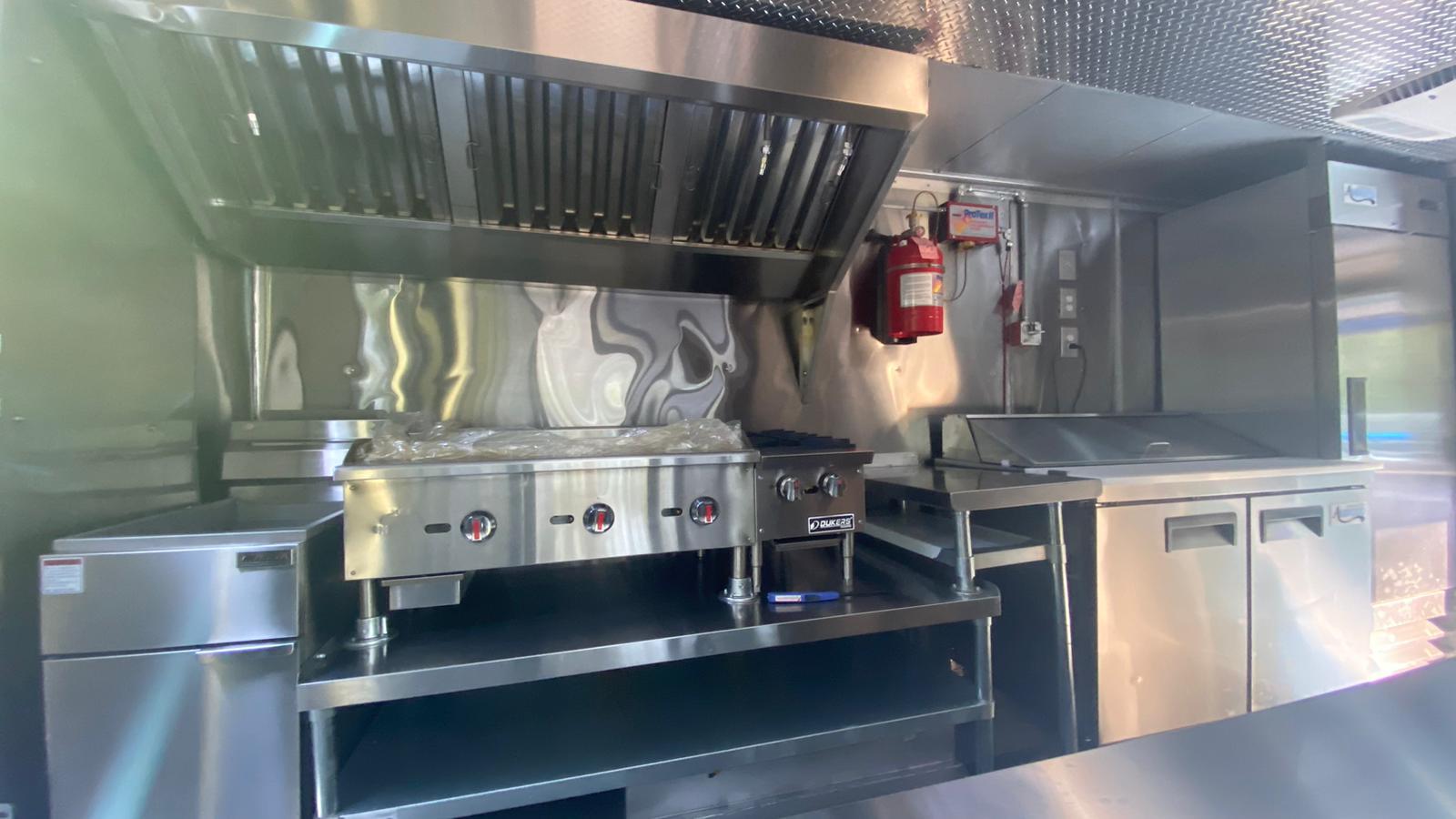
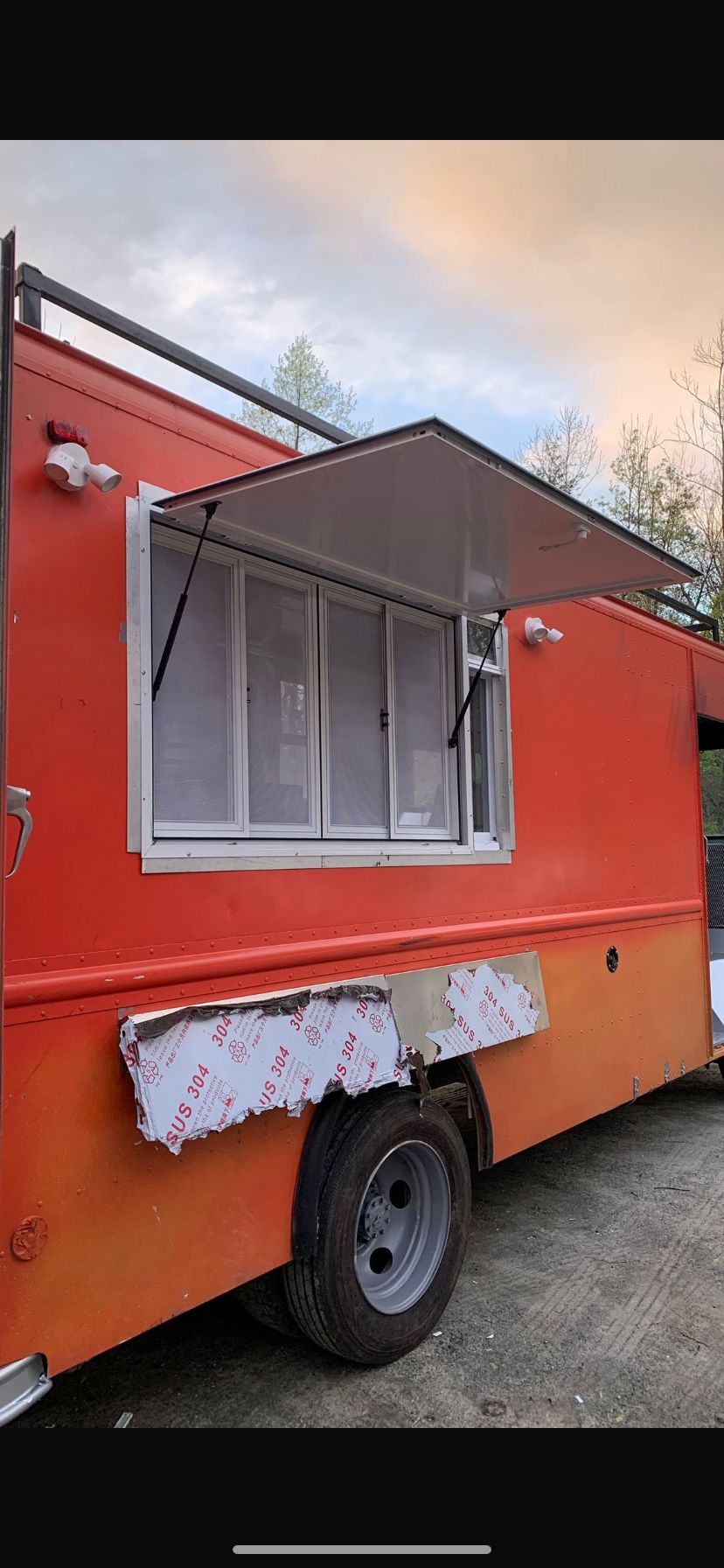
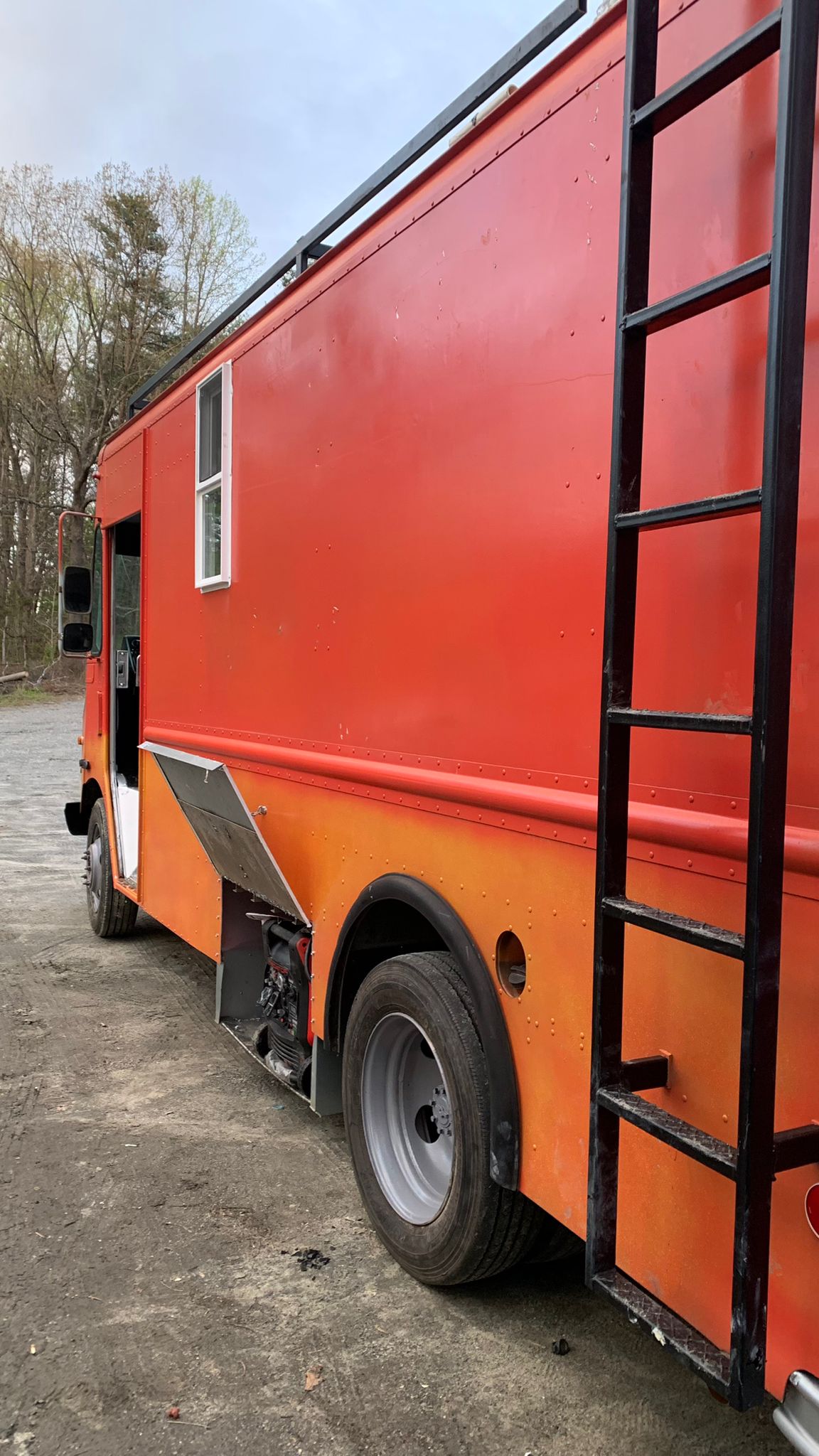
Here's what a real build looks like in 2026. A used step van in decent shape runs $18,000 to $35,000. A full kitchen build-out — hood, fire suppression, three-compartment sink, refrigeration, electrical — runs $45,000 to $85,000 depending on the menu and the market. Permits, commissary fees, and inspections add another $2,000 to $6,000 in most Texas cities. That's $65,000 on the low end and $125,000 plus on the high end, before you've bought a single tortilla.
So why does everyone quote you $50,000? Because they're quoting the truck they built in 2019, or the truck they saw on a forum, or the truck they wish they'd built. None of those numbers survive contact with a 2026 fabrication shop.
Where the Budget Actually Breaks
It's never the big line items. It's the three quiet ones that gut budgets.
1. The electrical system nobody scoped properly
A 48-inch hood with a make-up air unit needs real power. If your generator is undersized, you're not just paying for a bigger generator — you're paying to rewire, re-mount, and re-certify. That's a $6,000 to $12,000 surprise that shows up in week nine, when you've already spent the contingency.
2. The commissary agreement you signed too fast
In Houston, commissary fees run $400 to $900 a month. In Seattle, closer to $700 to $1,200. If you budgeted for $400 and signed at $900, you've just added $6,000 a year to your operating cost — and that money was supposed to be your first six months of marketing.
3. The health department's second visit
First inspection is expected. The second one — the one that happens because your hand sink wasn't mounted at the right height, or your floor drain was 1/8 inch off spec — costs you a month of build time and often $1,500 to $3,000 in rework. Plan for it. Everyone gets a second visit.
What a Realistic Build Budget Looks Like by City
Here's where location stops being abstract. The same truck costs meaningfully different amounts depending on where you build it and where you park it.
Houston: fabrication labor is cheaper than the coasts, but commissary access is competitive and permits move slowly. Budget $70,000 to $110,000 for a mid-tier build. The permit requirements in Houston, VA, and WA vary enough that you should read the local rules before you sign a lease on a commissary.
Seattle: labor and commissary both cost more. Same truck, $85,000 to $135,000. The upside is foot traffic and a customer base that pays premium prices.
Northern Virginia: somewhere in between, but the county-by-county permitting is a genuine headache. Budget time, not just money.
If you're deciding between a truck and a trailer, the math changes too — a concession trailer often saves $15,000 to $25,000 on the build but costs you mobility and some event access.
The Contingency Rule That Actually Works
Everyone says "budget 10% for contingency." That's not enough. For a first-time build, 20% is the honest number. Not because builders are dishonest — because you don't know what you don't know yet, and the things you don't know are expensive.
On a $90,000 build, that's $18,000 set aside. If you don't spend it, great — that's your first three months of operating capital. If you do spend it, you're not calling your uncle for a loan in week eleven.
And here's the part nobody says out loud: if you can't fund the 20% contingency, you can't afford the build yet. Wait. Save. The truck will still be there in six months. The debt won't forgive you.
Where to Spend and Where to Cut
Spend on the things you can't change later: the hood, the fire suppression, the electrical panel, the floor. Cut on the things you can upgrade in year two: the wrap, the POS, the menu boards, the smallwares.
A food truck wrap is a great example. You can launch with a clean, simple wrap for $3,500 and upgrade to a full brand treatment in year two. You cannot launch with an undersized hood and upgrade later. The health department will not let you.
If you're buying turnkey instead of building, the numbers shift — a turnkey truck in 2026 typically runs $95,000 to $160,000, but you're buying someone else's decisions along with the equipment. Sometimes that's a bargain. Sometimes it's a $40,000 repair bill in month three.
The Budget Isn't the Hard Part
The hard part is knowing which line items are real and which are someone else's 2019 numbers. Once you've got that, the budget writes itself — and you can spend your energy on the things that actually decide whether the truck survives year two: the menu, the location strategy, and the operating discipline.
If you want to see real numbers for your specific concept, get a custom quote — not a ballpark, an actual line-item build estimate. And if you're earlier in the process and want to talk through the whole plan before you spend a dollar on fabrication, mobile kitchen consultations and a food truck business consultation will save you more than they cost. The truck you don't overbuild is the truck you can actually afford to run.