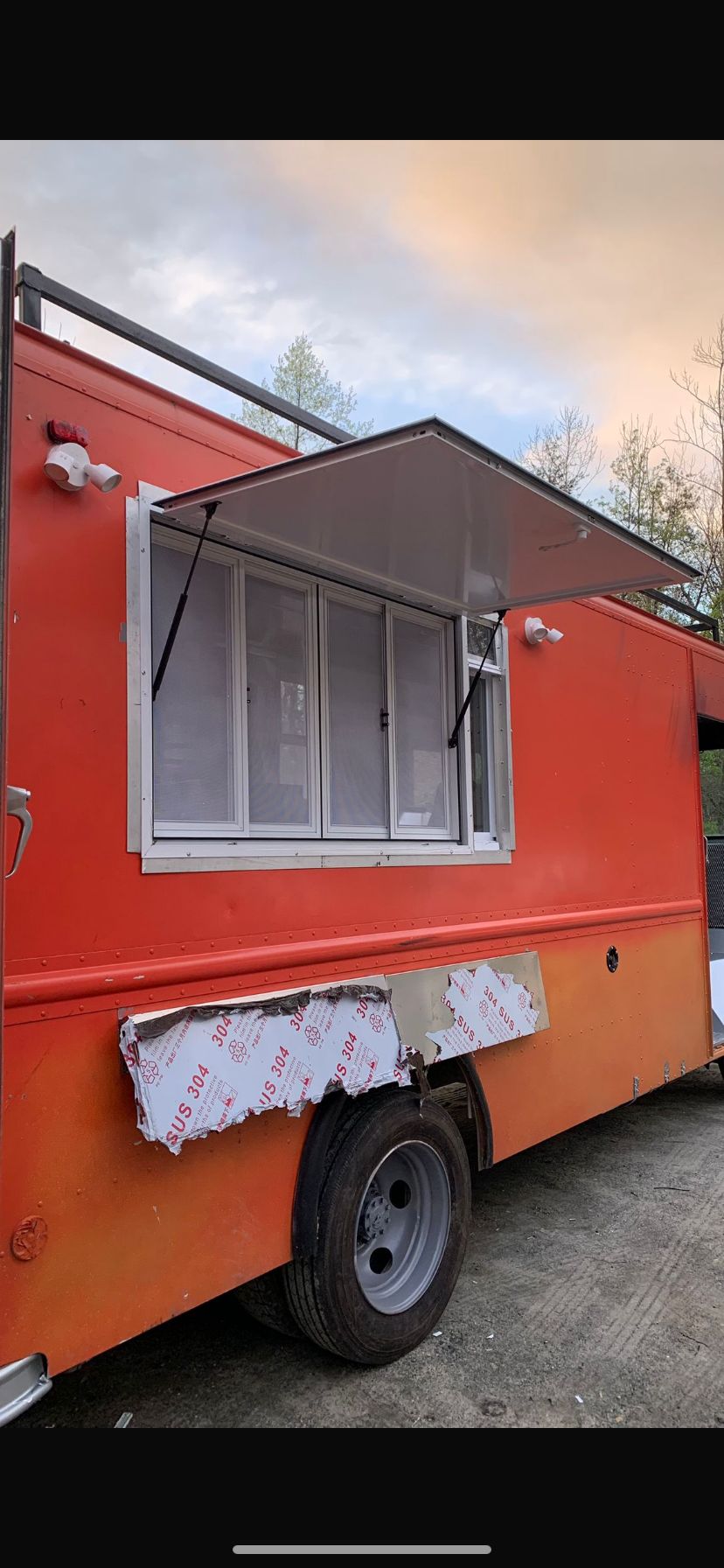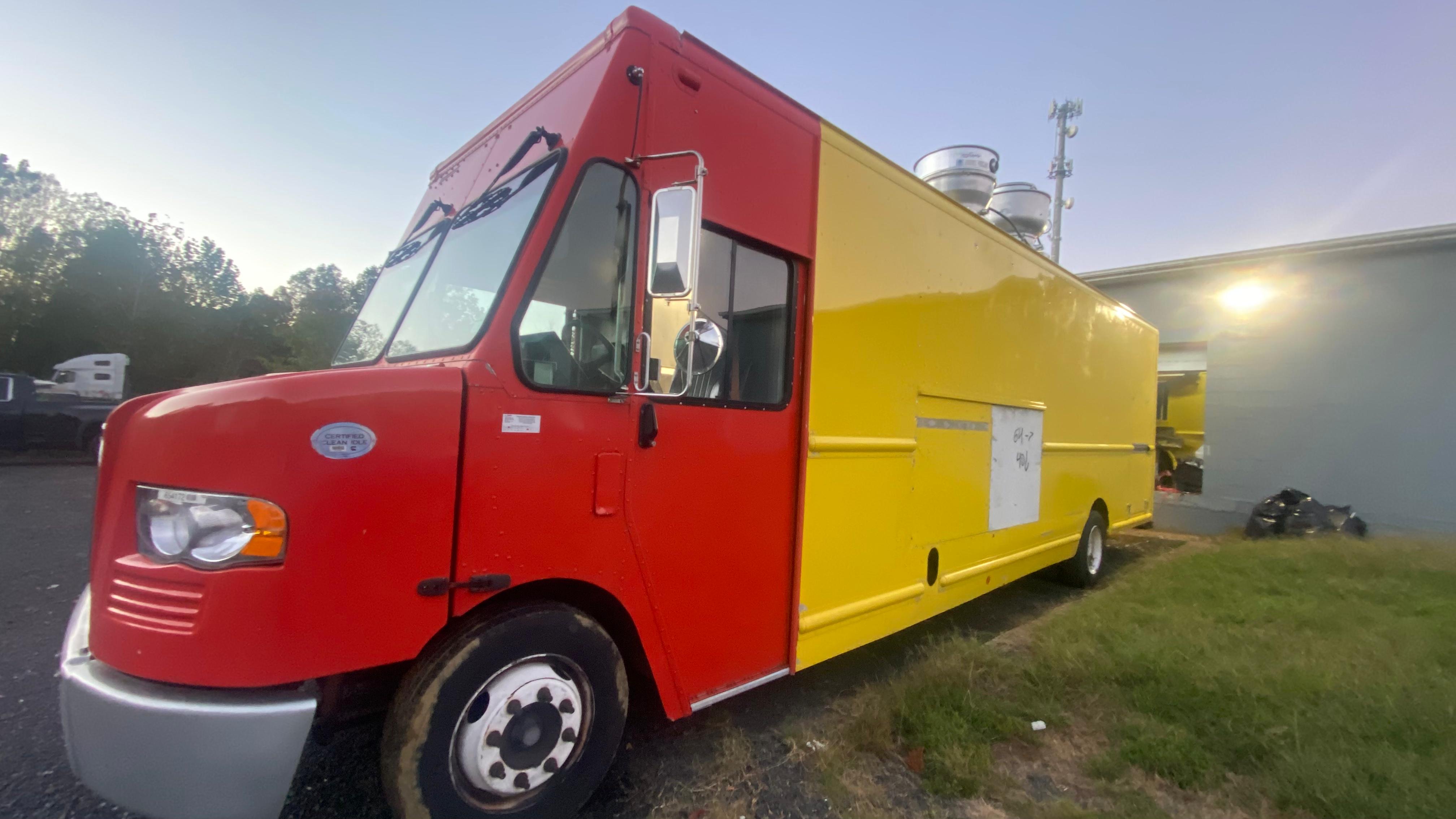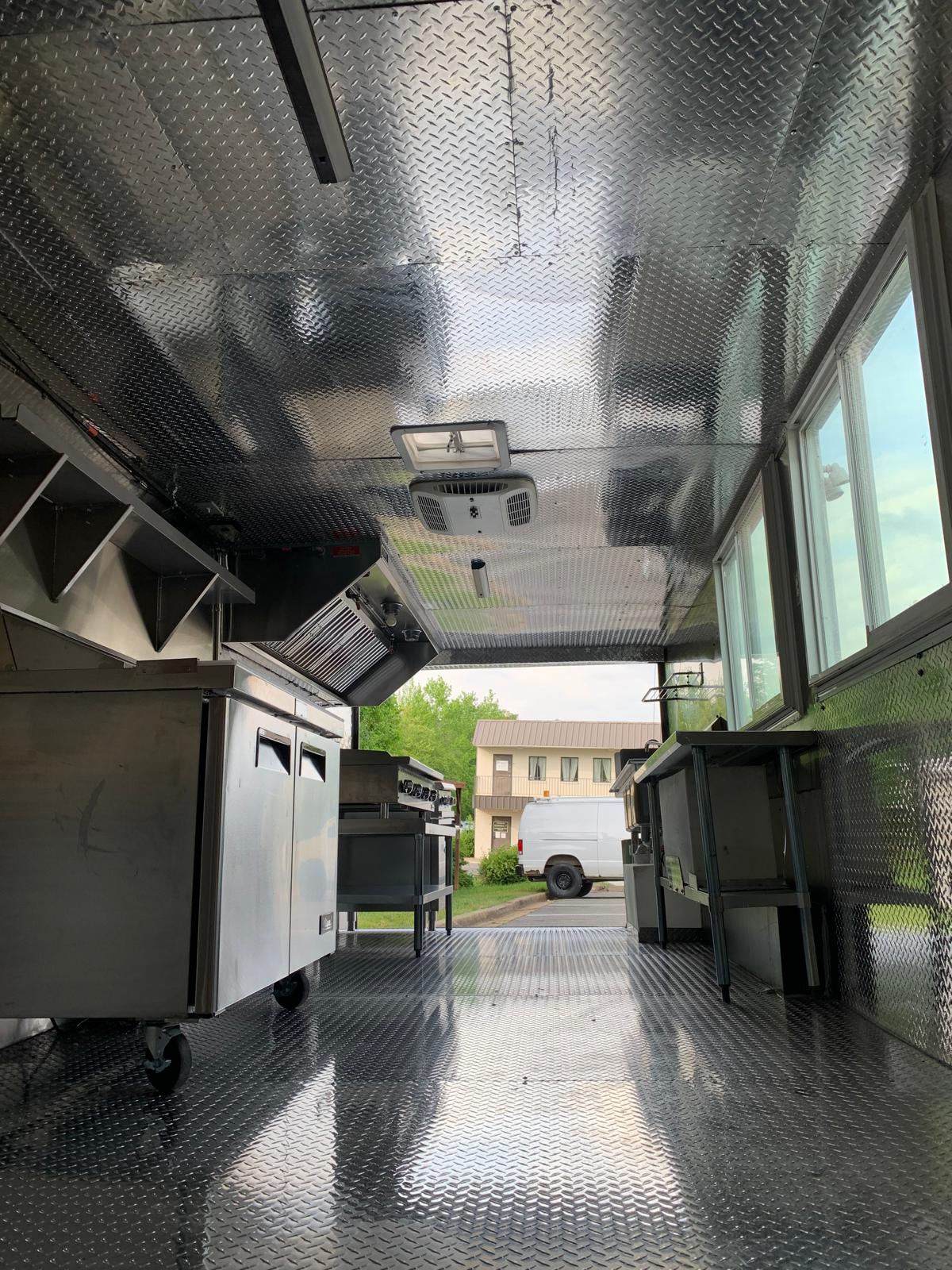
Food Truck Kitchen Equipment Package Price
# Food Truck Kitchen Equipment Package Price: What Nobody Tells You Before You Sign
You've priced the truck. You've priced the generator. You've even priced the insurance. But the food truck kitchen equipment package price is the number that sneaks up on you in the middle of the night, three weeks before your launch date, when the fabricator calls and says your walk-in cooler is backordered until November.
How much does it really cost to outfit a commercial kitchen on wheels? The honest answer: between $25,000 and $85,000 depending on what you're cooking, how you're cooking it, and whether you're buying new or refurbished. That's a massive range, and most advice you'll read online conveniently stops at "it depends."
Let's do better.
The Package Price Breakdown That Actually Makes Sense
A food truck kitchen equipment package isn't one thing. It's four separate budgets that get lumped together by manufacturers and dealers who want you to sign faster.
The cooking package — your griddle, fryer, oven, or stove. This runs $8,000 to $25,000. A commercial-grade 36-inch griddle alone sits around $3,500. A double-stack convection oven pushes past $9,000.
The cold package — refrigeration and freezing. You're looking at $4,000 to $12,000. A reach-in refrigerator costs $2,800 to $5,500. A prep table with a cold rail underneath runs $2,200 to $4,800. If you need a separate freezer, add another $1,500 minimum.
The ventilation and fire suppression package — this is the one everyone forgets, and it's the one that'll fail your health inspection. A Type 1 hood with a UL-300 fire suppression system costs $6,000 to $15,000 installed. In most jurisdictions, this isn't optional. It's the difference between opening on schedule and waiting four extra months.
The utility and prep package — sinks (three-compartment, hand-wash, and prep), water tanks, hot water heater, and plumbing connections. Budget $4,000 to $10,000 here. A three-compartment sink alone is $900 to $2,400.
Add those together and the low end lands around $25,000. The high end, with premium brands and custom fabrication, reaches $85,000. And here's what nobody mentions: the package price rarely includes installation labor, which adds 15-20% on top.
Why the Cheapest Package Is the Most Expensive Decision You'll Make
I've watched four food truck operators in Houston make this exact mistake. They bought a "starter package" for $14,000 — used equipment, no warranty, a hood that barely met code. The first one failed inspection twice. The second spent $3,800 repairing a used fryer within six months. The third had a grease fire that shut them down for three weeks.
The math is brutal. A $14,000 package that costs you $10,000 in lost revenue and repairs is more expensive than a $28,000 package that works from day one.
That's not a vague warning. That's arithmetic.
What you actually want is a package built around your menu, not a generic bundle. A taco truck needs a plancha and a hot-holding cabinet. A fried chicken truck needs a commercial fryer with the right BTU output. A coffee truck needs almost no cooking equipment but serious electrical capacity.
The right package price is the one that matches your specific operation. And that's why the best move is to get a custom quote from a builder who asks about your menu before they talk about pricing.
What the Real Numbers Look Like Across Different Concepts
Let me give you three concrete scenarios based on actual builds in 2025 and early 2026.
The burger truck in Austin, Texas. 14-foot truck, flat-top griddle, double fryer, prep table, under-counter fridge, three-compartment sink, Type 1 hood. Total kitchen package: $32,500. The operator spent another $4,200 on installation and utility hookups. They're doing $6,800 a week in revenue and paid off the kitchen in seven months.
The wood-fired pizza trailer in Portland, Oregon. This one's different because the oven is the centerpiece. A proper wood-fired oven runs $8,000 to $14,000 alone. The full package — oven, prep counters, refrigeration, sinks, exhaust — hit $48,000. But their food cost is 22% because they're not paying for gas or electricity to cook. The tradeoff works.
The coffee and pastry truck in Richmond, Virginia. No cooking equipment at all. Espresso machine, grinders, refrigerated display case, hand-wash sink, and a small prep area. The package came to $22,000, but the electrical system needed a serious upgrade to handle the espresso machine's draw — that added $6,500.
The pattern? Every concept changes the equation. And every city has different code requirements that shift the food truck kitchen equipment package price upward.
Where the Hidden Costs Live in Your Budget
Here's the part that makes operators furious when they realize it.
Freight and delivery. Commercial kitchen equipment is heavy. A used reach-in cooler shipped from a dealer in another state costs $400 to $900 in freight alone. New equipment from a manufacturer? Add 5-8% of the total package price just to get it to your builder's shop.
Installation and hookups. Your package includes the equipment, not the labor to bolt it down, connect the gas lines, wire the electrical, and plumb the water. That's $1,500 to $5,000 depending on complexity.
Code compliance upgrades. The hood you bought might not meet your city's specific fire code. The water heater might be undersized for your three-compartment sink. These "small adjustments" add up fast.
The spare parts drawer. Every operator needs a backup ignition module, a spare thermostat, and a set of gaskets. That's $600 to $1,000 you should budget before day one.
Financing costs. If you're financing the package, interest adds 8-15% to the total over the life of the loan. A $30,000 package financed over five years at 10% costs you $38,200.
None of these appear in the glossy brochure. All of them hit your bank account.
How to Compare Packages Without Getting Burned
You're going to talk to three or four builders. They're going to give you three or four different numbers. Here's how to make them comparable.
First, demand a line-item breakdown. If a builder gives you a single lump sum, walk away. You need to see the cost of every piece of equipment, every hour of labor, and every permit fee.
Second, ask about the brands. A package with a Vollrath or Turbo Air refrigerator is worth 30% more than one with no-name brands, because you'll actually get parts when something breaks.
Third, ask about warranty terms. Who covers the labor if the griddle fails in month eight? The manufacturer covers parts. Does the builder cover the installation workmanship? Get it in writing.
Fourth, check the timeline. If a builder quotes you $28,000 but can't deliver for 14 weeks, and you're paying rent on a commissary kitchen while you wait, that's a real cost. A slightly more expensive package with a six-week turnaround can be cheaper in total.
And before you commit to anything, read through the food truck safety checklist and the food truck success tips on our site. They'll show you what inspectors actually look for and what operators wish they'd known before they signed.
The Difference Between a Trailer and a Truck Changes Everything
If you're still deciding between a food truck and a concession trailer, the equipment package price shifts dramatically. A trailer gives you more square footage for equipment placement, which means you can often use standard-size commercial equipment instead of paying a premium for compact versions.
A food truck, by contrast, forces you into smaller, specialized equipment that costs 20-40% more per unit. A standard 36-inch griddle costs $2,800. A 24-inch version built for tight spaces? $3,400.
The tradeoff is mobility and parking flexibility. But if you're planning to stay in one spot for years, a trailer with full-size equipment will save you money on the package and on replacement parts down the line. Our breakdown of food truck vs concession trailer covers the full comparison if you're still on the fence.
The Real Question You Should Be Asking
Stop asking "what's the food truck kitchen equipment package price" and start asking "what package will make me money fastest."
A $45,000 package that lets you serve 120 customers per hour is worth more than a $28,000 package that caps you at 60. Your revenue ceiling is built into your equipment. That's not a luxury problem. That's the difference between a business that grows and a business that plateaus.
If you're building in the Pacific Northwest, the Washington state budget breakdown gives you real 2026 numbers for that specific market. And if you're in Virginia, the conversion specialists page covers what local builders charge and what the health department expects.
Here's the bottom line: the food truck kitchen equipment package price is not the number you should be obsessed with. It's the return on that investment that matters. A package that costs $10,000 more but lets you serve twice as fast pays for itself in three months. A package that saves you $10,000 but breaks down twice a year costs you your reputation.
Do the math on revenue per hour, not just the sticker price. That's the number that keeps your doors open.
And when you're ready to talk real numbers for your specific menu and market, the mobile kitchen consultations at MobilKitchenPro are free and they don't waste your time with generic pricing sheets. Bring your menu. They'll bring a pencil.
Te puede interesar: Washington State Mobile Food Unit Permit Cost: 2026 Update
Te puede interesar: Food Truck Generator Sizing Calculator: Right Power for Your Build
Te puede interesar: Food Truck Branding Ideas for Washington State: Stand Out Locally