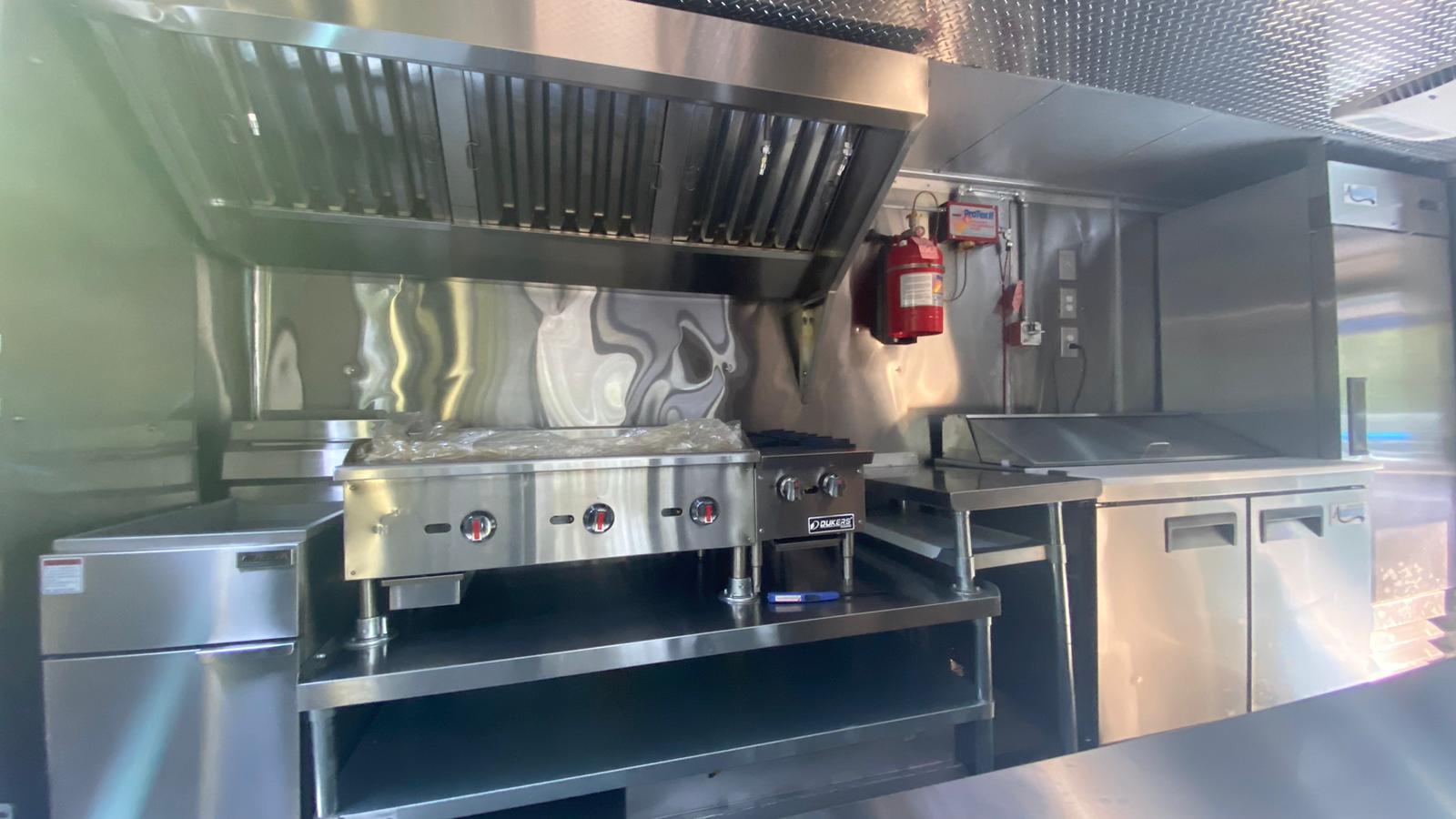
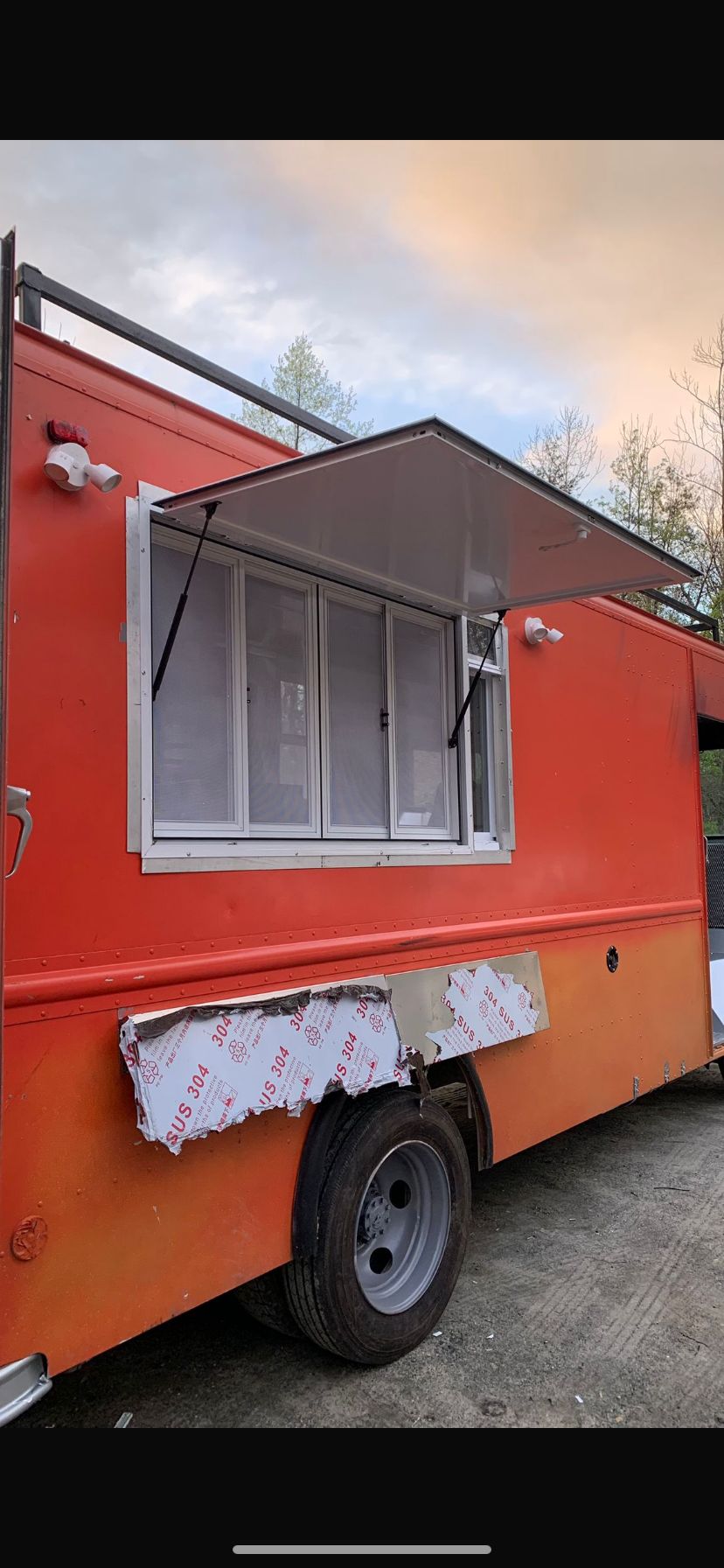
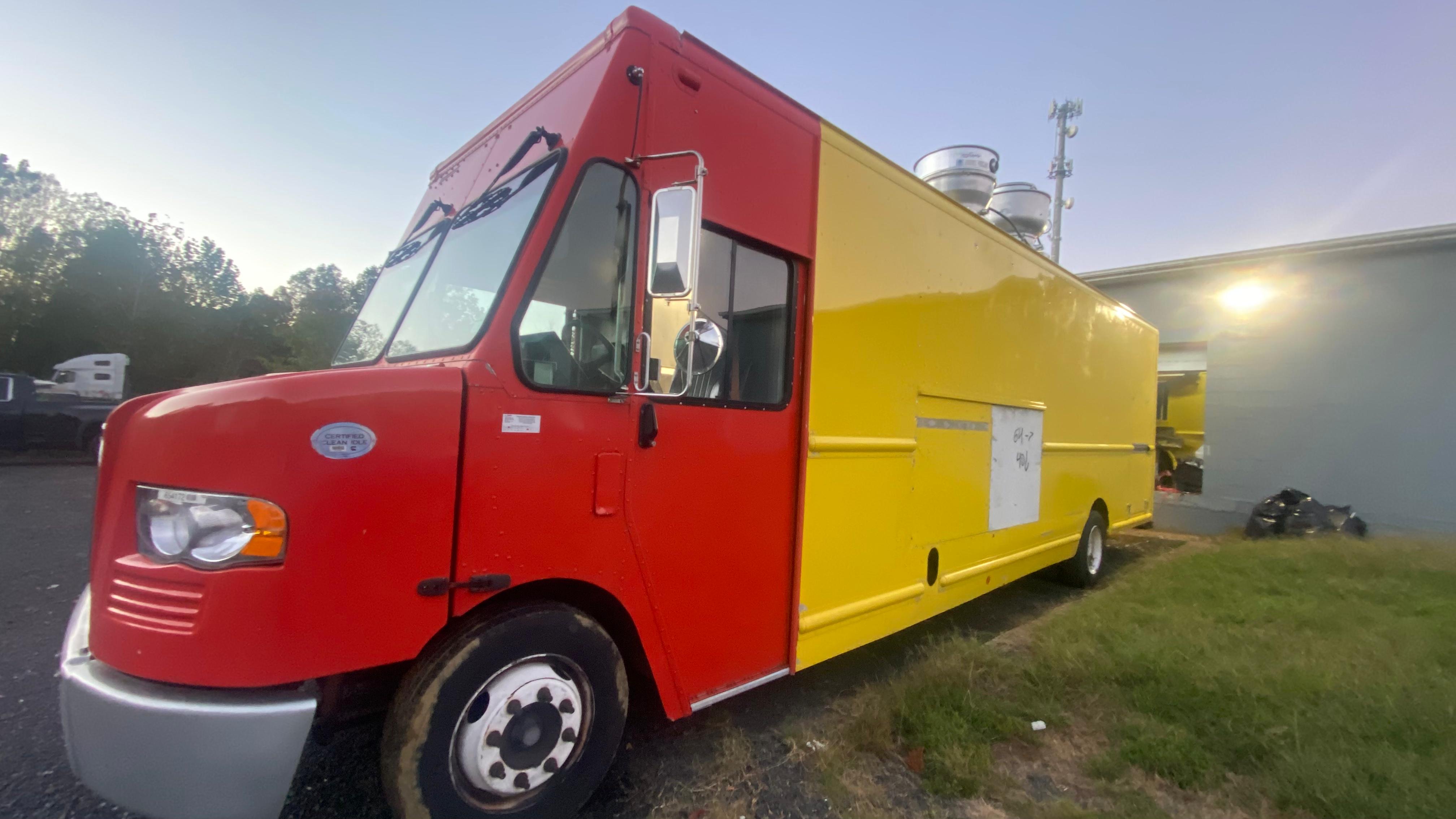
What happens when you skip the pro on a hood install?
It's 10am on a Tuesday and a brand-new food truck is failing its health inspection in Houston. The owner spent $3,200 on a used commercial exhaust hood, installed it himself over a weekend, and now the fire marshal is pointing at a 3-inch gap between the hood and the cooking surface. The certificate won't get signed. The truck is dead in the water.
That's the reality of
how to install a commercial exhaust hood in a food truck — it's not a weekend project, and the difference between DIY and pro isn't just money. It's whether you open on time.
Why the hood is the most expensive single component in your build
A commercial exhaust hood for a food truck runs between
$2,500 and $8,000 new, depending on the size and whether it includes an integrated fire suppression system. That's before installation. And here's the number nobody tells you:
73% of first-time food truck owners in Houston underestimate their ventilation budget by at least 40%.
The hood isn't just metal with a fan. It's a fire safety device. Health departments treat it that way. In Texas, the fire marshal signs off on the hood before the health department even looks at the rest of the truck. If your hood install fails, nothing else matters.
What DIY actually means for a hood install
Let me be direct: if you've never welded, never run 220-volt electrical, and never worked with commercial kitchen ventilation, do not attempt this yourself. The DIY route works for exactly one type of owner: someone who has done commercial kitchen builds before.
What "DIY" usually means in practice:
-
Mounting the hood — you need to cut a hole in your roof, reinforce the framing, and seal everything against rain and road vibration. A single leak ruins your insulation and your electrical system.
-
Running the ductwork — commercial hoods require smooth, straight duct runs with minimal turns. Every 90-degree bend reduces airflow by 20%. Most DIY installs lose 30-40% efficiency because of bad duct routing.
-
Electrical connection — hoods typically need a dedicated 20-amp or 30-amp circuit. If you tap into an existing line, you risk tripping breakers mid-service.
-
Fire suppression system — this is the dealbreaker. The hood must connect to a UL-300 fire suppression system. If you install it wrong, the fire marshal will flag it, and your insurance won't cover a grease fire.
The cost of fixing a failed DIY install is usually higher than paying a pro upfront. I've seen owners spend $1,500 on a used hood, install it themselves, then pay $2,800 to have a pro rip it out and redo everything. Total: $4,300 for a job that a professional would have done for $3,800.
When pro installation is the only smart move
A professional installation costs between
$1,200 and $3,500 depending on your truck's layout and the complexity of the ductwork. That's on top of the hood itself. But here's what you actually get:
-
Code compliance — the installer knows exactly what the fire marshal in your city requires. In Houston, that means specific clearances, specific duct materials, and specific fire suppression connections. In Seattle, the requirements are different. A pro doesn't guess.
-
Warranty protection — most hood manufacturers void the warranty if someone other than a certified technician installs it. That $4,000 hood becomes a paperweight if the motor fails.
-
Speed — a pro can install a hood in 4 to 8 hours. A DIY install takes two to three days, plus multiple trips to the hardware store, plus the inevitable rework.
If you're building a truck in Washington State, the inspection process is notoriously strict. Our guide on
food truck fabrication companies in Washington State covers which builders handle hood installs properly — because not all of them do.
The cost breakdown nobody gives you
Here's what a real hood install looks like in 2026 numbers:
| Component | DIY Cost | Pro Cost |
|-----------|----------|----------|
| Used 48" hood with fire suppression | $1,800 | Included |
| New 48" hood with fire suppression | $3,500 | $3,500 |
| Mounting and ductwork materials | $600 | Included |
| Electrical work | $400 | Included |
| Fire suppression connection | $300 | Included |
| Labor | Your time | $1,800-$3,000 |
|
Total |
$3,100-$4,800 |
$5,300-$6,500 |
The DIY number looks cheaper until you factor in the 40% chance you'll need to redo something. And the 15% chance you'll fail inspection and lose a month of operating time.
What health inspectors actually check
This is where the rubber meets the road. A health inspector in Houston doesn't care how pretty your hood looks. They check:
1.
Clearance — the bottom of the hood must be within 24 inches of the cooking surface. Most DIY installs miss this by 2-4 inches.
2.
Grease filters — must be removable, cleanable, and angled correctly. If they're installed backwards, you fail.
3.
Fire suppression nozzles — must be positioned exactly per the manufacturer's specs. A 1-inch offset is a fail.
4.
Makeup air — the truck needs a way to bring fresh air in. If your hood pulls air faster than the truck can supply it, the exhaust doesn't work and you fail.
If you're comparing a food truck to a trailer for Virginia health inspections, the hood requirements are the same — but the installation is easier on a trailer because you have more roof space. Our comparison on
food truck vs trailer for health inspection Virginia breaks down which passes easier.
The real question isn't DIY vs pro
It's whether you can afford the risk of doing it wrong. A failed hood install costs you:
-
$1,500-$3,000 in rework
-
2-6 weeks of lost operating time
-
Your entire opening timeline
In Houston, where the food truck market is saturated, that delay can mean losing your prime summer season. In Texas heat, a poorly installed hood also means your truck interior hits 120 degrees — and your fryer oil degrades twice as fast. Our guide on the
best fryer for a food truck in Texas heat explains why ventilation quality directly affects your equipment lifespan.
If you're still considering DIY, ask yourself one question: do you know a fire marshal personally who can inspect your work before the official inspection? If the answer is no, hire a pro.
For those who want to build smart from the start, we offer
mobile kitchen consultations that cover hood specs, fire suppression requirements, and the exact build plan that passes inspection in your city. Or you can
get a custom quote for a turnkey truck that includes a properly installed hood — no guesswork, no rework, no failed inspections.
The difference between a truck that opens on time and one that sits in the driveway for three months is usually one decision: who installs the hood.