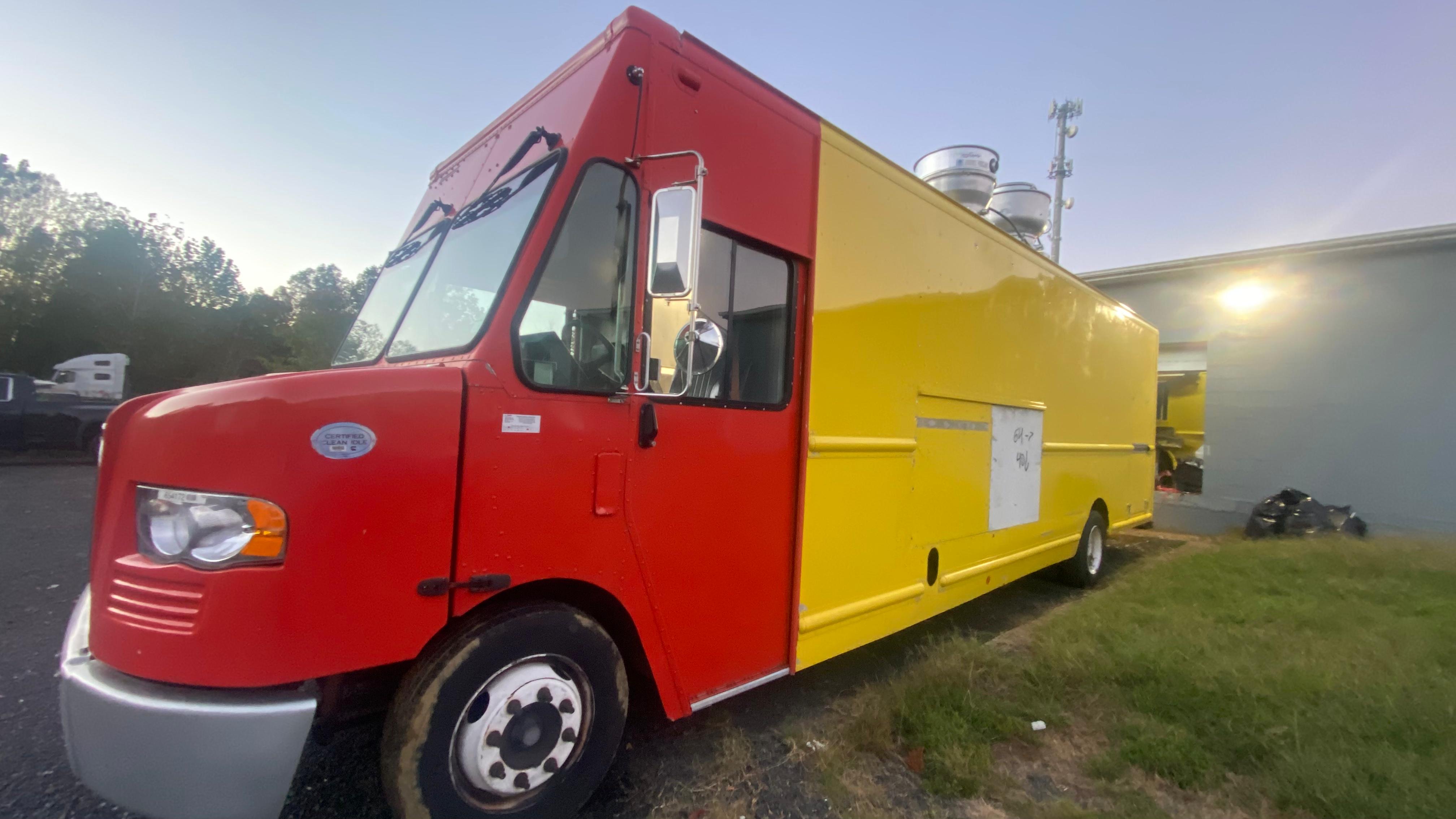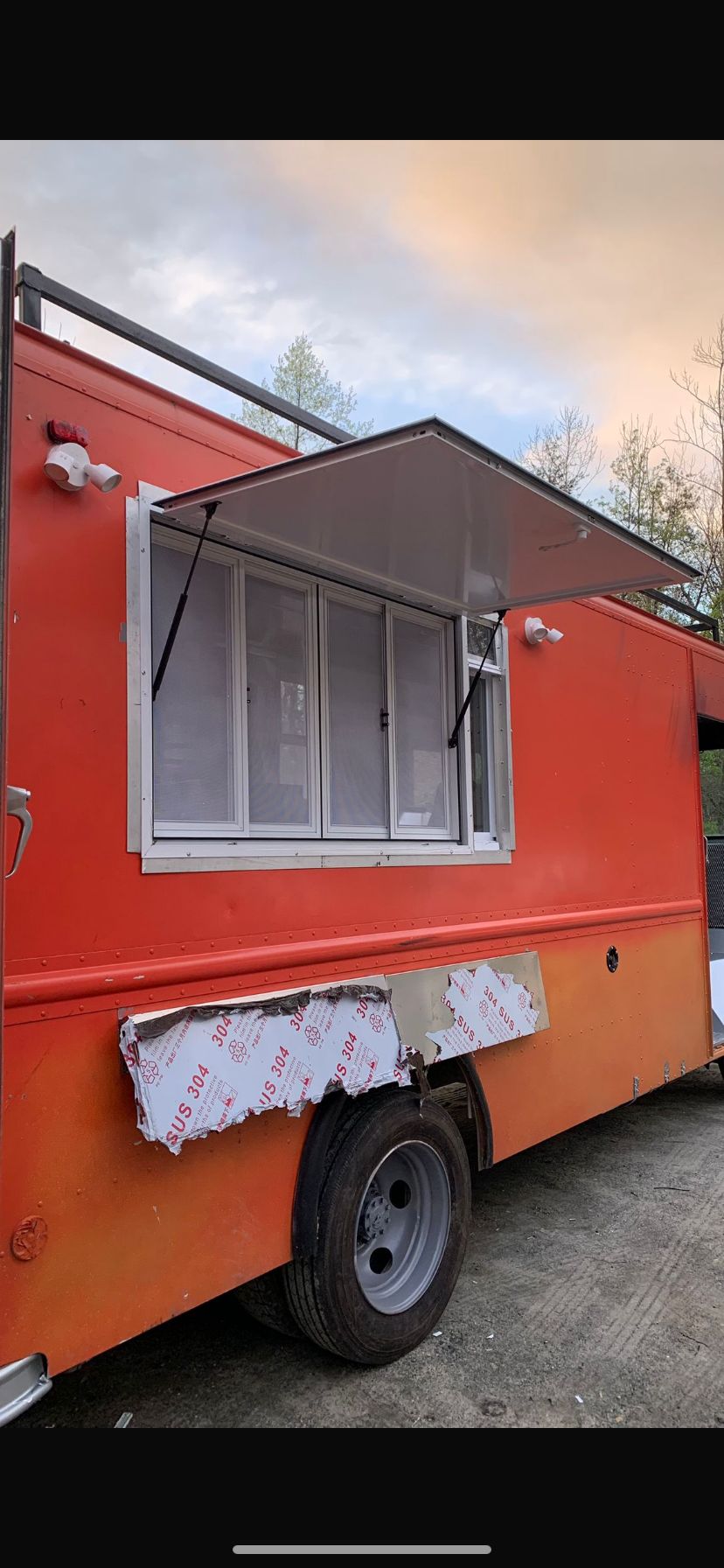
Food Truck Wrap Maintenance
It's 6:45 AM on a Houston morning, and the humidity is already pushing 80 percent. Forty people are waiting outside a taco truck whose wrap is peeling at the seams, the vinyl curling like sunburned skin. Nobody's looking at the menu board—they're all staring at the flaking branding.
That truck will cost its owner $3,200 in re-wrapping before the month ends. It didn't have to.
Food truck wrap maintenance isn't a luxury line item or something you "get around to." It's the difference between a vehicle that sells for you and one that actively repels customers. And most operators learn this the hard way—after the damage is done.
Here's what I've learned from a decade watching trucks succeed and fail across Texas, Florida, and California. Your wrap is the most expensive marketing asset you own. Treating it like a one-and-done expense is how you burn through cash faster than a broken fryer.
Why Your Wrap Dies Faster in 2026 Than It Should
The average food truck wrap lasts 5 to 7 years if it's premium vinyl with proper lamination. That's the manufacturer's number, and it's technically true. But most trucks I see don't make it past 18 months without visible damage.
The gap between those numbers is maintenance. Or more precisely, the lack of it.
Here's what actually kills wraps: UV exposure, road grime, harsh cleaning chemicals, and physical damage from everyday operations. In a city like Miami or Phoenix, UV alone can fade and embrittle vinyl in under two years. In Houston, the combination of heat and humidity accelerates adhesive breakdown.
What nobody mentions is that the damage compounds. A small edge that lifts catches wind at highway speeds and peels back six inches of vinyl in a single trip. That's not a repair—that's a re-wrap.
What Regular Maintenance Actually Looks Like
You don't need a detailing crew or a $500 monthly budget. You need consistency and the right habits.
Hand washing is non-negotiable. Automated car washes use brushes that scratch vinyl and high-pressure jets that force water under edges. One trip through a commercial wash can undo months of careful upkeep. Hand wash with a soft microfiber mitt and a pH-neutral soap specifically formulated for vinyl wraps.
Inspect weekly, not quarterly. Walk around your truck for 60 seconds before your first service. Look for lifted edges, scratches, stains, and adhesion bubbles. Catch a quarter-inch lift early and a vinyl professional can re-adhere it for $50 to $100. Ignore it for two months and you're looking at a $2,500 to $4,000 re-wrap.
Address damage within 72 hours. That's the window where minor issues stay minor. After three days, dirt and moisture get under the vinyl, and the adhesive starts failing. What was a simple repair becomes a full panel replacement.
The Chemicals That Are Silently Destroying Your Wrap
This is the part that surprises most operators. The products you're using to clean your truck might be the ones killing your branding.
Degreasers, citrus-based cleaners, and anything with solvents will break down vinyl adhesive. So will most "heavy duty" truck washes. I've seen operators scrub their wraps with degreaser to remove oil stains, only to discover six months later that the vinyl is lifting in exactly those areas.
Stick to products labeled "wrap-safe" or "vinyl-safe." If the label doesn't say it, assume it isn't. The same goes for waxes and polishes—many contain petroleum distillates that yellow and weaken vinyl.
One more thing: never use a pressure washer on your wrap, no matter how tempting. Even at moderate pressure, it forces water into seams and edges. Hand wash only.
When Repairs Make Sense vs. When You Need a Full Re-Wrap
A full re-wrap costs between $2,500 and $4,500 for a standard 20-foot food truck, depending on design complexity and vinyl quality. Repairs cost a fraction of that—if they're done in time.
Here's a practical rule: if damage covers less than 10 percent of the wrap and hasn't affected the underlying paint, repair it. If it's spread across multiple panels or the design is discontinued, a re-wrap is probably more cost-effective.
The real calculation isn't just the dollar amount. It's what your truck looks like while you're deciding. A truck with visible damage doesn't just look unprofessional—it signals to customers that your kitchen is probably dirty too. That's a perception problem no menu can fix.
How to Protect Your Wrap Between Deep Cleans
Daily habits matter more than monthly treatments.
Park strategically when you can. Direct afternoon sun is the enemy. If you're parked in a lot with no shade, a silver or white truck cover costs $200 to $400 and extends wrap life by years. That's the cheapest insurance you'll ever buy.
Apply a UV protectant designed for vinyl every 90 days. This isn't optional—it's the difference between a wrap that fades after 24 months and one that holds color for five years. Expect to pay $20 to $40 per application if you do it yourself.
And here's the one nobody thinks about: your wrap's edges are its weakest point. Every door, every panel gap, every curve is a place where vinyl can lift. Have a professional re-seal edges annually. It costs $100 to $200 and prevents 80 percent of the failures I see.
What Your Maintenance Schedule Should Look Like
Weekly: 60-second visual inspection. Check for lifting, scratches, and new damage.
Bi-weekly: Hand wash with wrap-safe soap. Dry thoroughly with microfiber towels.
Monthly: Deep clean, including wheel wells and underbody. Apply a vinyl protectant.
Quarterly: Professional edge re-sealing. UV protectant application.
Annually: Full professional inspection. Address any fading or adhesive issues before they compound.
This schedule costs roughly $600 to $900 per year in materials and minor repairs. Compare that to a $3,500 re-wrap every two years because you skipped maintenance. The math isn't close.
The Bottom Line on Protecting Your Investment
Your wrap is doing two jobs simultaneously: it's your storefront and your largest advertising display. It works every single hour your truck is parked or driving. No social media campaign, no flyer distribution, no local ad buy matches that kind of continuous exposure.
And like any asset that works that hard, it needs regular care. Not because it's fragile, but because the return on that care is so obvious. A $100 repair today saves you $3,500 in replacement next year. A $30 UV treatment extends the life of a $4,000 asset by years.
The trucks that survive in this industry aren't the ones with the best food or the cleverest branding. They're the ones that respect their equipment—including the vinyl that wraps it.
If you're building a new truck or planning your branding strategy, factor maintenance into the budget from day one. And if you're still in the planning phase, get a custom quote for your wrap installation and ask about the vinyl grades that hold up best in your climate. That conversation will save you more than you think.
Before you hit the road, make sure your water system and kitchen equipment are equally protected. A wrap that looks great doesn't help if your water tank fails on day one, so check the sizing and setup guide for your water system. And if you're operating in Houston, review the license requirements before you start serving. Your truck's appearance matters, but so does its paperwork.
For more information, visit get a custom quote.
Te puede interesar: Food Truck Water Tank Installation: Sizing & Setup
Te puede interesar: Houston Food Truck License Requirements
Te puede interesar: Food Truck Kitchen Equipment Package Price