Step Van Food Truck Conversion Cost: The Real 2026 Numbers
Most Step Van Conversion Quotes Are Lying to You by $20,000
Ask ten builders what a step van food truck conversion cost is and you'll get ten answers that don't match reality. The quote covers the shell and the basics. It never covers the hood permit, the fire suppression inspection, the electrical panel that wasn't rated for your fryer, or the three weeks you lose waiting on a health department that only does inspections on Tuesdays.
So let me give you the honest number first. In 2026, a complete step van food truck conversion — used shell to working kitchen — runs $45,000 to $110,000. The spread isn't random. It's the difference between a 1998 Grumman with 200,000 miles and a 2019 Freightliner with a clean title. It's the difference between a two-person coffee operation and a full fryer line with a 48-inch griddle.
Here's what nobody tells you at the beginning: the shell is the cheapest part of the whole project. It's everything bolted inside that eats your budget alive.
What the Shell Alone Actually Costs in 2026
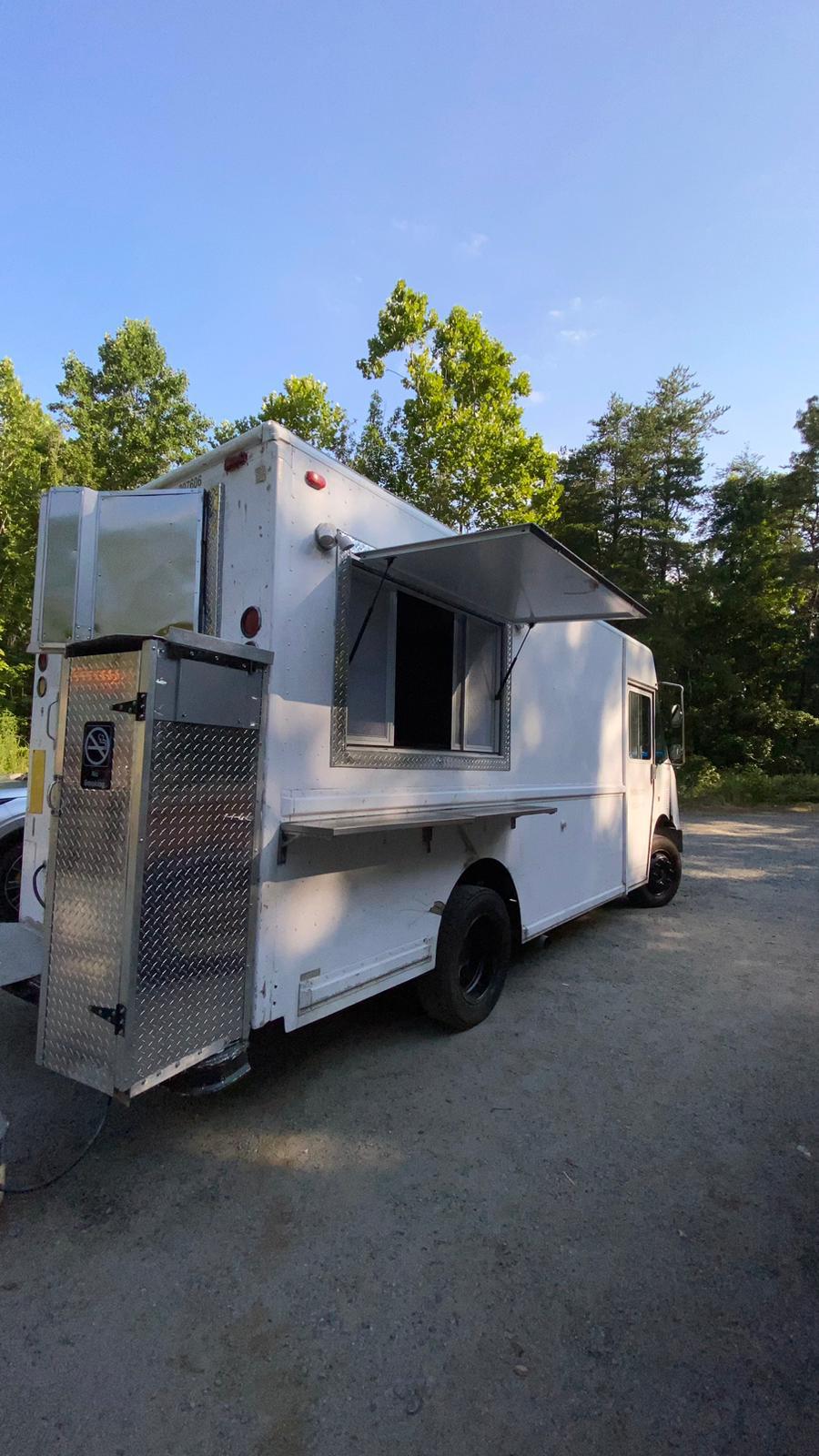
A used step van in decent condition — think retired FedEx or bakery route trucks — runs $8,000 to $25,000 depending on year, mileage, and whether the cargo box has rust in the corners. The sweet spot most builders aim for is a 2005–2015 model with under 150,000 miles, which lands around $14,000 to $18,000.
You'll pay more in Texas and Florida because demand from the food truck boom hasn't cooled. You'll pay less in the Midwest, where these trucks sit on lots for months. If you're sourcing in Houston or Dallas, budget an extra $2,000 just for the privilege of buying in a competitive market. The same math applies to full builds, which is why our breakdown of food truck build costs in Texas keeps surprising people who assumed the South was cheaper.
What matters more than price is the box height. A 72-inch interior gives you headroom for a proper exhaust hood. A 68-inch box forces compromises you'll regret every single shift.
The Build-Out: Where the Money Disappears
Kitchen systems and the numbers that hurt
Here's a realistic line-item breakdown for a mid-tier conversion — one cook, one fryer, one prep station:
- Insulation, walls, and flooring: $4,000–$7,000
- Electrical (panel, wiring, generator hookup): $5,000–$9,000
- Plumbing (three-compartment sink, hand sink, water heater, tanks): $4,500–$8,000
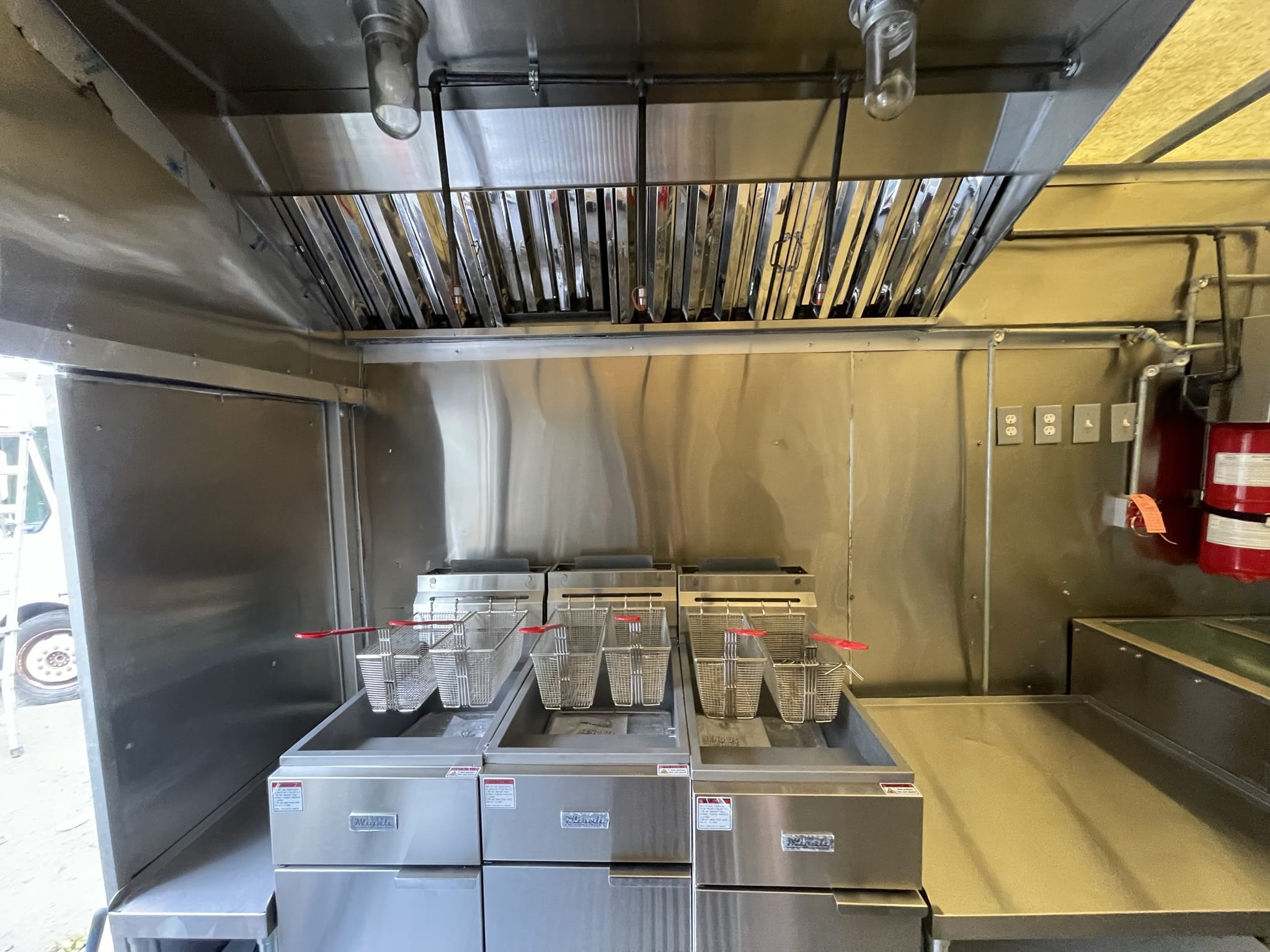
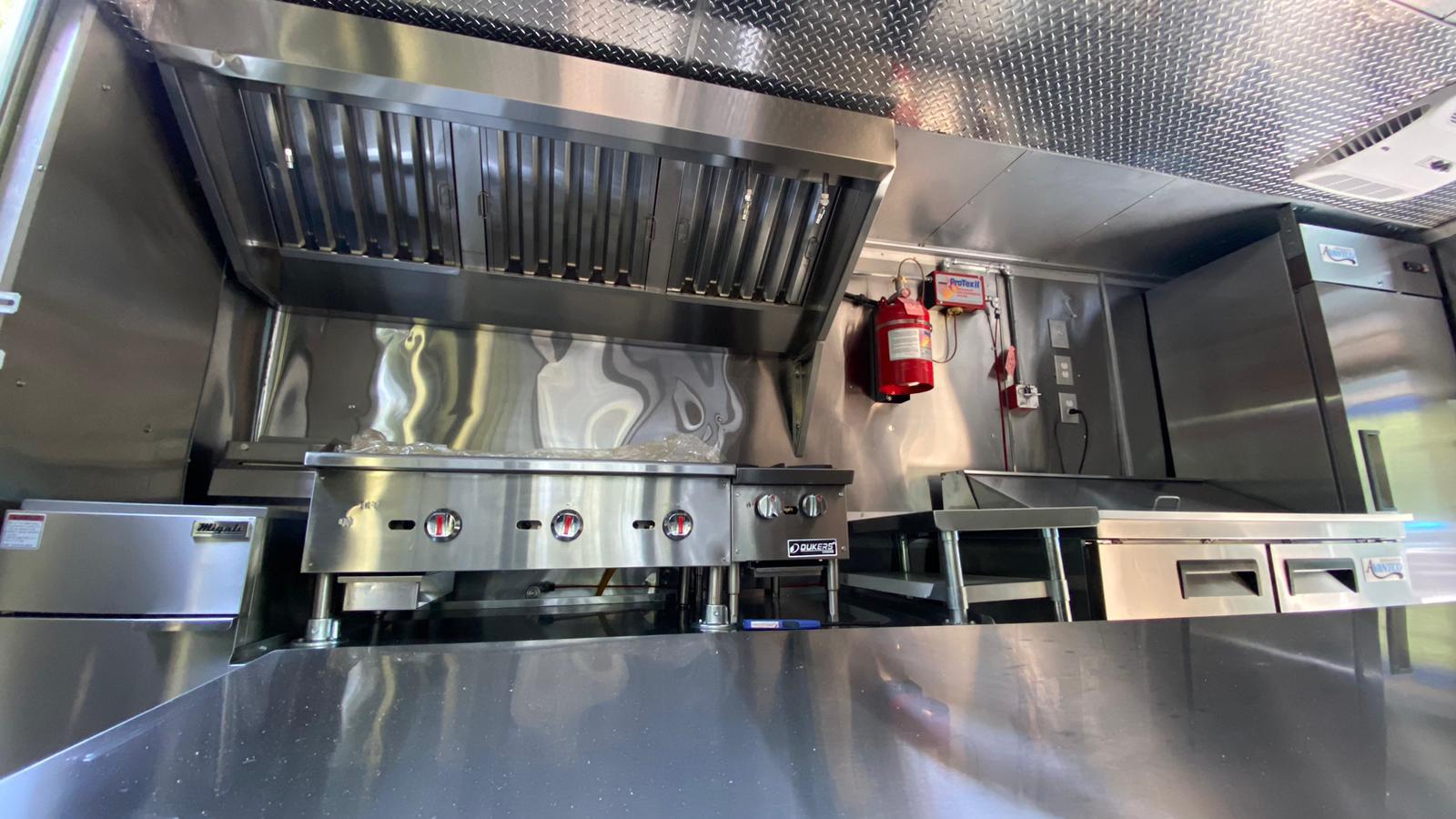
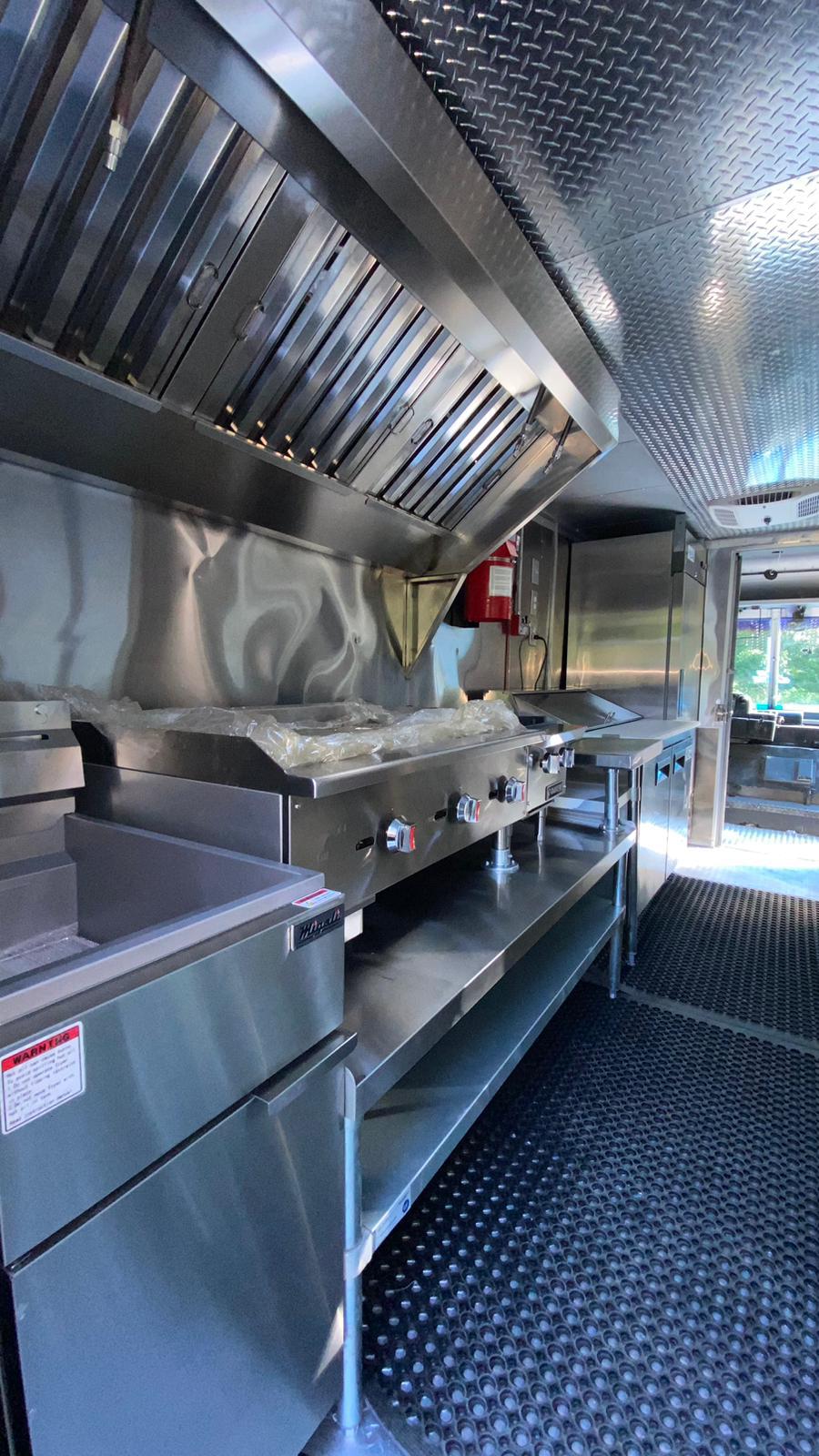
- Commercial exhaust hood and fire suppression: $6,000–$14,000
- Cooking equipment: $8,000–$25,000
- Refrigeration: $3,000–$6,000
- Service window, awning, wrap: $3,500–$8,000
- Labor (if you're not doing it yourself): $12,000–$30,000
Add it up and you land somewhere between $46,000 and $107,000 before you've sold a single taco. The hood alone can swing your budget by $8,000, and the requirements vary wildly by jurisdiction — our guide to hood installation requirements and costs breaks down why two trucks in neighboring counties can have a $5,000 gap in the same system.
And this is where most first-time builders make their fatal error. They spend the whole budget on equipment and leave nothing for contingency. Then the health inspector walks in, points at the sink drain, and you're writing a check you didn't plan for.
The Process Nobody Walks You Through
The conversion itself takes 8 to 16 weeks if you hire a builder. It takes 6 to 12 months if you do it yourself on weekends, which is the single most common path and the single most common reason people quit before opening.
The sequence matters more than the speed:
- Buy the right shell. Get it inspected by a diesel mechanic before you hand over cash.
- Strip it to bare metal. Remove shelving, old wiring, anything the previous owner left behind.
- Frame and insulate. This is where you decide your layout, and layout dictates everything downstream. A tight footprint forces smarter decisions — our piece on compact layouts for small spaces covers how to squeeze a working line into 12 feet.
- Run plumbing and electrical rough-in. Do this before walls go up. Always.
- Install the hood and fire suppression. Get it inspected early, not last.
- Finish walls, floors, and equipment.
- Permits and health inspection. Budget 4–8 weeks for this alone, and check local fees before you commit — permit costs in Virginia look nothing like Texas.
Skip step 5 until the end and you'll tear out finished walls to run ductwork. I've watched it happen three times.
Where Owners Actually Bleed Money
Two things kill step van budgets. The first is buying a shell with a bent frame to save $3,000, then discovering the box doesn't sit level and no equipment mounts properly. The second is choosing a builder who quotes low and bills change orders.
Get three quotes. Ask each builder for two finished trucks you can walk through. If they can't produce them, walk away. And if you're weighing whether to build or buy used, run the numbers on maintenance too — a used truck that needs a new alternator, brakes, and tires in year one adds $3,500 you didn't budget. Our maintenance schedule exists precisely because nobody plans for this.
If you want to skip the guesswork, get a custom quote built around your actual menu instead of a generic package. The difference between a $48,000 truck and a $95,000 truck is almost never the shell — it's the decisions you make in weeks two through six.
And those decisions start with one question most builders never ask you: what are you actually going to cook on this thing? Answer that honestly before you spend a dollar, because the step van food truck conversion cost you're quoted today is only accurate if the menu doesn't change tomorrow. It always changes tomorrow.