Food Truck vs Concession Trailer for Beginners: Real Costs
Food Truck vs Concession Trailer for Beginners: The Decision Nobody Explains Properly
Here's the honest version: a used food truck in decent shape runs $35,000 to $75,000 in 2026. A comparable concession trailer sits between $18,000 and $45,000. If your only filter is price, you already have your answer. But price is the worst way to make this call, and that's exactly why so many first-timers get it wrong.
I've watched people buy the cheaper trailer and then discover they can't work the downtown lunch rush because they need a truck to tow it. I've watched others spend $60,000 on a truck and realize they only ever park at the same two festivals. The vehicle matters less than where you plan to make money. That's the whole game.
What the Price Tag Actually Hides
The sticker price is the easy part. The build-out is where beginners get ambushed.
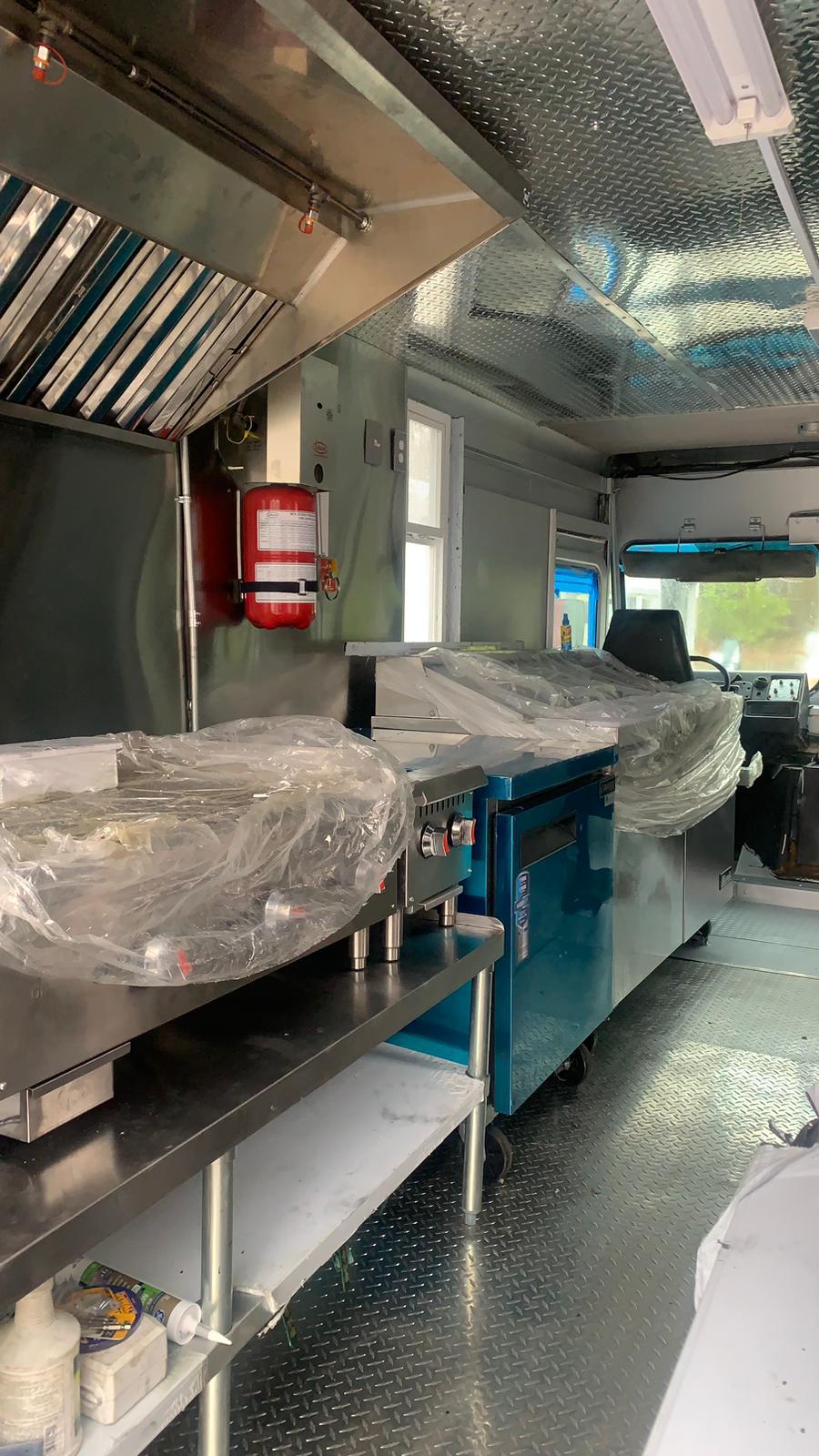
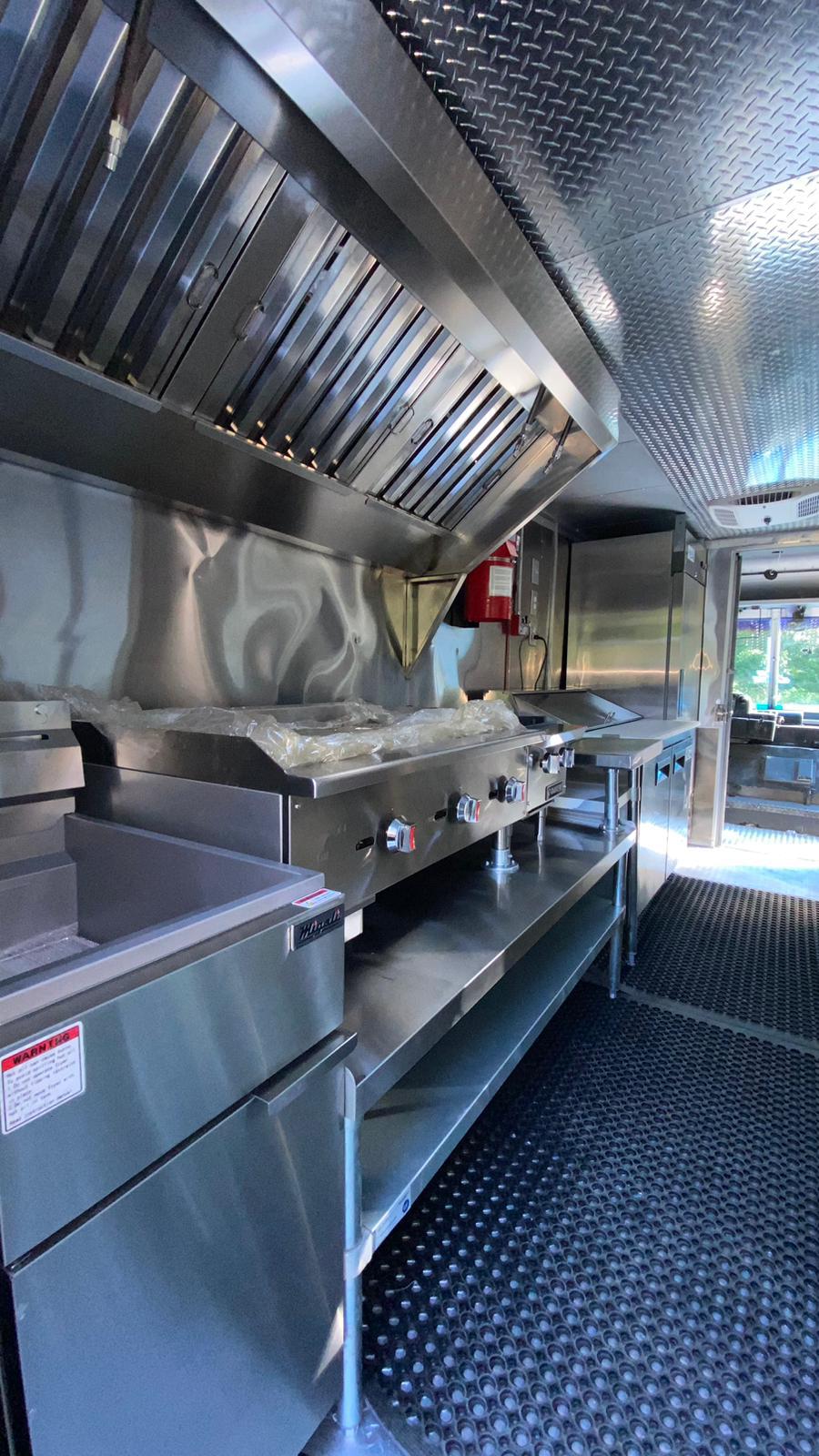
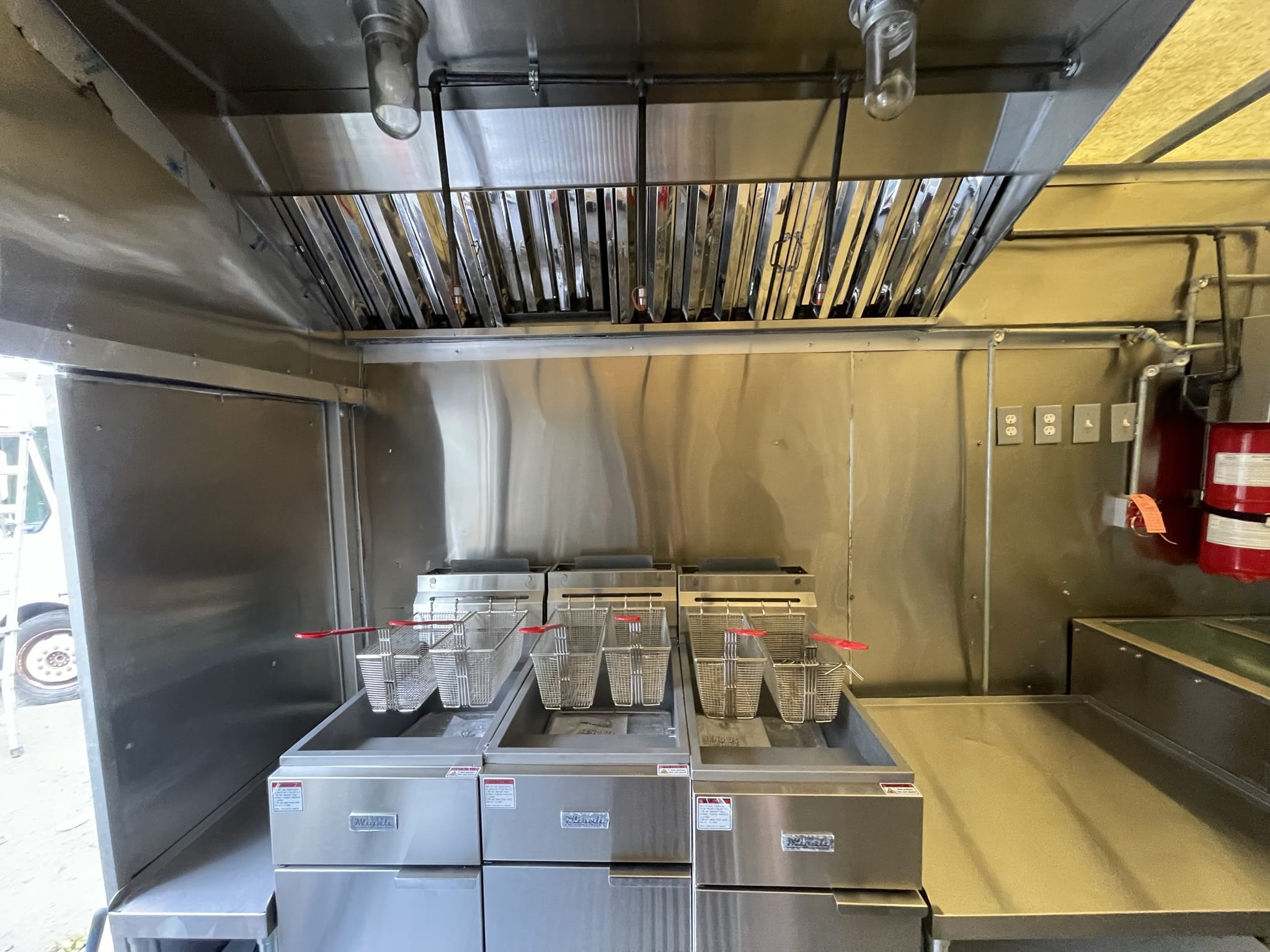
A bare cargo trailer looks cheap until you add the kitchen. A commercial hood alone runs $2,500 to $6,000 installed, and if your local code requires a fire suppression system on top of that, add another $1,500 to $3,000. Interior plumbing, a three-compartment sink, electrical, and a generator push a "cheap" $20,000 trailer past $40,000 fast. You can see how that breaks down in our guide to hood installation requirements and costs.
Trucks hide costs differently. A used step van might sell for $22,000, but the conversion — framing, insulation, wiring, kitchen equipment — routinely adds $25,000 to $45,000. Our breakdown of step van conversion costs shows the real 2026 numbers, and they surprise almost everyone.
So which is cheaper? The trailer, almost always. By $10,000 to $20,000 once everything is finished. But cheaper isn't the same as better for your first year.
Mobility Is the Real Difference, Not the Money
This is what nobody tells beginners. A food truck drives itself. You finish service, hop in, and you're at tomorrow's location in fifteen minutes. A concession trailer needs a tow vehicle — and that tow vehicle needs to be rated for the loaded weight, which is often 5,000 to 7,000 pounds once the kitchen is in.
Do you already own a truck that can pull that? If not, add $30,000 to $50,000 for a capable tow vehicle in 2026, or budget for rentals every single event. Suddenly the "cheaper" trailer isn't cheaper at all.
But here's where trailers win. If your business model is parking at one spot — a brewery, a fixed lot, a recurring farmers market — you don't need mobility. You need stability, more interior space, and lower maintenance. Trailers don't have engines, transmissions, or 200,000-mile drivetrains to worry about. Your repair bills are smaller and more predictable.
The question that settles it
Ask yourself one thing: will I move locations more than twice a week? If yes, buy the truck. If no, buy the trailer and put the savings into better equipment and a real brand wrap. Speaking of which — a full wrap in Texas runs $2,500 to $4,500, and you can see the current pricing in our guide to food truck wrap costs in Texas.
Permits, Parking, and the Rules That Trip Up New Owners
Regulations differ by city, and they can flip your decision. Some downtown districts in cities like Austin and Richmond restrict trailers from parking on public streets overnight — trucks get more flexibility in many of these zones. Other jurisdictions charge different permit fees depending on whether you're classified as a motor vehicle or a towed unit.
In Virginia, for example, permit fees vary wildly by county, and a trailer often needs separate registration from its tow vehicle. We broke the numbers down in our piece on Virginia food truck permit fees. The point isn't the specific dollar figure — it's that you need to call your health department and your city clerk before you buy anything. A $2,000 permit surprise has killed more first-year budgets than bad cooking ever has.
Which One Fits Your First Year
If you're testing a concept, want to hit multiple neighborhoods, and already have a tow vehicle or the budget for one — the truck wins. If you have a committed location, want more kitchen space per dollar, and don't mind setup time — the trailer wins.
There's no universal right answer. And that's not a cop-out. It's the truth that the "10 reasons to buy a trailer" listicles never tell you. The best rig is the one that matches where you'll actually park it.
One more thing worth doing before you commit: talk to someone who has built both. A short conversation about your specific concept, budget, and location can save you $15,000 in mistakes. If you want real numbers for your own setup, get a custom quote — or just start with a few mobile kitchen consultations and see what fits.
And if space is your worry, a well-planned compact layout can make a 14-foot truck work like something twice its size. The vehicle is a tool. The layout is the business.