Food Truck Permit Requirements: Houston, Virginia, Washington
Most Food Truck Permit Advice Is Written by People Who Never Filed One
Here's the thing about food truck permit requirements: the paperwork is the easy part. The hard part is that every jurisdiction defines "food truck" differently, and the rules that apply in Houston can get you shut down in Fairfax County the same week. I've watched operators spend $4,000 on a build-out only to discover their commissary agreement didn't satisfy the local health department. The truck was fine. The permit wasn't.
So let's talk about what food truck permit requirements actually look like in three very different markets—Houston, Virginia, and Washington—and where the real money and time disappear. Not the sanitized checklist version. The version that costs people their opening weekend.
Houston: The Fastest Path In, If You Read the Fine Print
Houston is genuinely one of the more food-truck-friendly cities in Texas, and that reputation is earned. The city issues a Mobile Food Unit permit through Houston Health Department, and the base fee runs around $300–$400 annually depending on your unit type. Compare that to the $1,000+ some coastal cities charge and it looks like a bargain.
But here's what the fee schedule doesn't tell you. Houston requires a commissary agreement—a written contract with a licensed commercial kitchen where you'll do your prep, cleaning, and wastewater disposal. You can't just park your truck in a lot and call it a business. That commissary runs $400–$900 a month in most of Harris County, and it's a recurring cost that never goes away.
The fire marshal step that stalls everyone
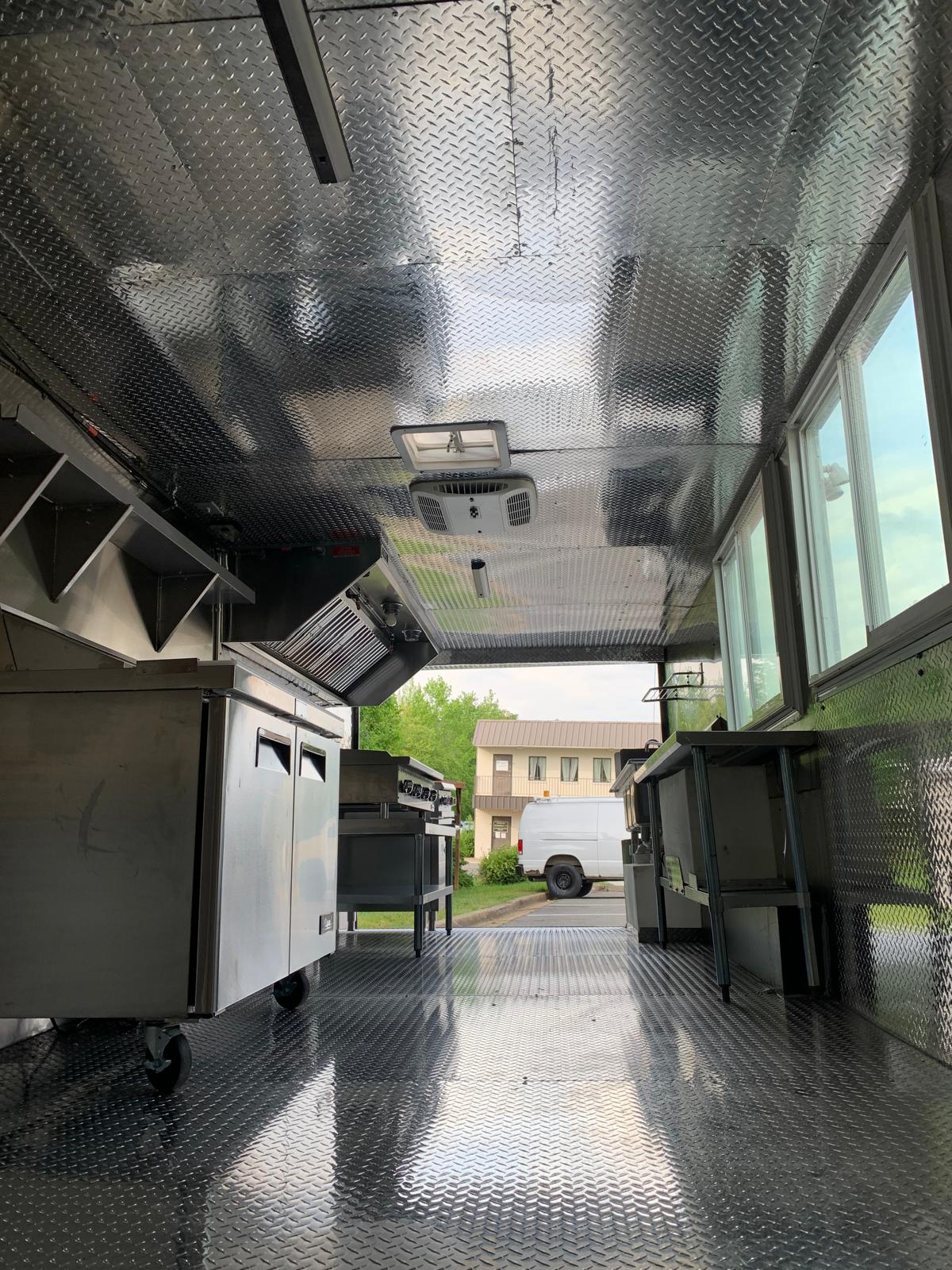
Before the health department signs off, Houston Fire Department inspects your truck for fire suppression, propane storage, and ventilation. If your hood system isn't rated correctly, you fail—and you don't get a second look for two weeks. This is where a solid food truck kitchen layout design pays for itself, because the fire marshal is checking whether your equipment placement matches code, not whether it looks nice.
One more Houston reality: you can't operate in most residential zones, and downtown street vending requires a separate permit from the city. The health permit is step one. The location permit is the one that actually determines whether you make money.
Virginia: State Rules, Local Chaos
Virginia is where food truck permit requirements get genuinely confusing, because the state sets the health code but each county and independent city enforces it differently. A truck permitted in Richmond is not automatically welcome in Henrico County next door.
At the state level, you're dealing with the Virginia Department of Health, which requires a permit for each mobile food unit and mandates that you operate from an approved commissary. The state fee is modest—often under $200—but the local layer is where it adds up. Fairfax County, for example, requires its own mobile food vending permit and charges annual fees that can exceed $500 depending on the vehicle. Add a business license, a zoning approval for your parking spot, and a fire inspection, and you're looking at $800–$1,500 in permits before you sell a single taco.
What nobody mentions about Virginia is the commissary requirement is enforced hard. Inspectors will ask to see the written agreement, and they'll verify the commissary is actually licensed. If you're planning a food truck conversion in Virginia, build the commissary relationship into your budget from day one—not after the truck is finished.
Washington: The Most Expensive Paperwork in the Country
If you're opening in Washington—whether that's Seattle or the state more broadly—budget more. A lot more. Seattle's mobile food vending permit plus the King County health permit can run $1,000–$1,500 annually combined, and that's before insurance, commissary, and the fire permit.
The state Department of Health requires a plan review before your truck is even inspected. You submit your layout, equipment specs, and menu, and they evaluate whether your kitchen can actually produce the food safely. This is where a lot of first-timers get rejected—not because their truck is unsafe, but because the plan review flagged something like a missing handwashing sink or an undersized three-compartment sink. The fix is cheap if you catch it before the build. It's brutal if you catch it after.
And here's the number that surprises people: Washington requires food worker cards for every person on the truck, and those aren't free. Multiply $10–$15 per card across a crew of three and it's a small line item—but it's one more thing between you and opening day.
What Food Truck Permit Requirements Actually Cost You
Let's put real numbers on the table, because "it depends" is true but unhelpful. Across these three markets, a realistic first-year permit and compliance budget looks like this:
Houston: $300–$400 city permit, $400–$900/month commissary, plus fire inspection and business license. Call it $6,000–$11,000 in year one once you annualize the commissary.
Virginia (Fairfax as a benchmark): $800–$1,500 in permits, $500–$1,000/month commissary, plus county zoning. Roughly $7,000–$13,000 in year one.
Washington (Seattle): $1,000–$1,500 in permits, plan review fees, $600–$1,200/month commissary. Realistically $8,000–$15,000 in year one.
Notice the pattern? The permits themselves are a few hundred dollars. The commissary is the real cost, and it's the requirement most new operators underestimate. If you want to see how these numbers shake out for your specific concept, get a custom quote rather than guessing from a blog post.
The Inspection That Actually Decides Your Fate
Every jurisdiction on this list does a pre-operational health inspection, and it's not a formality. The inspector is checking water capacity, wastewater tanks, handwashing stations, refrigeration temps, and whether your equipment matches the plan you submitted. Fail, and you reschedule—usually a two-week wait that kills your soft opening.
The operators who pass first time have one thing in common: they built to spec before the inspection, not after. That's why a complete food truck kitchen equipment list matters more than any permit checklist—the equipment determines whether you pass. And if you're still deciding between a truck and a trailer, the concession trailer vs food truck comparison will save you a permit headache, because some jurisdictions treat them differently.
The Part Nobody Puts on the Checklist
Food truck permit requirements are a moving target. Houston updated its mobile food rules recently, Virginia counties keep tightening commissary enforcement, and Washington's plan review process rejects more first submissions than it approves. The operators who survive aren't the ones who memorized the fee schedule—they're the ones who built a truck that passes inspection on the first try and locked in a commissary before they bought the vehicle.
If you're early in the process, the smartest move isn't reading more permit guides. It's talking to someone who's built trucks in your market and knows which inspector will flag what. Mobile kitchen consultations exist for exactly this reason—and a food truck business plan consultation will tell you in an hour what a week of forum-scrolling won't.
The permit is the gate. The truck is what gets you through it. Build the truck right, and the paperwork becomes a formality instead of a wall.