Food Truck Menu Planning for Success: What Actually Works
Most Food Truck Menus Are Designed to Fail
Walk through any food truck pod in Houston on a Friday night and count the items on the menu boards. The trucks that closed within 18 months almost always had the longest menus. That's not a coincidence — it's math.
Food truck menu planning for success starts with accepting an uncomfortable truth: every item you add costs you speed, storage, and money. A 14-item menu on a 8x16 trailer means 14 prep stations, 14 inventory lines, 14 ways to waste product when a slow Tuesday hits. The trucks still standing in year three? They run five to seven items. Tops.
I've talked to operators in Austin, San Antonio, and Dallas who rebuilt their menus after a bad first year. The pattern is always the same. They cut. They didn't add.
Why Your Best-Selling Dish Is Killing Your Margins
Here's the counterintuitive part nobody tells you when you're sketching your first menu: the item that sells the most is often the one bleeding you dry.
Let me give you a concrete example. A birria taco truck in Houston's East End was selling 180 tacos on a good day at $4 each. Sounds great — $720 in revenue. But each taco required slow-braised meat held at temperature, a separate consommé station, diced onion, cilantro, lime, and a griddle that couldn't be used for anything else during peak. Food cost sat at 38%. Labor per taco was higher than any other item on the menu.
They dropped the consommé, simplified the garnish to onion and cilantro, and raised the price to $4.50. Sales dipped 12% for two weeks, then recovered. Margin jumped to 29% food cost. Same truck, same location, more money.
That's what food truck menu planning for success actually looks like in practice. It's not creative. It's ruthless.
The 30-Second Rule
If a customer can't decide what to order in 30 seconds, you've already lost the sale. Long menus create decision paralysis at the window, and decision paralysis creates longer lines. Longer lines push people to the truck next door.
You want a menu a first-timer can read in one glance. That usually means one hero item, two or three variations, and one or two sides. Nothing more.
The Real Numbers Behind a Menu That Works
Let's talk money, because that's what actually decides whether your truck survives.
Food cost on a well-run truck should sit between 28% and 33%. If you're above 35%, your menu is the problem, not your supplier. Average ticket should land between $14 and $18 in most Texas markets in 2026 — if you're under $12, you're either priced too low or your menu doesn't have enough upsell structure.
Commissary kitchen rent in Houston runs $600 to $1,200 a month depending on hours and storage. That's a fixed cost your menu has to carry. Every extra ingredient you stock eats into that budget and adds spoilage risk. A menu with 20 SKUs is manageable. A menu with 60 is a slow leak.
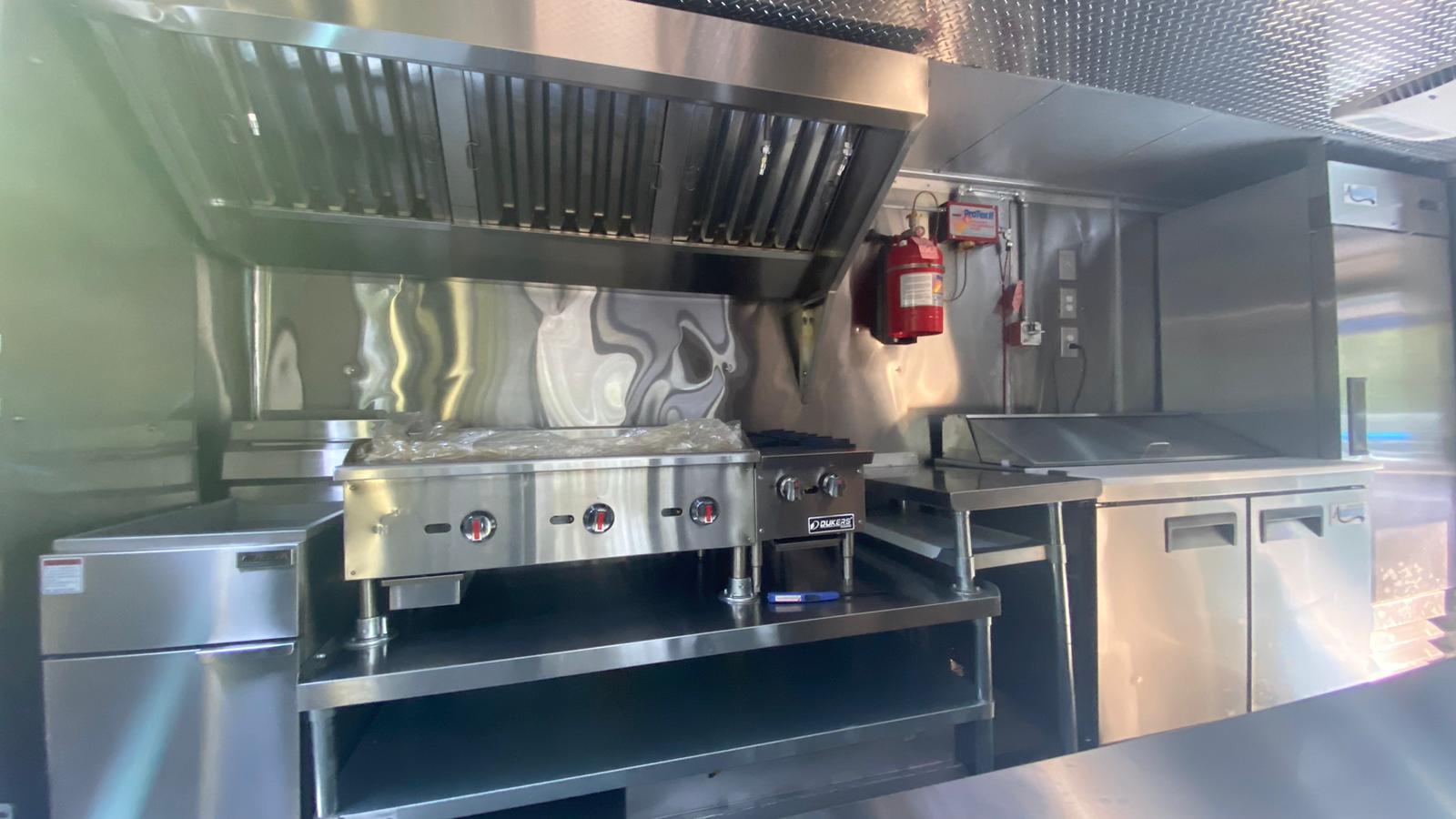
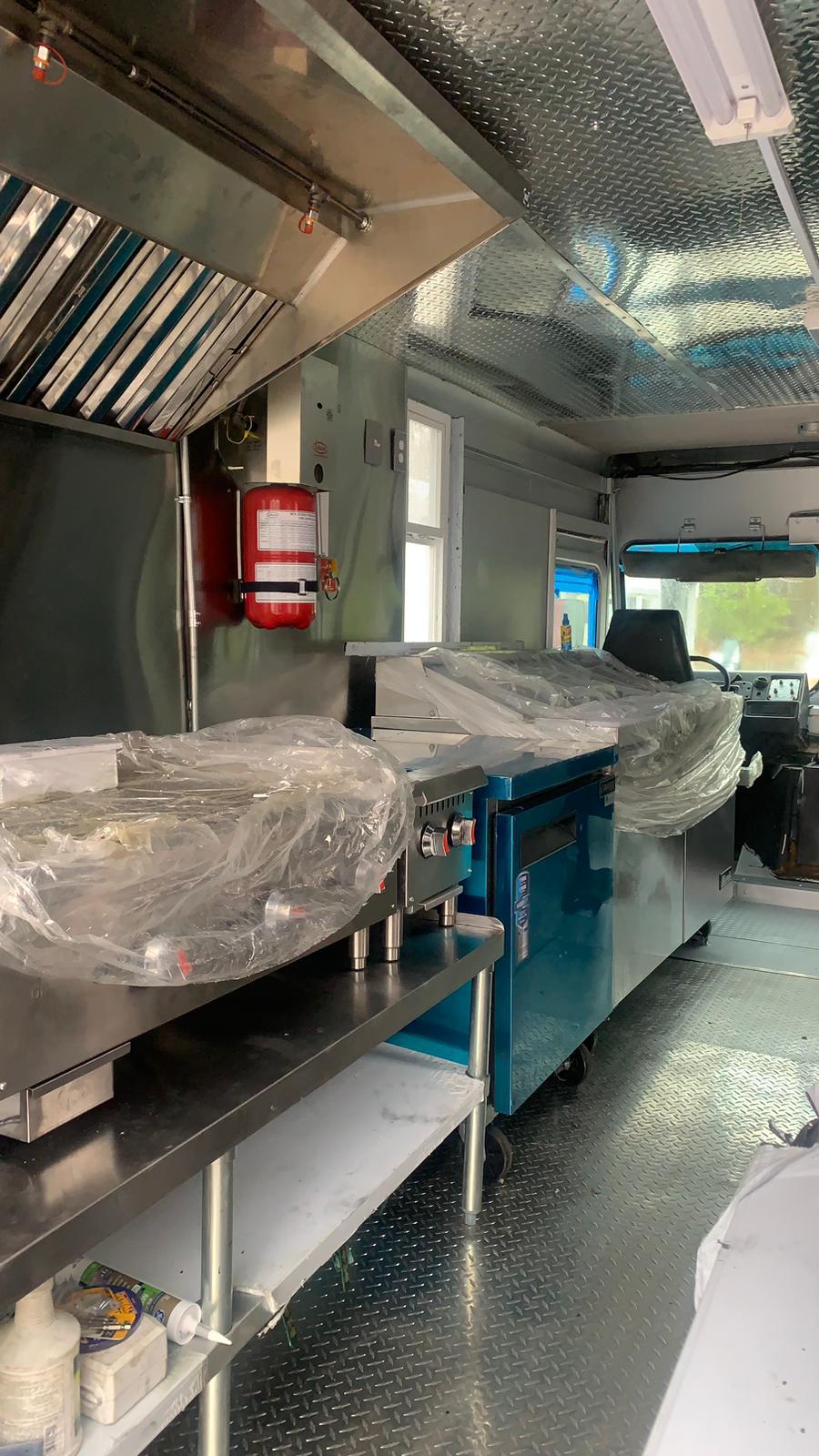
And here's the part that connects to your build-out: your menu dictates your equipment, not the other way around. If you're still planning your kitchen, it's worth understanding hood installation requirements and costs before you commit to a menu that needs three fryers. The wrong equipment list will bury a good menu faster than bad pricing.
Build the Menu Around Your Weakest Hour
Every food truck has a dead hour. Maybe it's 2pm to 4pm at the office park. Maybe it's the first 45 minutes of a festival before the crowd builds.
Most operators design their menu around their busiest hour. That's backwards. Design it around the hour that scares you.
If your slow hour is early afternoon, you need items that hold well and reheat cleanly — rice bowls, loaded fries, braised meats. If your slow hour is late night, you need items that cook fast from cold so you're not holding product for hours hoping someone shows up.
This is where menu planning stops being a food question and becomes an operations question. And operations is where most trucks quietly die.
What Nobody Tells You About Pricing Your Menu
New operators underprice. Every single time. They look at what the taco stand down the street charges and match it, forgetting that the taco stand doesn't pay commissary rent, doesn't pay for a generator, doesn't pay for a wrap that cost $3,500.
Your price has to cover three things people always forget: commissary time, propane, and the 2.5% to 4% card processing fee that eats every transaction. On a $15 ticket, that's roughly $0.50 gone before you touch the money.
If you're financing your build, those numbers get tighter. There are loan options for bad credit that work, but the monthly payment doesn't care how good your birria is. Your menu has to carry it.
Five Items, One Story
The best food truck menus I've seen in Texas all share one trait: every item connects to a single idea. A smash burger truck doesn't sell a random chicken sandwich. A pho truck doesn't add wings because someone asked.
Cohesion isn't aesthetic. It's operational. Shared ingredients mean less inventory, faster prep, and less waste. If your burger and your taco both use the same onion, the same cilantro, and the same hot sauce, you just cut your SKU count without cutting your menu.
This is the part of food truck menu planning for success that most guides skip. They talk about "variety" and "customer choice." What they should be talking about is how many ingredients you can cross-use across every item on the board.
The Menu Is a Living Document, Not a Launch Decision
Your opening menu is a hypothesis. Treat it like one.
Run it for 60 days. Track sales per item, not just total revenue. If an item is under 8% of total sales after two months, cut it. If it's over 30%, ask why — is it genuinely good, or is it just the cheapest thing on the board? Both answers matter.
Rotate one special per month. Not five. One. It tests demand without wrecking your prep flow. If it sells, promote it. If it doesn't, kill it and move on.
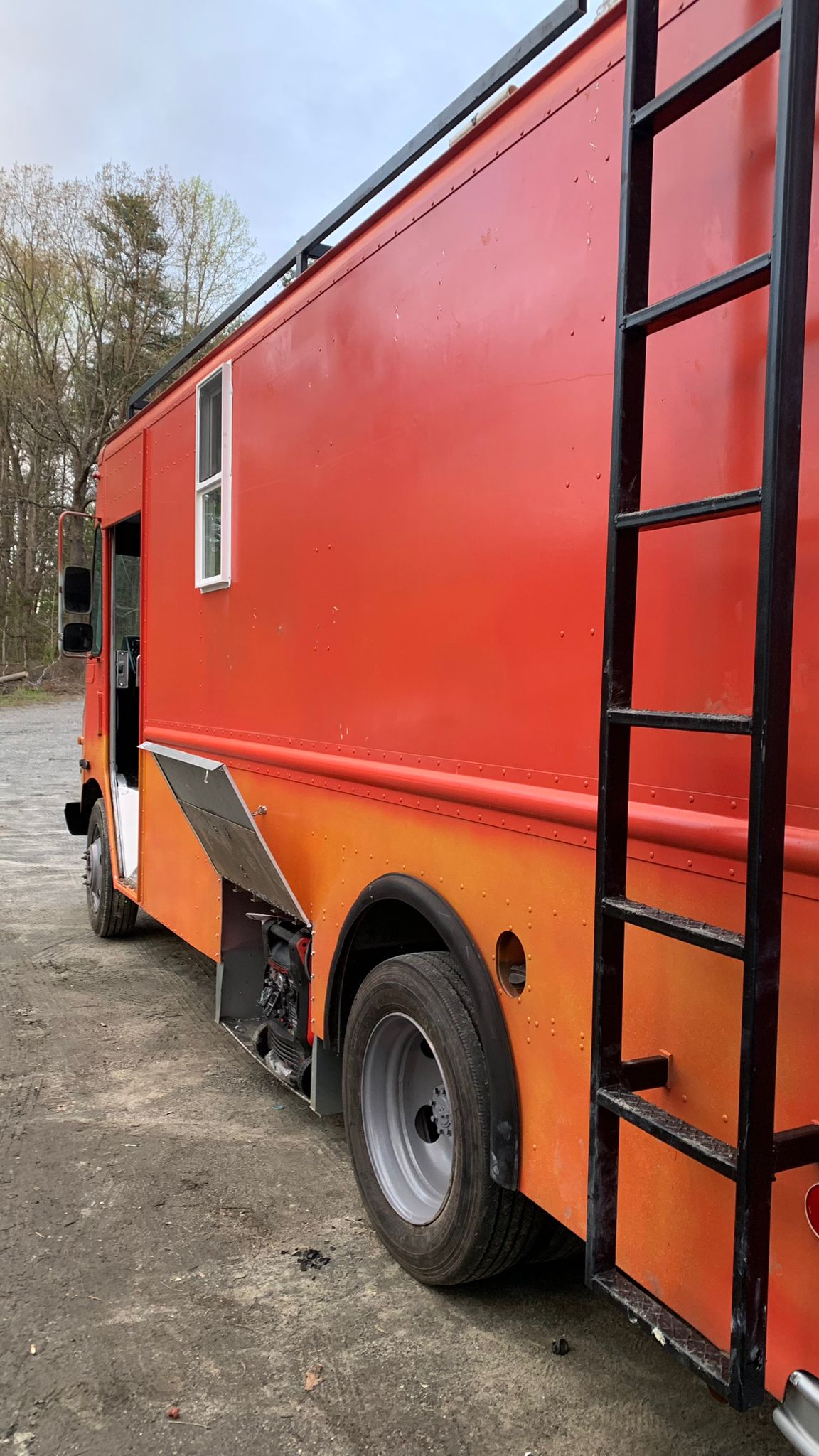
And if you're still in the planning phase — still deciding between a truck and a trailer, still figuring out whether a step van makes sense for your concept — the menu should come first. Not the vehicle. Not the wrap. The menu decides everything downstream, from your truck versus concession trailer decision to how much your step van conversion actually needs to include.
If you want real numbers for your specific concept before you commit, get a custom quote — it'll tell you more about your menu's viability than any spreadsheet you build alone.
The trucks that make it past year two aren't the ones with the most creative menu. They're the ones that figured out what to leave off.