Food Truck Loan for Bad Credit: Real Options 2026
Most Lenders Won't Say This Out Loud
A food truck loan for bad credit exists. That's the good news. The bad news is that most of what you'll read about it is written by brokers who get paid when you sign — not when you succeed. So let's skip the sales pitch and talk about what actually happens when you walk into a lender's office (or, more likely, fill out a form at 11pm) with a 580 credit score and a dream of selling brisket out of a 2008 step van.
Here's the number that matters: according to industry data from 2025, roughly 60% of food truck operators who apply for traditional bank financing get denied. Not because their concept is bad. Because banks don't lend against a truck that can drive away, and they certainly don't lend to someone with a thin or bruised credit file.
What Lenders Actually Look At (It's Not Just Your Score)
Everyone fixates on the FICO number. That's a mistake. A 600 score with 18 months of documented catering revenue beats a 720 score with zero food service history every single time. Lenders underwriting mobile food businesses care about three things, in this order:
1. Cash flow you can prove
If you've been operating for a year, your bank statements are your credit score. A lender looking at $4,200/month in consistent Square deposits will work with a 590 FICO far more readily than someone with a clean file and no revenue.
2. Collateral that holds value
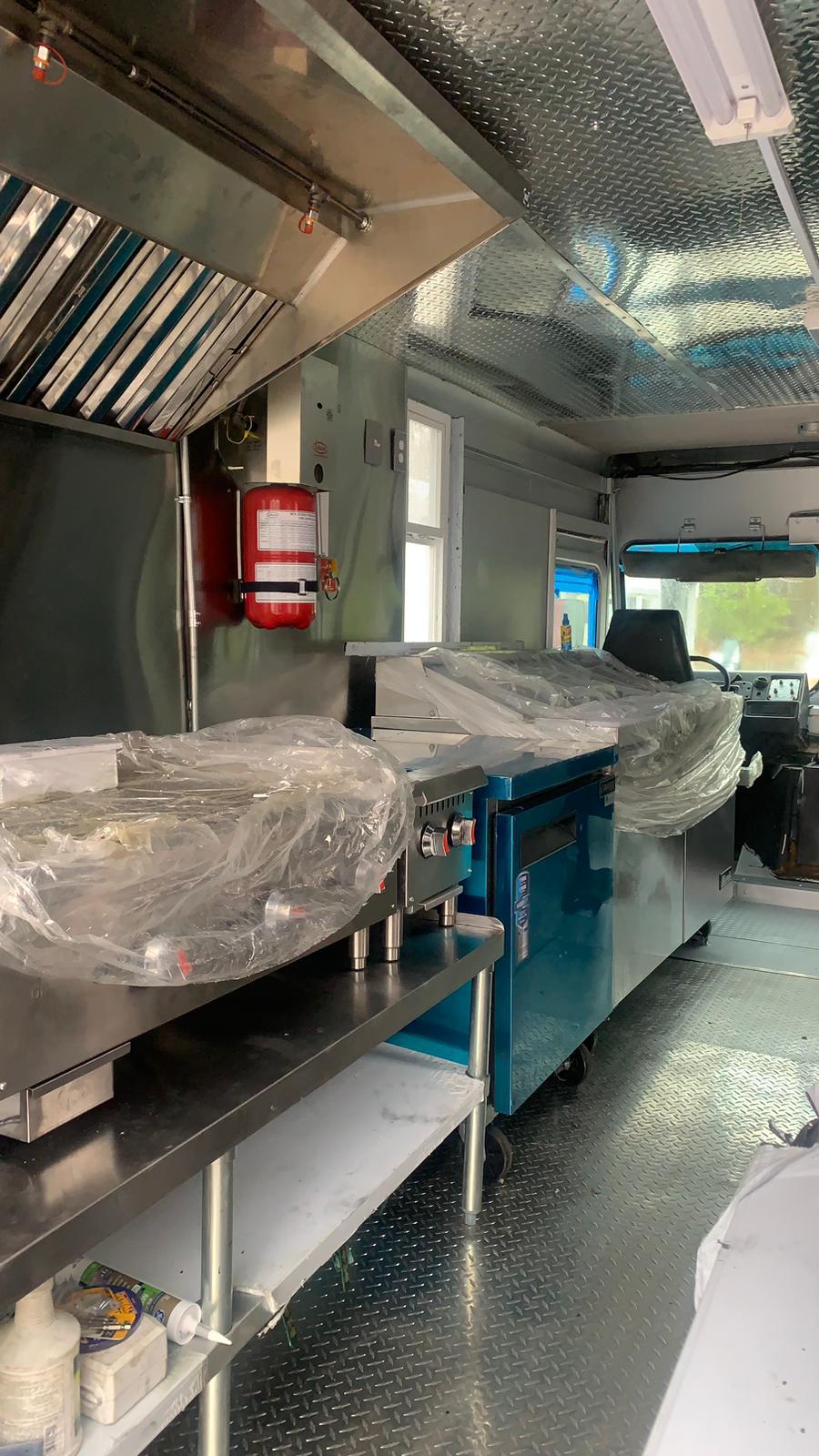
This is where the truck itself matters. A well-built conversion on a low-mileage step van holds value. A rusted-out 2003 Freightliner with 400,000 miles does not. If you're early in the process, read up on step van conversion costs before you talk to any lender — the asset you're financing determines what they'll offer.
3. Skin in the game
Lenders want to see you've put money in. Even $5,000 of your own cash changes the conversation. It signals you're not going to walk away when month three is slow.
The Options That Actually Work for Bad Credit
Let's get specific. Here's what's realistically available in 2026, ranked by how often I see them work.
SBA Microloans ($500–$50,000): The SBA's microloan program through intermediary lenders is the most forgiving option for damaged credit. Rates hover around 8–13% in 2026. They will look at your character and business plan, not just your score. The catch: it takes 60–90 days and you need a real plan, not a napkin sketch.
Equipment financing (8–30% APR): This is where most bad-credit operators end up. You're financing the truck and build-out as equipment, and the asset secures the loan. Rates are brutal at the low end of the credit spectrum — I've seen 28% APR quoted to a 560 FICO applicant in Dallas. On a $60,000 build, that's the difference between a $1,180 and a $1,720 monthly payment.
Revenue-based advances: Fast, expensive, dangerous. You'll pay an effective APR north of 40% in many cases. Use this only if you have a signed contract — a festival, a brewery residency — that guarantees the repayment.
0% intro business cards: Underrated. If your build-out is $15,000 and you can pay it off in 12–15 months, a 0% intro APR card beats every loan on this list. The risk is obvious: miss the payoff window and you're paying 29% retroactively.
Before You Borrow a Dollar, Read This
The single biggest mistake I see is people financing a truck before they've nailed down the build. They get approved for $50,000, spend $42,000 on the vehicle and a half-finished kitchen, and run out of money before the hood is installed. Then they can't pass inspection, can't operate, and can't make payments.
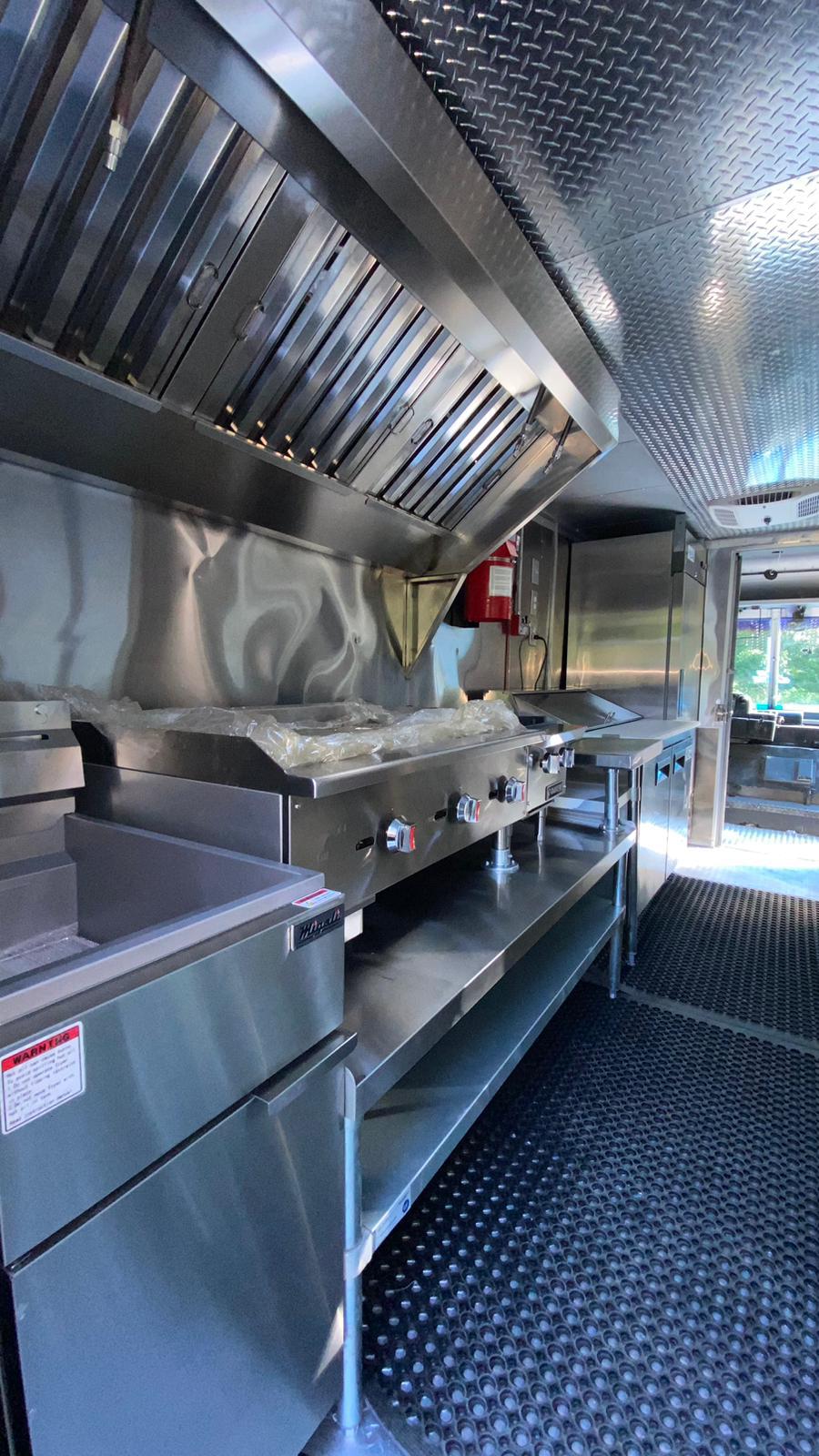
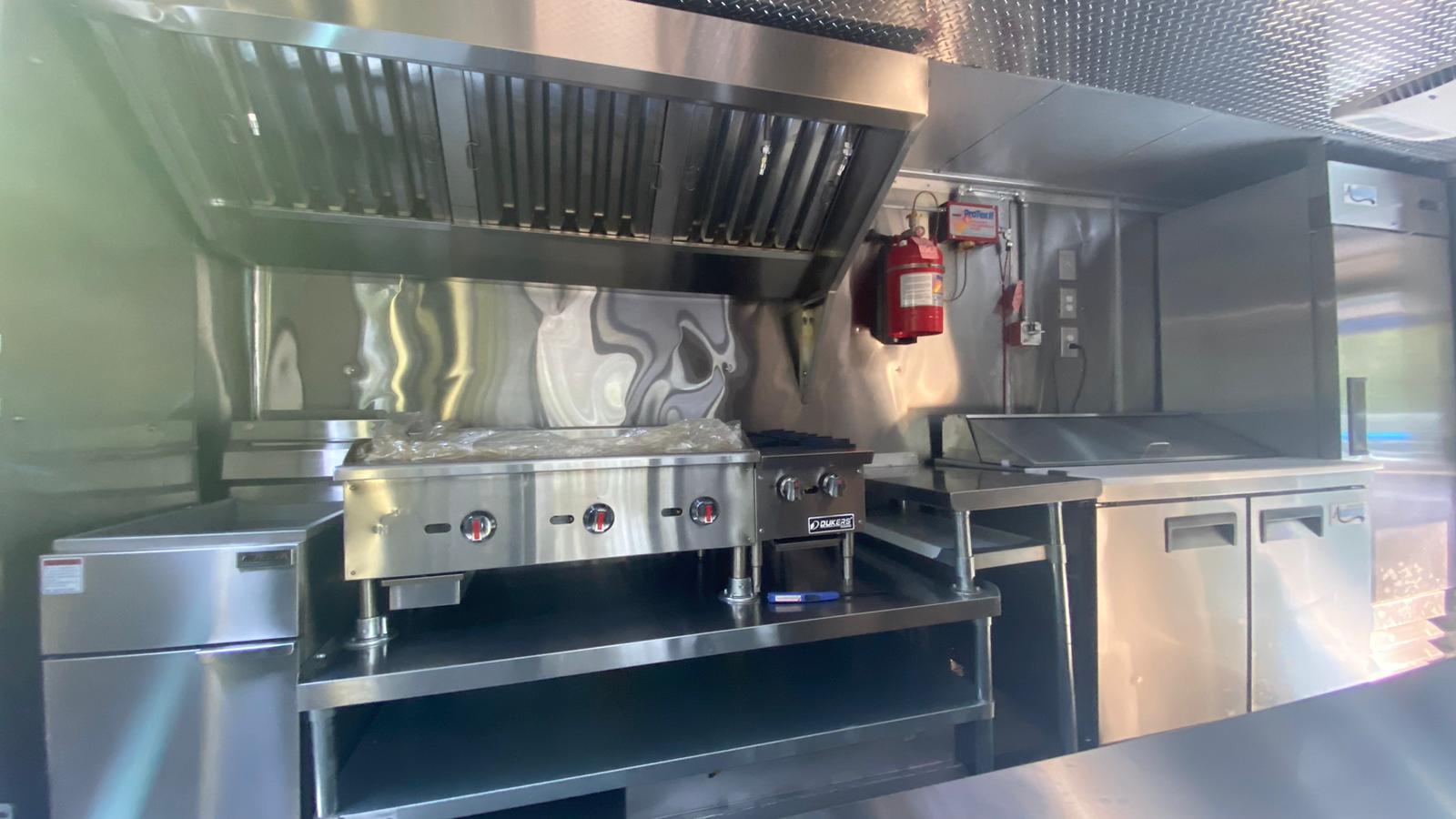
Don't do that. Lock your build scope first. The hood installation requirements and costs alone can swing $3,000–$8,000 depending on your city and menu. And if you're weighing a truck against a trailer, the trailer vs. truck cost comparison might save you $20,000 before you ever sign a loan document.
This is exactly why operators who work with mobile kitchen consultations before financing tend to borrow less and get approved more often. A lender sees a documented build plan and treats you differently. It's not magic — it's just that you look like someone who knows what they're doing.
How to Improve Your Odds in 90 Days
You can't fix a 540 score overnight, but you can move the needle enough to change your terms. Pay down any card above 30% utilization — that's the fastest single lever. Get a secured business card and use it for fuel and supplies. Open a business bank account and run every dollar through it, even if you're operating under your personal name right now.
And get your paperwork ready before you apply. A lender who asks for three documents and gets them same-day approves faster than one waiting two weeks for a bank statement.
One more thing: don't apply to six lenders in a week. Each hard pull dings your score. Pick two, apply, wait.
The Question Nobody Asks
Everyone asks "will I get approved?" The better question is "should I take this loan?" A 28% APR on a $60,000 build means you'll pay roughly $24,000 in interest over five years. That's a second truck. That's a year of permits in most Texas cities, plus a wrap.
If you can wait six months, fix your credit, and save $10,000, you'll save more than the truck will make in its first quarter. If you can't wait — because you have a location locked, a festival booked, a landlord who won't hold the spot — then take the loan, but take the smallest one that gets you cooking.
If you want to see what your specific build actually costs before you borrow against it, get a custom quote. The number might change your financing strategy entirely.