How Much Does It Really Cost to Build a Food Truck in Washington State in 2026?
Nobody gives you the real number. You search "food truck build cost Washington state 2026" and you get blog posts with vague ranges like "$30,000 to $100,000" — which is about as useful as saying "somewhere between a used Civic and a luxury SUV."
The truth is, I've watched three different operators in Seattle try to launch last year. One spent $38,000 on a used van conversion and was serving tacos within six weeks. Another dropped $127,000 on a custom 20-foot trailer and spent four months fighting with the King County health department. Both are still in business. The difference isn't the budget — it's knowing where your money actually needs to go.
So let me give you the real breakdown for 2026, based on what's happening in Washington state right now.
The $35,000 Entry Point: Used Van Conversions
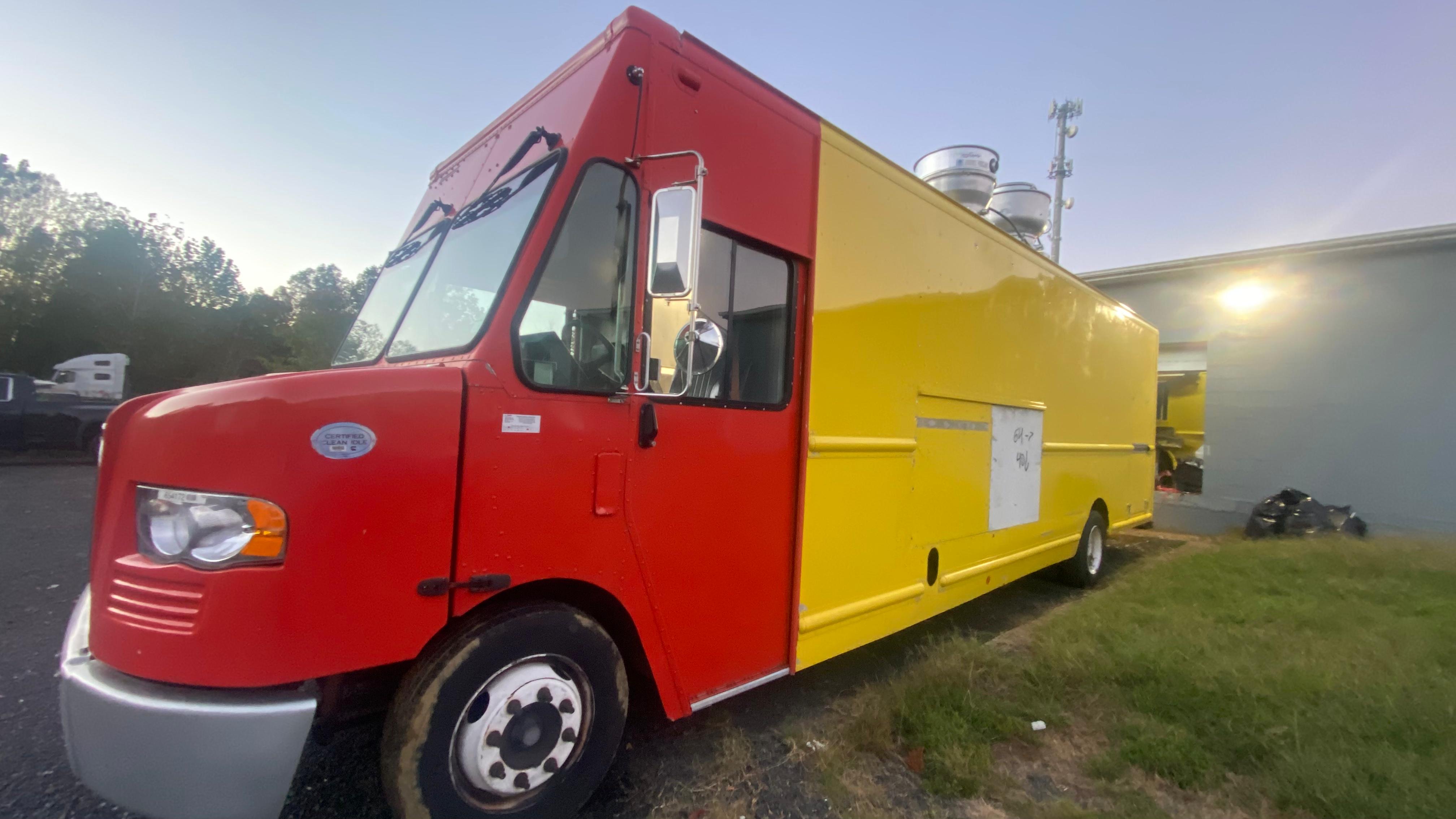
If you're starting lean, you can get a functional food truck for $35,000 to $50,000. That means buying a used cargo van — a Ford Transit or Mercedes Sprinter with 80,000+ miles — and having a local fabricator install a basic kitchen setup.
Here's what that $38,000 budget actually bought one operator in Tacoma last October:
- Used 2019 Ford Transit: $18,000
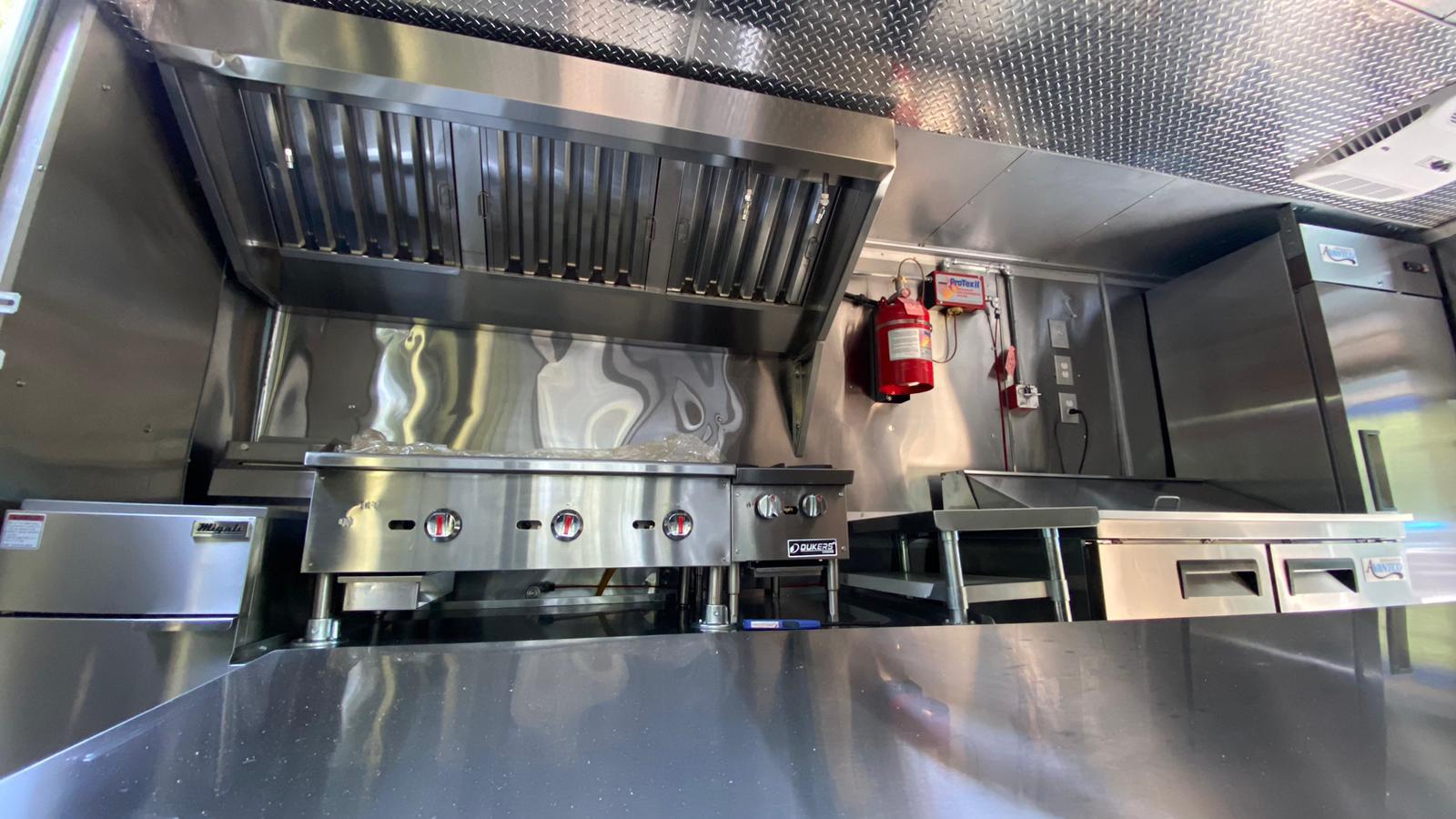
- Basic kitchen install (fryer, flat-top, fridge, sink): $12,000
- Fire suppression system: $2,800
- Generator (Honda EU3000): $2,200
- Permits and initial inspections: $3,000
But here's what nobody mentions: that van needed new tires and transmission service within three months. Add another $3,500 in surprise maintenance. The real cost was closer to $41,500.
The $80,000–$150,000 Custom Build
This is where the serious operators live. A custom food truck build in Washington state in 2026 — fully fabricated from a bare chassis or a new trailer — runs $80,000 to $150,000. And honestly, if you're planning to serve anything beyond fried food or pre-packaged items, this is the range you should be looking at.
Why so much? Because Washington's health codes are strict. The Seattle-King County Public Health department requires three-compartment sinks, handwash sinks with hot water within 10 seconds, commercial-grade hoods with fire suppression, and grease traps that actually work. A proper build-out that passes inspection on the first try isn't cheap.
One operator in Spokane paid $94,000 for a 16-foot trailer build in early 2026. That included:
- New 16-foot enclosed trailer: $8,500
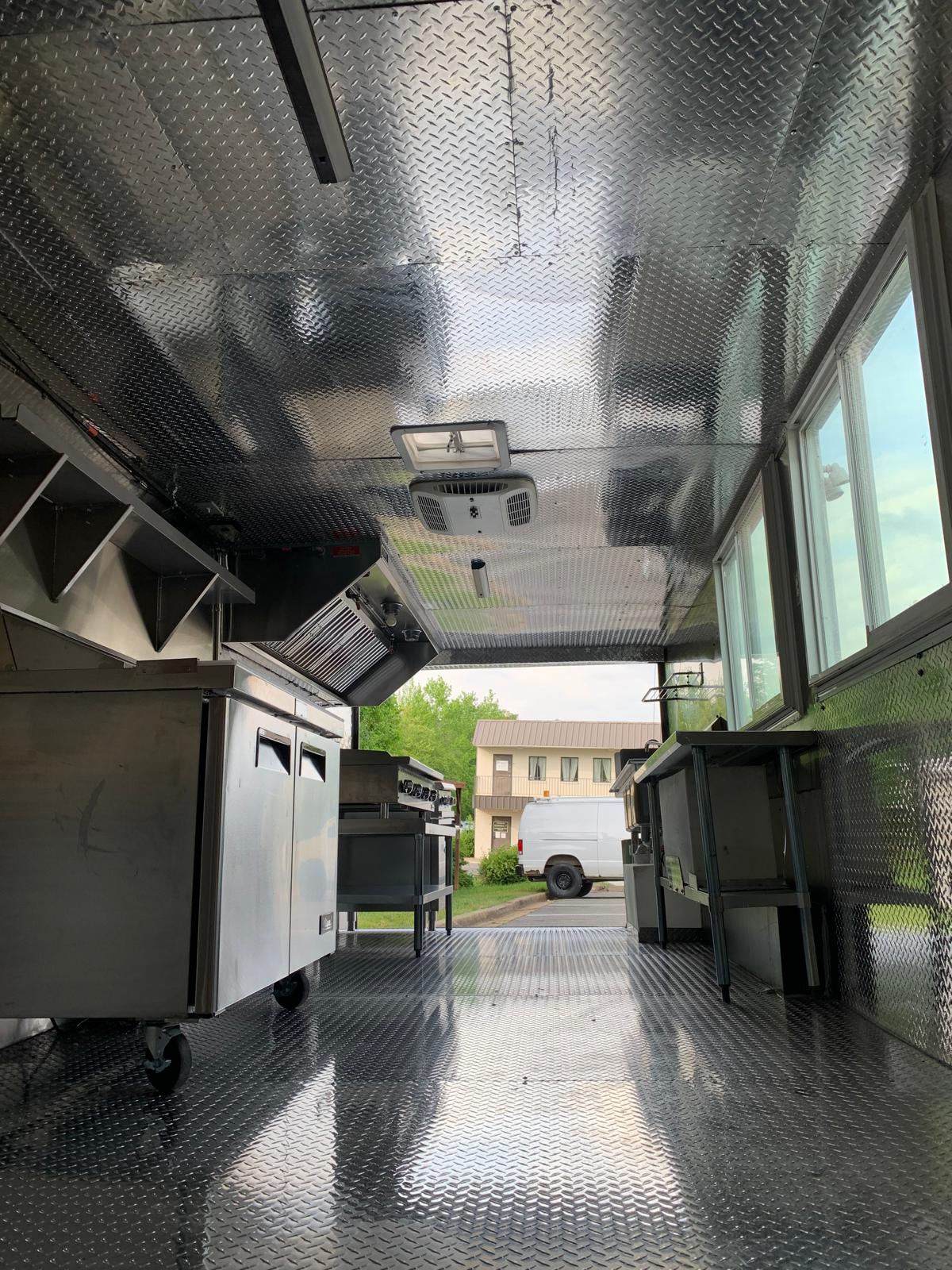
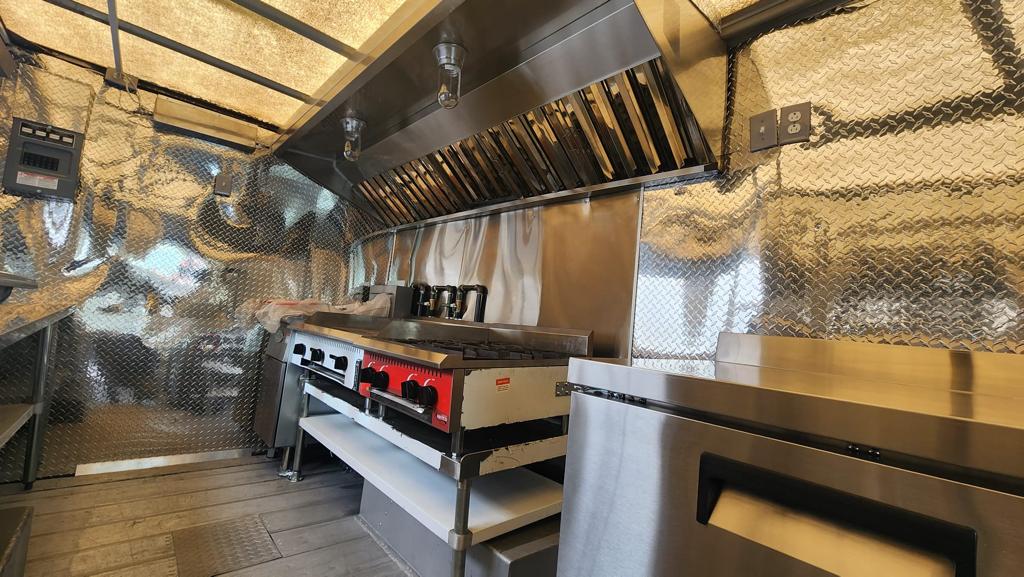
- Full stainless steel kitchen (griddle, 2-burner range, prep table, double sink): $22,000
- Commercial hood and Ansul fire suppression: $7,200
- 6kW diesel generator with sound enclosure: $4,800
- Plumbing, electrical, and propane system: $9,500
- Interior finish and branding wrap: $5,000
- Permits, plan review, and inspection fees: $3,100
- Labor and fabrication: $34,000
He passed inspection on the first try. That's the value of doing it right.
The Hidden Costs That Eat Your Budget
Everyone knows about the truck and the kitchen. What surprises people are the costs that come after the build.
Permit stacking. Washington state doesn't have a single food truck permit. You need a mobile food unit permit from your local health jurisdiction (Seattle, King County, Pierce County, Spokane — they all have different fees). Then a business license. Then a seller's permit. Then a fire marshal inspection. Then a parking permit if you want to operate in certain zones. These fees add up to $1,500 to $4,000 depending on your city. For a full breakdown, read our
Washington State Mobile Food Unit Permit Cost: 2026 Update.
Generator math. Most people undersize their generator. A 3kW unit will run your fridge and lights, but the moment you fire up a flat-top or fryer, you're in trouble. You need to calculate your total load carefully. Use our
Food Truck Generator Sizing Calculator to avoid making that mistake.
Insurance. Washington requires commercial auto insurance, general liability, and often workers' comp. Expect $3,000 to $6,000 per year minimum.
Branding. A professional wrap costs $2,500 to $5,000. And you need it — because in a crowded market like Seattle or Portland, your truck has about three seconds to grab someone's attention. Check out our
Food Truck Branding Ideas for Washington State for what actually works.
What About Fire Suppression?
This is the single most expensive line item that first-time builders underestimate. A proper Ansul or similar fire suppression system for a commercial hood runs $2,500 to $4,500 installed. And Washington state fire marshals are strict — they want to see the system certified, tagged, and connected to an automatic shutoff for gas and electricity.
If you're building in Houston or Texas, the requirements are different. But since Washington is our focus: don't skip this. A failed inspection costs you weeks and hundreds in re-inspection fees. Read our guide on
Houston food truck fire suppression system requirements for comparison — the principles apply, but local codes vary.
The One Question Nobody Asks
Everyone asks "how much does a food truck cost?" The smarter question is: "What's the minimum viable build that will pass inspection and let me start selling?"
Because here's the reality of 2026 in Washington state: the cost of entry isn't the truck. It's the regulatory gauntlet. You can build a $40,000 truck that never passes inspection, or a $90,000 truck that passes on the first try. The difference isn't laziness — it's knowing which parts of the build actually matter to the health department.
If you're serious about launching in Washington this year, start with a clear budget and a clear understanding of your local health codes. Then talk to builders who have done this before — not just someone who can weld a frame.
For a realistic look at what your specific concept would cost,
get a custom quote from builders who work with Washington operators regularly. They'll tell you what works and what doesn't before you spend a dollar.
And if you're still deciding between a van conversion and a custom build, the answer is: it depends on your menu. A taco or hot dog cart can work in a van. A full kitchen with a hood and fryer? You need the custom build. Don't let a tight budget force you into a truck that can't actually serve your food.
The best
mobile kitchen consultations start with a simple question: what are you cooking? Answer that honestly, and the budget builds itself.