How to Start a Food Truck in Houston: Real Costs
How Much Does It Actually Cost to Start a Food Truck in Houston?
Ask ten people how to start a food truck in Houston and nine will hand you a number that's wrong by $40,000. The tenth will tell you the truth: most beginners underestimate the build by 30% and the operating costs by half.
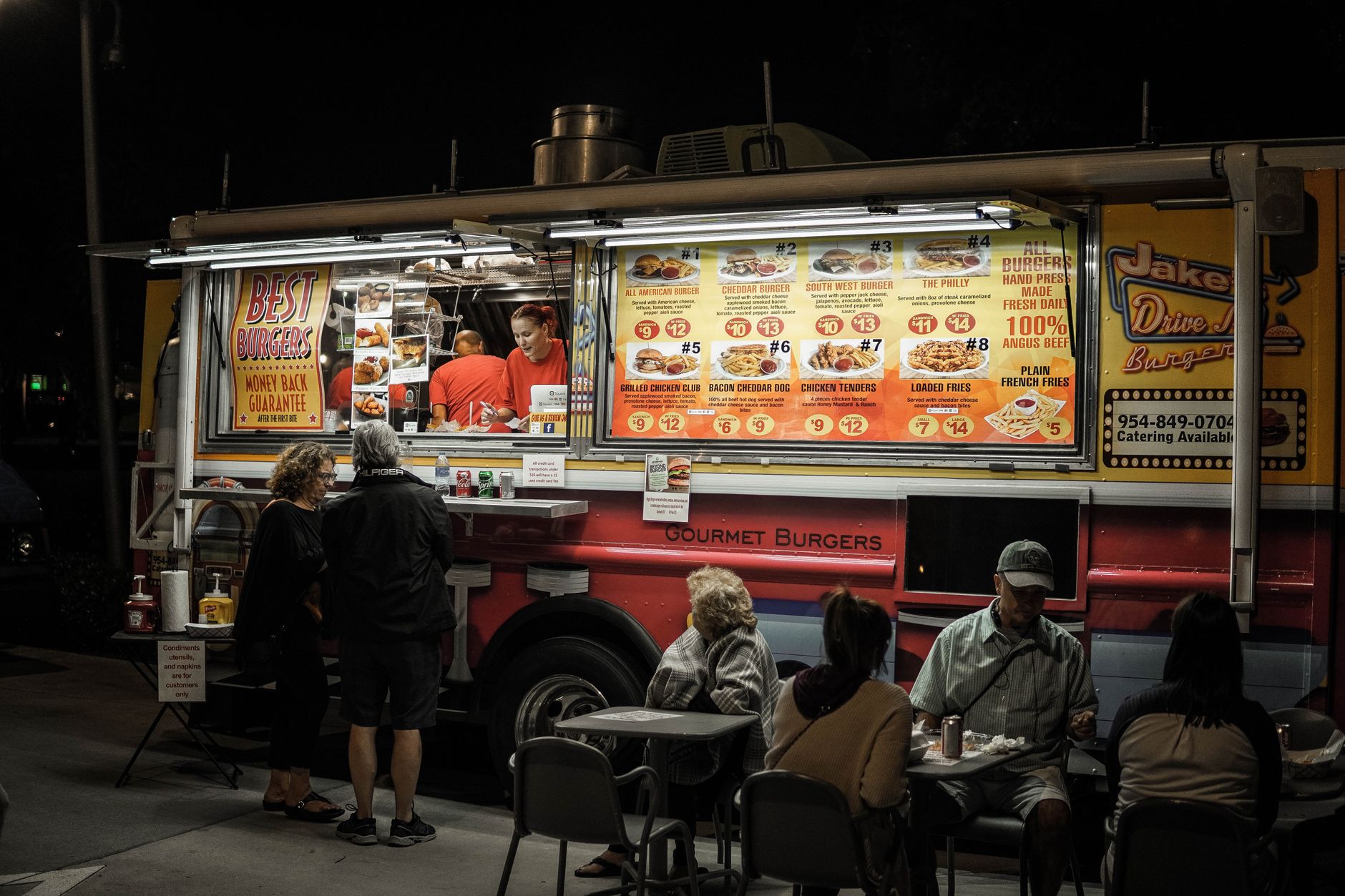
Here's the real 2026 picture. A used, decent-condition step van runs $25,000 to $45,000. A turnkey custom build — the kind that actually passes inspection and survives a Houston summer — lands between $80,000 and $150,000 depending on kitchen spec. Add $3,000 to $6,000 for initial permits, commissary deposits, and your first month of insurance. You're staring at $110,000 to $160,000 before you sell a single taco.
And that's just the truck. What nobody mentions is the commissary requirement. Houston requires food trucks to operate from a licensed commissary for potable water, waste disposal, and storage — that's $400 to $900 a month, every month, whether you sell or not.
If you want to see real numbers for your specific concept, get a custom quote before you sign anything. A build estimate takes an hour. A bad build takes a year to recover from.
The Permits Nobody Warns You About (and What They Cost)
Harris County and the City of Houston both want a piece of your paperwork. You'll need a Mobile Food Unit permit through Houston Health Department, a fire marshal inspection, a commissary agreement, and a Texas Sales and Use Tax permit. Budget $1,500 to $3,000 total for the first round of fees and inspections.
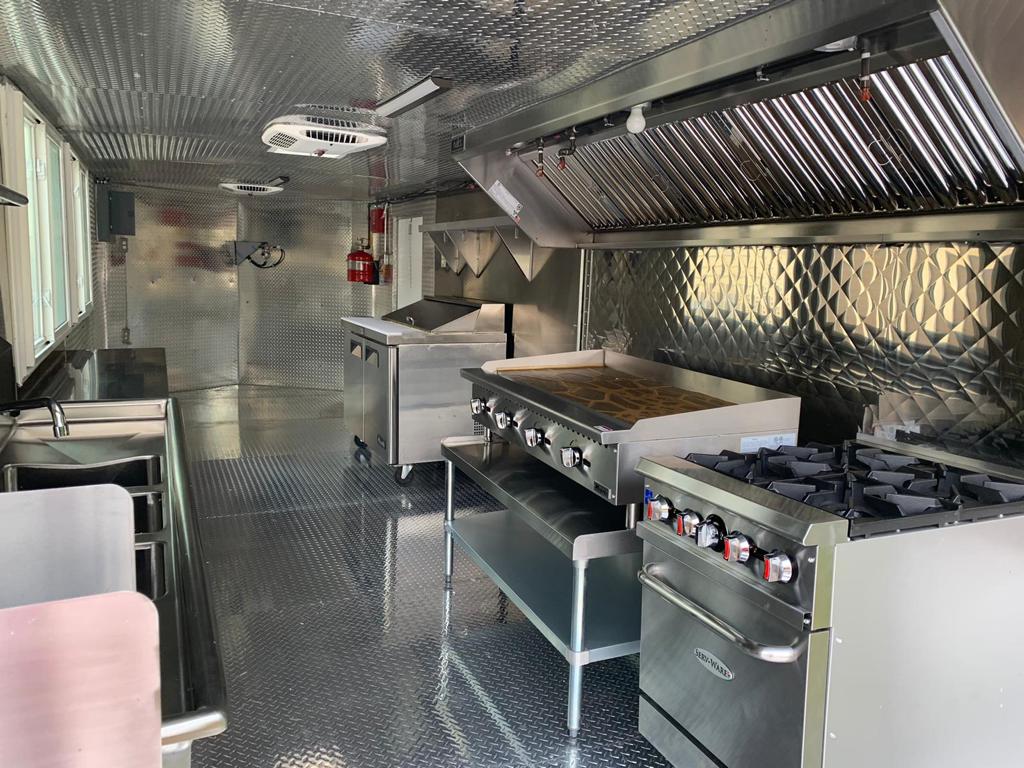
But here's the part that trips up beginners: the inspection isn't about your food. It's about your kitchen layout. Hand sinks positioned wrong, inadequate ventilation, or a three-compartment sink that doesn't meet code will fail you on the spot — and reinspection costs both time and money.
Why your kitchen layout decides your inspection outcome
Before you commit to a builder, understand how the layout drives everything. A truck designed for a 6-foot cook line and a 3-foot prep station works in a parking lot in the Heights. The same layout fails in a tight spot in Midtown where your service window faces the wrong direction. Read how to design a food truck kitchen layout that works before you approve any blueprint. It's the difference between a smooth opening and a six-week delay.
Food Truck or Trailer? Houston's Real Answer
This is where opinions get loud. The trailer crowd will tell you it's cheaper and easier to tow. The truck crowd will tell you trailers are a nightmare in Houston traffic and impossible to park downtown.
Both are right. And that's not a vague answer.
A trailer build saves you $20,000 to $40,000 upfront and gives you more kitchen space per dollar. But if your business model depends on hitting three locations a day — say, breakfast in the Medical Center, lunch in Downtown, dinner in EaDo — a trailer will eat your margin in towing time and fuel. A truck wins on mobility. A trailer wins on cost and square footage.
What few people know: Houston's food truck scene is increasingly dominated by trucks that stay in one spot with a strong recurring location, not trucks that roam. If that's your model, a trailer might be the smarter play. If you're chasing events and rotating spots, the truck is worth the premium. There's a full breakdown in which is better food truck or trailer: real differences — read it before you decide.
The Houston Locations That Actually Make Money
Here's a stat that should reframe your entire plan: roughly 60% of a food truck's revenue comes from repeat customers within a 2-mile radius. That means location isn't about foot traffic — it's about building a habit.
The trucks that survive in Houston tend to lock into one of three patterns:
Office parks and medical centers. The Texas Medical Center alone employs over 100,000 people. A truck that reliably shows up at the same corner every weekday builds a lunch routine fast.
Breweries and taprooms. Houston's craft brewery scene — spots in the Heights, EaDo, and Spring Branch — actively want food trucks. Rent is often a revenue split instead of a flat fee.
Construction and industrial sites. Underrated. High-volume, low-competition, and the customers are hungry at 6am and 11am, not just noon.
What doesn't work: chasing festivals. Event fees in Houston run $300 to $1,500 per day, and a slow festival can wipe out a week's profit. Events are a marketing tool, not a business model.
Your Brand Will Outlast Your Menu
You can change your menu in a week. You can't change your brand without losing the customers who found you. The trucks that build loyal followings in Houston — the ones people track on Instagram — invest in a consistent look and voice before they open, not after.
This matters more than most beginners realize. A memorable truck name, a clear visual identity, and a menu that fits on one sign are worth more than a 40-item menu nobody can read. If you're still sketching this out, food truck branding ideas for a new business that actually work is a solid place to start — it covers the mistakes that make new trucks forgettable.
And when you're ready to build, choose your builder the way you'd choose a business partner. How to choose a turnkey food truck builder: 5 tips covers the questions that separate the builders who deliver from the ones who disappear mid-project.
The Health Inspection Reality Check
Houston runs one of the stricter mobile food inspection programs in Texas. You'll be inspected before you open and periodically after. The checklist isn't a secret — but the pass-or-fail details are. Hand sink placement, hot water capacity, and proper ventilation account for the majority of first-time failures.
If you want to see what an inspection checklist looks like in practice, this food truck health inspection checklist walks through the standards — the specifics vary by state, but the principles are the same. The point isn't to memorize a checklist. It's to build a truck that doesn't need to worry about one.
What You Should Actually Do First
Before you buy a truck, before you pick a name, before you post a single thing on Instagram: get a real build estimate and a real operating budget. Not a YouTube number. Not a forum guess. Your number.
The beginners who make it in Houston aren't the ones with the best recipes. They're the ones who understood the math before they signed the lease. If you're serious about learning how to start a food truck in Houston without the expensive lessons, start with mobile kitchen consultations — the conversation alone will save you more than it costs.
The food is the easy part. The truck is where you either build a business or build a very expensive hobby.