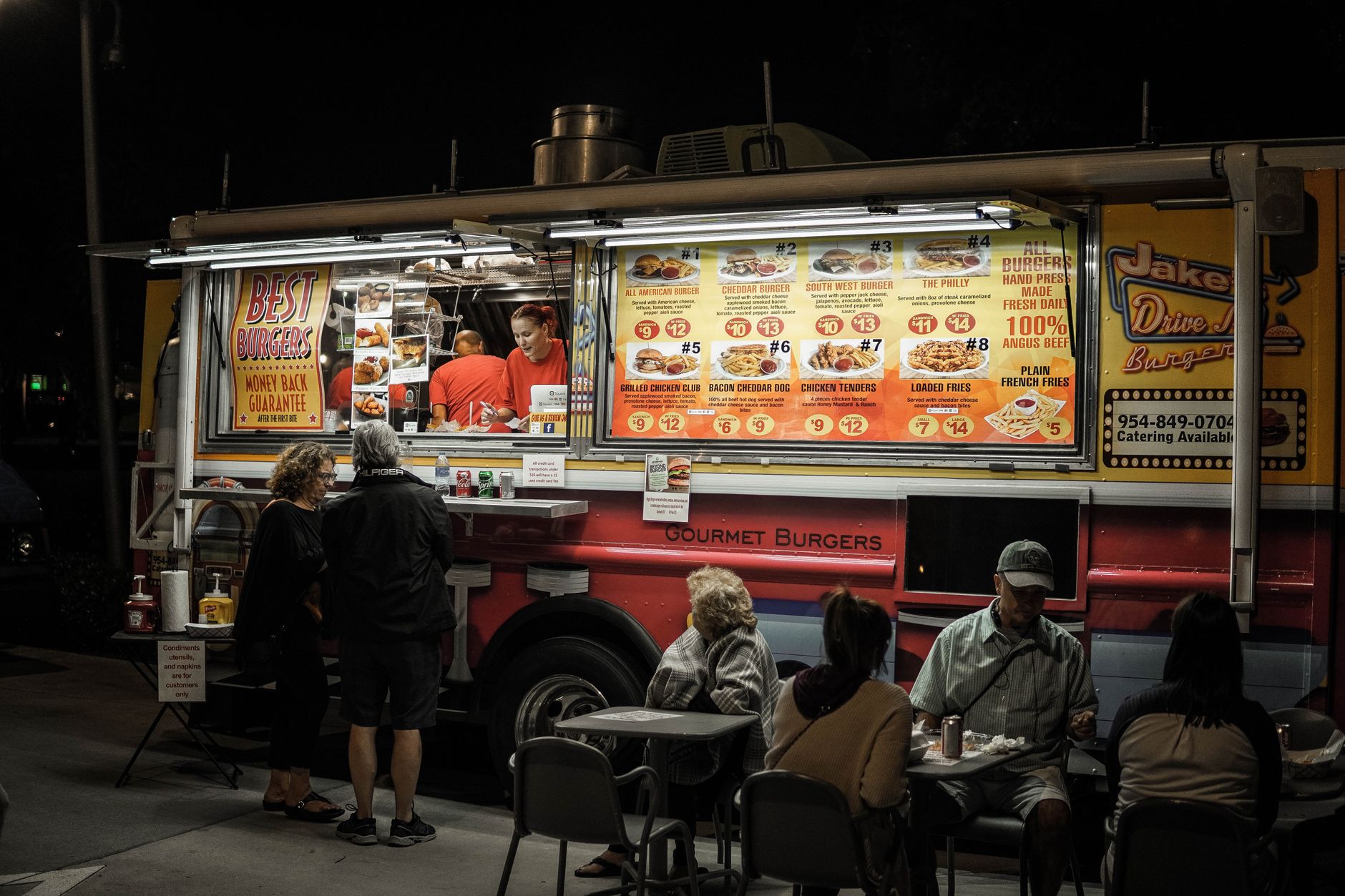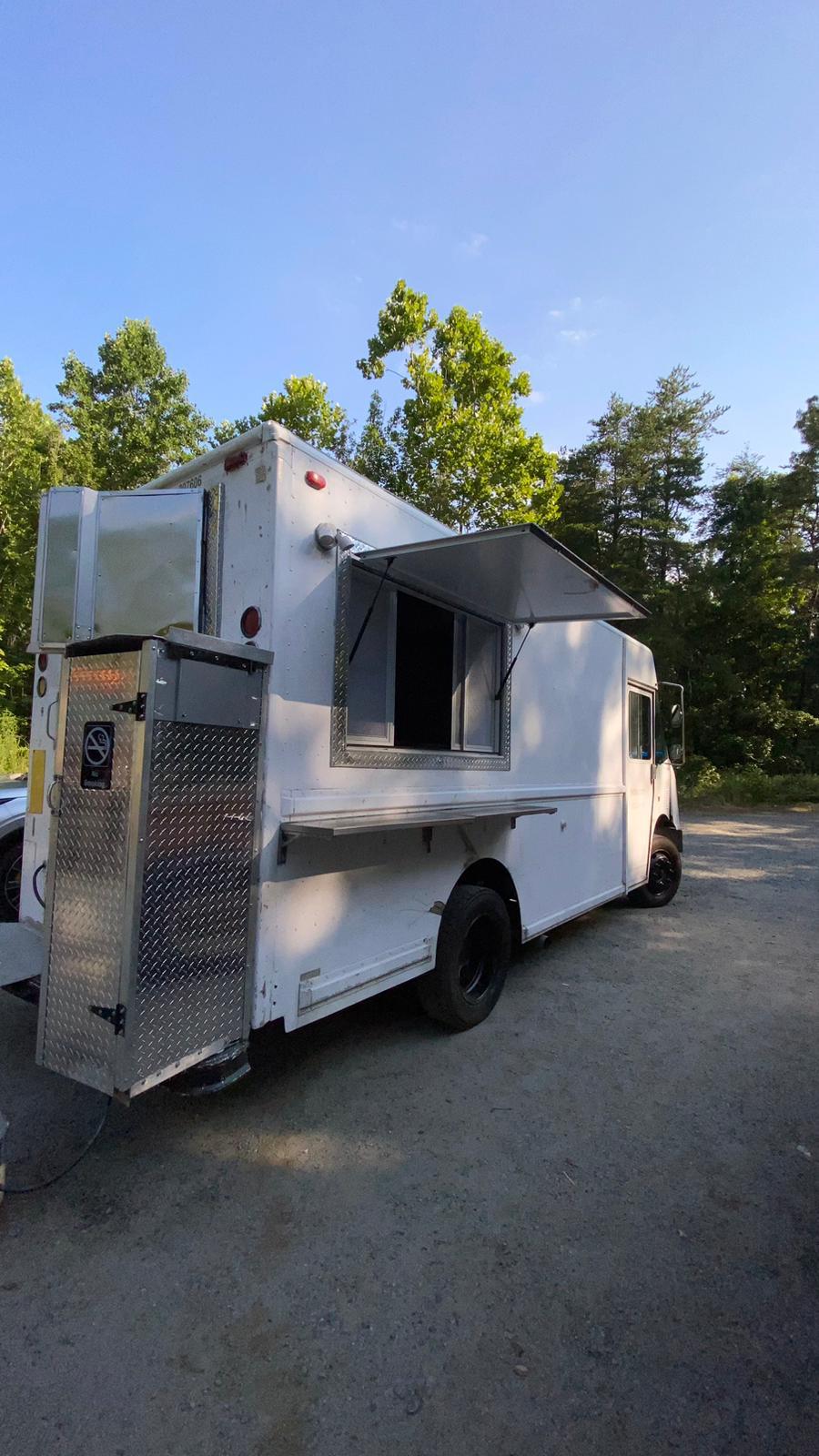
Virginia food truck health inspection checklist that passes
The Virginia Food Truck Health Inspection Checklist Nobody Hands You at the Permit Office
Most food truck advice is written by people who've never stood in a commissary at 6am scrubbing a grease trap before an inspector walks in. So let's be blunt: the Virginia food truck health inspection checklist that actually decides whether you pass isn't a PDF you download from the health department. It's a set of physical details on your truck that an inspector can see in the first ninety seconds — and most first-timers get them wrong.
Virginia runs its mobile food units under the state food regulations (12VAC5-421), and local health districts in Fairfax, Richmond, Virginia Beach and everywhere between enforce them with their own quirks. The rules are public. The order inspectors check things, and the small stuff that fails you, is not. That's what this is about.
What the Inspector Sees Before You Say a Word
Here's the part that surprises people. The inspection doesn't start when the inspector opens your door. It starts in the parking lot. If your truck is parked on grass, near a dumpster, or without a clear handwash station visible through the window, you've already lost points before hello.
Virginia requires a commissary — a licensed base kitchen where you prep, store, and clean. You cannot legally operate a food truck in this state without a commissary agreement on file. If you don't have one, the inspection is over. Full stop. This is the single most common reason a first inspection gets cancelled outright, not failed — cancelled. (If you're comparing rules across state lines, the Washington commissary requirements piece shows how differently states handle this.)
The six things that fail first-timers
In my experience talking to operators and inspectors, these are the repeat offenders:
1. The handwash sink isn't really a handwash sink. It needs hot and cold running water, soap, and paper towels — and it must be dedicated. Not the three-compartment sink. Not a bucket. Inspectors test the water temperature with their hand. If it's lukewarm, you fail.
2. No hot water at 110°F. Virginia wants hot water at the handwash sink and the warewashing sink. A 6-gallon water heater is the bare minimum most operators run; undersize it and you'll be serving cold water by noon.
3. The three-compartment sink is too small. Each compartment has to fit your largest pot or pan submerged. A lot of cheap conversions install a sink that looks right and isn't. This is a build decision, not a cleaning decision — which is why kitchen layout design matters before you ever buy equipment.
4. No thermometer in the fridge. Every cold holding unit needs a visible, working thermometer. Inspectors check that the unit holds 41°F or below. Bring your own probe thermometer too — they'll ask.
5. Screens and self-closing doors missing. Any opening to the outside — service window, back door — needs a screen or self-closing mechanism. Flies are the enemy and inspectors know it.
6. No written procedures. You need your commissary agreement, your employee health policy, and a cleaning schedule on paper. Not in your head. On paper, in the truck.
The Paperwork Half of the Checklist
Virginia food truck operators need a mobile food unit permit from the local health district where you're based — and if you want to operate in multiple jurisdictions, you may need permits from each. That's the trap. A Fairfax permit doesn't automatically let you sell in Arlington. Budget $200–$600 per jurisdiction depending on the locality, and expect a plan review fee on top for a new build.
Your commissary agreement, a food protection manager certification (required for at least one person on shift), and your vehicle registration all need to be current and in the truck. Inspectors ask for the food manager cert by name. Have it laminated and visible.
And here's where it gets expensive if you get it wrong: a full custom build runs $60,000–$120,000 in 2026 depending on size and equipment. Getting the plumbing and sink spec wrong on a $90,000 truck because you didn't read the checklist first is a brutal way to learn. The 2026 cost breakdown lays out where that money actually goes.
How to Prep So You Pass on the First Visit
Schedule the inspection for a morning, not the afternoon. You want a clean truck, full water tanks, and empty grey water before the inspector arrives. Run your systems the day before — turn on the water heater, test the fridge overnight, confirm it holds temperature. A dry run catches 90% of the failures.
Then do a self-inspection with the actual checklist in hand. Walk the truck like an inspector: parking, exterior, handwash, warewashing, cold holding, hot holding, dry storage, paperwork. If you can't find your thermometer in ten seconds, neither can they.
The truth is, the operators who fail are usually the ones who treated the build like buying a car instead of building a kitchen. Pick a builder who knows Virginia code, not one who ships the same box to every state. The seven factors to check in a builder are worth reading before you sign anything — and if you're still early in the process, the step-by-step build guide keeps you from skipping the plumbing decisions that fail inspections later.
If you want to talk through your specific layout before you commit to a build — or you're trying to fix a failed inspection — get a custom quote and ask them to spec the sinks and water heater to Virginia code from day one. It's cheaper than rebuilding.
The One Thing That Separates Pass and Fail
Every failed inspection I've heard about traces back to the same root: the truck was built for looks, not for the checklist. The inspectors aren't trying to trip you up. They're checking whether the kitchen you built can actually keep food safe at 2pm on a Saturday when there are forty people in line and your water heater is working overtime. Build for that moment, and the inspection is the easy part.