Food Truck Build Cost in 2026: Real Numbers, No Fluff
How Much Does a Food Truck Build Cost in 2026? Here's the Honest Number
Ask ten builders what a food truck costs and you'll get ten ranges that don't match. Ask them what's inside the range and the room goes quiet. That silence is where budgets die.
So let's kill it. In 2026, a realistic food truck build cost for a fully equipped, inspection-ready unit lands between $65,000 and $175,000. That's not a hedge — it's a spread driven by three things: whether you start from a new chassis or a used one, how many appliances you cram in, and which city inspector has to sign off on it. A basic two-person coffee and pastry truck in Richmond might close out at $72,000. A full 20-foot grill truck in Houston with a hood system, double fryer, and fire suppression? You're closer to $160,000 before you've bought a single napkin.
The number most people quote — "$50k and you're rolling" — hasn't been true since roughly 2021. Steel went up. Fabrication labor went up. Commercial refrigeration alone jumped 18–22% between 2022 and 2024 and never came back down. If someone hands you a $45,000 quote today, ask them to itemize the fire suppression. Watch what happens to their face.
What Actually Drives Your Build Cost Up or Down
Forget the sticker. The build cost is a stack of decisions, and each one moves the total by thousands. Here's the real hierarchy.
The chassis: new vs. used is a $25,000 fork in the road
A new 2026 step van chassis runs $42,000–$58,000 depending on make and wheelbase. A used 2018–2021 van in decent shape? $18,000–$28,000. That gap is the single biggest lever you have. But a used chassis eats the savings back in surprises — rust repair, transmission work, a frame that won't pass inspection. Budget $4,000–$7,000 for "unknown unknowns" on any used vehicle, and if you skip that line, you'll meet it later at the worst possible moment.
The kitchen equipment: where the range explodes
This is the part nobody itemizes publicly, so here's a rough 2026 breakdown for a mid-size truck:
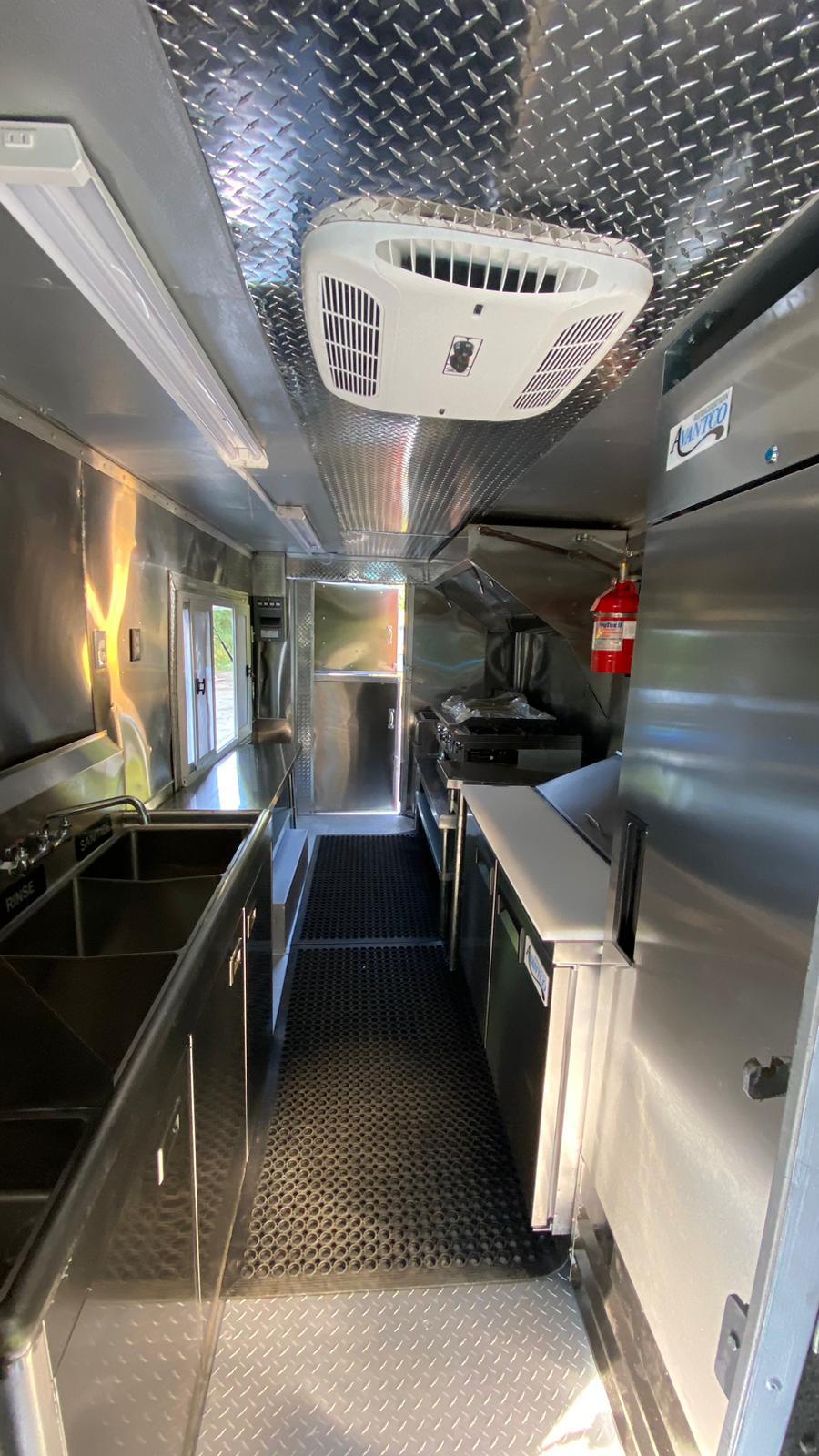
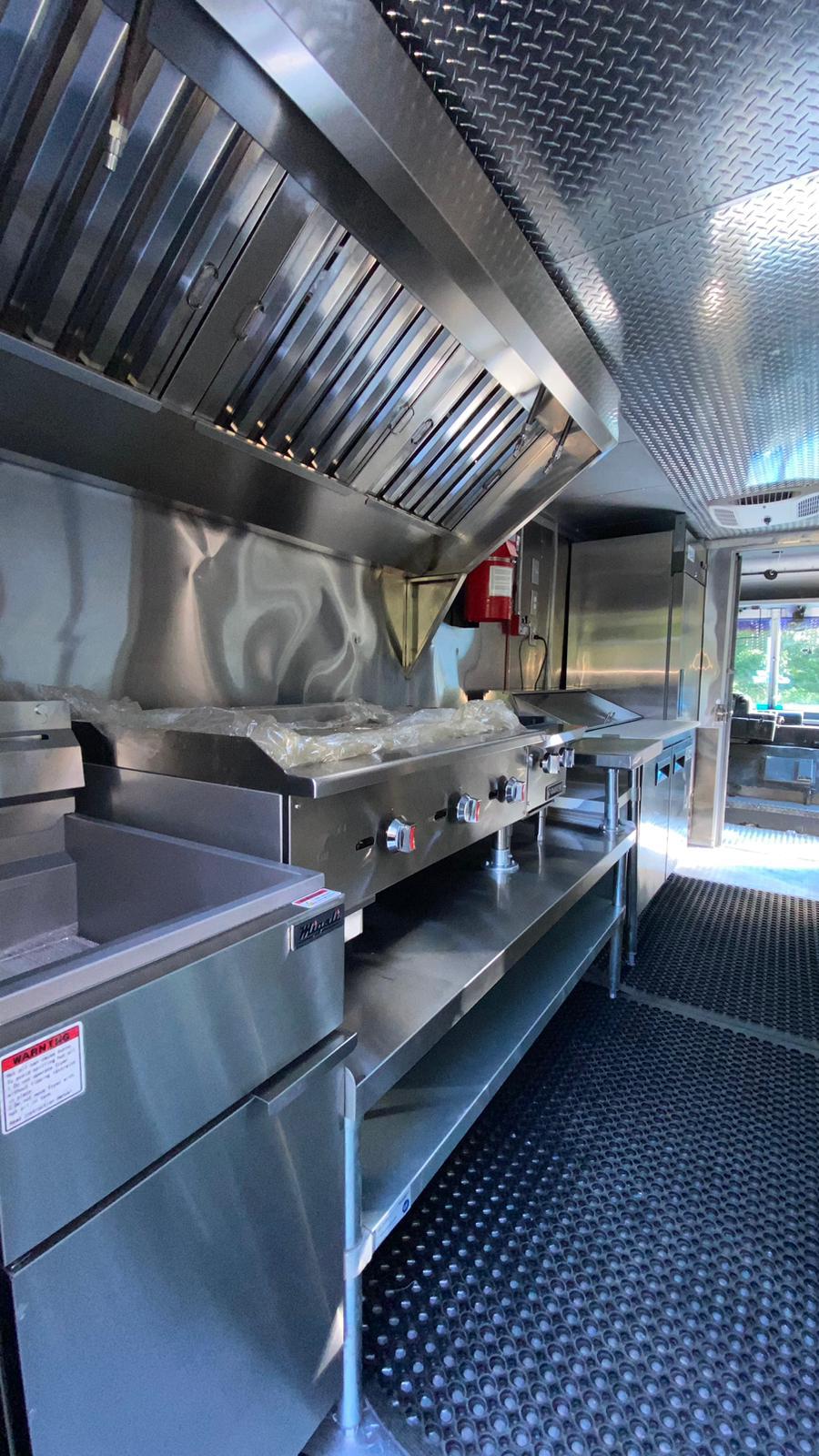
- Commercial hood + exhaust + fire suppression: $8,500–$14,000
- Refrigeration (reach-in or under-counter): $3,500–$9,000
- Flat-top griddle, fryer, range: $6,000–$16,000 combined
- Three-compartment sink + hand sink + plumbing: $3,000–$5,500
- Generator (7–12kW) + electrical rough-in: $7,000–$13,000
- Water system (fresh + grey tanks, pump): $2,500–$4,500
- Interior fabrication, stainless walls, shelving: $6,000–$12,000
Add it up and you're at $36,500 on the low end, $74,000 on the high. Same truck footprint. Same number of customers served. The difference is entirely what you decided to cook.
The Costs Nobody Puts on the Quote
This is where first-timers get gutted. The build is the build — you can see it, touch it, argue about it. The costs around the build are invisible until they invoice you.
Permits and licensing alone run $1,500–$6,000 depending on jurisdiction. Health department plan review, fire marshal inspection, business license, commissary agreement — each one is a separate check. Wraps and branding? A quality full wrap is $2,800–$5,500, and if you want it to actually sell, the design matters more than the vinyl. There's a reason wrap design that actually sells is its own conversation — a bad wrap on a $120,000 truck is a very expensive mistake.
Then there's the commissary. Most cities require a licensed commissary for food prep, storage, and grey-water disposal. That's $400–$1,200 a month, forever. It's not a build cost, but it's a number you need in your head before you sign anything.
And the inspection itself. A truck that fails inspection doesn't earn. It sits. Getting it right the first time — down to the sink heights and the air gap on the plumbing — is worth more than any discount you negotiate on equipment. If you want to see what "ready on the first pass" looks like in practice, a turnkey build ready for inspection is the benchmark to compare against.
Why Your City Changes the Math More Than You Think
Two identical trucks, two different cities, two different final invoices. It's not the labor rate — it's the code.
Houston runs a relatively streamlined mobile food unit process, but Harris County health plan review is strict on hot-water capacity and hand-sink placement. Virginia is a different animal: the state health code layers on top of county rules, and the commissary requirement is enforced hard. If you're building for Virginia, read the 2026 Virginia food truck regulations before you approve a single weld — retrofitting a truck to pass a code you didn't read costs $8,000–$15,000 on average.
This is the part that separates a $90,000 build from a $130,000 build on the same chassis. Not greed. Geography.
So What Should You Actually Budget?
Here's the honest answer, and it depends — but not vaguely. It depends on the number of menu items you plan to cook simultaneously.
One cooking station, one person, limited menu: $70,000–$95,000 all-in with a used chassis. Two stations, two people, full grill-and-fry operation: $120,000–$165,000. Anything above that and you're either building a showpiece or building for a commissary-level operation, which is a different business model entirely.
Add 10–15% contingency to whatever number you land on. Every single time. The trucks that blow their budget aren't the ones with expensive equipment — they're the ones that budgeted exactly and then met reality.
If you want the number for your specific concept instead of a range, the fastest path is to walk through it with people who build these weekly. You can get a custom quote based on your menu and your city, or start with mobile kitchen consultations if you're still deciding whether a truck is even the right vehicle. And if you want the full sequence from chassis purchase to first service, the 2026 step-by-step build guide lays it out in order.
The food truck build cost question has a real answer. It's just not a single number — it's a set of decisions, and the people who get it wrong are the ones who treat the quote as the finish line instead of the starting point.