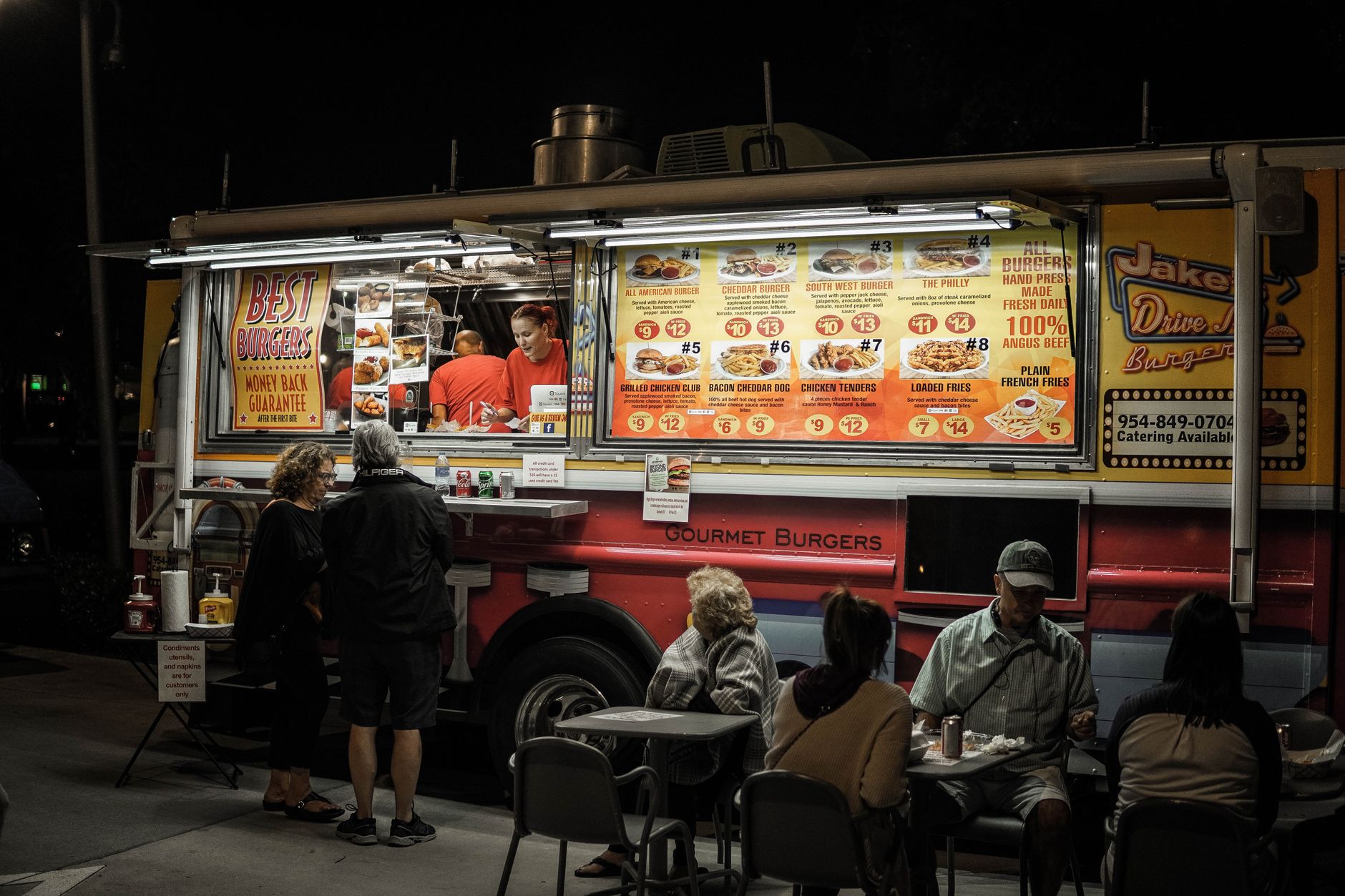
Which Is Better Food Truck or Trailer: Real Differences
Which Is Better, Food Truck or Trailer? The 60% Rule Nobody Tells You
Roughly 60% of new mobile food vendors in Texas choose a trailer over a truck in 2026 — and most of them are right. But "most" isn't "you." The question of which is better food truck or trailer has a real answer, and it depends on three things almost nobody weighs before signing a build contract: your parking situation, your menu, and how often you plan to move.
Let's cut through the noise. A food truck costs $75,000–$175,000 fully built. A trailer runs $30,000–$85,000. That gap is real, but it's not the whole story. The trailer looks cheaper until you realize you need a $45,000 truck to pull it.
Here's what actually matters.
The Real Difference: One Is a Vehicle, One Is a Room
A food truck is a self-propelled kitchen. You turn the key and go. A trailer is a kitchen on wheels that needs to be towed, parked, leveled, and hooked up to power and water every single time you move it.
That sounds minor. It isn't.
If you're doing lunch service in downtown Austin and a private event in Round Rock the same day, the truck wins every time. You drive 20 minutes, park, open the window, sell. With a trailer, you're hitching up, checking lights, driving slower, finding a spot, unhitching, leveling, connecting. That's 90 minutes of your day gone before you've sold a single taco.
But if you're setting up at a permanent spot — a brewery, a lot you lease, a hospital campus — the trailer is the smarter build. You park it once and forget it. And here's where it gets interesting: the trailer gives you more usable kitchen space per dollar because you're not paying for an engine, cab, and drivetrain you'll never cook in.
Space and Layout: Where the Trailer Quietly Wins
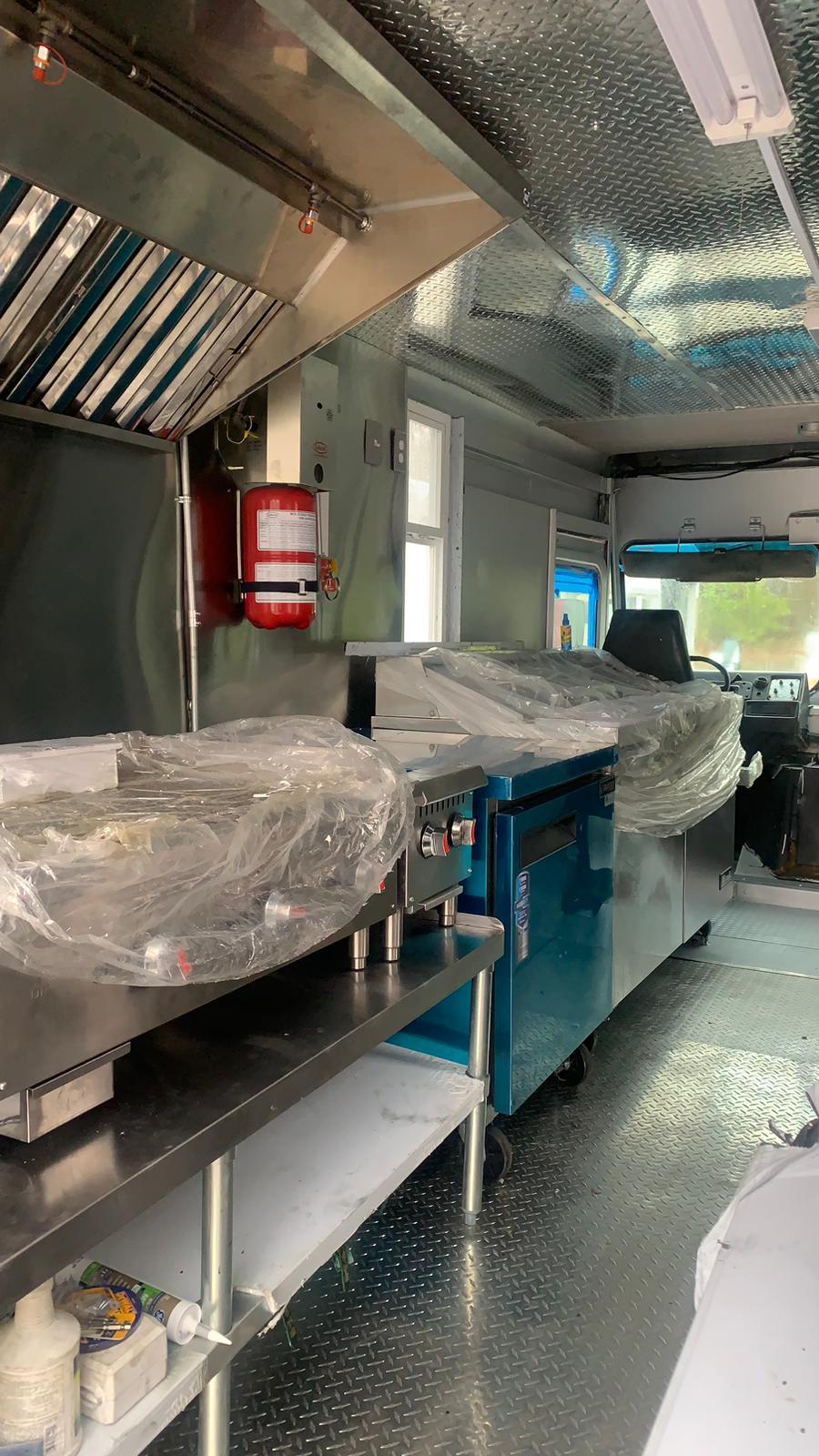
A $60,000 trailer typically gives you 14–16 feet of kitchen. A $60,000 truck gives you maybe 10–12 feet of usable work area after the cab eats the front third. If your menu needs a flat top, a fryer, a prep line, and a three-compartment sink, that extra footage is the difference between a smooth service and a traffic jam at the pass. If you're planning the interior, read how to design a food truck kitchen layout that works before you commit to dimensions.
What Van-to-Food-Truck Conversions Actually Cost in 2026
Let me give you concrete numbers, because vague ranges help nobody.
A basic new food trailer with a 12-foot box, two sinks, a hood, and a generator runs about $38,000–$55,000 in 2026. A comparable new step van conversion starts around $85,000 and climbs fast. Used trucks are cheaper upfront but often need $15,000–$30,000 in mechanical and kitchen work before they pass inspection.
Then there's insurance. Trucks carry higher commercial auto premiums because they're driven daily — expect $3,500–$6,000 a year versus $1,800–$3,000 for a trailer plus a tow vehicle policy. Registration, inspections, and maintenance follow the same pattern. For a full line-by-line breakdown, see the custom food truck cost breakdown for 2026 prices.
The trailer wins on paper. But paper doesn't serve customers.
When a Food Truck Beats a Trailer (And When It Doesn't)
Pick a truck if:
You're chasing high-traffic, high-variety locations. Festivals, office parks, night markets, rotating brewery stops. Mobility is your revenue model. You need to be where the people are, and the people move.
Pick a trailer if:
You have a fixed or semi-fixed location. You're leasing a lot. You're catering. You want lower startup cost and lower monthly overhead. You have a truck or SUV that can already tow 7,000+ pounds — and if you don't, factor that purchase in before you celebrate the cheaper build.
What nobody mentions is the health inspection angle. Trailers are often easier to pass on the first try because everything is stationary and plumbed cleanly. Trucks have more moving parts, more vibration, and more places for a grease trap to fail. Either way, the Virginia food truck health inspection checklist that passes gives you a solid template for what inspectors look for — the rules are similar in most states.
The Factor Most Buyers Ignore Until It's Too Late
Resale.
Food trucks hold value poorly. A three-year-old truck with 60,000 miles and a worn kitchen sells for 40–50% of what you paid. Trailers depreciate slower because there's no drivetrain aging out. If you think you might sell in five years, that math matters as much as the build cost.
And here's the uncomfortable part: the brand on your truck or trailer is what customers actually remember. A trailer with a killer wrap and clear menu beats a shiny truck with no identity every time. Start with food truck branding ideas for new businesses that actually work before you spend a dollar on the shell.
One more thing. Whoever builds your unit matters more than whether it has an engine. Read what to look for in a food truck builder: 7 factors and you'll avoid the $20,000 mistakes that sink more vendors than bad recipes do.
So Which One Should You Actually Buy?
If you're mobile-first and selling to crowds that move, buy the truck. If you're location-first and selling to a spot you can count on, buy the trailer and put the savings into your kitchen and your brand.
The honest answer to which is better food truck or trailer isn't a product. It's a business model. Match the vehicle to how you'll actually earn, not to what looks cooler in a photo.
If you want to run the numbers for your specific concept — menu, city, service style — the people who build these units daily can walk you through it. You can get a custom quote or book mobile kitchen consultations to pressure-test your plan before you commit. No pitch, just math.
Because the vendors who fail aren't the ones who picked the wrong shell. They're the ones who never did the arithmetic in the first place.