How Much Does It Cost to Build a Food Truck? 2026
How Much Does It Cost to Build a Food Truck? The Number Nobody Gives You Straight
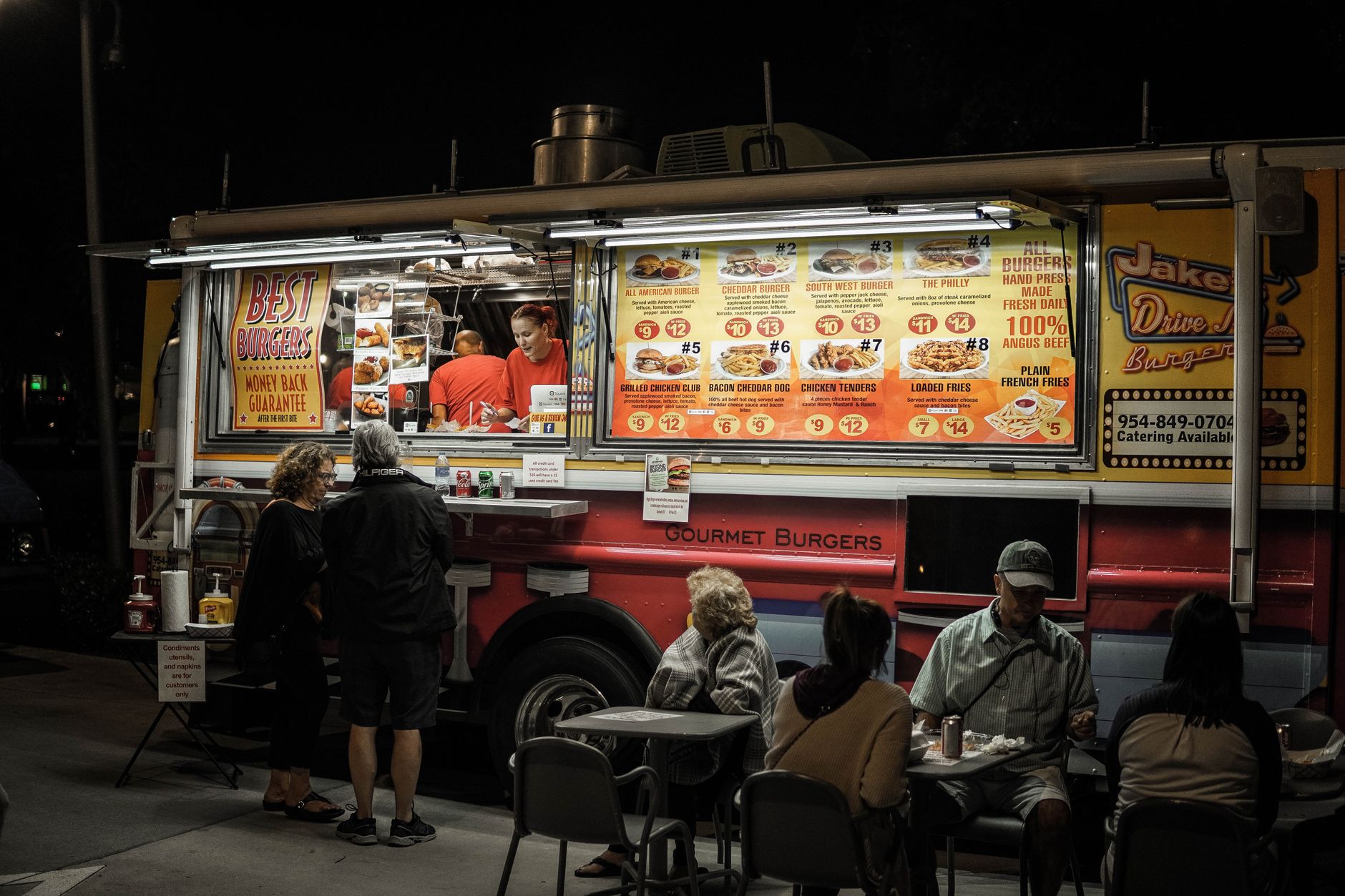
How much does it cost to build a food truck? Ask five builders and you'll get five ranges that don't match, because most of them quote you the shell and leave the kitchen for later. The honest answer for 2026 sits between $60,000 and $150,000 for a fully equipped, code-compliant truck. That's a wide range, and the gap between the low and high end is almost never the truck itself. It's the kitchen inside it.
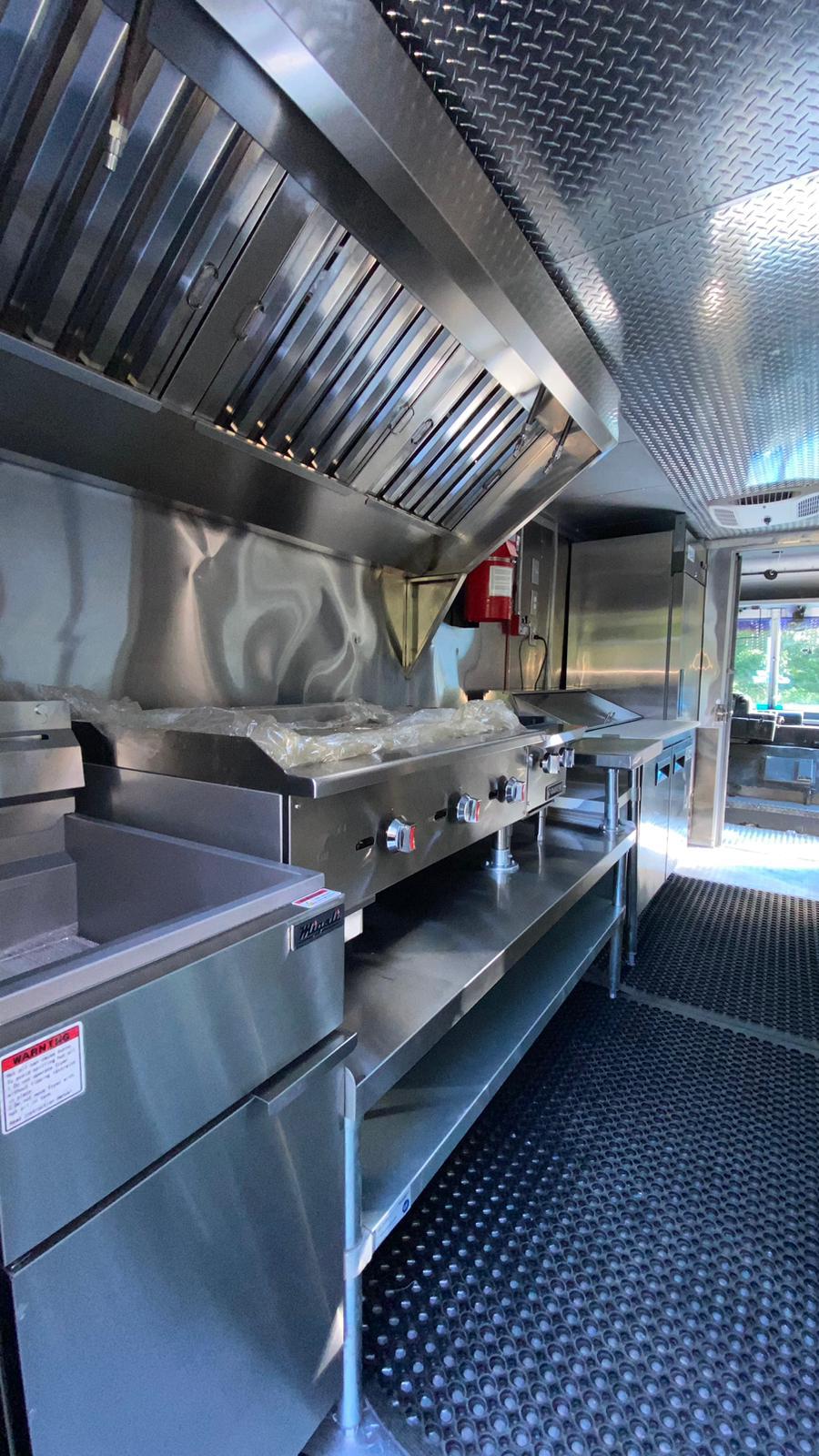
Let me be blunt about where people get this wrong. They budget for the vehicle, they budget for a wrap, and then the fire suppression, the hood, the three-compartment sink, and the refrigeration eat another $30,000 they never planned for. The truck is the cheap part. The commercial kitchen bolted into it is what actually costs money.
What Van-to-Food-Truck Conversions Actually Cost in 2026
Here's the breakdown that matters, line by line. These are real 2026 figures for a mid-size build in a market like Houston or Dallas, where fabrication labor runs $75 to $110 an hour.
The shell and the build-out
A used step van or box truck in decent shape runs $18,000 to $35,000. A new chassis pushes past $45,000 before anyone touches a wrench. Then the conversion work — insulation, walls, flooring, electrical rough-in, plumbing rough-in, generator mount — adds $25,000 to $45,000 depending on how custom you go. That's the structural half.
Where the budget actually dies: the kitchen
Commercial equipment is the silent budget killer. A Type I hood with fire suppression: $6,000–$12,000. A three-compartment sink and hand-wash station: $2,500–$5,000. Refrigeration, flat-top, fryer, prep surfaces: $15,000–$30,000. Add the ANSI/NSF-certified gear your health department will actually inspect, and you're staring at $25,000 to $50,000 just for the cooking line. This is the number most first-timers underestimate by half.
And here's where it gets interesting. The difference between a $70,000 truck and a $130,000 truck is rarely the menu. It's whether the builder quoted you a turnkey kitchen or a shell you have to finish yourself. If you want to understand what a real turnkey build includes before you sign anything, mobile kitchen consultations will walk you through it without the sales theater.
The Costs Builders Leave Off the Quote
Permits and inspections in a city like Houston run $1,500 to $4,000 once you stack the health permit, fire marshal sign-off, and commissary agreement. Commissary access itself is a monthly cost — $300 to $800 in most Texas markets — and you can't legally operate without it. Branding and wrap: $3,000 to $8,000. Generator: $4,000 to $12,000. Point-of-sale and permits software: another few hundred upfront.
Stack it all and the "surprise" total lands 15 to 25 percent above what the first quote said. Every time. That's not a scam — it's just that quotes are built to win the job, and the fine print is where the real number hides. If you want the full picture of what launching actually costs beyond the build, the real numbers in how to start a food truck in Houston are worth reading before you commit a dollar.
Why Your Build Timeline Changes the Price
Rush jobs cost more. A standard build takes 12 to 20 weeks; compress that and fabricators charge premiums for overtime and priority parts. Understanding the realistic schedule matters as much as the budget, because a truck that arrives two months late is a truck that isn't earning. The honest timeline is laid out in how long it takes to build a food truck — read it before you promise anyone a launch date.
There's also the food truck versus trailer question, and it's not cosmetic. A trailer build can run $15,000 to $30,000 cheaper because you skip the drivetrain and engine maintenance. But you lose mobility and pay for a tow vehicle. The real trade-offs are in food truck or trailer: the real differences, and for a lot of first-time operators the trailer wins on pure math.
What Actually Separates a $70K Build From a $130K Build
Three things. The quality of the equipment (cheap gear fails in year two and costs you double), whether the builder does turnkey or hands you a shell, and how much you customize. A standard menu on standard gear in a clean shell is the $70K end. A custom concept with premium refrigeration, a full hood system, and a wrapped exterior is the $130K end. Neither is wrong. They're just different businesses.
The mistake I see over and over is operators who spend $20,000 on branding and wrap and then buy the cheapest fryer on the market. Your customers see the wrap. Your profit depends on the fryer not dying on a Saturday. If you're weighing where to spend, branding ideas that actually work will tell you what's worth the money and what's vanity.
And if you're choosing who builds it, the difference between a good builder and a bad one is measured in inspections failed and months lost. Five tips for choosing a turnkey builder covers what to ask before you wire a deposit.
The Real Question Isn't the Price — It's the Payback
Here's the reframe that matters. A $110,000 truck sounds terrifying until you do the math on payback. A well-run truck grossing $8,000 a week with a 60 percent margin clears the build in under a year. A poorly specced truck that fails inspection twice and launches three months late might never recover the lost season. The cost to build is a number. The cost of building it wrong is a business.
So before you fixate on whether you're a $70K operator or a $130K one, get the number built around your actual menu, your actual city, and your actual volume. If you want to see real figures for your specific concept, get a custom quote — and read it line by line, because the kitchen is where the truth lives.