Food Truck Consultation Houston: Plan Your Custom Build
Most Food Truck Advice Is Written by People Who've Never Built One
Here's the number nobody puts on the flyer: roughly 60% of new food trucks in Texas don't make it past year two. And in the vast majority of cases I've seen, it wasn't the food. It was the build. The wrong equipment in the wrong place, a generator that can't run the fryer and the AC at the same time, a layout that turns a two-person service into a four-person traffic jam. By the time the owner figures it out, they've already burned $40,000 on a truck they can't fix without starting over.
That's the real reason a food truck consultation Houston operators actually pay for exists. Not to hand you a checklist. To stop you from spending six figures on a kitchen that fights you every single day.
If you're searching for "food truck consultation Houston" right now, you're probably somewhere between "I have a concept" and "I have a deposit down." Those are two very different places, and they need two very different conversations.
What a Consultation Actually Is (And What It Isn't)
Let me kill a myth first. A consultation is not a sales call dressed up with a clipboard. If the person you're talking to starts sketching trucks before they've asked what you're selling, how many covers you expect per service, and where you plan to park — walk out.
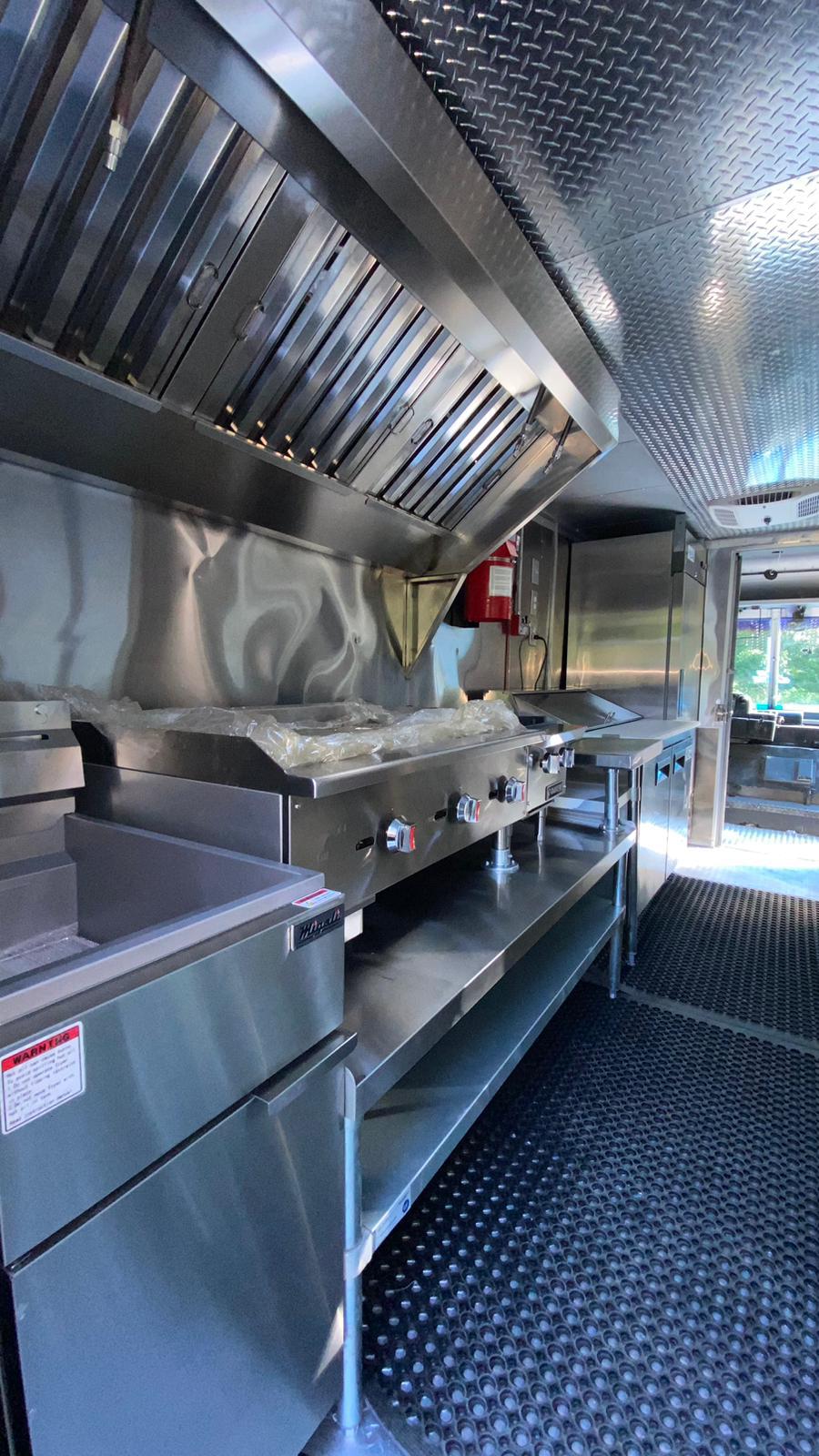
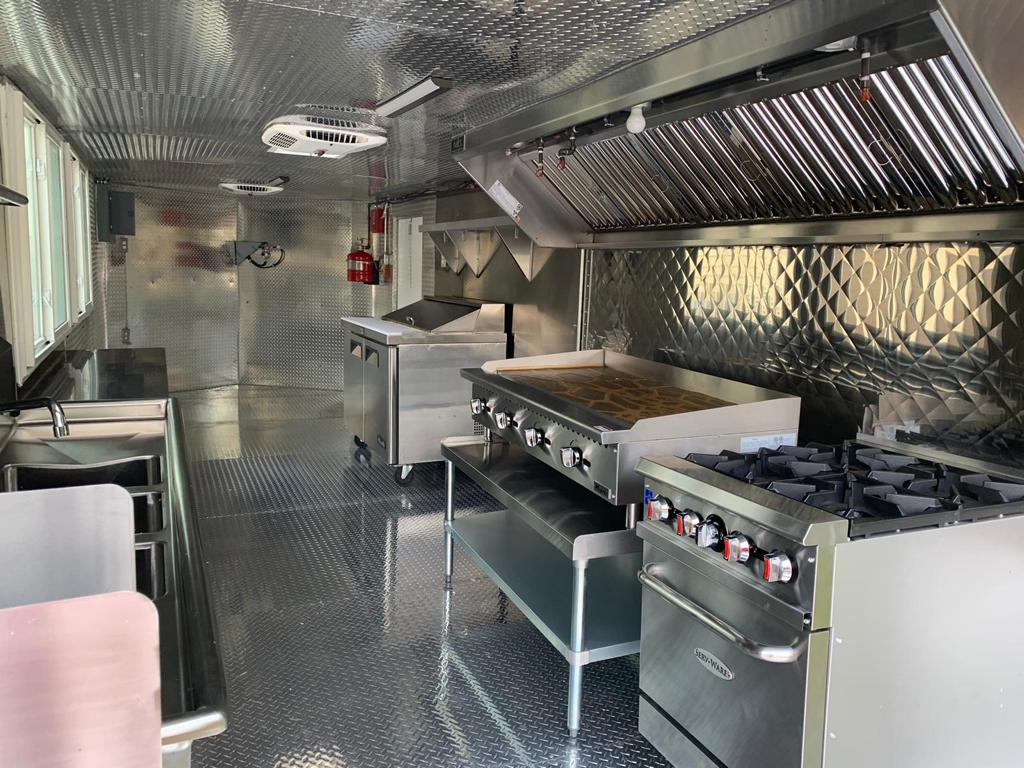
A real consultation works backward from the menu. You sell smash burgers and fries? You need a 36-inch flat top, a double fryer, and a hood that can actually pull the grease, not a decorative one. You're doing tacos and aguas frescas? Completely different footprint, completely different electrical load. The truck is just the container. The kitchen is the business.
What nobody mentions is that the equipment list drives everything downstream — the generator size, the propane tank, the water system, the weight on the axles, and ultimately whether your truck is even legal to operate in Harris County. Get the menu wrong in the planning stage and every decision after it compounds the error.
The Three Questions That Should Start Every Build
Before anyone talks about wraps or branding, a serious consultation answers these:
1. How many units per hour do you need to sell? This sets your cook line. A truck that maxes out at 40 plates an hour can't chase a 300-person event no matter how good the food is.
2. Where will you actually park? Houston is not one market. A truck built for a Midtown lunch rush has different power and storage needs than one working the Energy Corridor or a weekend spot in the Heights. Location dictates your generator, your water capacity, and your refrigeration.
3. What's your real budget — including the 20% you haven't thought about? Permits, commissary fees, fire suppression certification, the first month of insurance. That 20% is where most first-timers get gutted.
What a Custom Build Actually Costs in Houston in 2026
Let's put real numbers on the table, because vague answers waste everyone's time.
A used truck you convert yourself starts around $25,000 to $40,000 for the vehicle, and by the time you've done the conversion properly — electrical, plumbing, hood, fire suppression, equipment — you're at $70,000 to $110,000. A turnkey custom build from a reputable builder runs $85,000 to $160,000 depending on size and equipment. A full trailer build can come in lower, sometimes $45,000 to $90,000, if you don't need the engine.
Those ranges are wide on purpose. The difference between a $70,000 truck and a $140,000 truck is almost never the shell. It's the kitchen inside it.
And here's the part that surprises people: the truck itself is often less than half the total cost of getting to your first service. Permits, commissary agreements, insurance, initial inventory, and the wrap can easily add $15,000 to $25,000 on top. If you want to see how a full conversion breaks down line by line, the real costs are documented in detail at food truck conversion services Houston — and it's worth reading before you sign anything.
Where Houston Builds Go Wrong (And How Consultation Prevents It)
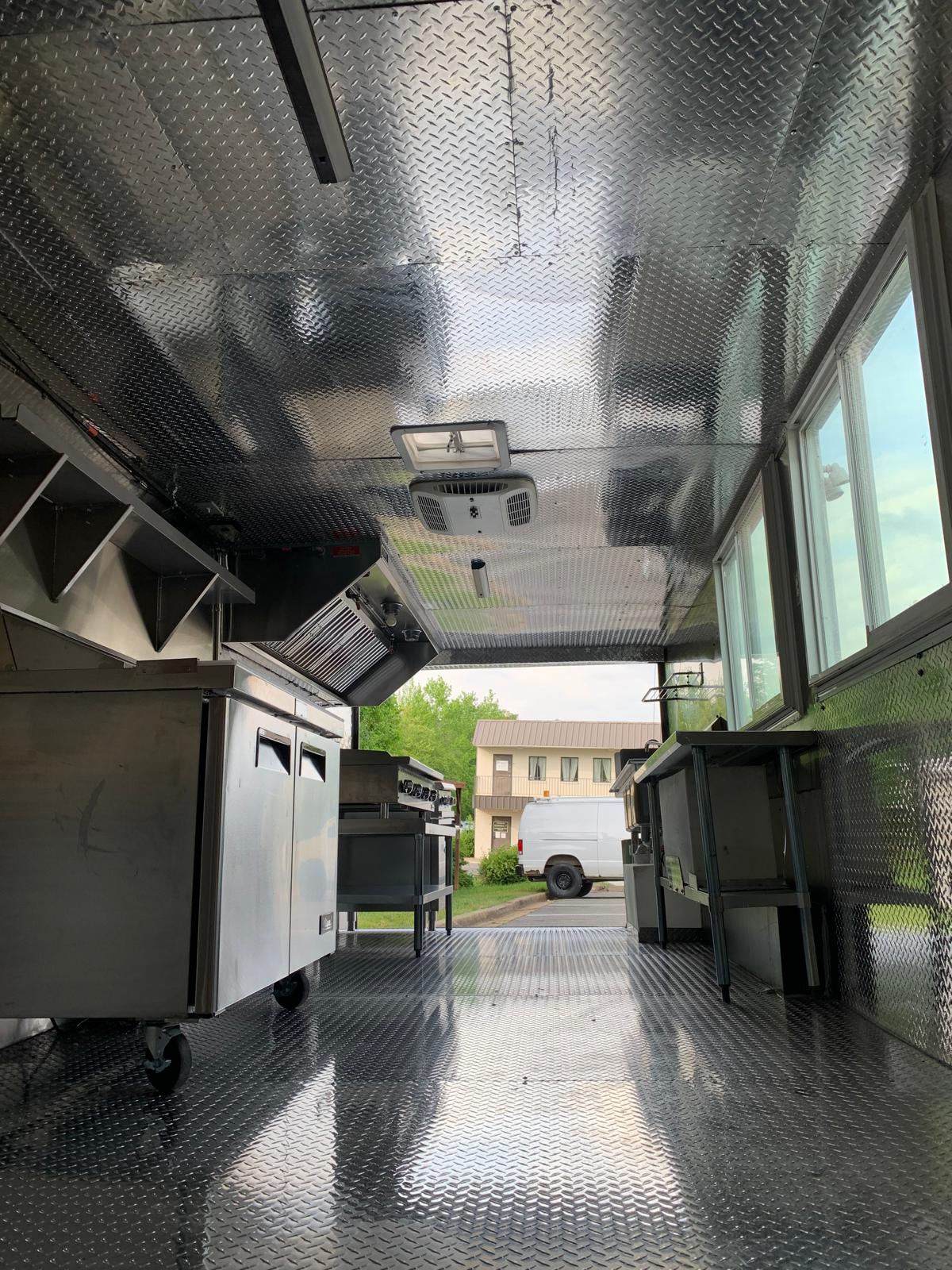
The single most expensive mistake I see is buying the truck before planning the kitchen. Someone finds a great deal on a used step van, falls in love, and then discovers the interior dimensions won't fit the equipment their menu requires. Now they're either compromising the food or rebuilding the box.
The second mistake is undersizing power. A truck running a flat top, fryer, fridge, freezer, and AC on a single generator that's too small will trip breakers at the worst possible moment — usually mid-service with a line out the door. Sizing that system correctly is exactly the kind of thing a consultation catches before it costs you a Saturday's revenue.
The third is ignoring the inspection path. Houston and Harris County have specific requirements around fire suppression, ventilation, and commissary attachment. A build that looks beautiful but fails inspection is a very expensive lawn ornament. This is why experienced operators lean toward an inspection-ready turnkey food truck rather than gambling on a self-build.
None of this is about being negative. It's about the fact that the build is the one part of this business you can't easily fix later. You can change your menu. You can change your location. You cannot cheaply change the steel box you're standing in.
Planning the Build Around Your Brand, Not the Other Way Around
Once the kitchen works, the branding follows — not the reverse. Too many people spend $4,000 on a wrap before they've confirmed their equipment fits. The wrap is the last decision, not the first.
That said, when you do get there, the wrap is a real marketing asset, and its cost and design process are worth understanding separately. If you're at that stage, the breakdown of design, materials, and pricing at food truck wraps Houston will save you from overpaying.
And when it's time to install the equipment — the flat top, the fryer, the refrigeration, the hood — that's not a weekend DIY job. Proper commercial kitchen equipment installation is what keeps your fire suppression certification valid and your insurance intact. Cutting that corner is how trucks get shut down.
Should You Convert, Buy Turnkey, or Go Trailer?
It depends. And that's not a vague answer — it's the honest one, because the right choice depends entirely on your menu, your budget, and your timeline.
If you have a clear concept, a defined budget, and you want to be serving in weeks rather than months, turnkey usually wins. You pay more upfront but you skip the six-month build process and the mistakes that come with it.
If you're on a tighter budget and you're patient, a conversion can work — but only with a plan. That's where consultation earns its fee. Not by doing the work for you, but by making sure the work you do is the right work.
If you're doing events, festivals, and catering more than street service, a trailer often makes more sense. They're cheaper to build, easier to maintain, and you're not paying for an engine you rarely use. Custom builds and pricing for that route are worth comparing at concession trailer manufacturer Houston before you commit to a truck.
The point isn't which option is best in general. It's which one fits the business you're actually trying to run. That's the entire job of a good consultation — matching the build to the business, not to a template.
The Conversation Worth Having Before You Spend Anything
Here's what I'd tell a friend who called me tomorrow: don't buy a truck until you can draw your kitchen on a napkin and explain why every piece is where it is. If you can't do that, you're not ready to spend $80,000. You're ready to talk to someone who's built one.
That conversation is cheaper than the mistake. If you want to see real numbers for your specific concept — not a generic range, but what your menu, your location, and your volume actually require — start with mobile kitchen consultations before you put a deposit on anything. The best trucks in Houston weren't the ones with the biggest budget. They were the ones that got planned before they got built.
Everything else — the wrap, the logo, the Instagram — comes after the kitchen works. Get that order right and you're already ahead of the 60% who don't.