Concession Trailer Manufacturer Houston: Custom Builds & Pricing
What a Concession Trailer Manufacturer in Houston Actually Charges in 2026
Most quotes you'll get from a concession trailer manufacturer Houston are built to win the deal, not to build the trailer. That's the first thing you need to understand before you sign anything.
The real number for a functional, code-compliant custom build in Houston in 2026 sits between $18,000 and $75,000, and the spread isn't random. It's driven by three things: size, equipment, and how honest the builder is about what's included.
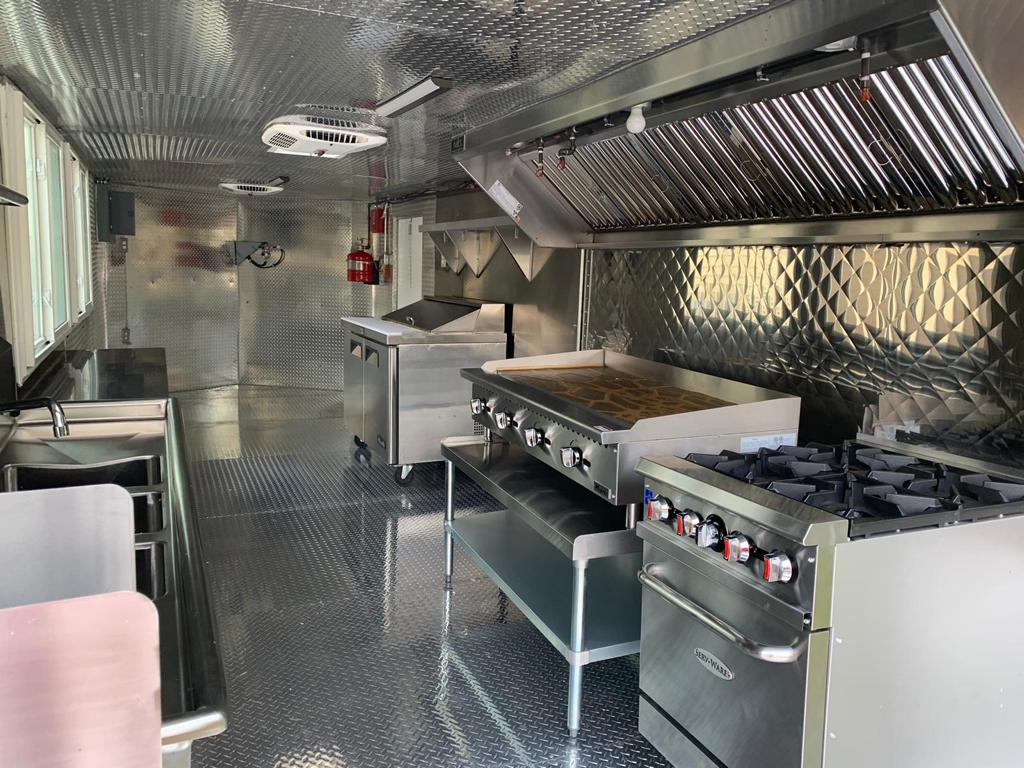
A 12-foot base trailer with a three-compartment sink, basic electrical, and no cooking equipment? Around $18,000–$24,000. A 20-foot build with a full kitchen, hood system, fryer, flat top, refrigeration, generator, and wrapped exterior? You're at $55,000–$75,000. Anyone quoting you $9,500 for a "fully loaded" trailer is either using salvage parts or leaving out half the build.
This is where most first-time buyers get burned. They compare quotes line by line without realizing one builder included the fire suppression system and the other didn't. One included the grease trap. One didn't.
And here's the part nobody tells you: the trailer itself is about 40% of your total startup cost. The rest is permits, commissary fees, insurance, initial inventory, and the six weeks of runway you'll need before you turn a profit.
Why Houston Is Different From Every Other Market
Houston has a specific set of conditions that change what you should order from a manufacturer. If you're buying from a builder in Dallas or San Antonio and having it delivered, you're probably ordering the wrong trailer.
Three reasons:
Heat and humidity. A trailer built for a mild climate doesn't survive a Houston summer. Your refrigeration has to be oversized. Your ventilation has to move more air. Your electrical system has to handle continuous load at 95°F without tripping. I've seen trailers from out-of-state builders fail their first health inspection in July because the walk-in couldn't hold temperature at peak hours.
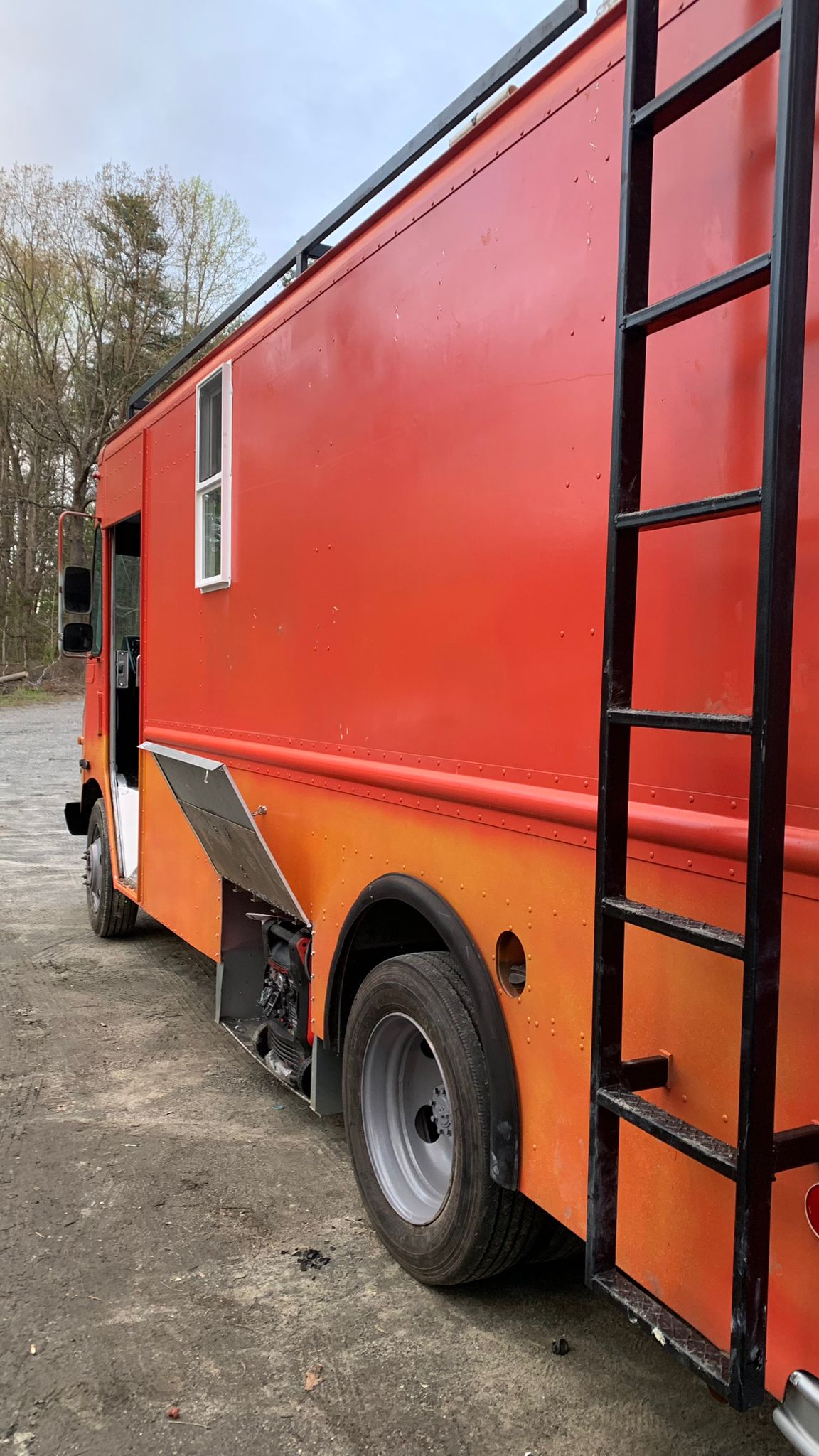
Flood zones. If you're parking in certain parts of the Heights, Third Ward, or along the Ship Channel, your trailer's frame height and undercarriage treatment matter. Galvanized frames and raised axles aren't upsells here — they're requirements.
Health department specifics. Houston Health Department and Harris County Public Health have their own interpretations of the state code. A builder who doesn't know the difference between what passes in Austin and what passes here is going to cost you a re-inspection and a two-week delay.
If you want to see how this plays out in a full design and build, the team behind custom food truck builder Houston design and build walks through the whole process from sketch to keys.
What You're Actually Paying For (And Where Builders Cut Corners)
Let me give you a concrete example. Two quotes, both for a 16-foot trailer with a hood system and a three-compartment sink.
Quote A: $32,000. 16-gauge steel frame, plywood subfloor with vinyl overlay, off-the-shelf hood, standard 30-amp electrical, single-door reach-in fridge, no fire suppression included.
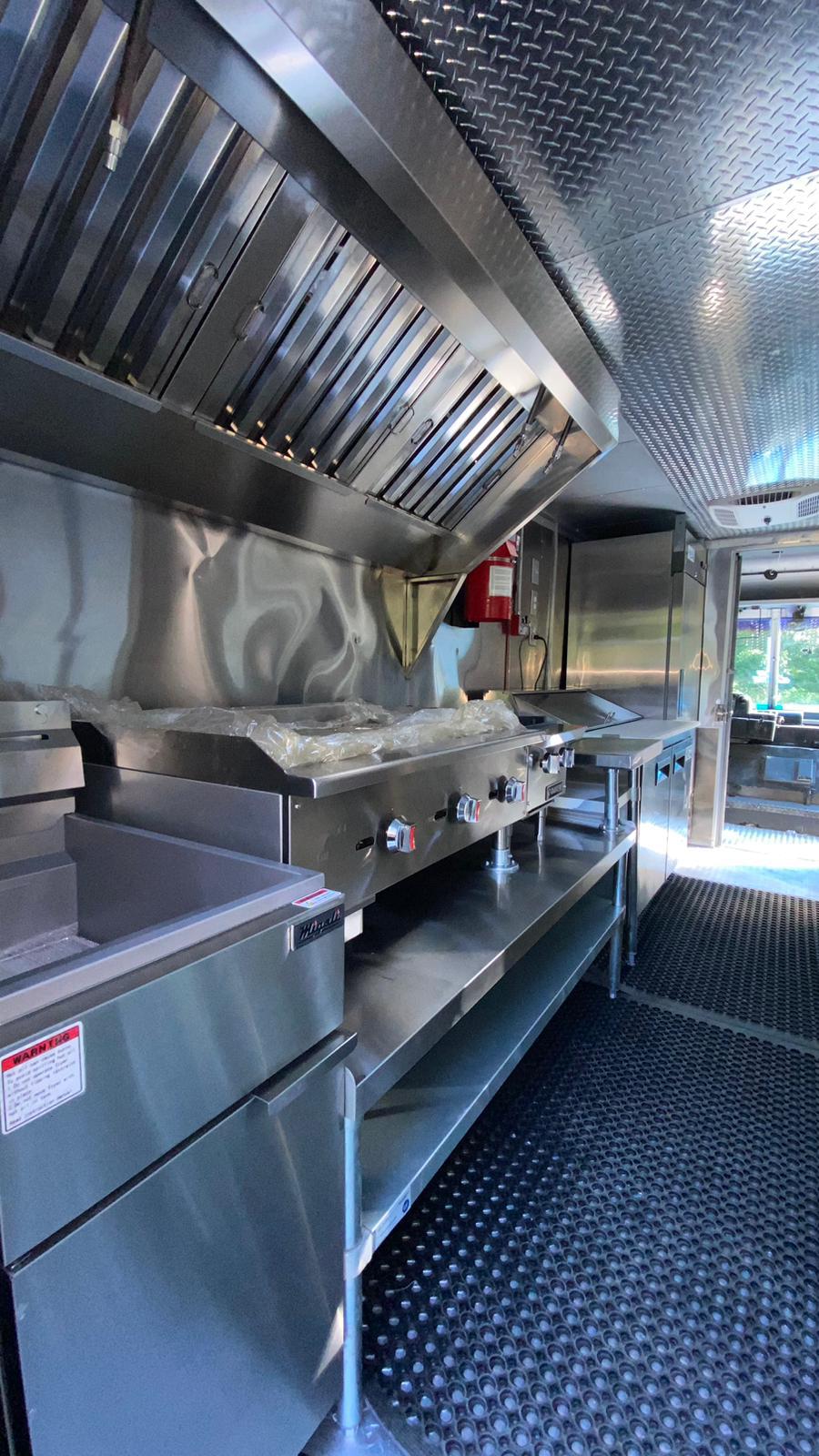
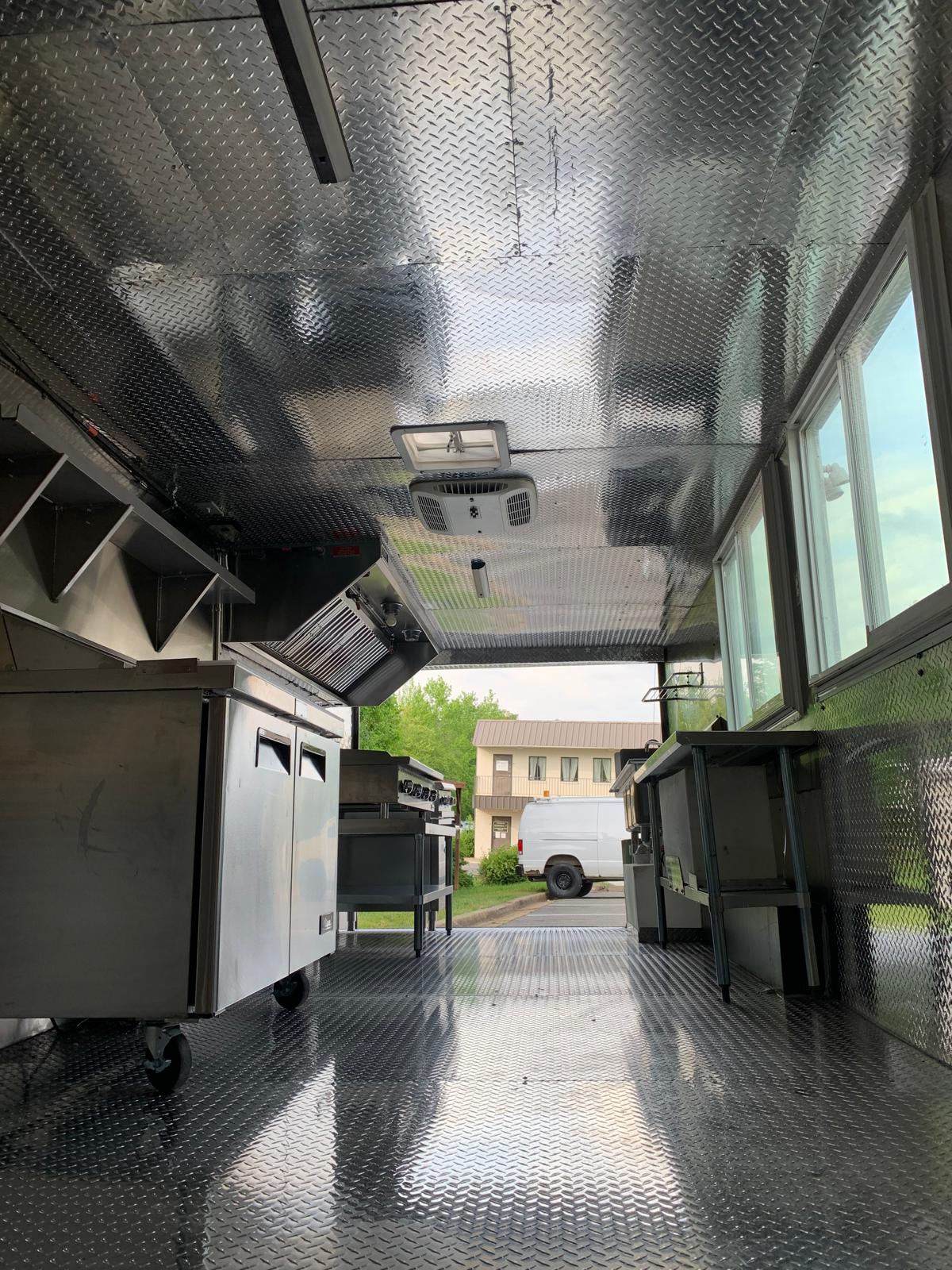
Quote B: $44,000. 14-gauge galvanized frame, marine-grade subfloor, custom-welded hood sized to the cooking line, 50-amp electrical with dedicated circuits, double-door reach-in, Ansul-style fire suppression installed and certified, exterior wrapped.
The $12,000 difference isn't markup. It's $4,000 in materials, $3,000 in labor, $2,500 in the fire system, and $2,500 in the wrap. Quote A will pass inspection. Quote B will pass inspection in five years without a rebuild.
What nobody mentions is that the cheap trailer costs more over time. Resale on a well-built trailer after three years is 60–70% of what you paid. Resale on a budget build is closer to 30–40%, if you can sell it at all.
Fire suppression is the single line item most often cut, and it's the one that ends businesses. If your build doesn't include it, read up on food truck fire safety equipment before you order anything — the requirements are stricter than most buyers assume.
The Line Items That Blow Up Budgets
These are the four things that turn a $30,000 quote into a $42,000 invoice:
1. Custom fabrication. If your menu requires a specific layout — a wok station, a pizza oven, a shawarma spit — the builder has to design around it. That's engineering time, not just parts.
2. Generator sizing. Most builders quote a generator that handles the equipment list. They don't quote one that handles the equipment list plus the AC plus the lights plus the POS system running at once. Undersized generators cause more equipment failures than anything else.
3. Plumbing complexity. Fresh water tank, gray water tank, three-compartment sink, hand sink, water heater. Every additional fixture adds labor hours and inspection risk.
4. Delivery and setup. If you're outside the Houston metro, expect $800–$2,500 for delivery, and it's usually not in the initial quote.
If you want to see real numbers for your specific concept, get a custom quote — the pricing structure is more transparent than what you'll get from a broker.
Food Truck or Concession Trailer: The Houston Math
This is the decision that should come before you call any manufacturer, and most people skip it.
A food truck is self-propelled. You drive it to the location, park, cook, drive home. A concession trailer requires a tow vehicle — usually a truck you already own or need to buy.
Here's the math Houston vendors actually run:
Food truck: $60,000–$120,000 for a new custom build. Higher insurance. Higher maintenance. But you can move locations without a tow vehicle and you can park in more places.
Concession trailer: $18,000–$75,000. Lower insurance. Lower maintenance. But you're tied to a tow vehicle, and some Houston venues won't allow trailers because of parking constraints.
If you're just starting out and you're not sure which direction makes sense, food truck vs concession trailer for beginners breaks down the real costs side by side — including the numbers most people leave out.
My honest take: if you're planning to operate in one or two fixed locations in Houston, buy the trailer. If you're chasing events, festivals, and rotating spots, buy the truck. Don't buy a trailer and then discover you need a $40,000 tow vehicle to make it work.
Financing a Custom Build Without Getting Trapped
Most people don't pay cash for a $45,000 trailer. They finance it.
Standard equipment loans for concession trailers in 2026 run 7%–14% APR depending on credit, with terms of 3–7 years. On a $45,000 trailer at 10% over 5 years, you're paying about $956 per month.
That's a real number you need to bake into your menu pricing from day one. If your monthly payment is $956 and your commissary fee is $600 and your insurance is $250, you're at $1,800 in fixed costs before you've sold a single item.
If your credit isn't where you need it to be, there are still options. Food truck loan for bad credit covers the 2026 landscape — including lenders that work with newer businesses and what they actually require.
What nobody mentions about financing: the lender will want to see the trailer spec sheet before they approve. A vague quote from a builder who won't itemize is a red flag for underwriters. Get a detailed build sheet before you apply.
How to Vet a Builder Before You Write a Deposit
Ask these five questions. If a builder can't answer all of them clearly, walk.
1. Can I see a trailer you built three years ago that's still in service? Not a photo. The actual trailer.
2. What's your lead time right now? In 2026, most Houston builders are running 10–16 weeks. Anyone promising 4 weeks is either cutting corners or farming the work out.
3. Who handles the inspection? A good builder walks you through the Houston Health Department requirements and knows what the inspector will look for.
4. What's not included in this quote? This is the most important question. The answer tells you the real price.
5. What happens if it fails inspection? The answer should be "we fix it." If it's anything else, that's your answer.
Before you finalize your build, spend an hour on menu planning. The layout of your trailer is dictated by what you're cooking, and getting that wrong is a $10,000 mistake. Food truck menu planning that actually works is worth reading before your design meeting.
If you want to talk through your specific concept before you commit to a build, mobile kitchen consultations are the fastest way to find out whether your plan is realistic — or whether you're about to spend $40,000 on the wrong trailer.