Virginia Food Truck Regulations 2026: What You Need to Know
Most Food Truck Advice Is Written by People Who've Never Been Shut Down by a Health Inspector
Virginia food truck regulations 2026 are not a single rulebook. That's the first thing that trips up every new operator. You'll read a clean summary online, feel confident, then get a stop-work order in Fairfax County because the commissary agreement you signed doesn't meet the local standard — even though it satisfied the state. The rules stack: state, county, city, sometimes the health district on top of all three. Miss one layer and your truck sits parked.
Here's what nobody tells you before you buy a truck: the regulatory cost of operating in Virginia is often higher than the build cost in the first year. Permits, commissary fees, and inspections aren't a one-time line item. They're a monthly drain. Let's break down what actually matters.
The State Layer: VDACS Wants a Commissary, Not Just a Clean Truck
Virginia routes food truck permitting through the Virginia Department of Agriculture and Consumer Services (VDACS). If you're prepping, storing, or packaging food, you need a commissary — a licensed commercial kitchen where you do the heavy work. Your truck is for finishing and serving, not for full prep. This is where a lot of operators get caught: they build a truck with a full galley and assume that's enough.
It isn't. VDACS requires a written commissary agreement, and your commissary has to be inspected and approved. In Northern Virginia, commissary access runs $200–$600 a month depending on the kitchen and how many hours you need. In the Richmond area, it's cheaper — $150–$350 — but availability is tighter because fewer commercial kitchens rent by the hour.
The truck itself needs to pass a plan review before it ever hits the road. That means your layout, equipment specs, and water system have to be approved on paper first. If you're converting a van or building from scratch, this is the stage where a food truck build consultation pays for itself — a plan that fails review costs you weeks and a second inspection fee.
What VDACS Actually Checks on Inspection Day
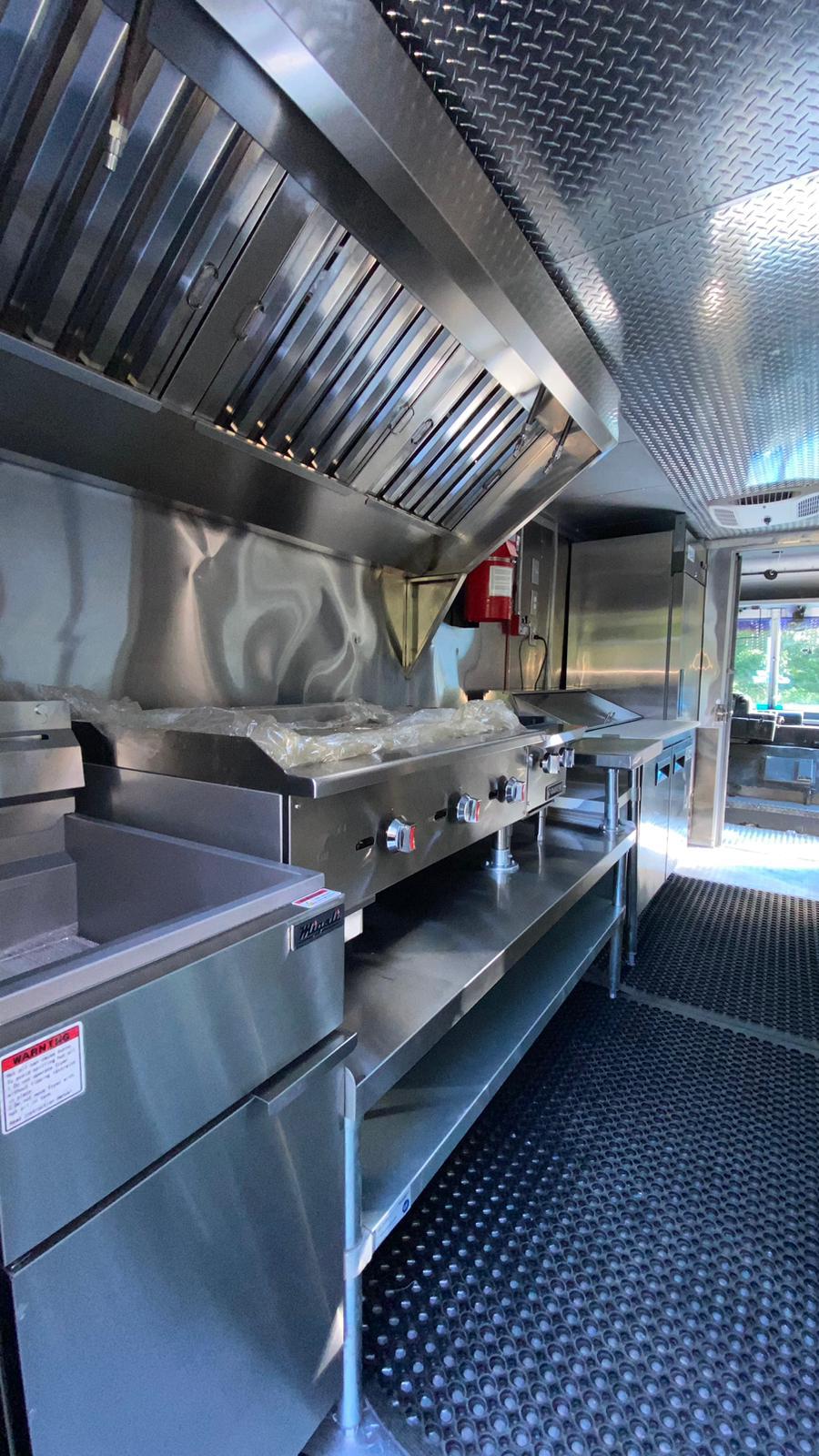
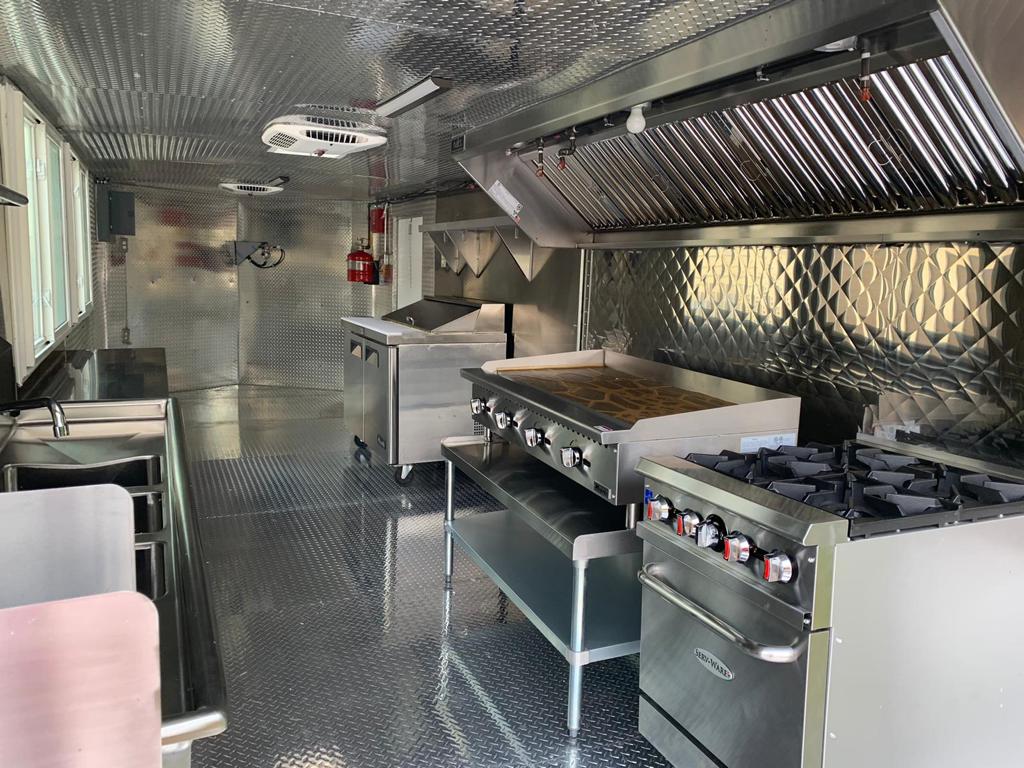
Three-compartment sink, handwashing sink with hot water, mechanical refrigeration that holds 41°F, and a potable water system sized to your operation. The tank capacity rule is where budget builds fail: a 20-gallon fresh water tank looks fine until the inspector calculates your service volume. Most Virginia inspectors want to see at least 30 gallons fresh and 45 gallons waste for a full-service truck. That's not a suggestion — it's a spec.
Local Zoning Is Where Virginia Food Trucks Actually Die
State approval gets you a permit. Local rules decide whether you can park anywhere. And Virginia is a patchwork. Fairfax County, Arlington, and Alexandria each have their own vendor ordinances with different fees, distance-from-restaurant rules, and operating-hour limits. Arlington, for example, restricts how close you can set up to a brick-and-mortar restaurant — a rule written to protect existing businesses, and one that quietly kills lunch spots near busy commercial strips.
What few operators realize: the county health department and the local zoning office don't always talk to each other. You can hold a valid VDACS permit and still get ticketed for operating in a spot that violates a city ordinance. The fine in most Northern Virginia jurisdictions runs $100–$500 per violation, and repeat offenses can pull your vendor license.
Do this before you sign a lease on a build: call the zoning office in every city you plan to serve and ask for the vendor ordinance in writing. Not the website summary — the actual ordinance. It takes an afternoon and saves you a season.
The Build Has to Match the Rules — and That Changes Your Budget
Here's the part that connects regulations to money. A truck built to pass Virginia inspection isn't the same as a truck built to look good on Instagram. The water system, the sink configuration, the ventilation over the fryer, the refrigeration — all of it has to meet spec before you serve a single plate. If you're weighing a conversion, the real numbers are in what a food truck conversion actually costs, and the regulatory add-ons push that figure up by 15–20% in most Virginia builds.
A compliant turnkey build in Virginia in 2026 runs $65,000–$110,000 depending on size and equipment. The state-compliant water and sink package alone adds $4,000–$8,000 over a bare-bones build. Skipping it doesn't save money — it just moves the cost to the inspection failure and the rebuild.
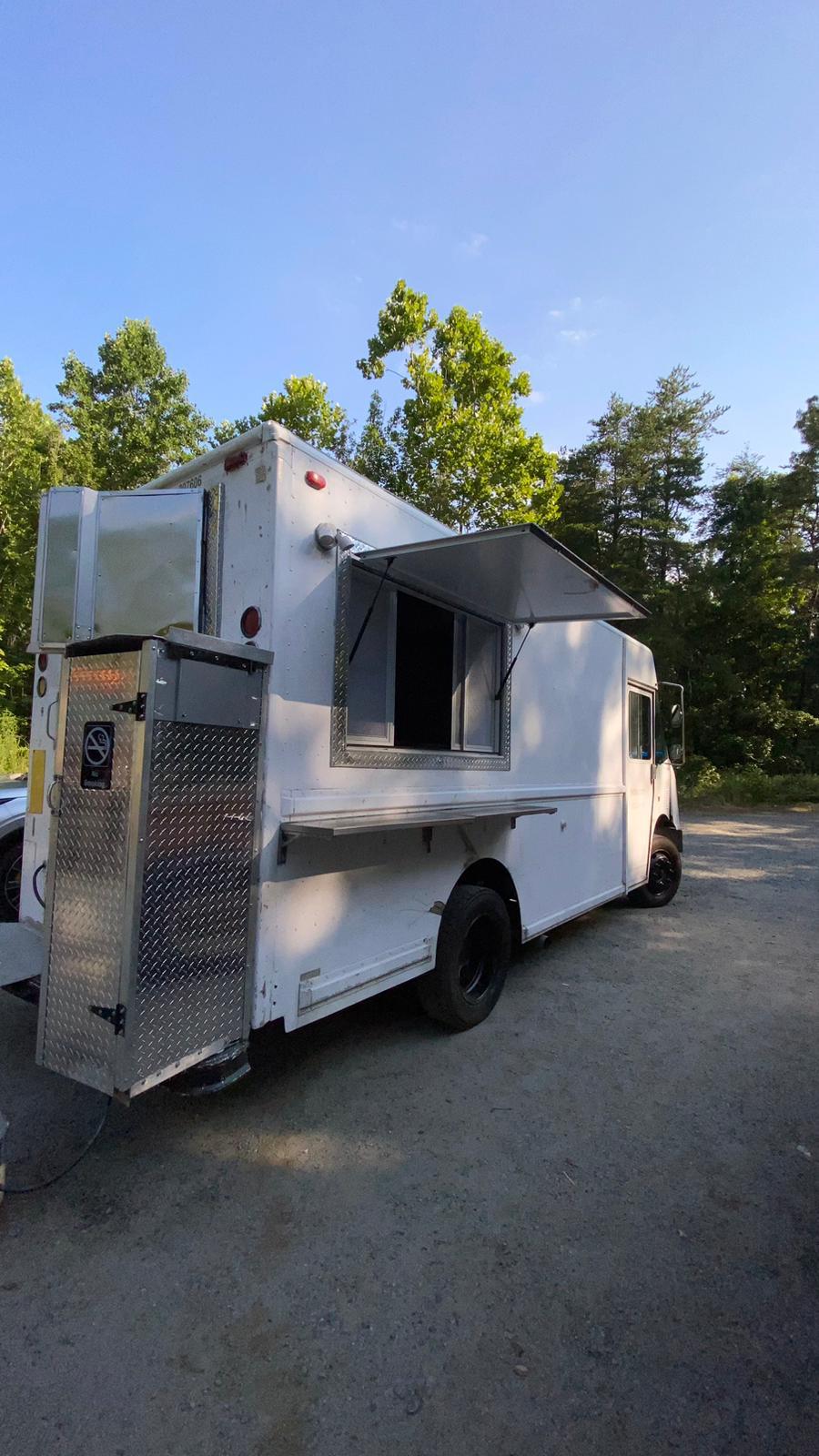
If you want a build that clears inspection the first time, a turnkey food truck ready for inspection is the smarter path than retrofitting a used truck. Retrofits are where the hidden costs live: you buy a $30,000 used truck, then spend $25,000 bringing the water and electrical systems up to Virginia spec. At that point you've paid new-build money for a used vehicle.
Insurance, Taxes, and the Costs That Don't Show Up in the Ordinance
Virginia requires commercial auto insurance on the truck and general liability coverage — most commissaries and event organizers won't book you without $1 million in liability. That's $2,400–$4,800 a year depending on your driving record and coverage limits. Add the meals tax: Virginia collects a state meals tax, and several localities add their own on top. If you're not registered with the locality where you sell, you're exposed at tax time.
The operators who survive their first two years in Virginia treat compliance as a fixed monthly cost, not a startup hurdle. They budget $600–$1,200 a month for commissary, insurance, and permit renewals before they count a single sale. That number is the one that separates the trucks still running in year three from the ones that folded.
And here's the reframe most guides miss: Virginia food truck regulations 2026 aren't an obstacle between you and the business. They're the business model. The operators who learn the local ordinances block by block — who know which Arlington corner is legal at 11am and which Fairfax lot needs a special-use permit — build a route that competitors can't copy. The rules are the moat.
If you're planning a build and want to see what a compliant Virginia-ready truck actually costs for your concept, you can see how custom concession builds are priced or get a custom quote that accounts for the inspection specs up front. And if you're still mapping the regulatory landscape, mobile kitchen consultations can save you the afternoon of phone calls I just told you to make.
One last thing. Before you commit to a commissary, ask the kitchen manager one question: "Has a VDACS inspector approved this facility in the last twelve months?" If they hesitate, walk. That hesitation is the most expensive answer you'll hear all year.