Turnkey Food Truck Ready for Inspection Houston
Turnkey Food Truck Ready for Inspection Houston: The Part Nobody Explains
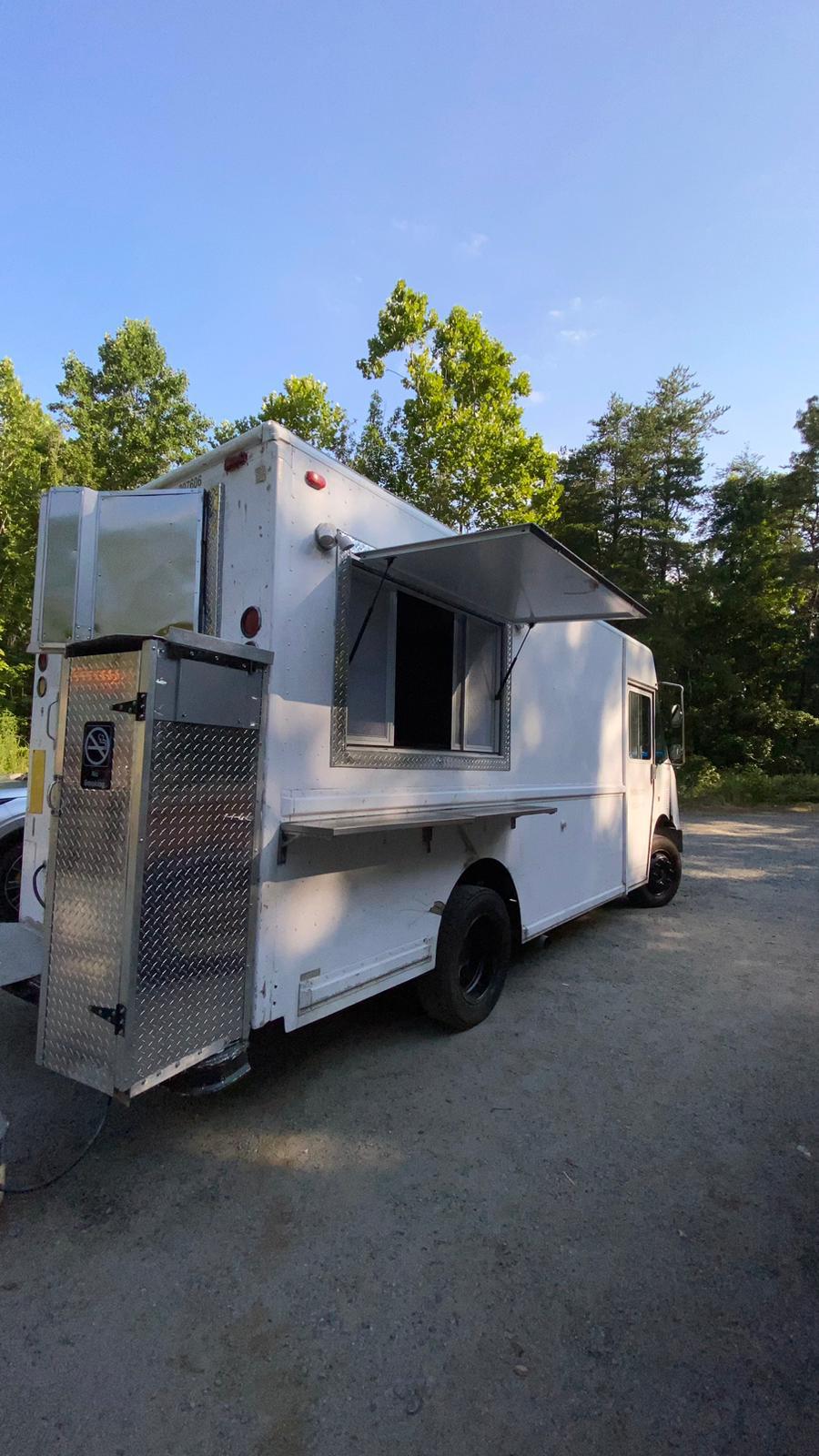
Most "turnkey" food trucks in Houston aren't turnkey. They're finished trucks with a fresh coat of paint and a promise. The difference between a truck that looks ready and one that's genuinely ready for inspection comes down to about $4,000 in details nobody photographs for Instagram — and it's the difference between opening in three weeks or sitting parked for two months.
If you're shopping for a turnkey food truck ready for inspection in Houston, you need to know what inspectors actually look at, what "turnkey" legally means (spoiler: nothing), and why the cheapest completed truck on the lot is usually the most expensive decision you'll make.
What "Turnkey" Actually Means in the Houston Market
There's no license, certification, or standard behind the word. A builder can slap "turnkey" on a Craigslist listing for a truck with no three-compartment sink and a generator held on with ratchet straps. The word means whatever the seller wants it to mean.
What it should mean is this: the truck is built to pass a Houston Health Department inspection and a fire marshal review without modification. That's a specific, checkable standard — and most trucks marketed as turnkey fail it on at least one point.
The real problem buyers run into isn't a bad truck. It's a truck built to a generic template that ignores how Houston's inspectors actually operate. Harris County and the City of Houston both want to see the same core items, but the sequence and documentation matter. A truck that passes in another state can still get flagged here.
The Inspection Checklist That Decides Your Opening Date
Here's what a Houston health inspector will physically look at, and where turnkey trucks most often fall short:
The non-negotiables
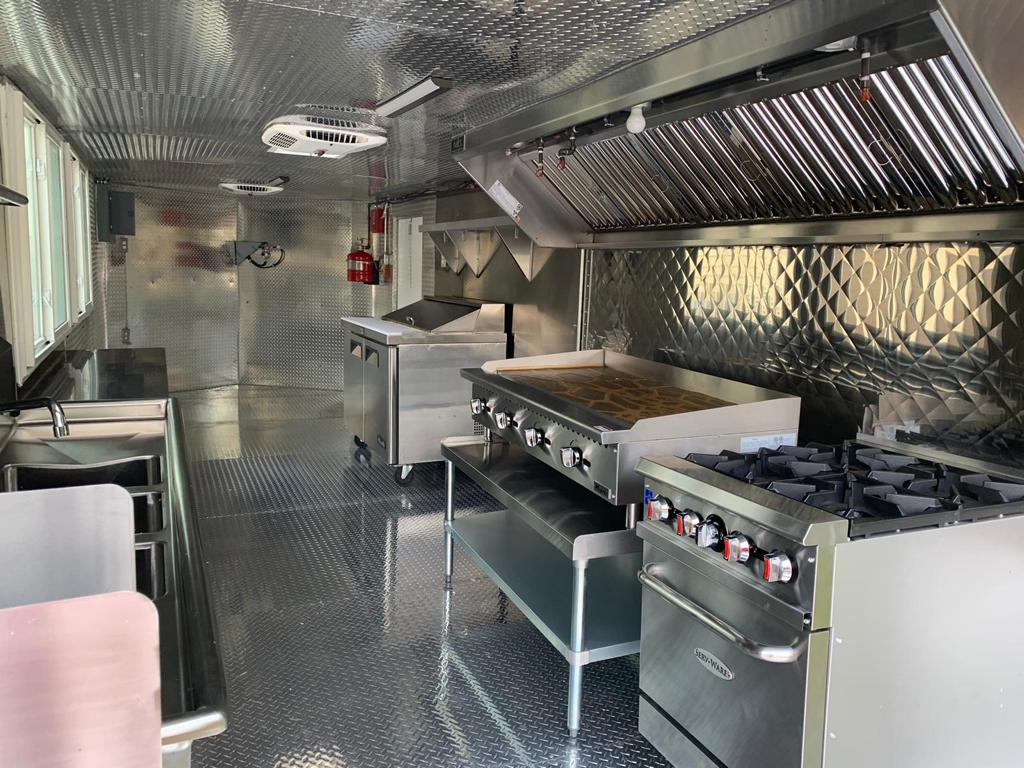
Three-compartment sink with hot and cold running water, plus a separate handwash sink. Sounds obvious. I've seen "completed" trucks with a two-compartment sink and a plastic tub labeled "handwash." That's a fail.
Hot water at 110°F minimum, delivered continuously — not from a tank that runs cold after 20 minutes of service.
Mechanical ventilation rated for your cooking equipment, with a fire suppression system (ansul) if you're frying or using a flat-top. The fire marshal cares about this more than the health department does, and they inspect separately.
Food contact surfaces that are smooth, non-absorbent, and cleanable. Bare wood countertops, unsealed plywood shelving, exposed insulation — all fails.
Wastewater tank sized to your fresh water tank, with a proper air gap on the fill line. This is where cheap builds quietly cut corners: a 30-gallon gray tank on a truck with a 40-gallon fresh tank will get flagged.
Miss any one of these and you're not opening on schedule. You're rescheduling.
What a Genuinely Ready Truck Costs in Houston
A real turnkey build — one that passes inspection without rework — runs $65,000 to $110,000 in the Houston market as of 2026, depending on size and equipment. A used truck marketed as "ready to go" often sits at $35,000 to $55,000, and that gap is where the trouble lives.
That $40,000 used truck? Budget another $8,000 to $15,000 to bring the sink, ventilation, and electrical up to code — assuming the frame and box are sound. If they're not, you've bought a project, not a business. Our breakdown of what a food truck conversion in Houston TX really costs goes line by line, because the sticker price is never the number that matters.
And here's the number that should make you pause: roughly 60% of new food trucks in the Houston metro don't survive past their second year. A big chunk of those failures trace back to opening late, over budget, or with a truck that couldn't pass inspection without another $10K. The build quality is the first domino.
Why the Cheapest "Ready" Truck Usually Isn't
Every week someone messages me about a truck they found for $28,000, fully built, "just needs a little work." It always needs more than a little work.
What nobody mentions is that the expensive parts of a build are invisible. The three-compartment sink and the plumbing behind it. The wiring that handles a fryer, a fridge, and an AC unit without tripping breakers at 11pm on a Friday. The ventilation that keeps the fire marshal happy. None of that shows up in the photos. All of it shows up on the inspection report.
A builder who cuts corners on a $28,000 truck cut them somewhere. Your job is to find out where before you hand over the check — or to buy from someone who builds to inspection standard from the start.
The Documentation You'll Need Before the Inspector Shows Up
The truck passing its physical inspection is half the battle. The other half is paperwork, and it's where first-time owners lose weeks.
You'll need your mobile food unit permit application, commissary agreement (you must have a licensed commissary to park and service the truck), vehicle registration, and proof of your fire suppression inspection. Houston requires the commissary relationship and it trips up a lot of out-of-state buyers who assume they can just park anywhere and operate.
If you're comparing how other states handle this, our guide to Washington state food truck permit requirements in 2026 shows how much variation exists — and why you can't assume a truck built for one market clears another. Houston's rules are their own animal.
This is also where a builder who actually knows the local process saves you real time. Good mobile kitchen consultations walk you through the permit sequence before the build starts, not after it's finished and sitting in the yard.
What to Ask Before You Buy Anything Labeled Turnkey
Three questions separate a real turnkey truck from a hopeful one:
"Can you show me a truck you built that passed Houston inspection?" Not a photo. A truck, or at least a copy of the inspection report with the owner's permission. If they can't produce one, walk.
"What's the gray water tank capacity relative to fresh?" A builder who knows their stuff answers instantly. A builder who doesn't will change the subject.
"Is the fire suppression system inspected and tagged?" If not, add $1,500 to $3,000 and two to three weeks to your timeline.
The truck you're buying isn't a vehicle. It's a permit application with wheels. Treat the inspection as the product, not an afterthought, and the whole purchase gets simpler.
If you want to see what a build designed around Houston inspection actually looks like — and what it costs for your specific concept — get a custom quote before you commit to anything on a lot. And if you're weighing a trailer instead of a truck, our piece on custom concession trailer builds in Houston covers the tradeoffs honestly.
The best turnkey truck isn't the one that's finished. It's the one that was built to pass before anyone called it turnkey.