Food Truck Conversion Houston TX: What It Really Costs
Most Food Truck Conversion Quotes in Houston Are Fiction
I've watched hundreds of food truck conversions in Houston TX get sold on a $45,000 number that ends up costing $78,000 by the time the truck rolls. Not because the builder lied, exactly — because the quote was never designed to reflect reality. It was designed to get signed.
So let's skip the sales pitch. If you're converting a van, step van, or used box truck into a working commercial kitchen in Harris County, here's what actually happens to your money, your timeline, and your sanity.
What a Real Conversion Costs in Houston Right Now
In 2026, a legitimate turnkey conversion in the Houston metro runs $65,000 to $120,000 depending on truck size, equipment tier, and how much of the build is custom fabrication. That's the honest range. Anyone quoting you $35,000 for a "fully equipped" truck is either using salvage equipment, skipping the fire suppression system, or planning to disappear after the deposit clears.
Break it down and it stops sounding crazy:
- Used step van or box truck: $18,000–$35,000
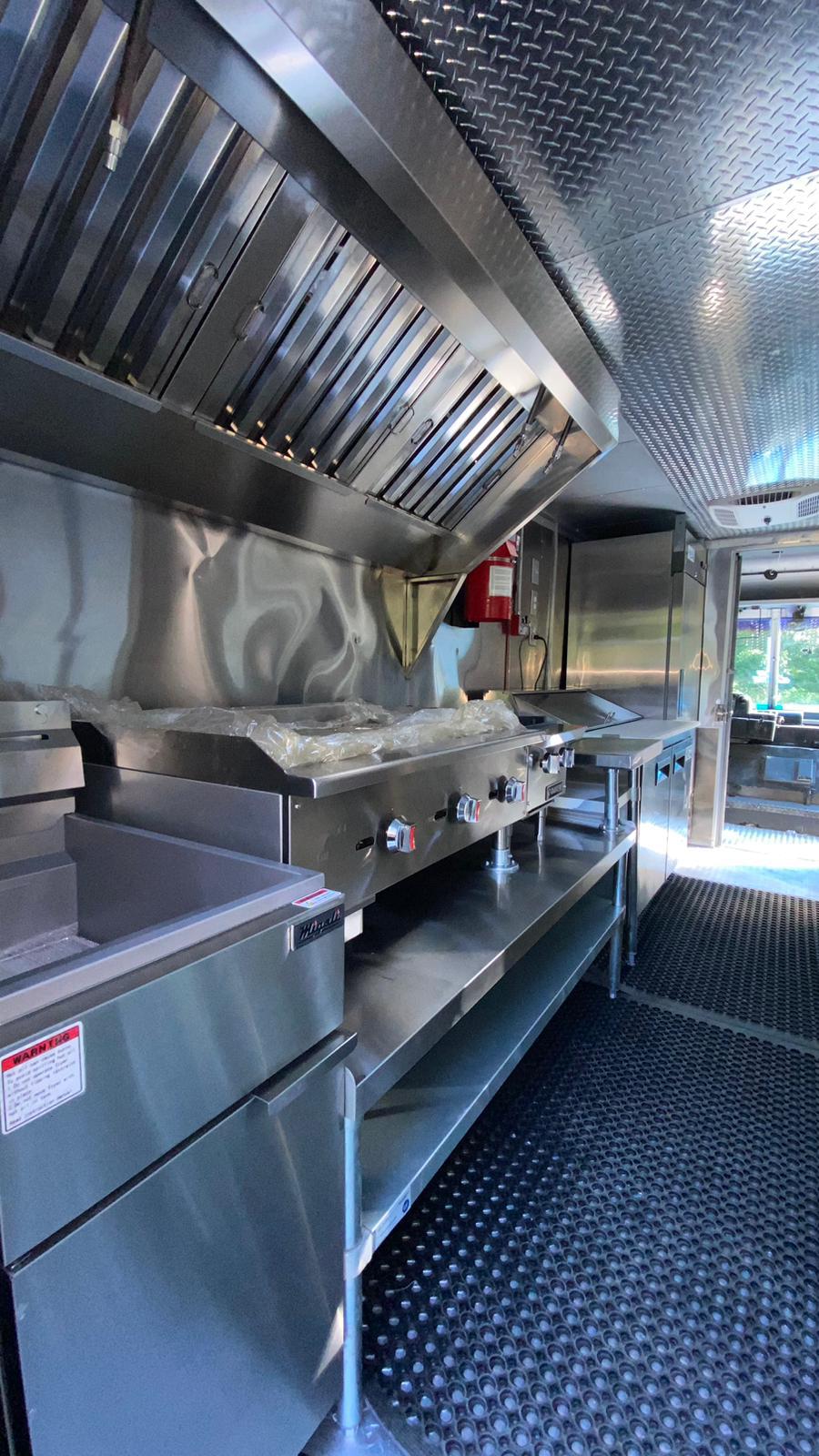
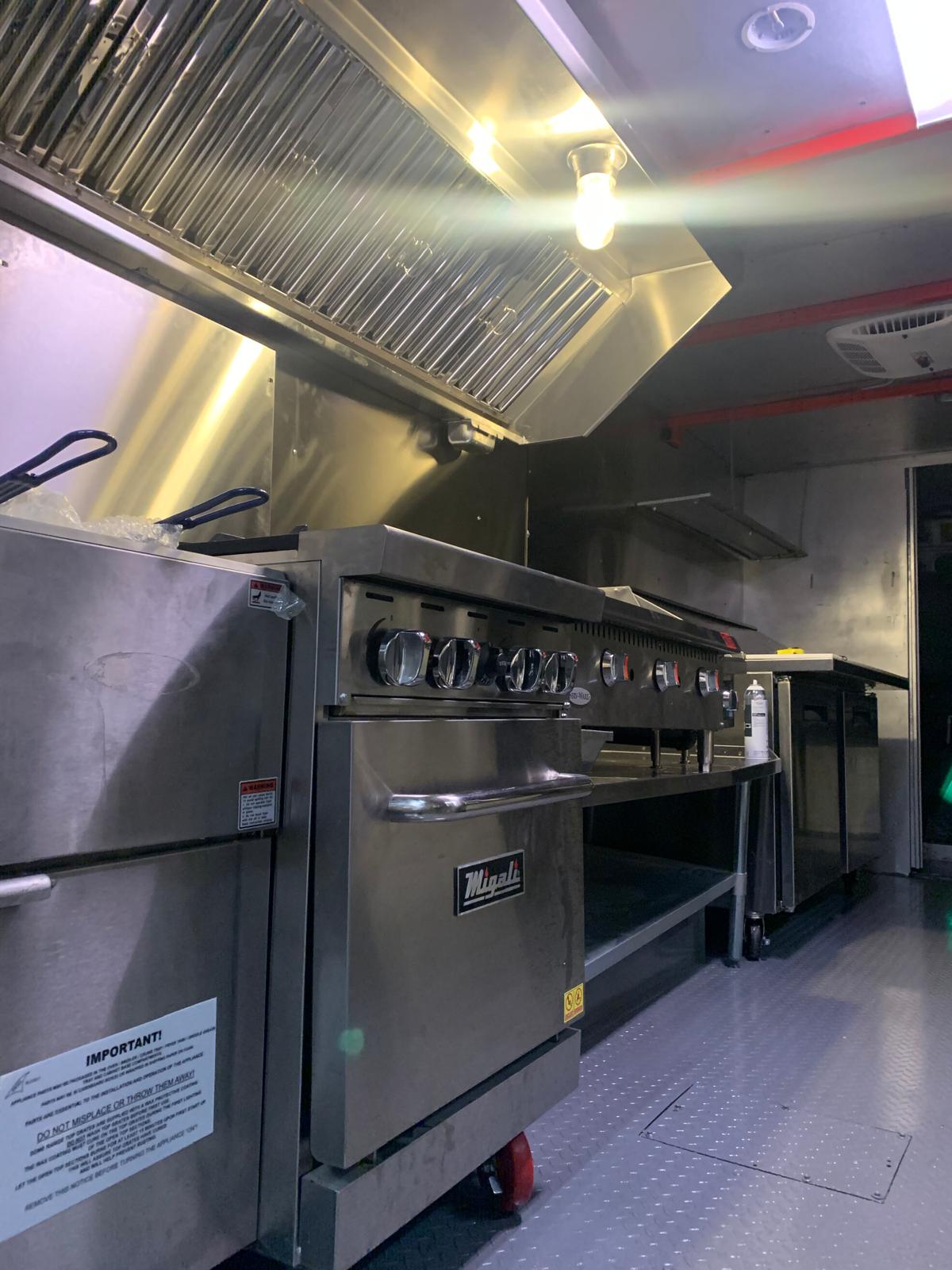
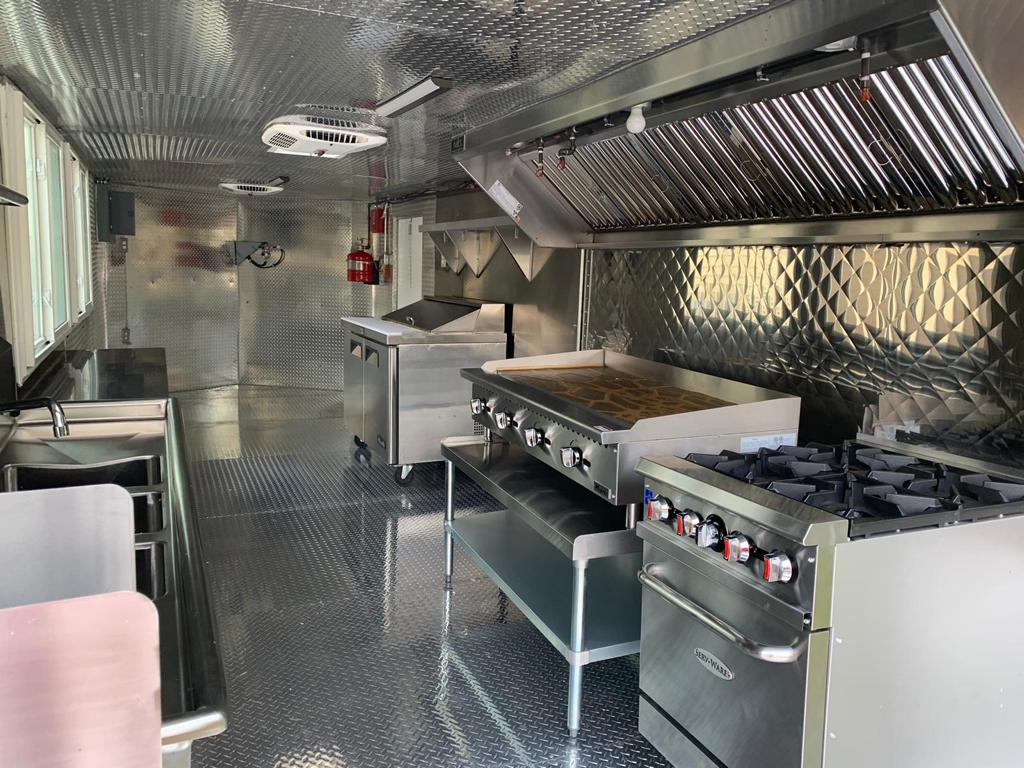
- Commercial kitchen build-out (hood, fire suppression, plumbing, electrical): $28,000–$55,000
- Equipment package (range, fryer, fridge, prep): $12,000–$30,000
- Wrap, signage, POS, permits: $4,000–$9,000
The single biggest budget killer? Underestimating the electrical. A truck running a 240V fryer, a griddle, and a reach-in cooler simultaneously needs serious power management — and most first-time buyers don't know to ask about it until the breaker trips mid-service in front of 30 customers.
Why Your Houston Conversion Budget Is Probably Wrong
Here's what nobody tells you: the truck is the cheap part. The expensive part is the compliance.
Houston and Harris County health inspectors don't care how beautiful your build looks. They care about hand-wash sink ratios, three-compartment sink dimensions, potable water capacity, and grease trap specs. If your builder has never actually walked a truck through a Houston health inspection, you're paying for a kitchen that fails on day one.
I've seen builds where the hand-wash sink was 2 inches too small. Two inches. That's a $3,500 re-fabrication and a two-week delay while you sit on a truck you can't legally operate.
Before you sign anything, know exactly what the inspector will check. We keep a full breakdown in our food truck health inspection checklist for Houston — read it before your first build meeting, not after.
Custom Build vs. Concession Trailer: Which Actually Fits You
Not everyone needs a truck. If your concept is festivals, fairs, and fixed locations, a concession trailer is often cheaper to build, easier to insure, and simpler to pass inspection. The trade-off is mobility — you can't just park it on a Midtown corner and open the window.
If you're weighing both, our team covers the difference in detail here: concession trailer builder Houston Texas. The short version: trailers win on cost and compliance, trucks win on flexibility and brand presence.
The Turnkey Trap
"Turnkey" is the most abused word in this industry. It should mean the truck is finished, permitted, and ready to serve the day you pick it up. In practice, it often means "the shell is done, go figure out the rest."
Ask three questions before you believe any turnkey claim:
- Does the price include the fire suppression system and its certification?
- Will you handle the Houston health permit walkthrough, or do I?
- What's the written timeline, and what happens financially if you miss it?
If the builder hesitates on any of those, walk. There are plenty of builders in Texas — you don't have to gamble on the one with the slickest Instagram.
We've written a blunt breakdown of what turnkey should actually mean here: custom food truck builder Houston TX.
Timelines: The Part That Ruins Your Opening Date
A realistic conversion in Houston takes 10 to 16 weeks from signed contract to keys in hand. Add 3–5 weeks if you're doing a fully custom fabrication with specialty equipment. Add more if it's Q1 — every builder in Texas is slammed January through March as people try to open before summer.
Anyone promising 6 weeks is either using pre-fab modules (fine, but limits your layout) or lying. Both happen constantly.
My advice: build in a 4-week buffer between your expected pickup date and your first booked event. You will need it. Every single operator does.
Get the Numbers Before You Get the Pitch
The difference between a food truck that makes money and one that bleeds it usually comes down to decisions made before a single panel gets welded. Sink placement. Power load. Grease management. Equipment spacing that lets two people work without colliding during a rush.
None of that shows up in a pretty rendering. All of it shows up in your first month of service.
If you want to see real numbers for your specific concept — your menu, your truck size, your service style — start with mobile kitchen consultations and skip the guessing game. And if you already have a rough spec and just need it priced honestly, get a custom quote rather than collecting five vague estimates that don't match each other.
The trucks that survive in Houston aren't the cheapest builds. They're the ones where somebody thought about the inspection, the power load, and the Tuesday lunch rush before the first rivet went in.