Washington state food truck permit requirements: 2026 guide
Washington state food truck permit requirements are not one permit
Here's the thing nobody tells you when you're pricing out a build: there is no such thing as a "Washington food truck license." That document doesn't exist. What exists is a layered stack of permits — state, county, city, and fire — and if you miss one layer, you're shut down on a Saturday afternoon with a line of customers watching.
The real question isn't "what permits do I need?" It's "which jurisdiction is going to make my life hardest, and how much is that going to cost me before I've made a dollar?" Let's answer that.
The three layers you're actually dealing with
Washington food trucks operate under three overlapping authorities, and each one wants its own paperwork and its own check.
1. State level: the Department of Health
Your food truck is legally a "mobile food unit," and the Washington State Department of Health regulates how it's built and operated. The core requirement is a valid permit from the local health jurisdiction where you're based — usually the county health department, not the state directly. King County Public Health, for example, charges around $600 to $900 annually for a mobile food unit permit, depending on your menu complexity and risk category.
What the state cares about: handwashing sinks, a three-compartment sink, potable water tank (minimum 5 gallons for handwashing, more for warewashing), a wastewater tank at least 15% larger than your fresh water tank, and a commissary agreement. That last one trips up almost everyone.
2. County and city: business licenses and zoning
You need a Washington State Business License (roughly $90 with the annual filing), plus a city business license if you operate inside city limits. Seattle's business license runs about $110 annually for small operations. But the real bottleneck is zoning — many cities restrict where you can park and vend, and some require a separate "mobile vendor" permit on top of everything else.
Seattle, for instance, requires a Mobile Food Vending permit and limits you to specific zones. Tacoma has its own vendor rules. Spokane is more permissive but still wants its cut. If you plan to roam across multiple counties, you're paying multiple permit fees. That's not a loophole — that's the reality.
3. Fire and safety
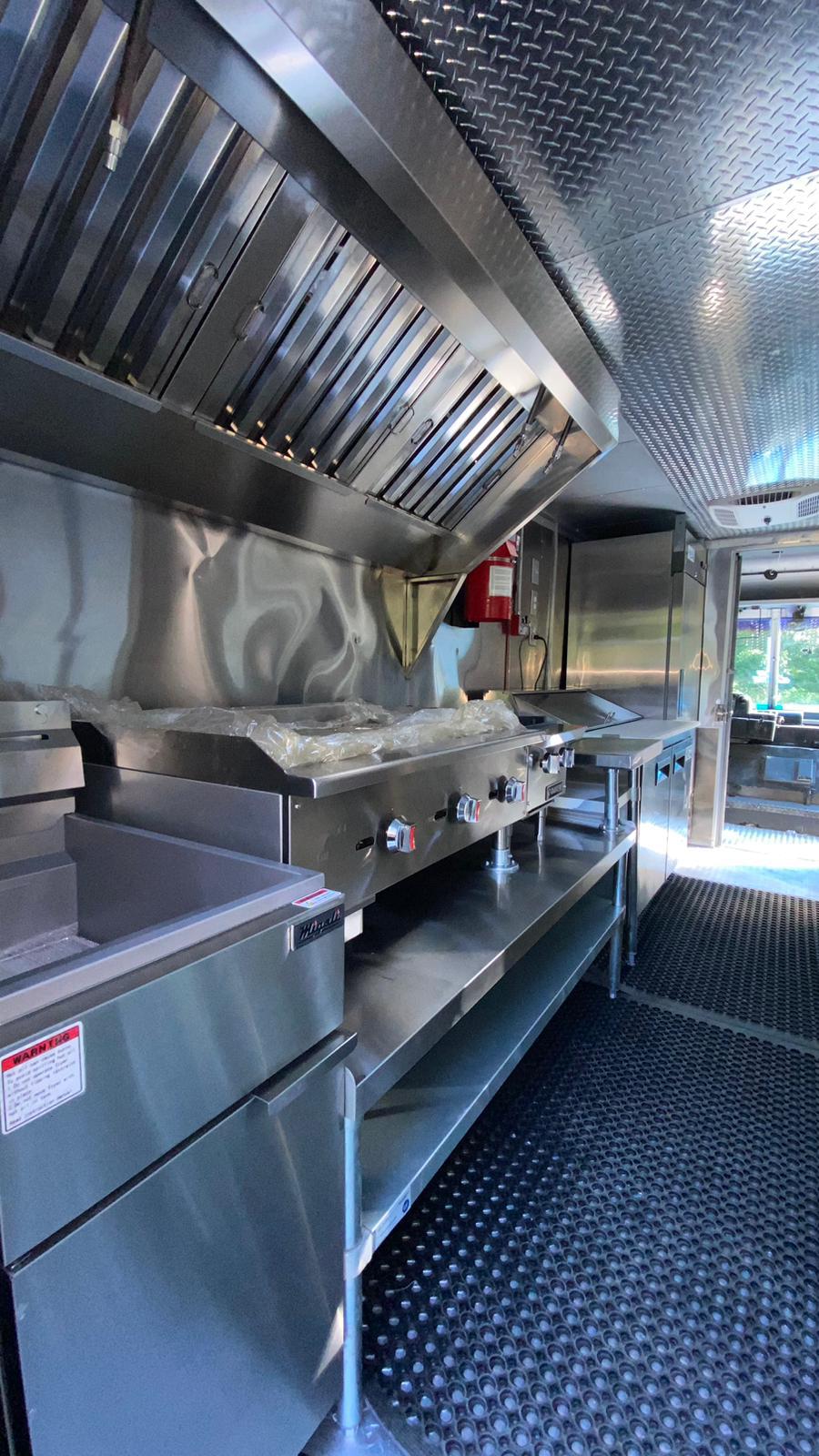
If you're cooking with propane or any open flame, your local fire marshal needs to inspect and approve your setup. This is where a lot of cheap builds fail. Fire marshals want to see a properly mounted and secured propane tank, a leak test, a fire suppression system if you're doing grease-laden cooking, and a working Class K or ABC extinguisher.
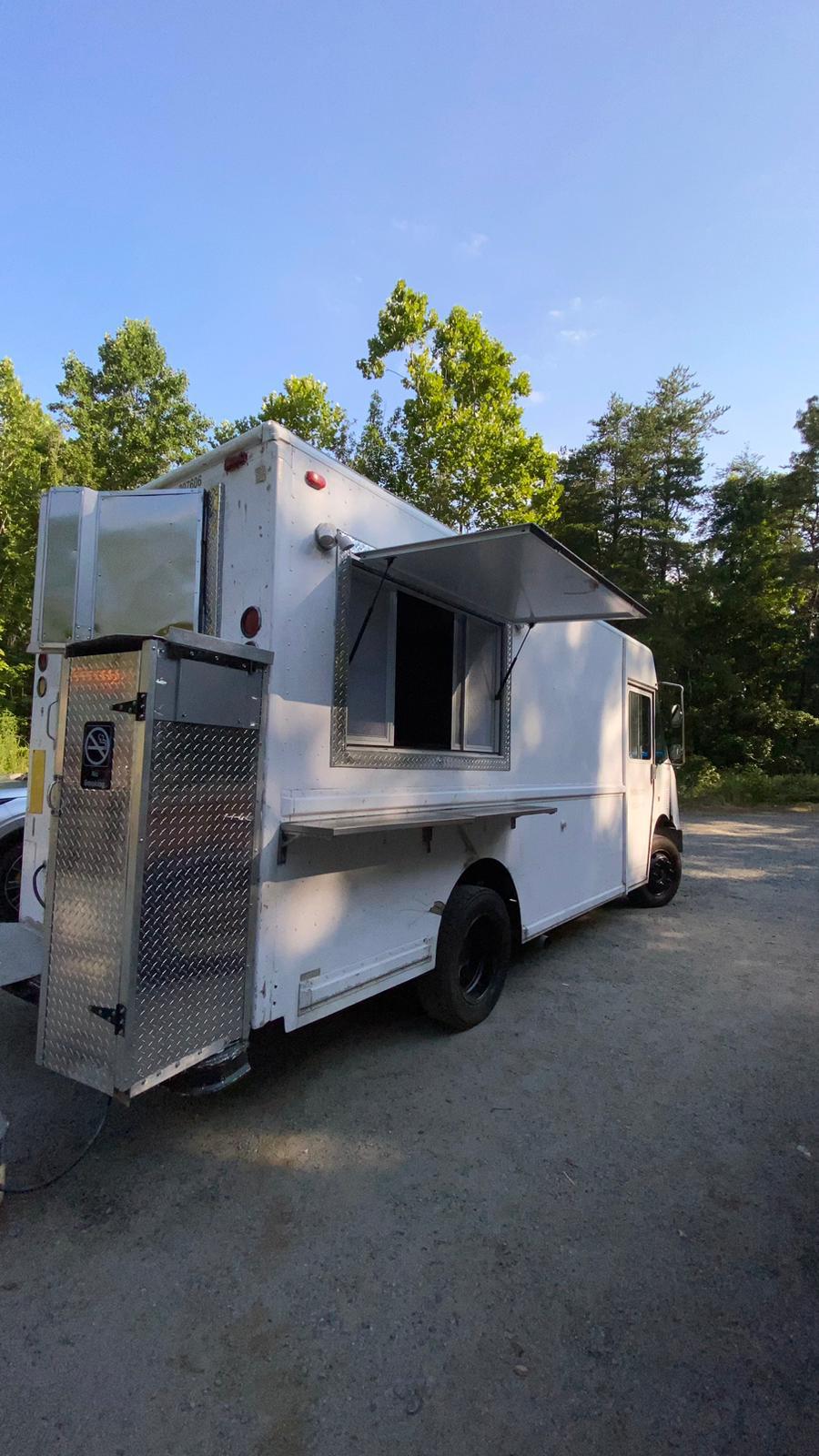
Get this wrong and you're not just delayed — you're rebuilding. Which is why serious operators spec fire safety into the build from day one, not after the fact. If you're converting a step van or trailer, this is exactly the kind of thing that should be designed in, not bolted on. Step van conversions done right account for fire code before the walls go up.
The commissary requirement is the one that costs people real money
Washington requires most mobile food units to operate from an approved commissary — a licensed commercial kitchen where you do your prep, cleaning, and waste disposal. You can't just prep in your home kitchen. That's illegal, and inspectors will look for it.
Commissary access in the Seattle metro runs $400 to $1,200 per month, depending on how many hours you need and whether you get storage. In 2026, with commercial kitchen space tighter than ever, some operators are paying closer to $1,500 a month in high-demand areas.
Here's where it gets interesting: a lot of operators skip the commissary line item when they budget, then discover it's their second-largest monthly cost after labor. Budget it from the start.
What inspectors actually check (and how to pass first time)
Health inspectors aren't trying to fail you. They're checking a specific list, and if you know the list, you pass. The most common fail points in Washington:
No signed commissary agreement on file. Water tanks sized wrong. No dedicated handwash sink with hot water. Thermometers missing from coolers. No written procedure for employee illness reporting. These are cheap fixes if you know them in advance — and expensive delays if you don't.
If you're building or buying a truck, run through a real health inspection checklist before you ever call the health department. It saves you a wasted inspection fee and a two-week delay.
What it all costs: a real 2026 number
Add it up for a single-truck operation in King County:
State business license: ~$90. County mobile food unit permit: ~$700. City vendor permit (Seattle): ~$300. Fire inspection: ~$150. Commissary (first month): ~$800. Total before your first sale: roughly $2,000 to $2,500 just in permits and access fees. That's not the truck. That's the paperwork.
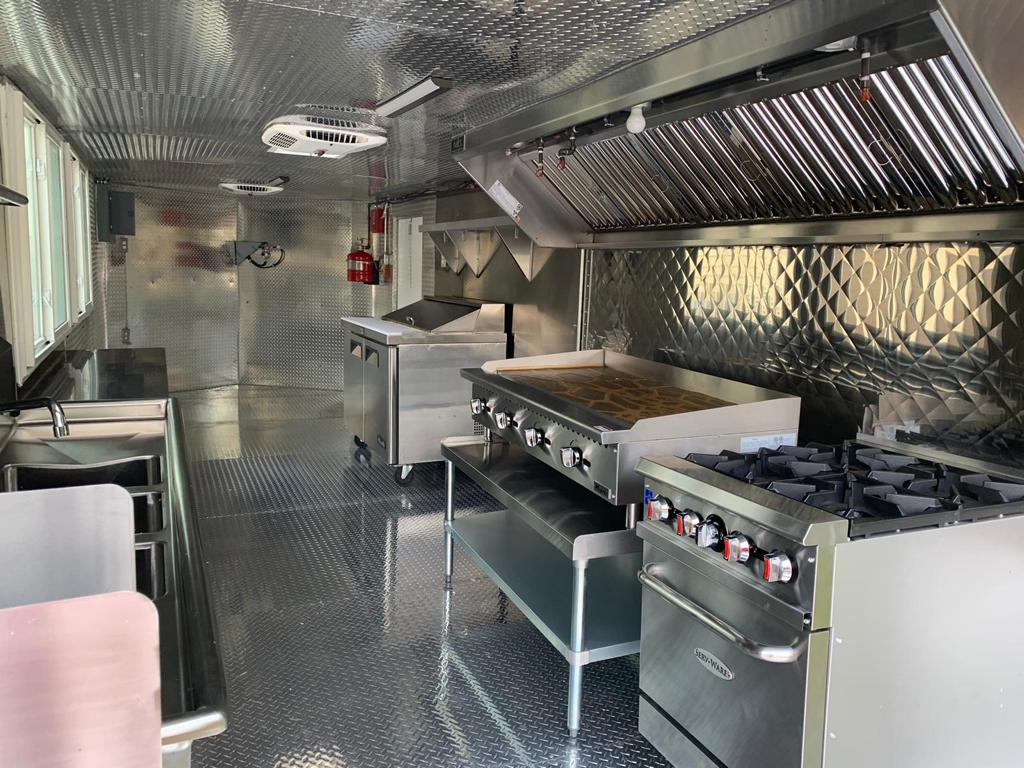
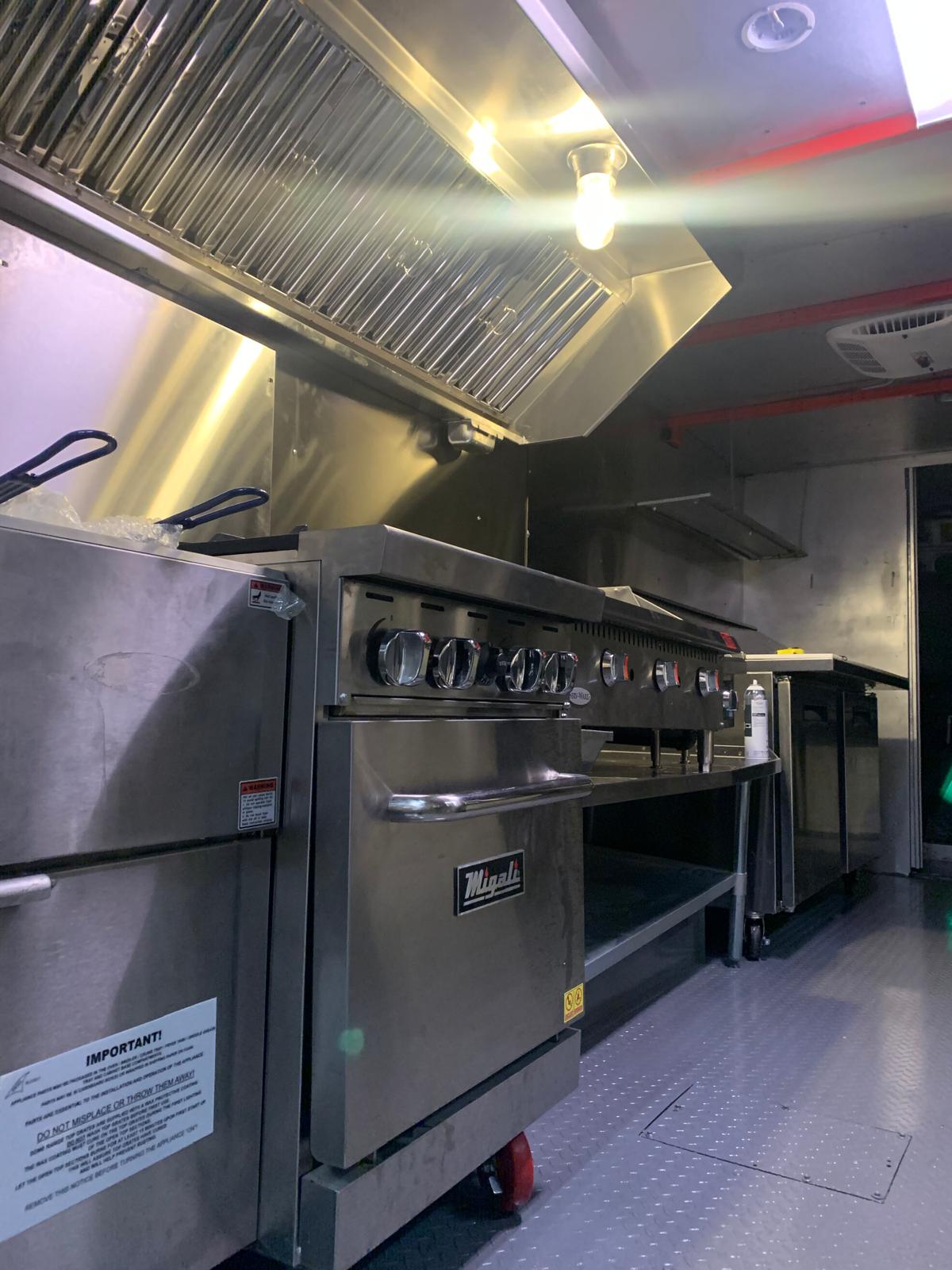
And that's before equipment. A properly equipped commercial kitchen inside your truck — the refrigeration, the hood, the suppression system — is where the real budget goes. If you want to see how that breaks down, this piece on commercial kitchen equipment lays out the actual line items.
Where new operators get blindsided
Three things, every time.
First, they assume one permit covers everything. It doesn't. Second, they underestimate the commissary cost and the time it takes to secure one — waitlists exist. Third, they build the truck before they understand the inspection requirements, which means paying twice.
The operators who cruise through permitting are the ones who reverse-engineered it: they read the health code first, then built the truck to match. That's the whole game.
If you're planning a build and want to avoid the rebuild, it's worth talking through your specific menu and jurisdiction before you commit to a layout. You can get a custom quote built around what your county actually requires, or book mobile kitchen consultations to map the permits before the first weld. And if you're thinking about how your truck looks once it's legal, this on food truck branding is a good next read.
The permit stack isn't the enemy. Ignoring it until the week before you open is.