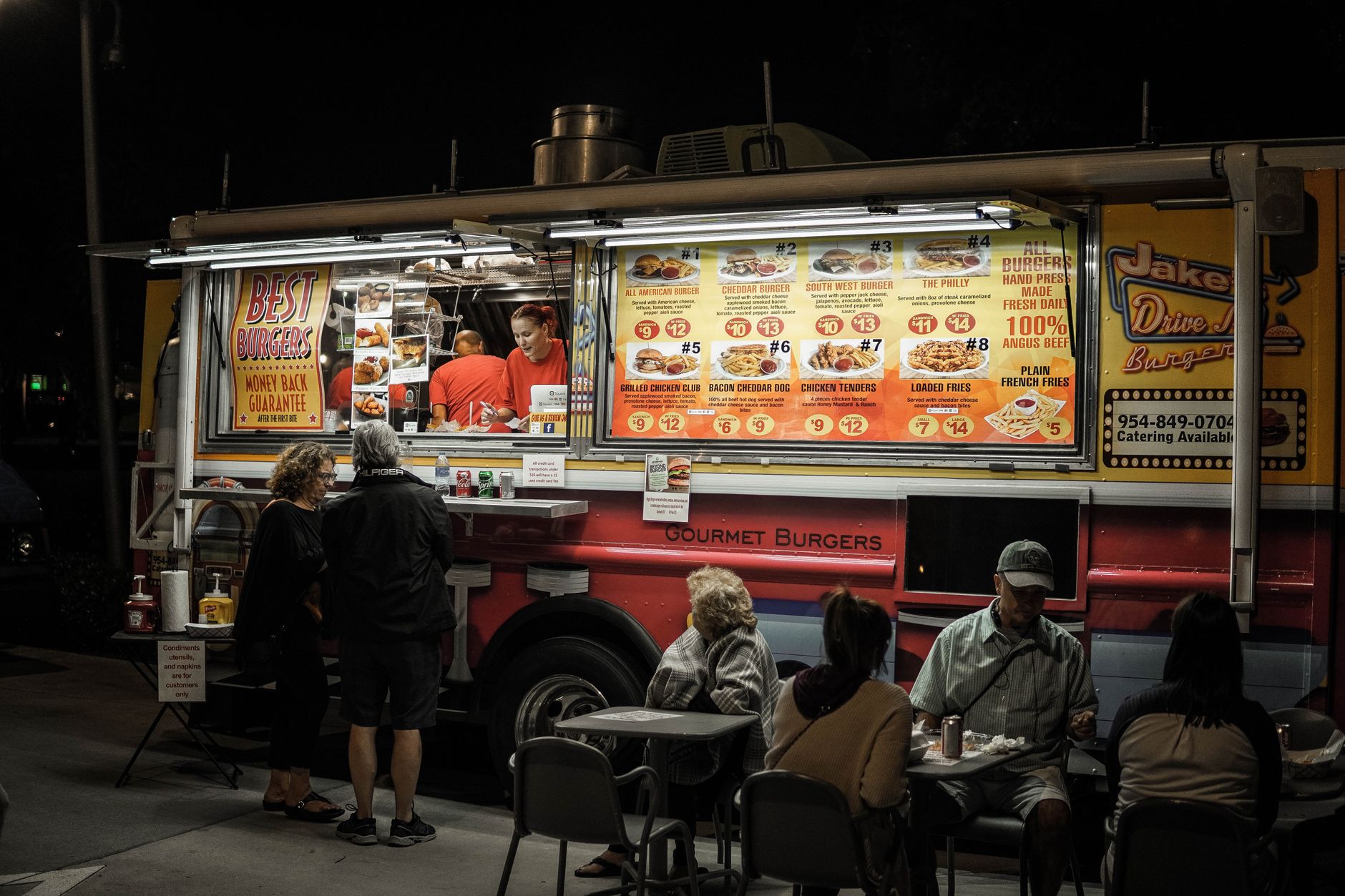
How Long Does It Take to Build a Food Truck? Real Timeline
Most "Build Time" Answers Are Written by People Who Never Waited on a Fabricator
Ask how long does it take to build a food truck and you'll get a tidy number: "8 to 12 weeks." That number is a fantasy unless everything goes right — and in this business, everything rarely does. I've watched owners sign a contract in March expecting a truck by summer and still be chasing the builder in November. The timeline you're quoted and the timeline you actually live are two different things.
So let me give you the real version. A turnkey build from a shop that has its process dialed in runs about 90 to 120 days from signed contract to keys in hand. A fully custom build — your own layout, your own equipment spec, your own finishes — runs 6 to 12 months, and sometimes longer. The gap between those two numbers is where most of the pain lives.
The Timeline Nobody Puts on the Sales Sheet
Here's how a build actually breaks down, week by week, when nothing goes sideways:
The phases, honestly
Design and engineering: 2–4 weeks. This is where you lock the layout, the equipment list, the electrical load, and the gas lines. Skip this and you'll pay for it later — literally, in change orders.
Chassis and shell: 3–5 weeks. Sourcing the truck or van, stripping it, framing the walls and roof. Supply chain here has loosened since 2022, but a specific chassis can still add weeks if it's not on the lot.
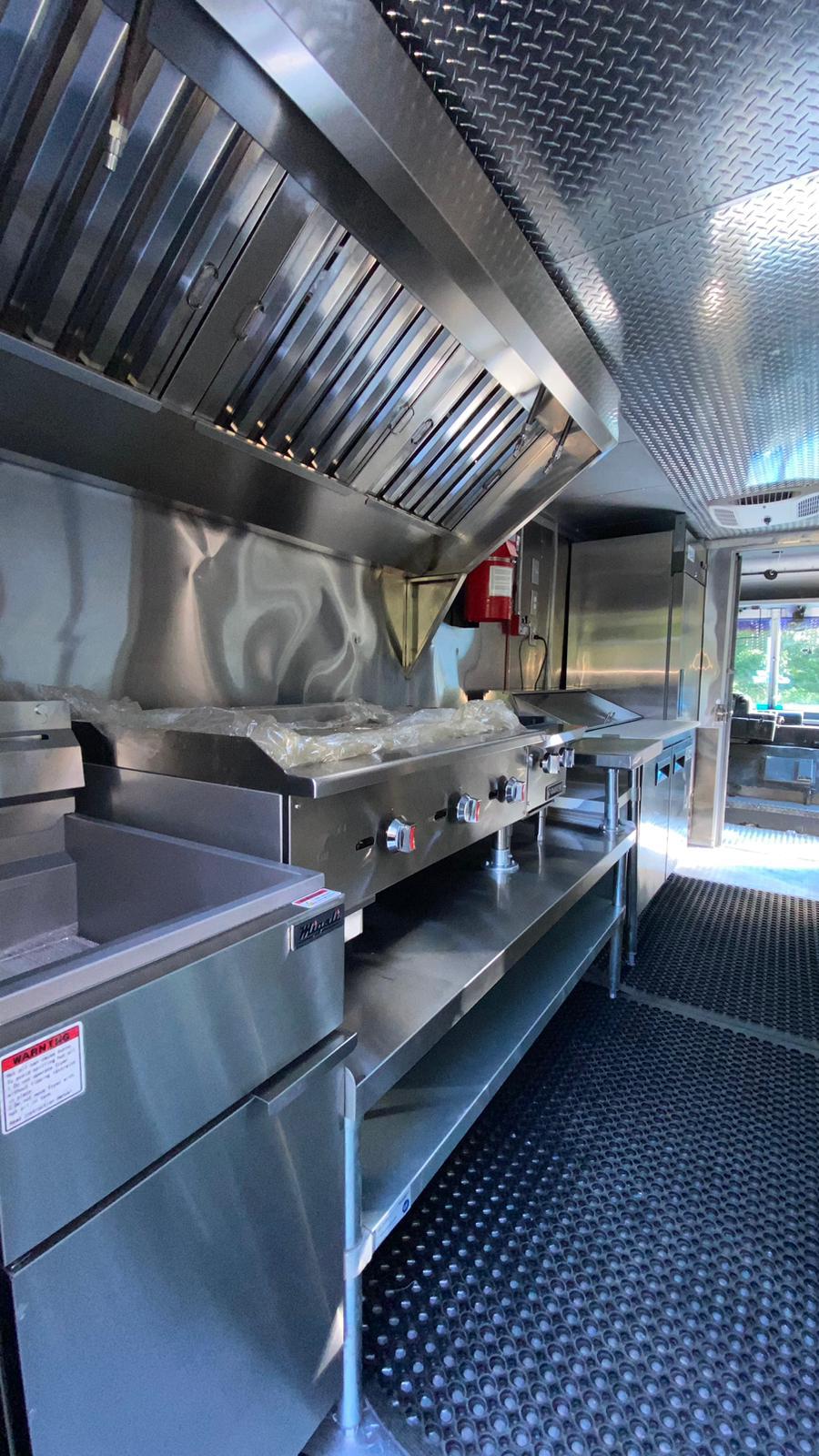
Fabrication and install: 4–8 weeks. Stainless counters, hood, fire suppression, plumbing, electrical, refrigeration. This is the meat of the build and where quality separates the good shops from the cheap ones.
Inspection and wrap: 1–2 weeks. Health department sign-off, fire marshal, and the vinyl wrap. The wrap alone is often 3–5 days of cure time before you can touch it.
Add it up and a clean turnkey job lands around 90–120 days. That's the best case. The average is longer.
What Actually Blows Up Your Build Schedule
Equipment lead times are the number one killer. A commercial reach-in refrigerator or a specific combi oven can run 8 to 16 weeks on its own. If your builder orders equipment after the shell is done instead of at contract signing, you've just added two months to a four-month build. Ask any shop you're considering when they place equipment orders. The answer tells you everything.
Permits are the second. Health department plan review in a city like Houston can take 2 to 6 weeks depending on the season and how complete your submittal is. Fire marshal inspections add more. If you're building in Virginia, the inspection sequence is its own beast — our breakdown of the Virginia food truck health inspection checklist walks through what inspectors actually flag.
And then there's the change-order trap. Every time you decide mid-build that you want a different fryer or an extra prep sink, the clock resets. The owners who finish on time are the ones who finalize the design and then stop touching it.
Turnkey vs. Custom: The Decision That Sets Your Clock
This is the fork in the road most people don't see clearly. A turnkey builder has a proven layout, pre-ordered equipment, and a repeatable process. You get less customization and a much shorter timeline — think 90 days. A custom fabricator gives you exactly the truck you want and takes 6 to 12 months to deliver it.
Neither is wrong. But if you're trying to hit a summer festival season or a specific launch date, the turnkey route is usually the only way to make it. Before you commit, read our guide on how to choose a turnkey food truck builder — the difference between a shop that hits 90 days and one that hits 200 is almost always process, not price.
And if you're still deciding whether a truck or a trailer fits your concept, that choice affects the timeline too. A trailer build is often 3 to 6 weeks faster because there's no chassis sourcing or engine bay to work around. Our comparison of food truck vs. trailer differences covers the trade-offs.
What It Costs You to Wait
Every month your truck sits in a shop is a month you're not selling. A decent food truck doing lunch service in a busy district can gross $8,000 to $15,000 a month. So a build that slips from 90 days to 150 days isn't just an inconvenience — it's potentially $15,000 to $30,000 in lost revenue and a delayed launch into your best season.
That math is why the build timeline matters more than most owners realize when they sign. The cheapest quote on paper is rarely the cheapest build once you factor in the months it adds.
How to Get a Real Timeline, Not a Sales Pitch
Before you sign anything, ask three questions: When do you order equipment relative to contract signing? What's your average actual delivery time over the last 12 builds? And who handles the health department submittal — you or me?
The answers separate the shops that hit their dates from the ones that don't. If you want to talk through your specific concept and get an honest read on the timeline, mobile kitchen consultations are the fastest way to get real numbers instead of a brochure estimate. And if you're launching in Houston specifically, our breakdown of real food truck startup costs in Houston pairs well with this timeline — the two decisions are tangled together.
The truth is, how long it takes to build a food truck is less about the build and more about the decisions you make before the first weld. Lock your design, order your equipment early, and pick a builder who treats the schedule like a promise. Do that, and 90 days is realistic. Skip it, and you'll be the owner still waiting in month seven, wondering where the time went.