Food Truck vs Concession Trailer Pros and Cons (2026)
Food Truck vs Concession Trailer Pros and Cons: The Decision Nobody Explains Properly
Most of the food truck vs concession trailer pros and cons you'll read online are written by people who've never had to find parking at 6am before a lunch rush. They list "mobility" and "cost" and call it a day. That's useless. The real question isn't which one is better — it's which one matches how you actually plan to sell.
In Houston, a fully built food truck lands somewhere between $75,000 and $150,000 in 2026 depending on the kitchen spec. A concession trailer with a comparable build runs $35,000 to $80,000. That gap — often $40,000 or more — is the number that makes people choose a trailer. And it's also the number that quietly traps them.
Let me explain why.
What a Food Truck Actually Buys You (And What It Costs)
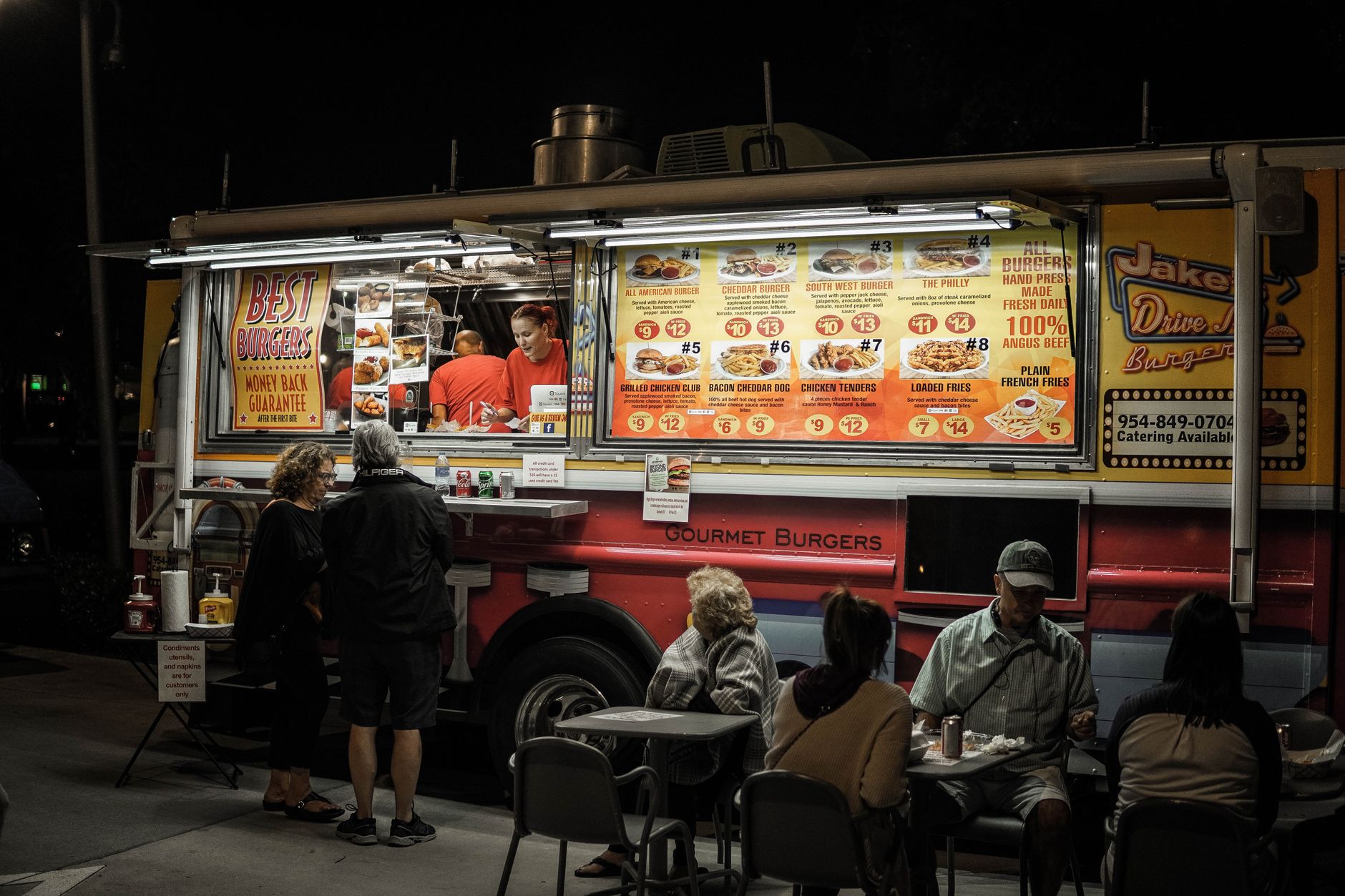
A truck is self-propelled. You finish service at a brewery in the Heights, drive to a late-night spot in Midtown, and you're selling again in 20 minutes. No towing vehicle, no hitching, no "sorry, my truck's in the shop and the trailer's stuck at home."
That independence has a price beyond the build-out. Trucks need DOT-compliant chassis, commercial insurance that's typically 20–30% higher than trailer coverage, and engine maintenance that never stops. A transmission rebuild on a used step van can hit $4,500 without warning.
But here's what nobody tells you: a truck lets you chase revenue. If your Tuesday spot dies, you move. If a festival calls last minute, you go. Trailers can't do that without a tow vehicle and a driver already on the clock.
The hidden cost of truck ownership in year one
Registration, inspections, and the Houston permit process add up fast. If you're building in Texas, read our breakdown of Houston food truck permit requirements for 2026 before you commit to a chassis — the rules differ depending on whether your unit is motorized.
Why Concession Trailers Win on Paper — and Lose in Practice
Trailers are cheaper to build, cheaper to insure, and cheaper to maintain. No engine, no transmission, no DOT headaches. You park it, you serve, you go home. For a caterer working the same three venues every week, a trailer is the smarter financial call. Full stop.
But most new operators aren't caterers. They're trying to build a following across multiple locations, and that's where trailers fall apart.
Every move requires a tow vehicle rated for 7,000+ pounds, a driver who knows how to reverse a trailer into a tight spot, and a parking plan that accounts for the trailer plus the tow rig. That's two vehicles eating real estate at every service. In dense urban markets, that alone can kill a location.
And here's the part that stings: if your tow vehicle breaks down, your entire business stops. A truck with a dead alternator is a bad day. A trailer with a dead tow vehicle is a shutdown.
The Numbers That Actually Decide It
Let's get concrete. A 2026 build in Houston:
Food truck: $75,000–$150,000 total. Insurance around $4,000–$6,000/year. Fuel and maintenance $8,000–$12,000/year. Can operate solo.
Concession trailer: $35,000–$80,000 total. Insurance around $2,500–$4,000/year. Tow vehicle (often $25,000–$45,000 if you don't own one). Requires a driver plus a tower.
Run those numbers honestly and the "cheaper" trailer often costs the same or more in year one once you factor in the tow vehicle. That's the math the pros and cons lists skip.
If you want to see how those build costs break down line by line, our guide on how much it costs to build a food truck in 2026 walks through chassis, fabrication, and equipment separately.
Build Timeline: The Factor Nobody Weighs
A trailer can be built and permitted in 8–14 weeks. A truck typically takes 12–20 weeks, sometimes longer if you're sourcing a specific chassis. That timeline difference matters if you're trying to hit a season or a signed venue contract.
We've covered the full picture in our piece on how long it takes to build a food truck, including the delays that catch first-timers off guard — fabrication queues, equipment backorders, and inspection scheduling.
Equipment and Layout: Where the Two Diverge Most
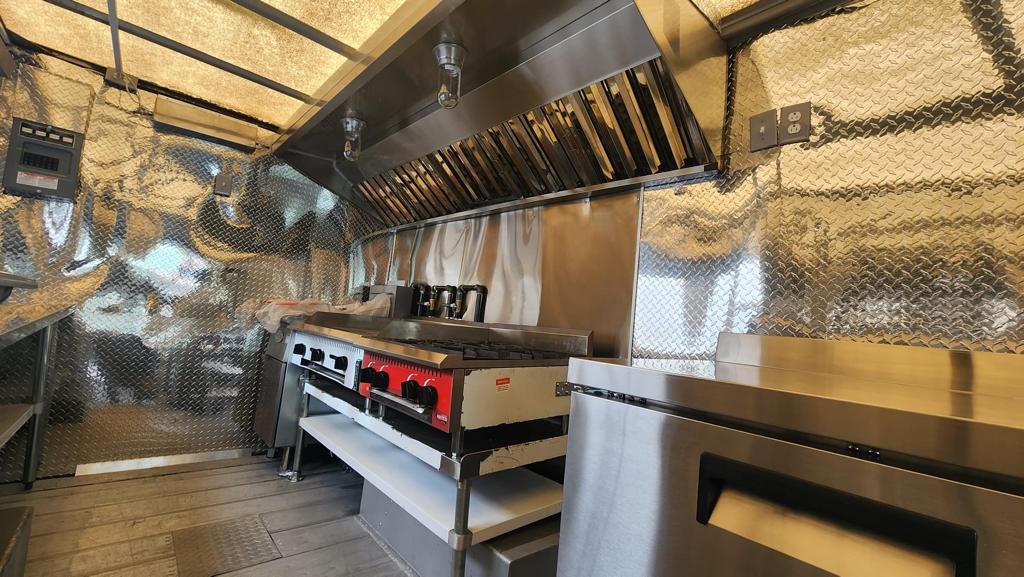
Trailers give you more usable square footage per dollar because there's no engine compartment eating space. That means bigger prep areas, more refrigeration, and a layout that doesn't feel like a submarine. For high-volume menus — barbecue, tacos, anything with a lot of prep — the trailer layout usually wins.
Trucks force tighter design, which means every piece of equipment has to earn its slot. Our list of the best kitchen equipment for a food truck in 2026 covers what actually fits and what wastes space.
And don't forget branding. A full wrap on a truck runs $3,500–$6,000 in 2026; a trailer wrap is often 30% less because there's less surface. See real numbers in our food truck wrap cost breakdown.
So Which One Should You Actually Buy?
If you're catering fixed venues, working private events, or operating in a market where parking is easy and predictable: buy the trailer. Save the $40,000 and put it into equipment and marketing.
If you're building a street-food brand that needs to be in three neighborhoods a week, chasing lunch crowds and late-night traffic: buy the truck. The mobility isn't a luxury — it's your revenue model.
The food truck vs concession trailer pros and cons come down to one honest question: how often will you actually move? Answer that truthfully and the decision makes itself.
If you're still weighing specs and want real numbers for your specific concept, get a custom quote — it's the fastest way to see what your build actually costs before you commit. And if you'd rather talk through layout and permitting first, mobile kitchen consultations are where most operators figure out they were about to buy the wrong unit.