How Much Does It Really Cost to Install a Flat Top Grill in a Food Truck?
You've seen the YouTube videos. A guy in a garage bolts a griddle to a counter, plugs it in, and calls it a day. That's not how this works.
The real number: between $1,200 and $4,800 for a professional installation in a food truck, depending on your setup. And that's before you factor in the hidden costs most people don't see coming.
I've watched three Houston operators fail their health inspections in the last six months because they tried to save money on **how to install a flat top grill in a food truck** by doing it themselves. Two of them had to rip everything out and start over.
The problem isn't the grill. It's everything around it.
What Nobody Tells You About Ventilation Requirements
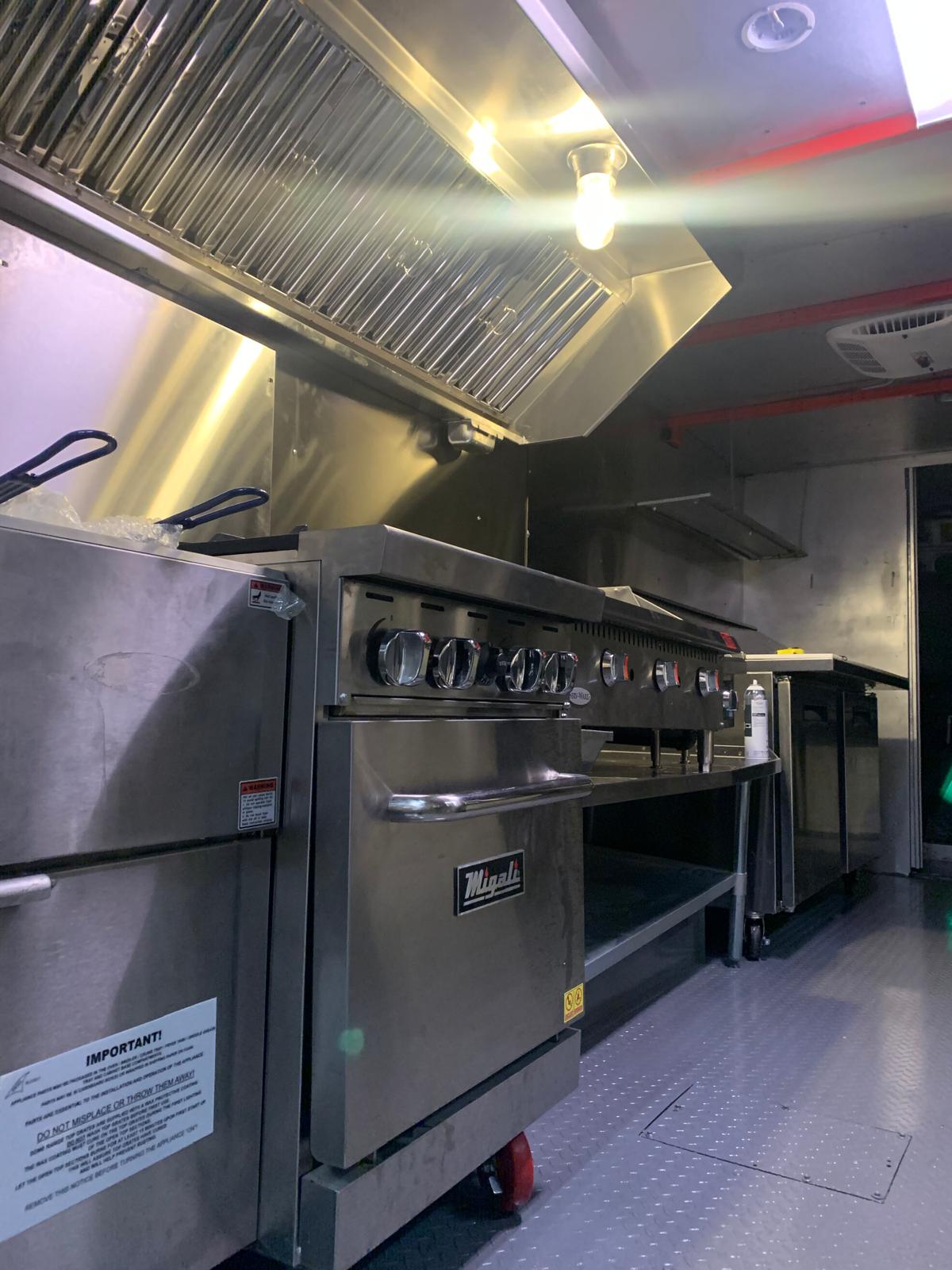
Your flat top grill needs a Type 1 hood. That's not optional. That's code.
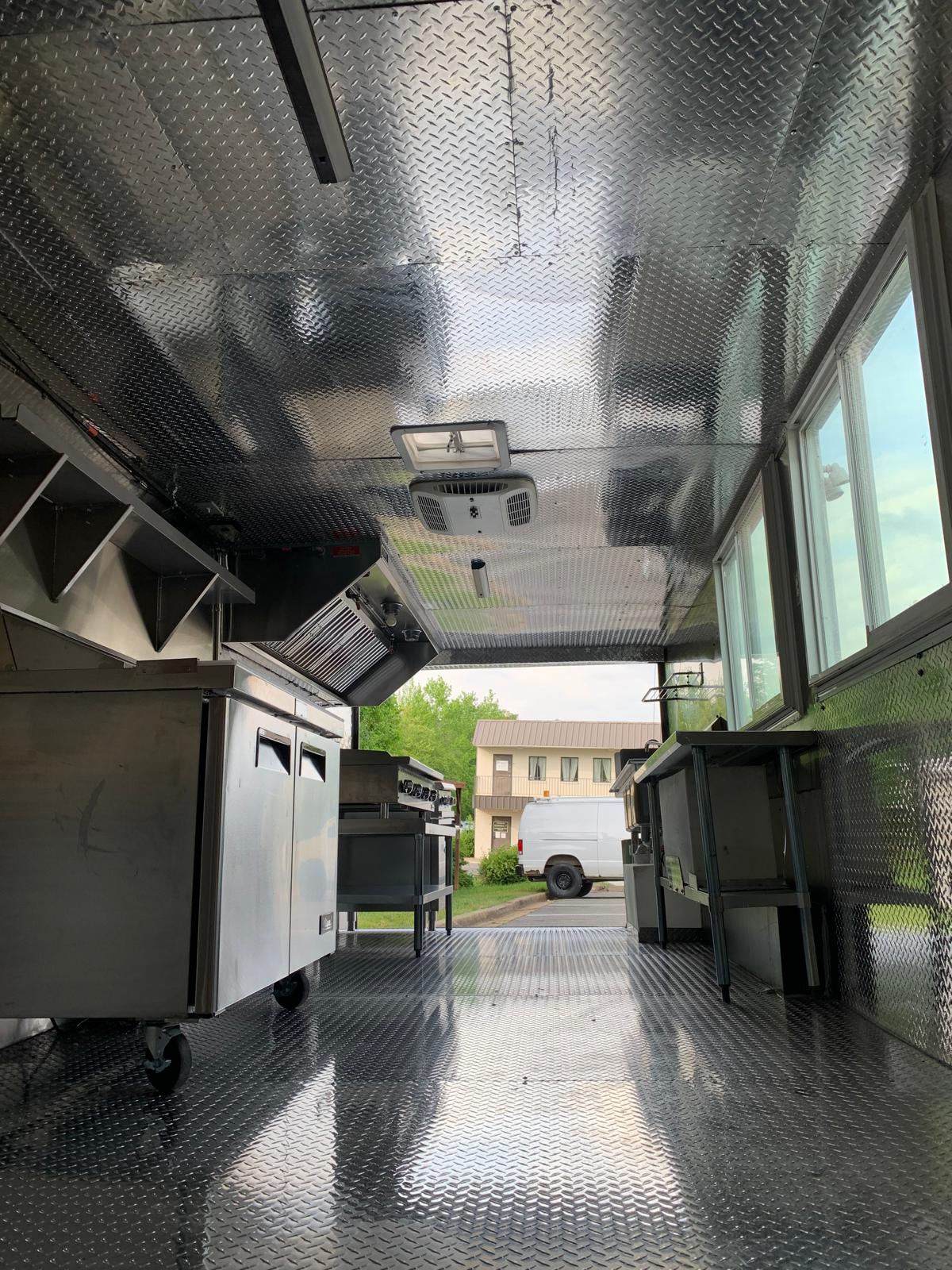
A Type 1 hood costs $2,500 to $5,000 installed in a food truck. It has to be UL-listed, fire-suppression-compatible, and vented through the roof. Not the side wall. Not out the back. Through the roof.
Here's what happens when you skip this: your health inspector walks in, sees the grill, looks up, and writes you a violation. You can't operate until it's fixed. That's a week of lost revenue at minimum.
The ANSI/NSF 4 standard applies to commercial cooking equipment in mobile units. Your home griddle from Amazon won't cut it. Neither will the "commercial grade" one from a big box store unless it's actually NSF-listed.
Gas vs. Electric: The Decision That Changes Everything
Gas grills require:
- A propane tank mount certified for mobile use ($400-$800)
- Flexible gas lines with quick-disconnect fittings ($150-$300)
- A gas detection system if propane is stored inside the cabin ($200-$500)
- Proper ventilation that meets NFPA 96 standards
Electric grills need:
- A 50-amp service minimum ($600-$1,200 for the electrical upgrade)
- A generator or shore power connection capable of handling the load
- GFCI protection on the circuit
Most food trucks in Houston go with gas. Why? Because electric grills draw so much power that you'll spend more on generator upgrades than you save on installation. But gas comes with its own headaches — propane tank inspections, line leak tests, and the fact that you can't just plug it in anywhere.
The Installation Process: Step by Step (The Real Version)
**Step 1: Measure your space with the hood in mind**
Your flat top grill needs 18 inches of clearance between the cooking surface and the hood filter. The hood needs to extend 6 inches beyond the grill on all sides. Measure twice. Cut once. This isn't a kitchen remodel.
**Step 2: Build the counter support**
A 36-inch flat top grill weighs around 150 pounds empty. Add food, oil, and the weight of the unit itself, and you're looking at 250+ pounds. Your counter needs to be rated for that. 16-gauge stainless steel minimum. 14-gauge if you want it to last.
**Step 3: Install the ventilation system**
This is where most DIY installations fail. The hood must be installed by a licensed professional in most jurisdictions. Houston requires a mechanical permit for hood installation in food trucks. The fine for skipping it: $500 plus the cost of redoing the work.
**Step 4: Run gas or electrical lines**
Gas lines need to be hard-piped or use approved flexible connectors. No rubber hoses. No compression fittings. The fire marshal will check this.
**Step 5: Fire suppression system**
Your flat top grill requires a Class K fire suppression system if it's in a commercial food truck. That's another $1,200 to $2,000. The system has to be tied into the hood and the gas shutoff valve.
**Step 6: Final inspection**
You'll need a health department inspection, a fire marshal inspection, and possibly a mechanical inspection depending on your city. Don't book your first event until you have the certificate.
Why Most DIY Installations Fail Inspection
The three most common violations I've seen in Houston food trucks:
1. Insufficient clearance between grill and hood
2. Missing or improper fire suppression
3. Gas lines that don't meet code
Every single one of these is preventable. But you have to know the codes before you start, not after.
The Hidden Cost Most People Miss
Your flat top grill installation might cost $3,000 in parts and labor. But if you haven't accounted for the electrical or gas infrastructure your truck needs to support it, that number doubles.
Here's the real math for a typical Houston food truck conversion:
- Flat top grill (NSF-listed, 36-inch): $1,200-$2,500
- Type 1 hood with installation: $2,500-$5,000
- Fire suppression system: $1,200-$2,000
- Gas line installation: $400-$800
- Permits and inspections: $200-$500
- Counter modification: $300-$800
Total: $5,800 to $11,600
That's the real number. If someone tells you they can do it for $2,000, they're skipping something you'll pay for later.
What to Do Before You Buy Anything
Get a copy of your local health department's mobile food unit requirements. Read them before you buy a single component. Then call a fabricator who specializes in food trucks — not a general contractor, not a handyman.
If you're working with a custom build, this is where the
custom food truck design process becomes critical. Your grill placement affects your workflow, your ventilation, and your entire floor plan. Moving it later costs thousands.
For operators in Washington State, the requirements differ.
Check the local codes for turnkey purchases before you commit to a build.
And if you're still deciding between a truck and a trailer, the ventilation requirements are actually stricter for trailers in some jurisdictions.
Here's the breakdown of truck vs. trailer pros and cons for ventilation and equipment installation.
The Decision That Actually Matters
You can install a flat top grill yourself. People do it every day. But the ones who do it right spend the money upfront on the hood, the fire suppression, and the professional installation of gas lines.
The ones who cut corners? They're the reason 73% of food trucks in Houston close before their second year. It's not about the food. It's about the infrastructure.
Get the inspection done right the first time. Get the equipment that meets code. And if you're not sure what you're doing,
get a custom quote from someone who's done this a hundred times.
Your grill is the heart of your truck. Don't let a bad installation kill the business before it starts.
For serious operators,
mobile kitchen consultations can save you the $5,000 mistake of doing it wrong the first time.