How Much Does It Really Cost to Open a Food Truck? Nobody Gives You the Real Number
You've Googled "food truck vs concession trailer pros and cons" and gotten the same surface-level advice: trucks are more mobile, trailers have more space. Great. You already knew that.
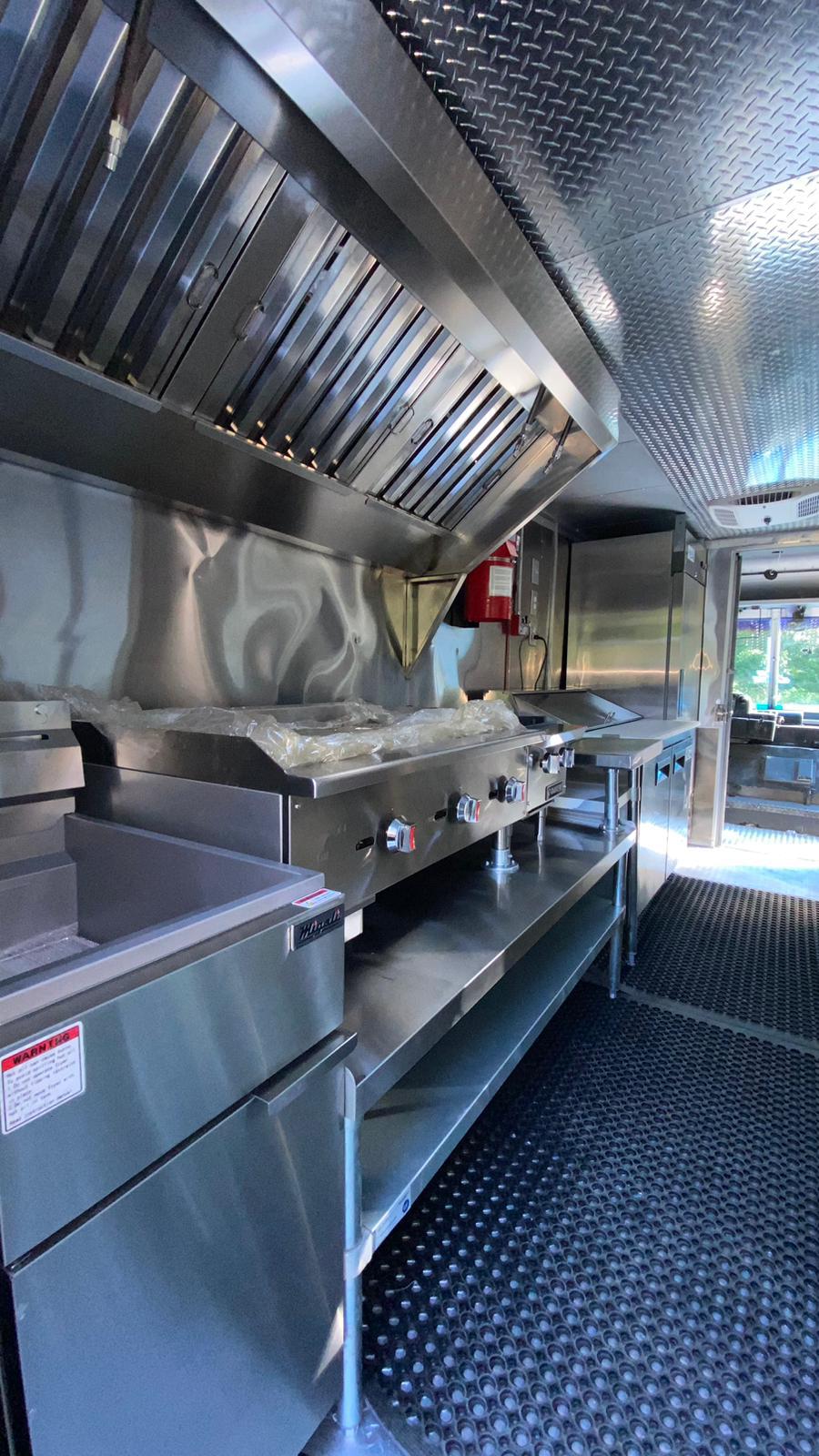
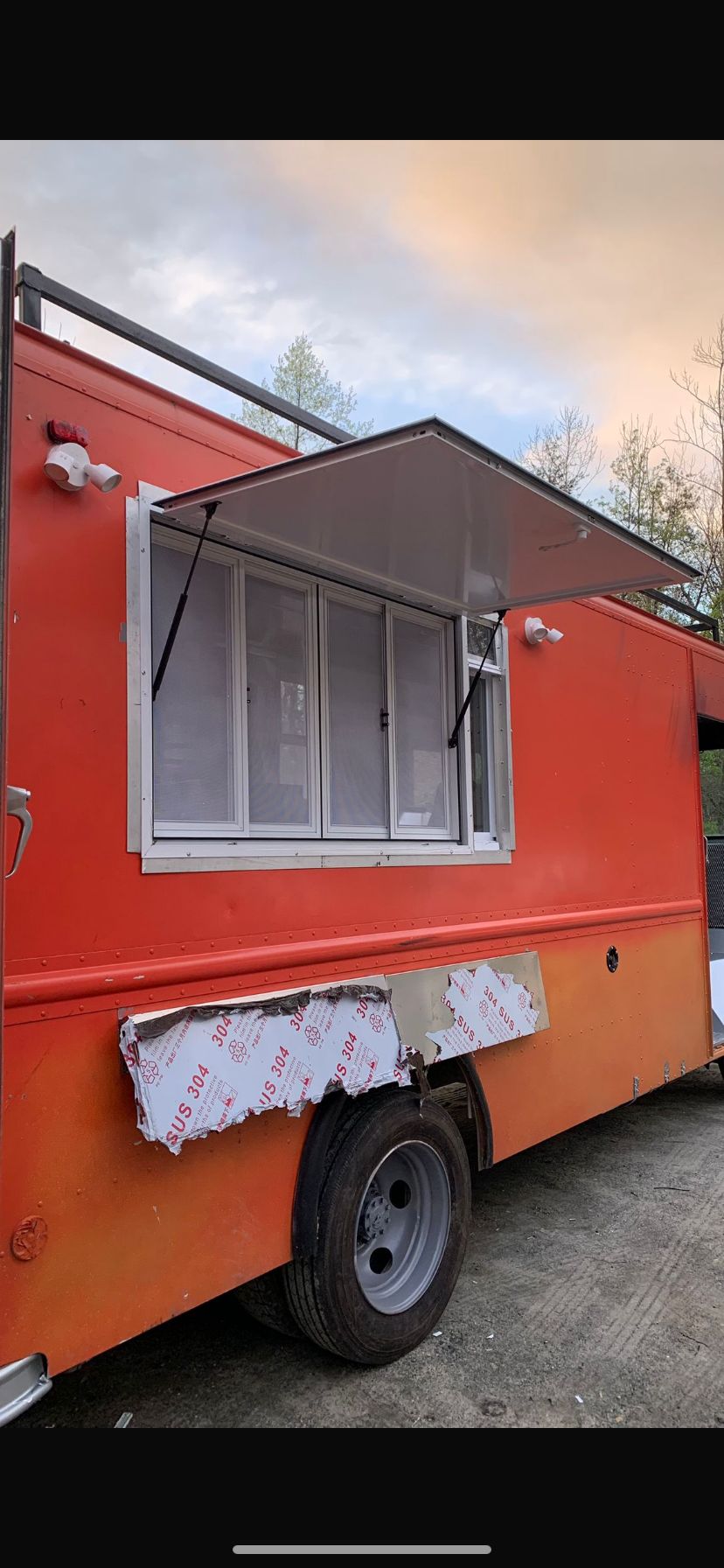
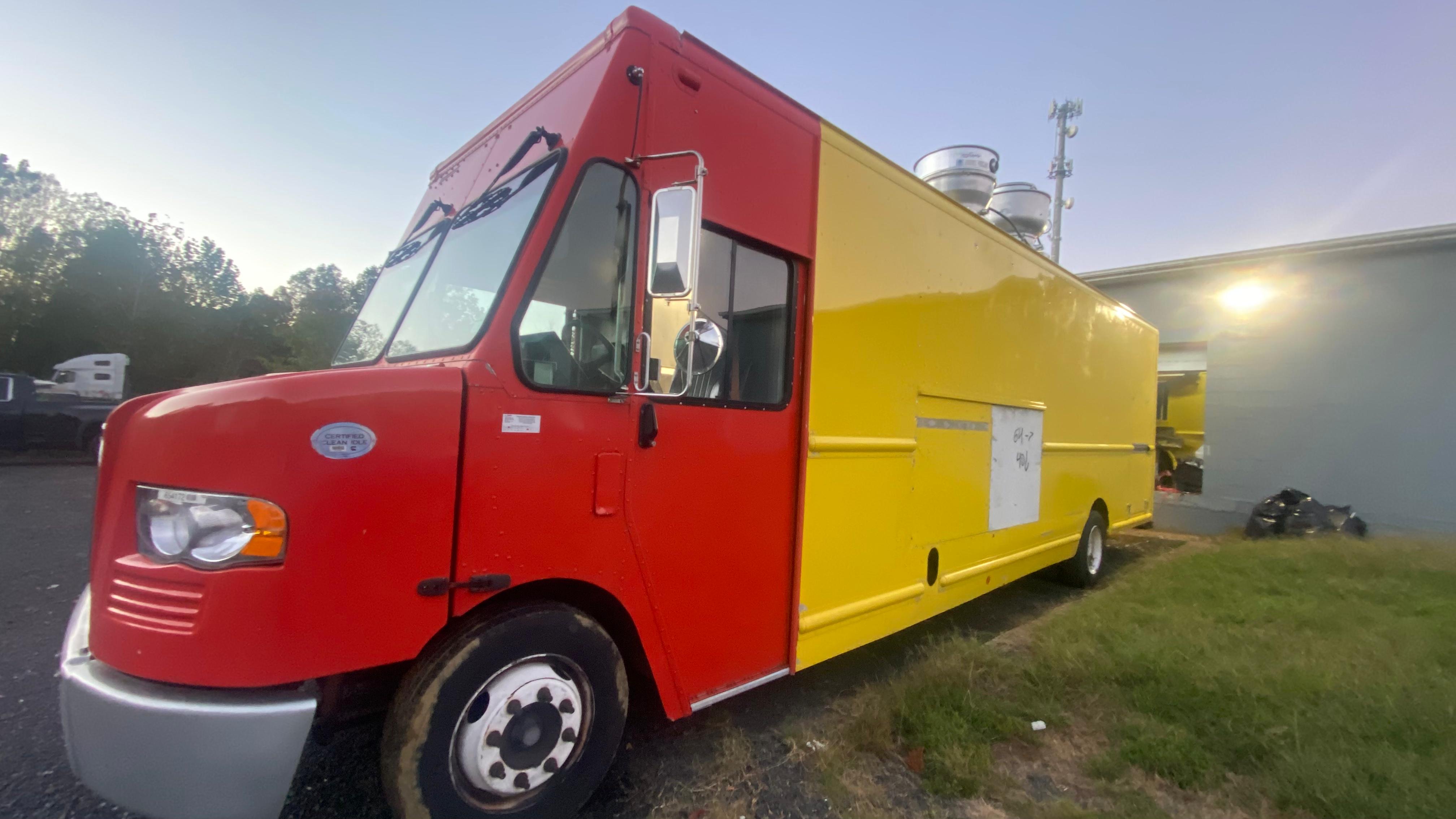
Here's what nobody mentions. A fully built-out food truck in Houston — with a commercial hood, three-compartment sink, and a six-foot griddle — runs between $85,000 and $145,000 depending on the chassis and fabrication quality. A concession trailer of similar capacity? $45,000 to $70,000. That's nearly half the price for the same cooking power.
But that's not the real cost. The real cost is what happens after you buy.
Why Your Houston Conversion Budget Is Wrong
Let me give you a concrete example. A client in Austin bought a used concession trailer for $38,000. Seemed like a steal. Then he needed a commercial kitchen permit from the city. That required a fire suppression system inspection ($1,200), a grease trap installation ($850), and a health department plan review ($400). Plus the trailer itself needed a separate electrical hookup at every event — $150 per pop-up. In the first year, he spent an extra $14,000 just to operate.
A food truck with a built-in generator and a pre-approved kitchen layout costs more upfront but avoids those recurring fees. The trade-off is real. And it depends entirely on where you plan to park.
What Van-to-Food-Truck Conversions Actually Cost in Houston
If you're serious about mobility, a van conversion is the middle ground most people ignore. A 2026 Chevy Express 3500 with a full commercial kitchen build-out runs about $95,000 to $130,000 from a reputable fabricator. That's more than a trailer but less than a custom truck. And you get something neither offers: the ability to drive through downtown Houston without needing a commercial driver's license.
But here's the catch. Van conversions have tighter workspace. You can't fit a full-size combi oven or a double-stack fryer. If your menu relies on volume — say, 200 burgers per lunch service — a van will bottleneck you. A trailer with a 10-foot kitchen line won't.
This is why the food truck vs concession trailer pros and cons argument misses the point. The real question is: what does your menu demand?
Permits, Parking, and the Hidden Tax on Trailers
This brings us to the question that actually matters. Where will you operate?
In Seattle, the city caps mobile food vendor permits at 150 per year. Food trucks get priority because they can move between high-traffic zones. Trailers are often restricted to private lots with pre-approved utility hookups. That means fewer events, less foot traffic, and lower revenue.
In Houston, the rules are looser. You can park a trailer on private property with the owner's permission. But you still need a mobile food unit permit ($500 annually) and a food manager certification ($150). And if your trailer exceeds 8.5 feet in width, you need a special oversize load permit to transport it — $75 per trip.
Over a year, that adds up. And it's not something most guides mention.
The One Scenario Where a Trailer Wins Every Time
Catering. If your business model is 70% private events and 30% street vending, a trailer is the smarter buy. You get more counter space, a dedicated prep area, and the ability to serve 50+ guests without running out of ingredients mid-event. A food truck with a cramped kitchen will make you miserable during a wedding reception.
But if your goal is lunch service in a busy downtown district, a truck is non-negotiable. You need to park in a 20-foot space, not a 30-foot one with a separate trailer hitch.
What Nobody Checks Before Buying
Most people compare price tags and floor plans. They don't check the chassis weight rating against the equipment load. A trailer loaded with a 500-pound griddle, a 300-pound refrigerator, and 200 pounds of dry storage can exceed its axle capacity by 15%. That's a safety violation and a permit denial waiting to happen.
A food truck built on a Ford Transit 350 has a GVWR of 10,360 pounds. A typical commercial kitchen build adds 3,500 pounds in equipment alone. That leaves 6,860 pounds for the vehicle itself, fuel, and product. It's tight. A good fabricator will calculate this before cutting a single sheet of metal.
If you want to see real numbers for your specific concept,
get a custom quote from a builder who actually does the math.
The Decision That Actually Matters
The food truck vs concession trailer pros and cons debate is a distraction. The real decision is about your operating model. Do you want to chase foot traffic in five different locations per week? Buy a truck. Do you want to anchor at breweries, farmers markets, and private events? Buy a trailer.
But don't ignore the hidden costs. Permits. Transport fees. Equipment overloading. These are the things that kill a business by month eight.
Talk to someone who's done it.
Mobile kitchen consultations can save you $20,000 in mistakes before you sign a purchase agreement.
Read next: Custom Food Truck Design Process Step by Step: A 2026 Reality Check — what actually happens inside a fabrication shop.
And if you're budget-conscious: Food Truck Fabrication Cost per Square Foot: Real Budget Guide 2026 — how much you should expect to pay per square foot of kitchen space.
For the gearheads: Best Commercial Griddle for High Volume Food Truck: 5 Things Nobody Checks — because your griddle will make or break your lunch rush.