Food Truck Regulations Virginia: 2026 Complete Guide
Food Truck Regulations Virginia: The Part Nobody Tells You Until You've Already Bought the Truck
Here's a number that surprises almost everyone: Virginia has 95 counties and 38 independent cities, and there is no single statewide food truck permit. You can be 100% legal in Richmond and completely illegal 20 minutes later in Henrico. Same truck. Same menu. Different jurisdiction, different rules.
That's the reality of food truck regulations Virginia operators deal with every single day. And it's why so many first-time owners blow their launch budget on legal fixes instead of equipment — because they assumed "state license" meant "I'm covered everywhere."
It doesn't. Let me walk you through what actually matters in 2026, what it costs, and where the real bottlenecks are.
The State Layer: Cheap, Fast, and Not Enough
Start here because it's the easy part. The Virginia Department of Agriculture and Consumer Services (VDACS) issues the state food establishment permit that covers mobile food units. As of 2026, the base application fee runs around $40 for a mobile unit, with an annual renewal in the same range. You'll also need a VDACS plan review before they'll approve your truck's layout — and this is where people lose weeks.
VDACS wants to see your commissary agreement, your water system specs, your warewashing setup, and your waste handling plan. If your build doesn't match what you submitted, you're redoing the review. I've watched operators sit for six weeks waiting on a plan review because their hand sink was two inches off from the schematic.
The fix is boring but real: build to spec the first time. If you're converting a van or trailer, this is exactly the kind of thing that should get sorted in a conversion plan before a single panel goes up.
What VDACS Actually Inspects
Three things kill most first inspections:
No commissary agreement on file. Virginia requires mobile units to have a base of operations — a licensed commercial kitchen where you do your deep cleaning, water refills, and waste disposal. No commissary, no permit. Full stop.
Water heater capacity. You need enough hot water for handwashing and warewashing at the same time. Undersized heaters are the single most common fail I see.
Three-compartment sink or an approved equivalent. If you're doing anything beyond pre-packaged food, this is non-negotiable.
County and City Rules: Where Food Truck Regulations in Virginia Get Expensive
Now the hard part. Once you have your VDACS permit, you still need local approval — and localities in Virginia can charge wildly different fees, cap how long you can park somewhere, and require separate fire inspections on top of everything else.
Fairfax County, for example, requires a mobile food unit permit that runs several hundred dollars annually, plus a fire prevention code permit if you're cooking with propane or frying. Virginia Beach charges its own business license fee and enforces strict time limits on how long a truck can sit in one spot — often 30 to 60 minutes in certain districts, longer in designated zones.
Richmond is friendlier to trucks but still requires a peddler's permit and a health department sign-off separate from VDACS. Henrico County, right next door, has its own application and fee structure that doesn't talk to Richmond's at all.
And here's the thing nobody puts in the brochures: some counties require you to notify adjacent property owners before you park. Some require you to have a written agreement with the property owner whose lot you're using. Some ban you from residential zones entirely. This isn't a paperwork problem — it's a "know your map before you sign a lease" problem.
What It Actually Costs to Get Legal in 2026
Let's put real numbers on this. A realistic first-year compliance budget for a single truck operating in one Northern Virginia county looks like this:
VDACS mobile food permit: ~$40 application, ~$40 annual renewal.
County health permit: $150–$500 depending on locality.
Fire prevention permit (if cooking with open flame or propane): $100–$300.
Business license (BPOL tax in Virginia): varies by gross receipts, often $50–$400 for a new truck.
Commissary kitchen rental: $400–$900 per month in most Virginia markets.
Insurance (commercial auto + general liability): $2,000–$4,000 annually.
That's somewhere between $6,000 and $12,000 in year one just to be legal and parked. Before you've sold a single taco.
The trucks that survive this aren't the ones with the best food. They're the ones who mapped the fees before they mapped the menu. If you want to see how the numbers shake out for a specific concept, get a custom quote rather than guessing.
Commissary Requirements: The Rule That Sinks the Most Trucks
I want to spend real time here because this is the regulation that catches people off guard more than any other in Virginia.
Every mobile food unit in the state must operate from an approved commissary. That's a licensed commercial kitchen — not your garage, not a friend's restaurant after hours unless it's properly permitted. You use it to refill your potable water, dump your wastewater, clean your equipment, and store your food between service days.
In dense markets like Arlington and Alexandria, commissary space is tight and expensive. I've seen operators pay $900 a month for a shared commissary slot with limited hours, then discover they can only access it between 6am and 9am. That's a business model problem disguised as a real estate problem.
Some Virginia counties allow you to use a permitted restaurant kitchen as your commissary if you have a written agreement. Others don't. Check before you sign anything. This is exactly the kind of thing that should be nailed down in a planning consultation before you commit to a build.
Fire Codes, Propane, and the Inspection You Forgot to Schedule
If your truck uses propane, a fryer, or any open flame, you're going to meet your local fire marshal. In most Virginia jurisdictions, that means a separate fire prevention code permit, a propane system inspection, and a fire extinguisher check with specific ratings (typically a Class K for cooking oil and a Class ABC for general use).
Northern Virginia counties tend to be stricter than rural ones. Fairfax and Loudoun require the fire inspection to happen before the health permit is finalized. That sequencing matters — schedule them in the wrong order and you're waiting another two weeks.
Propane tanks need to be mounted, secured, and vented to code. If you're building out a truck from scratch, get this right in the design phase. Retrofitting a propane system after the fact costs two to three times more than doing it correctly the first time.
Mobile Kitchen Build Standards That Pass Virginia Inspection
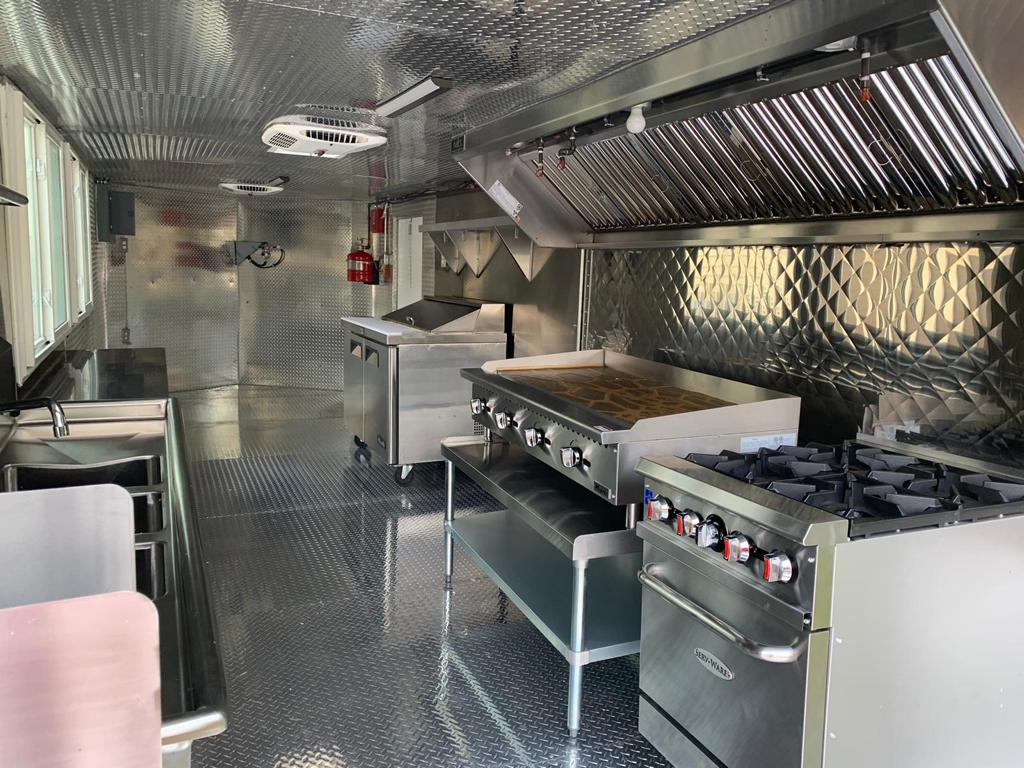
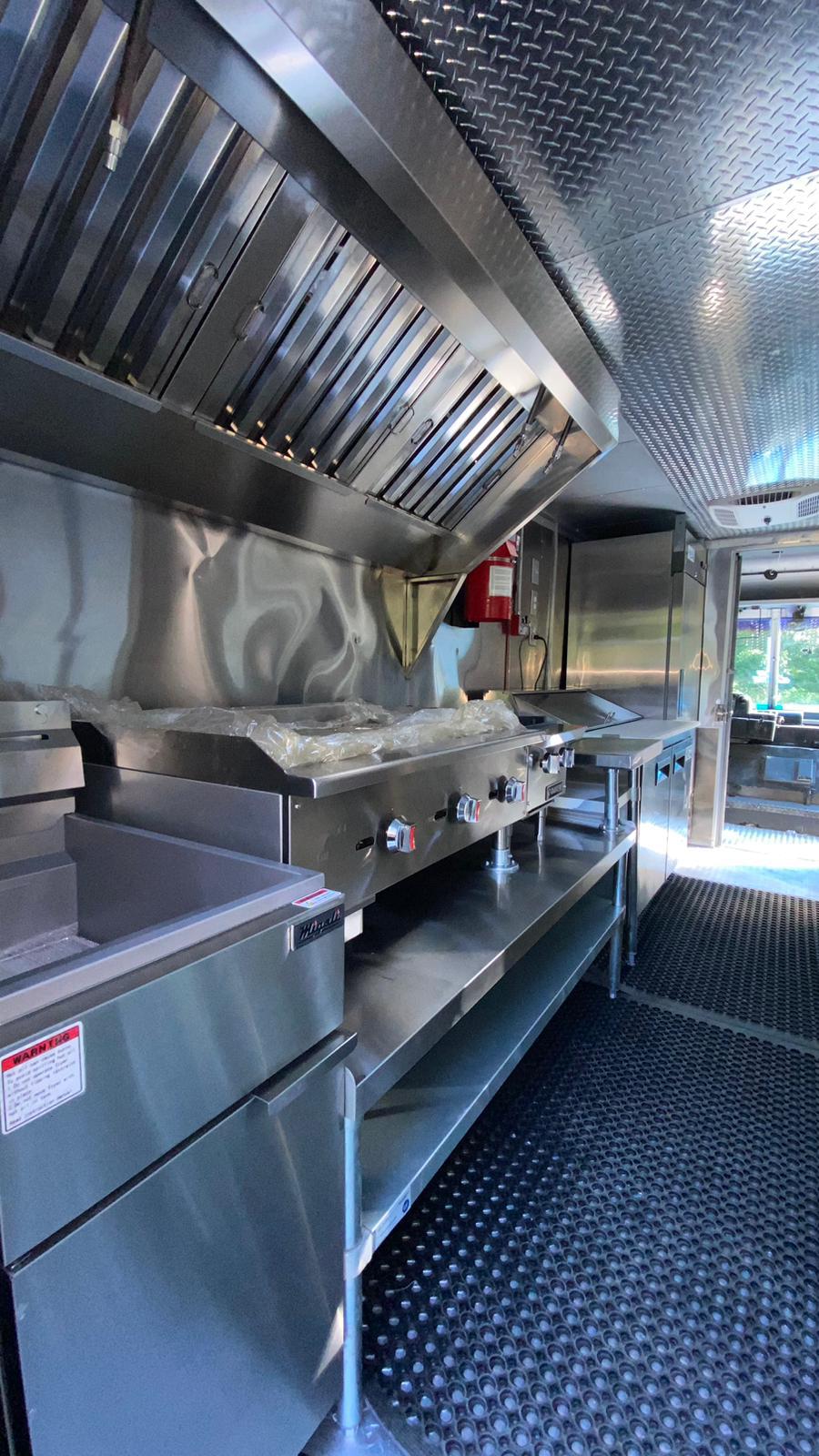
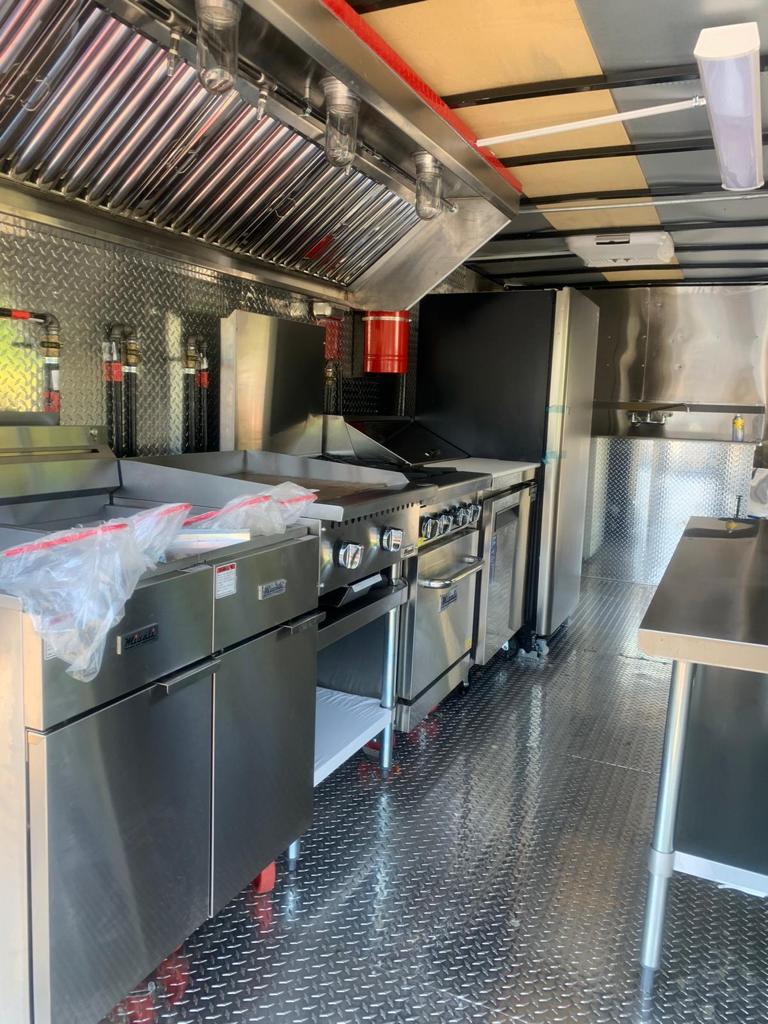
Here's the part where regulation meets engineering. Virginia's food truck rules aren't just about permits — they dictate how your truck has to be built. Smooth, easily cleanable surfaces. Coved corners. A hand sink that's separate from your warewashing sink. Adequate lighting. Screens on windows and vents.
If you're buying a used truck, verify it meets current standards before you hand over money. A truck that passed inspection in 2019 in another state may not pass a 2026 Virginia plan review, especially if the state it came from had looser rules.
This is why turnkey builds matter. A truck designed from day one to meet Virginia's requirements saves you the nightmare of tearing out a finished interior. If you're sourcing a unit, look for something inspection-ready from the start rather than "close enough."
Wrapping Your Head Around the Map, Not the Rulebook
The single biggest mistake I see new Virginia operators make is treating "food truck regulations Virginia" as one thing to learn. It's not. It's a stack of overlapping jurisdictions, and the skill that matters is knowing which layer applies where you're actually going to park.
Get your VDACS permit. Lock your commissary. Then spend a full day calling every county and city where you plan to operate and asking three questions: what's the fee, what's the inspection sequence, and are there parking time limits? Write the answers down. Build your routes around the answers.
And if you're still in the design phase, don't design for the truck you want. Design for the inspection you'll face. That's the difference between a truck that launches in eight weeks and one that sits in a driveway for six months. If you need help mapping your build to Virginia's requirements, mobile kitchen consultations exist precisely for this stage — before the mistakes get expensive.
One more thing worth knowing: branding and wraps aren't regulated, but they are the cheapest marketing you'll ever buy. If you're going to be parked in a dozen jurisdictions, a wrap that travels well across county lines is worth more than a business card ever will be.