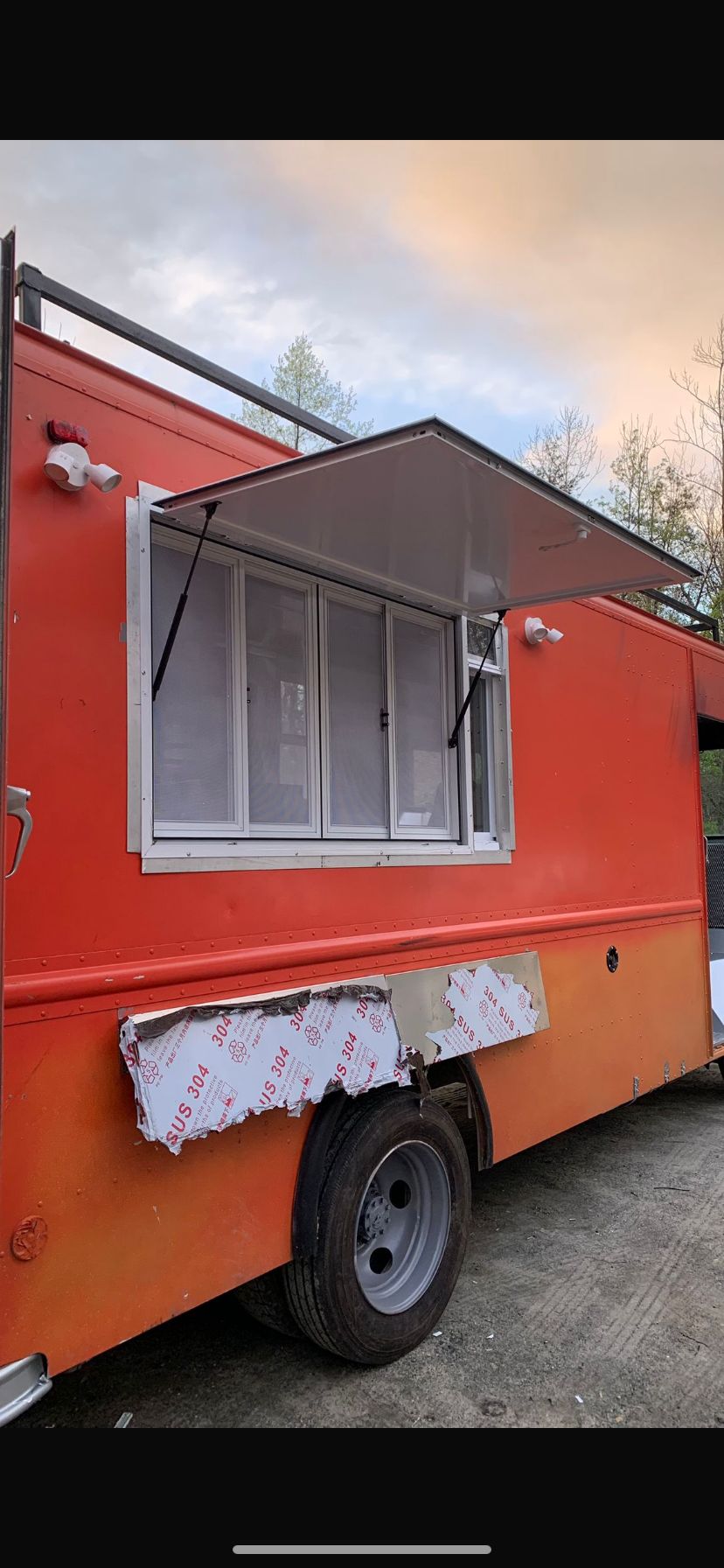
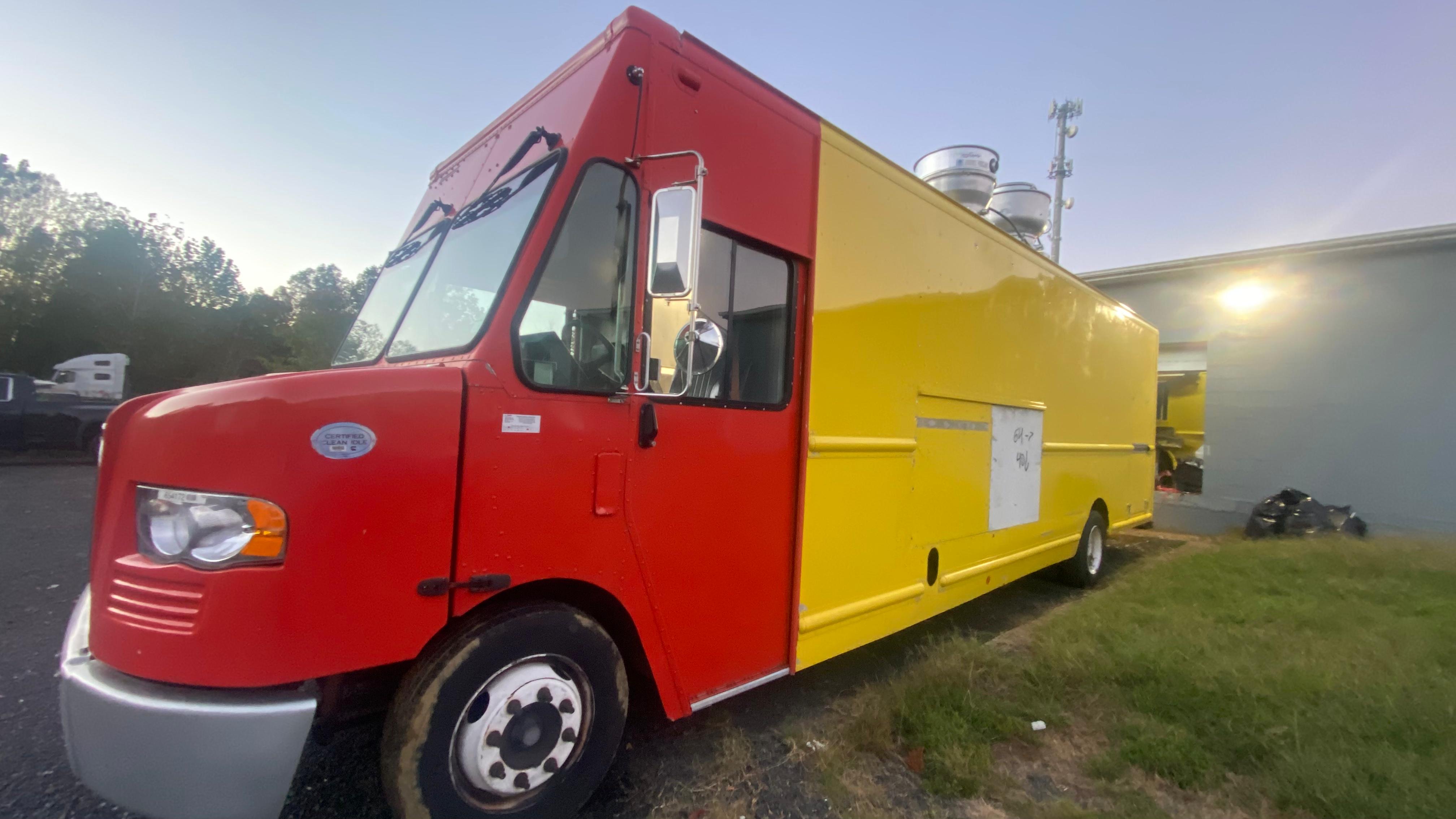
How Much Does It Really Cost to Buy a Turnkey Food Truck in Washington State?
Let me save you the runaround. A fully built turnkey food truck in Washington state will cost you between
$85,000 and $180,000 in 2026, depending on size, equipment, and whether it's new or used. But here's what nobody mentions: the truck itself is only half the battle.
I've watched operators drop $120,000 on a beautiful rig and then realize they need another $15,000 just to pass King County's health inspection. The real question isn't "how to buy a turnkey food truck in Washington state" — it's "how to buy one that actually opens on time."
Why Washington State Is a Different Beast
Washington's regulatory environment is not friendly to shortcuts. If you're coming from a state like Texas or Florida, prepare for sticker shock — not on the truck, but on the compliance side.
-
King County (Seattle, Bellevue, Redmond) requires a plan review before you even order equipment.
-
Pierce County (Tacoma) mandates a separate mobile food unit permit that costs $500-$1,200 annually.
-
Spokane County has fewer hoops but still requires a commissary agreement before you can park that truck anywhere.
The mistake I see most often? Someone buys a turnkey truck from an out-of-state builder, ships it to Washington, and then discovers their 3-compartment sink is 2 inches too shallow for local code. That's a $4,000 retrofit you didn't budget for.
The Permit Queue Nobody Warns You About
Here's the real timeline for how to buy a turnkey food truck in Washington state and actually get it on the road:
1.
Health department plan review: 4-8 weeks in King County. Faster in smaller counties.
2.
Fire marshal inspection: 2-4 weeks. Required if you have any cooking equipment with grease-producing potential.
3.
Business license + seller's permit: 2-3 weeks. You can do this in parallel.
4.
Commissary agreement: 1-2 weeks. You need a licensed commercial kitchen to park, clean, and store food overnight.
Total: 8 to 14 weeks *before* you serve your first customer. If you buy a truck that doesn't match Washington's specs, add another 4 weeks for modifications.
What a Turnkey Truck Actually Includes (and Doesn't)
A true turnkey food truck in Washington state should include:
- NSF-certified equipment (fridge, freezer, flat-top, fryer, hood system)
- A 3-compartment sink with drain boards that meet Washington's 2026 code
- A handwash sink with hot water (120°F minimum at the faucet)
- Fire suppression system with current inspection tag
- Electrical system with GFCI protection
- Propane or diesel system with proper ventilation
What it *doesn't* include: permits, business license, commissary rental, insurance ($2,000-$5,000/year in Washington), and the inevitable last-minute fixes.
If you want to see exactly what a complete package looks like, check out our breakdown of
what's included in a turnkey food truck package. The equipment list is similar regardless of state — the difference is how local inspectors interpret the rules.
Used vs. New: The Washington Math
A used turnkey truck from 2020 or earlier might cost $50,000-$80,000. Sounds like a deal until you factor in:
-
Hood system replacement: $6,000-$10,000 if it's not current with Washington's 2026 ventilation standards
-
Electrical upgrades: $3,000-$7,000 to bring it up to code
-
Generator replacement: $4,000-$8,000 if it can't handle your equipment load
I've seen people spend $65,000 on a used truck and then drop another $22,000 on retrofits. At that point, you're better off buying new and building it right the first time.
For a realistic budget guide, read our article on
food truck fabrication cost per square foot. It'll save you from overpaying per square foot on a used rig that needs work.
The County-by-County Trap
Washington doesn't have one set of rules. Every county health department interprets the FDA Food Code differently.
-
King County: Requires a "Mobile Food Unit Plan Review" fee of $400-$800. They also want to see your HACCP plan.
-
Snohomish County: Accepts Washington State Department of Health permits but adds a local business license fee of $150-$300.
-
Thurston County: Easier. No plan review fee, but you need a separate "Temporary Food Service" permit if you're at farmers markets.
The smartest move? Call your local health department *before* you sign a purchase agreement. Ask them: "If I bring a turnkey truck built to [manufacturer] specs, what modifications will I need?" They'll tell you exactly.
Financing a Turnkey Truck in Washington
Banks in Washington are cautious with food truck loans. Expect:
-
20-30% down payment for a new truck
-
5-7% interest rates (higher for used)
-
3-5 year terms on equipment financing
Some operators use SBA 7(a) loans, which offer lower rates but require 2+ years of business experience. If you're new, consider leasing the truck for the first year with an option to buy.
Why Equipment Installation Matters More Than the Truck Itself
The difference between a truck that opens in 8 weeks and one that sits idle for 16 weeks is often the equipment installation quality. A poorly installed hood system or undersized generator will fail inspection every time.
If you're building from a shell or upgrading an existing truck, read our guide on
commercial kitchen equipment installation costs. The principles apply anywhere — including Washington — and the numbers will help you budget realistically.
The Question Nobody Asks Until It's Too Late
"How long will the inspection actually take?"
In King County, the health department has 30 business days to review your application once it's complete. But "complete" means they have everything — floor plans, equipment specs, water system diagrams, waste disposal plan. If anything is missing, the clock resets.
I've seen operators wait 11 weeks because their water heater spec sheet didn't include the BTU rating. That's the difference between a summer launch and an autumn one.
What You Should Do Right Now
If you're serious about buying a turnkey food truck in Washington state, here's your three-step plan:
1.
Call your county health department and ask for the mobile food unit packet. Read it before you look at trucks.
2.
Get a custom quote from a builder who specifically works with Washington operators. Most national builders don't know the local codes.
3.
Budget 20% above the truck price for permits, modifications, and the first 3 months of commissary rent.
The operators who succeed in Washington aren't the ones with the flashiest trucks. They're the ones who did the paperwork first and bought the truck second.
If you want to
get a custom quote for a turnkey truck built to Washington state specs, we can walk you through exactly what your county requires. Or if you're earlier in the process and just need
mobile kitchen consultations to understand your options, that's available too.
The best time to start? Yesterday. The second best time? Right now, with your county's permit packet open on your screen.
Bonus: Generator Sizing for Washington Winters
One thing Washington operators forget: your generator needs to handle not just your cooking equipment, but lights and heating in the cold months. A 10kW generator that works fine in July might struggle in January when you're running a space heater and the hood fan at full speed.
Use a
food truck generator size calculator to figure out your actual load. Most operators undersize by 20-30% for winter conditions.
And if you're cooking high-volume burgers or breakfast sandwiches, don't cheap out on the griddle. Read our breakdown of the
best commercial griddle for high volume food trucks. A $3,000 griddle that lasts 5 years beats a $1,200 one that warps in 18 months.