Best Cities for Food Trucks in Washington State: The 2026 Reality
Most "Best Cities for Food Trucks in Washington State" Lists Are Useless
They tell you Seattle is great. They mention Spokane. They talk about "vibrant scenes." What they don't tell you is which city will let you operate without a $15,000 commissary lease you don't need, or where the health inspector will fail you for a sink that's two inches too small. If you're looking for the best cities for food trucks in Washington state, you're not looking for a tourism brochure. You're looking for a viable business plan. Let's cut through the noise.
The Permit Reality: It's Not About the Fee, It's About the Hoops
Everyone looks at the application fee. That's your first mistake. The real cost is in the hidden infrastructure and time. In Seattle, your Mobile Food Unit Permit might cost around $1,100 annually. But that's the easy part. The city requires a permanent commissary agreement—a signed lease or letter from a licensed kitchen where you'll store food and clean your tanks. In a tight rental market, that can cost you $800-$1,500 a month before you've sold a single taco. Contrast that with Tacoma. Their permit is cheaper, and while they still require commissary documentation, the pressure isn't as intense, and shared kitchen spaces are more accessible and affordable.
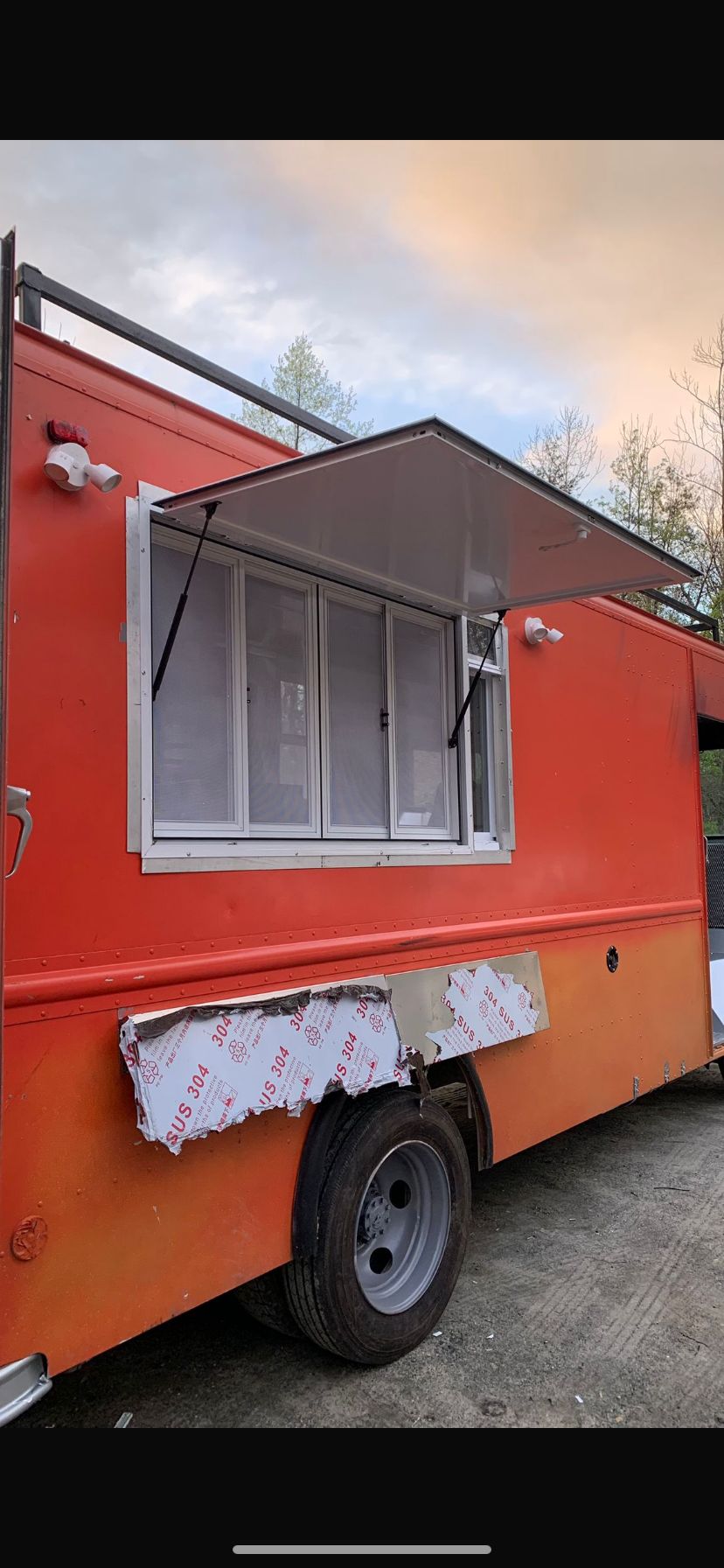
Then there's the health department plan review. You can't just buy a truck and roll in. You need detailed schematics of your entire kitchen layout for approval. This is where most first-timers get destroyed. If you're converting a vehicle, you need to understand that commercial kitchen equipment installation for food trucks has non-negotiable specs for plumbing, electrical, and ventilation that your local health district will scrutinize pixel by pixel.
Market Analysis: Where the Customers Are vs. Where You Can Survive
Seattle and Bellevue have the wallets. The tech crowd spends $14 on artisanal toast without blinking. But they also have saturation. Finding a lucrative, permitted spot at a popular pod or event is a political game as much as a culinary one. The competition is fierce, and the overhead is punishing.
Now look east. Spokane's food truck scene is growing, not drowning. The Spokane Parks Department has been actively creating "Food Truck Fridays" and other events in parks like Riverfront. The permit process is more straightforward, and the community is actively seeking new options. The average customer might spend less per visit, but your cost to exist is dramatically lower. In the Tri-Cities (Kennewick, Pasco, Richland), the climate is drier, the season is longer, and the appetite for diverse, quick food is booming alongside the wine and tech industries. It's a market with growth room.
But here’s the critical factor most analyses miss: inter-city mobility. Washington allows you to permit your truck in your home county/city and then apply for temporary event permits elsewhere. Your business model shouldn't be "I'm a Seattle truck." It should be "I'm a Washington truck based in Everett that hits Seattle lunch spots, Tacoma dinner pods, and weekend festivals in Spokane." Your base city should be chosen for its low regulatory friction and affordable commissary access, not just its downtown foot traffic.
The Tacoma vs. Seattle Showdown: A Case Study
Let's get concrete. A fully equipped truck aiming to operate in Seattle needs to budget for that high-cost commissary, more expensive parking/storage, and higher event fees. Your break-even point is much higher. Tacoma, while smaller, offers a more collaborative scene, lower barriers to entry, and you're still a 30-minute drive from Seattle for big events. For a new operator, Tacoma often represents a smarter launchpad. You build your reputation and capital where it's feasible, then attack the more expensive markets. This strategic choice between a trailer and a truck is pivotal, and the financial implications are stark, as we break down in our guide on Food Truck vs Concession Trailer in Washington State.
The Vehicle Choice: Your Biggest Decision Before You Choose a City
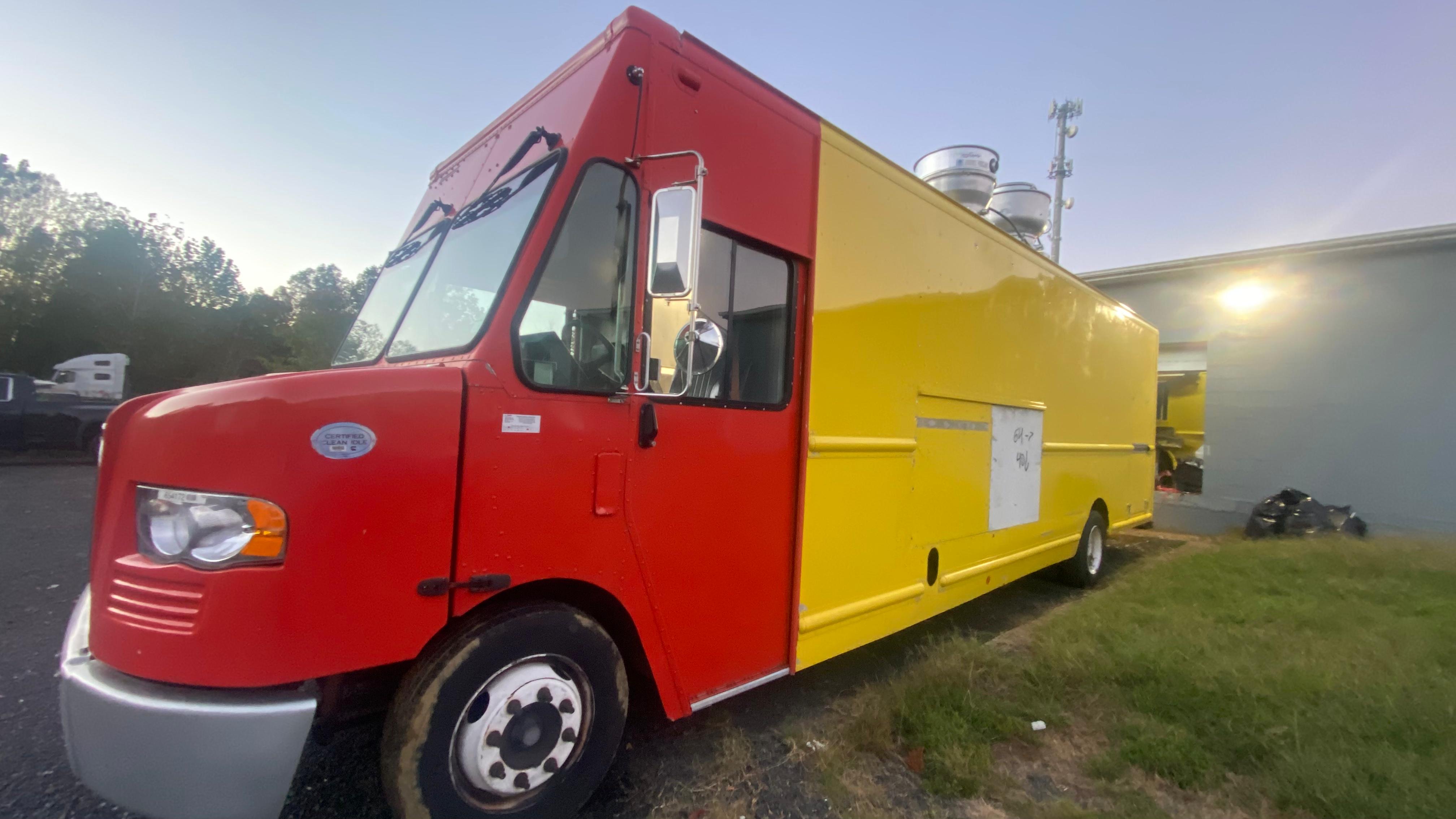
You're researching cities, but have you locked down your rig? This isn't a trivial question. The type of mobile kitchen you choose—a van conversion, a step truck, a custom-built trailer—will directly impact where you can go. Seattle's Capitol Hill has narrow streets and limited parking. A massive 30-foot trailer might be a non-starter. A nimble van conversion could thrive. Conversely, for the wide-open lots common in Eastern Washington festival circuits, a larger trailer with more cooking capacity could mean doubling your daily sales.
Your vehicle dictates your equipment capacity, which dictates your menu, which dictates your appeal. Don't pick a city and then try to force a truck into it. Pick a concept and vehicle first, then find the cities that accommodate it. We're seeing a major shift in 2026 towards efficient van conversions for urban markets, which you can explore in our analysis of the best vehicles for food truck conversions in 2026.
Your First Step Isn't a Permit Application
It's a spreadsheet. Before you fall in love with a city, model the numbers. Seattle permit + Seattle commissary + Seattle parking + estimated Seattle competition = your required daily sales. Now do the same for Tacoma, Spokane, or Bellingham. The difference can be the difference between closing in 12 months and building a real business.
The best city for your food truck in Washington isn't the one with the most Instagram followers. It's the one whose rules you can navigate, whose costs you can absorb, and whose market has a gap your food can fill. It's the city that lets you operate, not just exist. Once you have that data, then you can start the real work of building a kitchen that passes inspection the first time. The rules are specific, and getting them wrong is expensive. For a sense of how detailed health departments get, read about the reality of health department rules in another strict state. The principles are universal.
Ready to model your specific concept? It starts with a professional layout and a realistic budget. That's where mobile kitchen consultations move you from guessing to executing.