What Is a Turnkey Food Truck? Benefits & Checklist 2026
What Is a Turnkey Food Truck, Really?
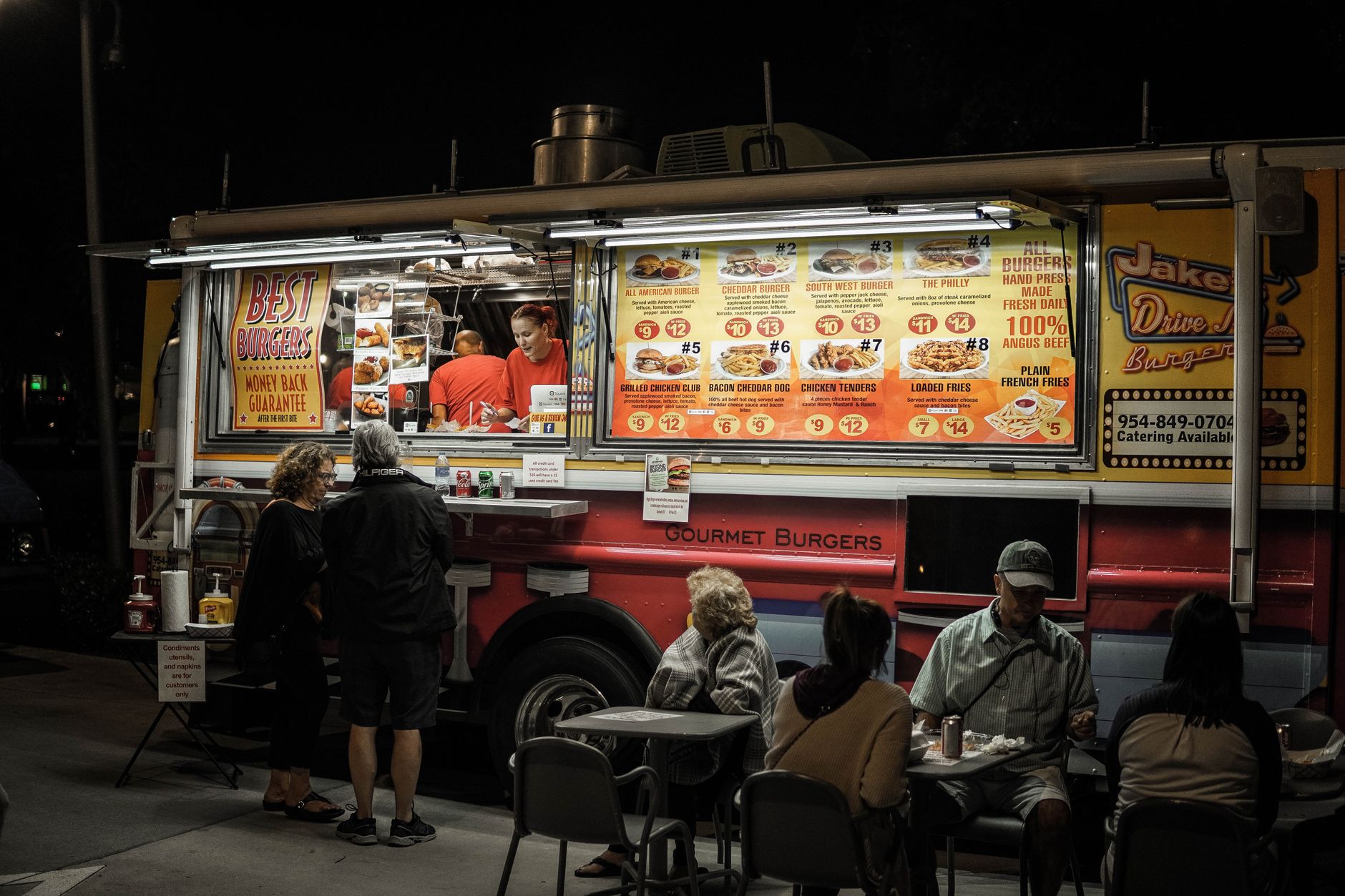
Most people think a turnkey food truck is just a finished truck. That's the brochure version. Here's the real answer: a turnkey food truck is a complete, operational business asset — chassis, kitchen, electrical, plumbing, fire suppression, health permit, and typically branding — delivered ready to roll to a commissary and start selling the same week. You turn the key and it works. No build-out, no waiting six months for a fabricator, no surprise $14,000 bill for a fire suppression system you forgot to budget.
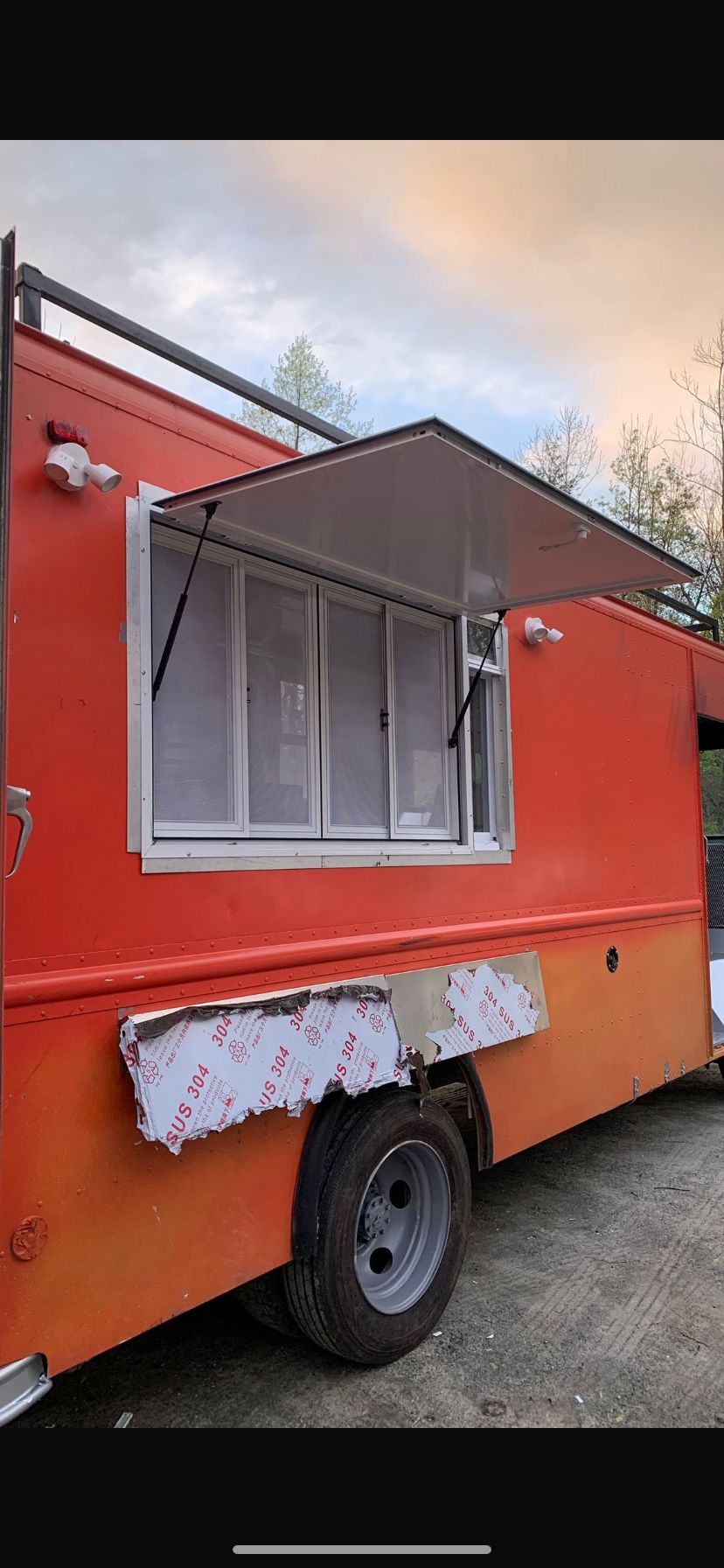
That's the definition. But the phrase gets abused. I've seen "turnkey" slapped on a shell with a used fryer bolted to the floor and no hood system. So before you hand over $85,000, you need to know what separates a genuine turnkey build from a marketing label.
The Line Between "Finished" and "Turnkey"
A finished truck has walls and equipment. A turnkey truck has passed health inspection, has its fire suppression certified, and comes with a warranty on the build. The difference is liability. One is a project. The other is a business you can insure and operate on Monday.
Why the Turnkey Model Saves You Money (and Where It Doesn't)
Let's talk numbers, because this is where the conversation usually goes vague. A custom food truck build in 2026 runs roughly $50,000 to $175,000 depending on size and equipment, according to industry cost data. A turnkey unit typically lands between $75,000 and $150,000 for a mid-size truck with a full kitchen.
So why pay the premium? Because the hidden costs of a DIY build eat the savings fast. Permit delays, failed inspections, re-welding a frame, a generator that doesn't match your load — these add 15% to 30% to a self-managed build, and months of lost revenue. A turnkey truck bundles all of that risk into a fixed price.
But here's what nobody mentions: turnkey doesn't mean turnkey-cheap. You're paying for someone else's labor and margin. If you have construction experience and time, a custom build can save you real money. If you don't, the turnkey premium is the cheapest insurance you'll ever buy. It depends on your skills — and that's not a vague answer, it's the whole decision.
The Turnkey Food Truck Benefits Nobody Puts on the Sales Page
Everyone lists "fast start" and "no build hassle." True, but shallow. The benefits that actually matter show up six months in.
Financing gets easier. Lenders and equipment financers treat a turnkey truck with a documented build and warranty as a lower-risk asset. That can mean better terms than a half-finished project loan.
You can inspect before you commit. With a turnkey unit, you walk the finished product. Check the electrical panel, run the water, open every drawer. You can't do that with a build you're still paying for.
Resale holds value. A documented turnkey truck sells faster than a custom build with no paper trail. Buyers pay for certainty.
And the biggest one: you start earning sooner. Every month a build drags on is a month of zero revenue while your loan interest ticks. A turnkey truck compresses that gap.
Before You Sign: The Turnkey Checklist That Actually Protects You
This is the part that separates a smart buyer from a $90,000 mistake. Print it. Bring it to the walkthrough.
Mechanical and Build
Confirm the chassis year, mileage, and service history. Ask for the fire suppression certification date — it expires, and re-certification runs $500 to $1,200. Verify the hood system is NFPA 96 compliant. Check that the generator matches your actual electrical load, not the salesman's estimate.
Kitchen and Equipment
Every piece of equipment should have a spec sheet and warranty. If the fryer is used, know its age. Cross-check against our guide to the best kitchen equipment for a food truck in 2026 so you're not paying turnkey prices for bargain-bin gear.
Permits and Compliance
In Houston, for example, you need a mobile food unit permit, a commissary agreement, and a fire marshal inspection before you can operate. A real turnkey seller knows this. If they hand-wave permits, walk away. Read the full breakdown in our Houston food truck permit requirements for 2026.
Paperwork and Warranty
Get the build warranty in writing. Confirm the title is clean. Ask who handles the first inspection. And compare the trailer alternative if flexibility matters to you — see food truck vs concession trailer pros and cons before you lock in a chassis.
What a Turnkey Truck Really Costs You in 2026
Let's put a real figure on it. A mid-size turnkey truck with a full kitchen, fire suppression, and basic branding: expect $85,000 to $120,000. Add $2,000 to $5,000 for a wrap if branding isn't included — our food truck wrap cost guide for 2026 breaks that down. Then budget $8,000 to $15,000 for your first three months of permits, commissary fees, insurance, and working capital.
That's the honest all-in number. Anyone quoting you a lower "turnkey" price is either cutting equipment or cutting corners.
If you want to see how those numbers land for your specific concept and city, get a custom quote — the range moves a lot depending on whether you're selling tacos or barbecue.
The Question That Actually Matters
Turnkey isn't a product. It's a trade: you pay more upfront to buy back time, risk, and uncertainty. The real question isn't "is turnkey worth it?" — it's "what is my time and my risk tolerance worth to me?" If you're opening in a competitive market like Houston, where a slow start can cost you a prime location, the premium usually pays for itself. If you're patient and handy, it might not.
Either way, walk the truck, read the paperwork, and don't let anyone rush the inspection. If you want to talk through your build options with people who've done it, mobile kitchen consultations are free — and they'll tell you honestly if turnkey is the wrong call for you.