Step Van Conversion to Food Truck Houston: Expert Builds
Most Step Van Advice Comes From People Who've Never Welded a Single Frame
Here's the thing nobody tells you about a step van conversion to food truck Houston builders keep getting wrong: the van itself is the cheapest part of the project. A decent used Grumman or Freightliner step van runs $8,000 to $22,000 in the Houston market in 2026. The conversion, done right, costs two to four times that. And the reason most of these builds stall isn't money — it's that the owner bought the van before they understood what Houston's health department and fire marshal actually require.
I've watched this play out dozens of times. Someone finds a clean 1998 step van on Facebook Marketplace for $11,500, gets excited about the square footage, and starts cutting metal before they've talked to a single inspector. Six months later they're $40,000 in and the commissary won't sign off on their water system.
The step van is a genuinely smart platform. Boxier than a standard truck, easier to work on, cheaper to insure, and the aluminum body holds up to Houston humidity better than most alternatives. But "smart platform" and "smart build" are two different things.
What a Real Houston Step Van Build Costs in 2026
Let's put actual numbers on this, because vague estimates are useless.
A full commercial conversion — the kind that passes Harris County health inspection on the first walkthrough — runs $45,000 to $85,000 depending on kitchen complexity. That's on top of the van. Breakdown for a mid-range build:
- Van purchase (used, roadworthy): $8,000–$22,000
- Framing, insulation, and interior shell: $9,000–$14,000
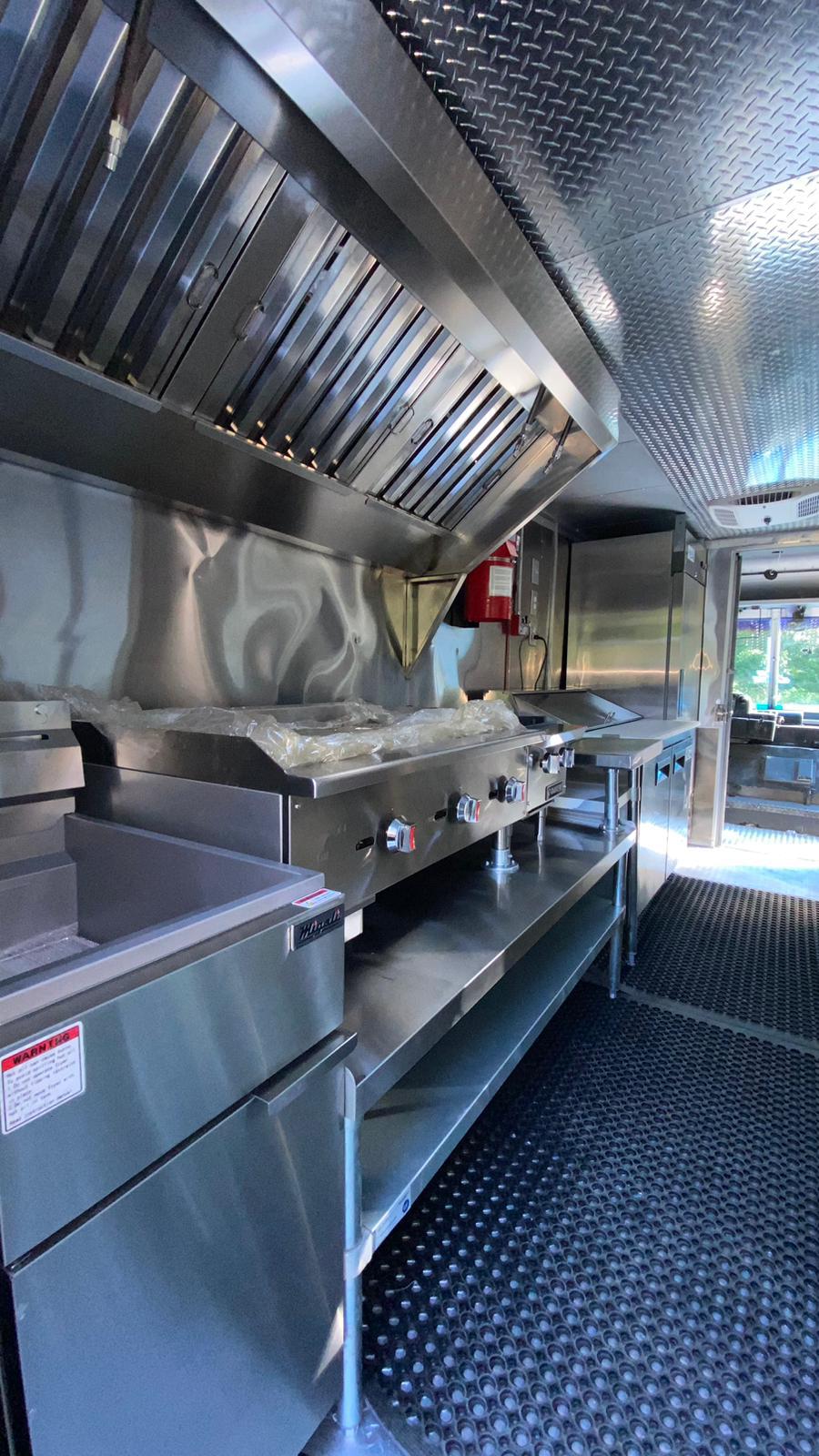
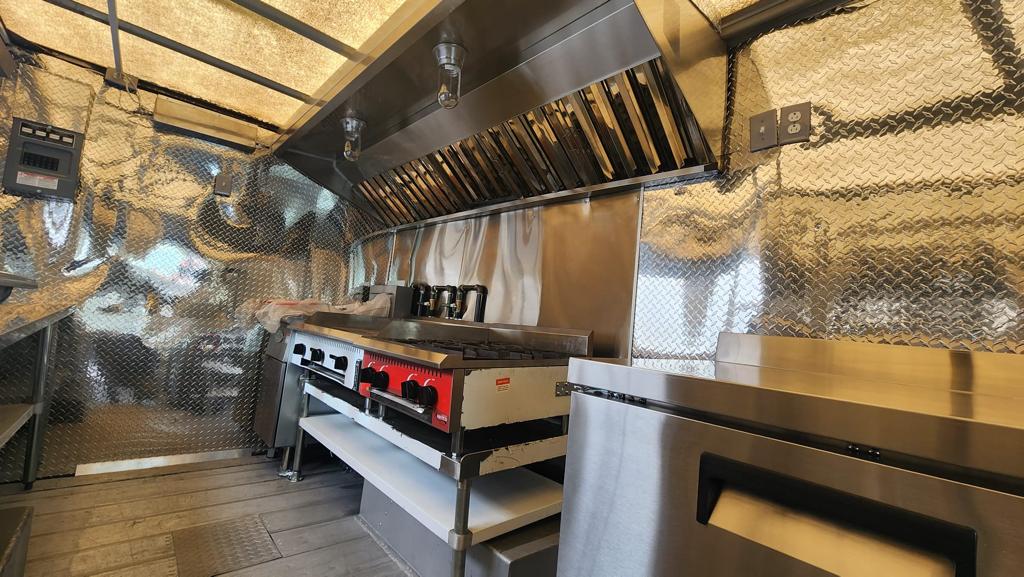
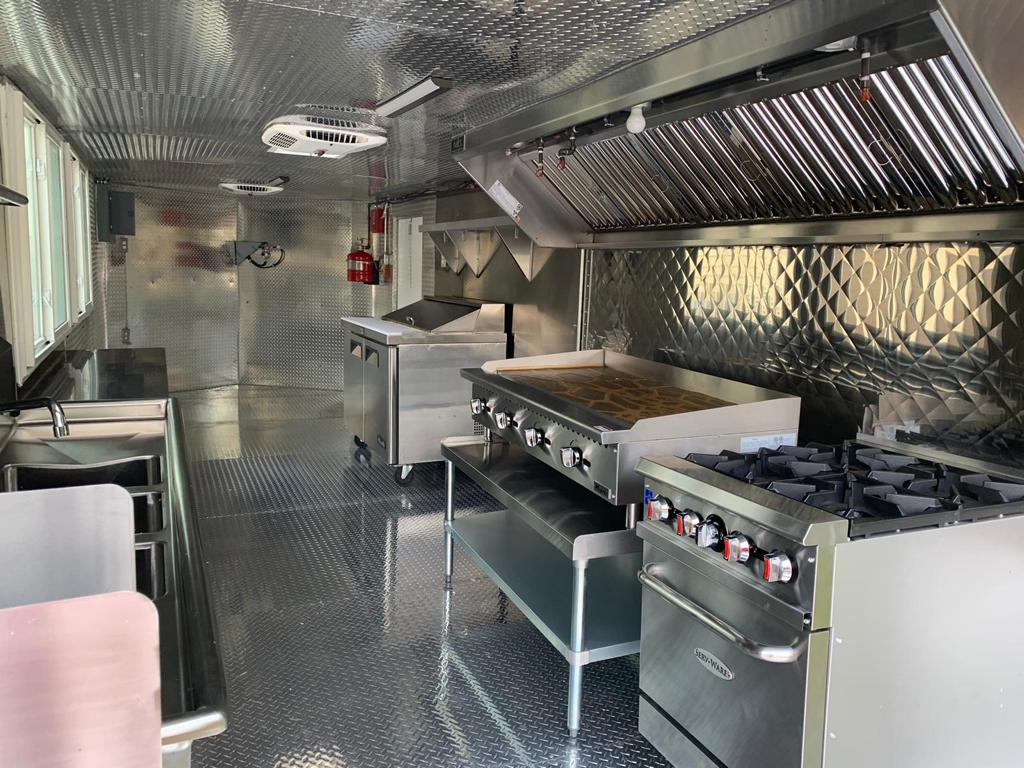
- Commercial kitchen equipment (hood, fryer, flat top, refrigeration): $18,000–$32,000
- Plumbing, three-compartment sink, water heater, gray water tank: $6,000–$11,000
- Electrical, generator, propane, fire suppression: $8,000–$15,000
- Wrap, signage, and finishing: $3,000–$7,000
That last line item matters more than people think. A vinyl wrap in Houston starts around $3,500 and goes up fast if you want anything beyond basic lettering. But the fire suppression system is where budgets actually break. A compliant Ansul setup for a step van with a fryer runs $4,000 to $7,500 installed. Skip it and you'll never pass inspection.
If you're comparing this to other mobile builds, our breakdown of custom concession trailer cost in Houston for 2026 shows where trailers save money and where they don't.
The Numbers Most Builders Get Wrong
Roughly 60% of first-time food truck operators in Texas underestimate their total build cost by at least $15,000. That's not a made-up figure — it's the pattern you see when you actually talk to people who've been through it. The underestimation almost always comes from three places: fire suppression, electrical capacity, and the commissary requirement.
Houston requires access to a licensed commissary for any mobile food unit. That's a monthly fee — typically $300 to $800 depending on the commissary — that most new builders don't factor into their first-year budget at all.
Why the Build Matters More Than the Van
You can buy a perfect step van and still end up with a truck that fails inspection three times. The van is just the shell. What determines whether you're serving food or stuck in a holding pattern is the fabrication quality — how the plumbing is routed, whether the electrical panel can handle simultaneous loads, whether the hood exhaust meets NFPA 96 clearance requirements.
This is why working with a shop that has actually built mobile kitchens matters. Our mobile kitchen manufacturer guide for Houston custom builds walks through what separates a build that passes from one that gets red-tagged.
And here's where it gets interesting: the same fabrication discipline that applies to step vans applies to every mobile kitchen. If you want to see how that plays out across different platform types, our piece on food truck design and fabrication in Houston covers the full picture.
The Houston-Specific Rules That Trip Up Step Van Builds
Step vans have a quirk that standard trucks don't: the cab-to-box transition. Inspectors look at how you've sealed that junction, how you've routed gas lines through it, and whether the driver's compartment is properly separated from the cooking area. Get this wrong and you're rebuilding.
Houston also enforces specific requirements around:
- Three-compartment sinks with indirect waste drainage
- Minimum 30-gallon fresh water and 40-gallon gray water capacity
- Fire extinguisher types and mounting (Class K required if you're frying)
- Ventilation hood with grease filters rated for your cooking load
- Commissary letter of agreement on file before permit approval
None of this is optional. And none of it is negotiable with a Houston inspector who's seen every shortcut in the book.
If you're operating across state lines, regulations shift. Our guide to food truck regulations in Virginia for 2026 shows how different the rules can be just a few states away.
What Nobody Tells You About Timeline
A step van conversion done properly takes 10 to 16 weeks from the moment the van enters the shop. Not three weeks. Not "a month if we push it." Ten to sixteen weeks, assuming parts are available and you're not changing the layout mid-build.
Changing the layout mid-build is the single most expensive mistake you can make. Every change ripples through plumbing, electrical, and framing. I've seen a $6,000 change order come from someone deciding they wanted the fryer on the other wall after week eight.
Before you commit to anything, sit down with someone who's done this before. Not a general contractor — someone who builds mobile kitchens specifically. Our food truck consultation service in Houston exists precisely because most people need two hours of honest conversation before they spend $60,000.
If you already know what you want and just need the numbers, you can get a custom quote based on your specific concept. And if you're still in the planning phase, our mobile kitchen consultations are built for exactly that stage.
The Van Is Not the Truck
Here's what I'd tell a friend over coffee: the step van is a $15,000 decision that feels like the whole project. It isn't. It's maybe 20% of your total investment and about 5% of your actual risk.
The other 95% lives in the fabrication, the permits, the commissary agreement, and the hundred small decisions that determine whether your truck passes inspection in week one or wastes three months in re-inspection purgatory.
Buy the van last. Understand the build first. That single change in sequence is worth more than any discount you'll find on a used vehicle.